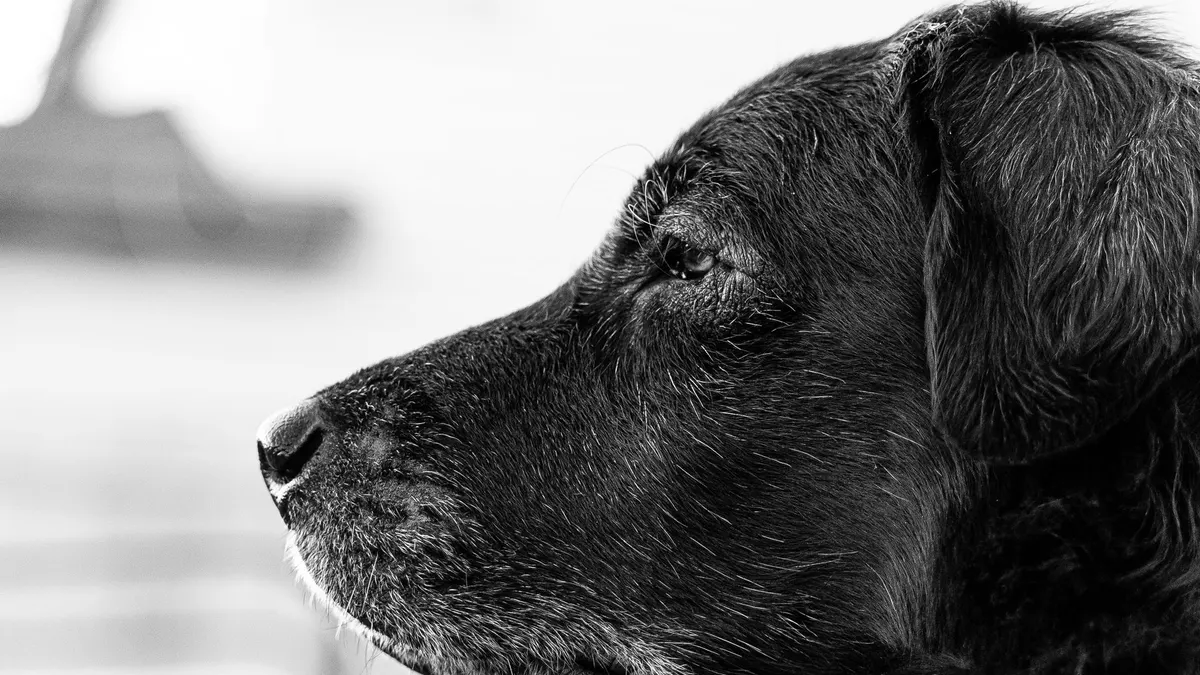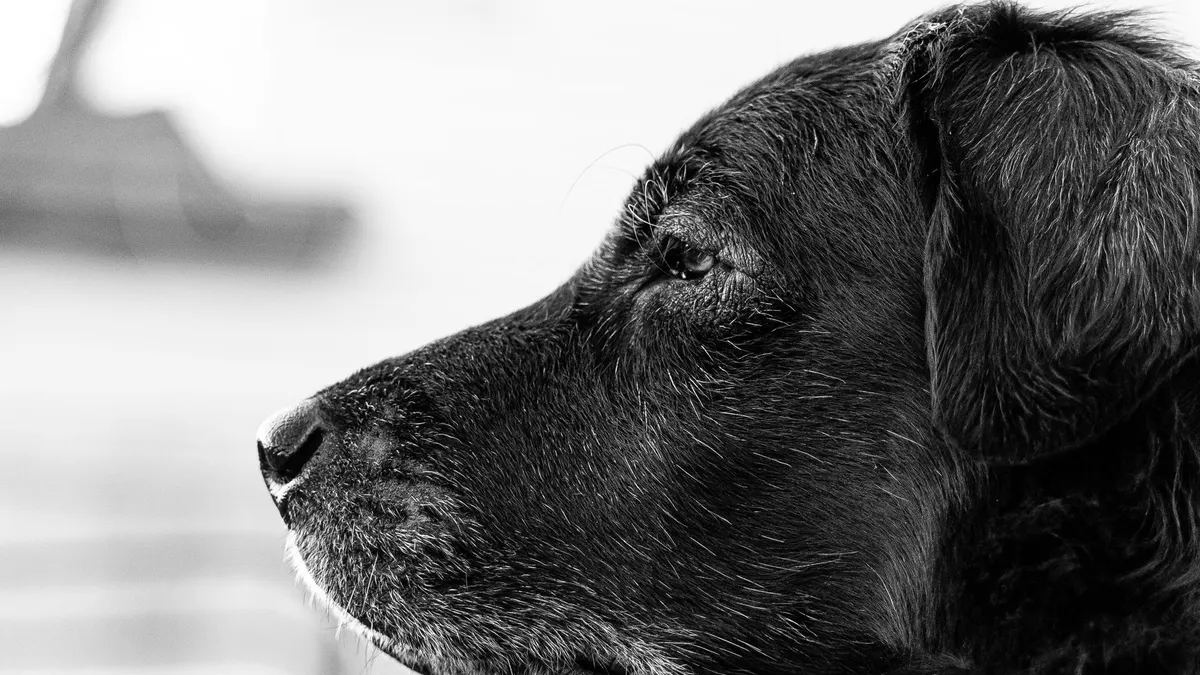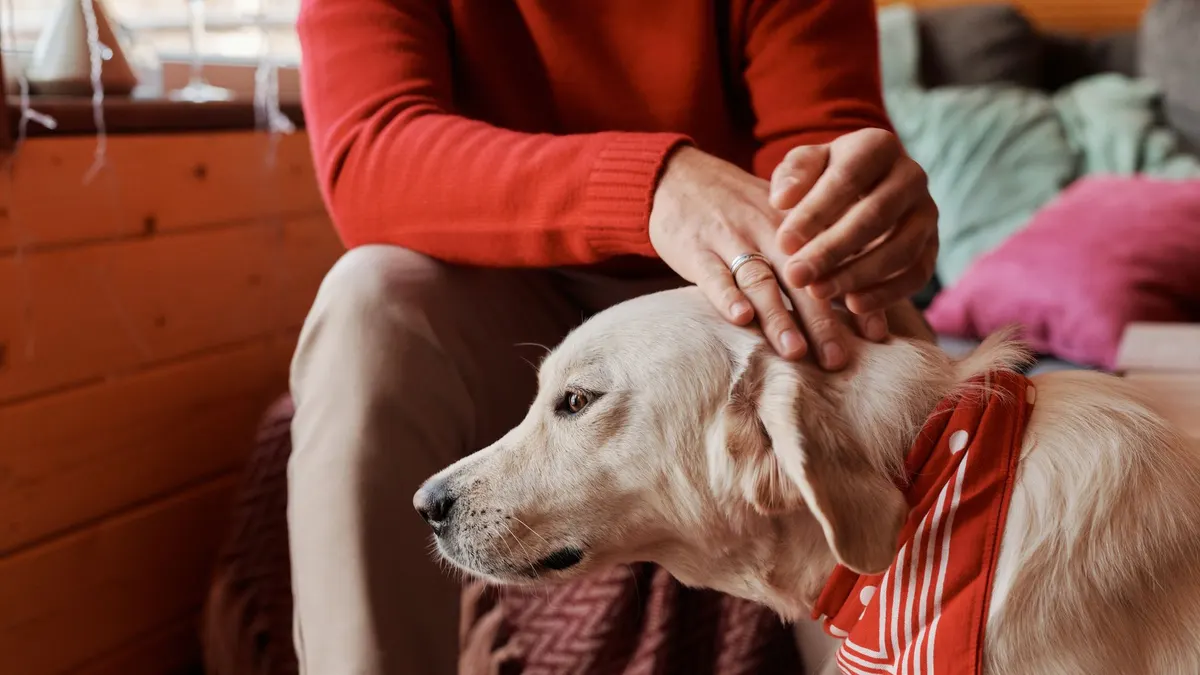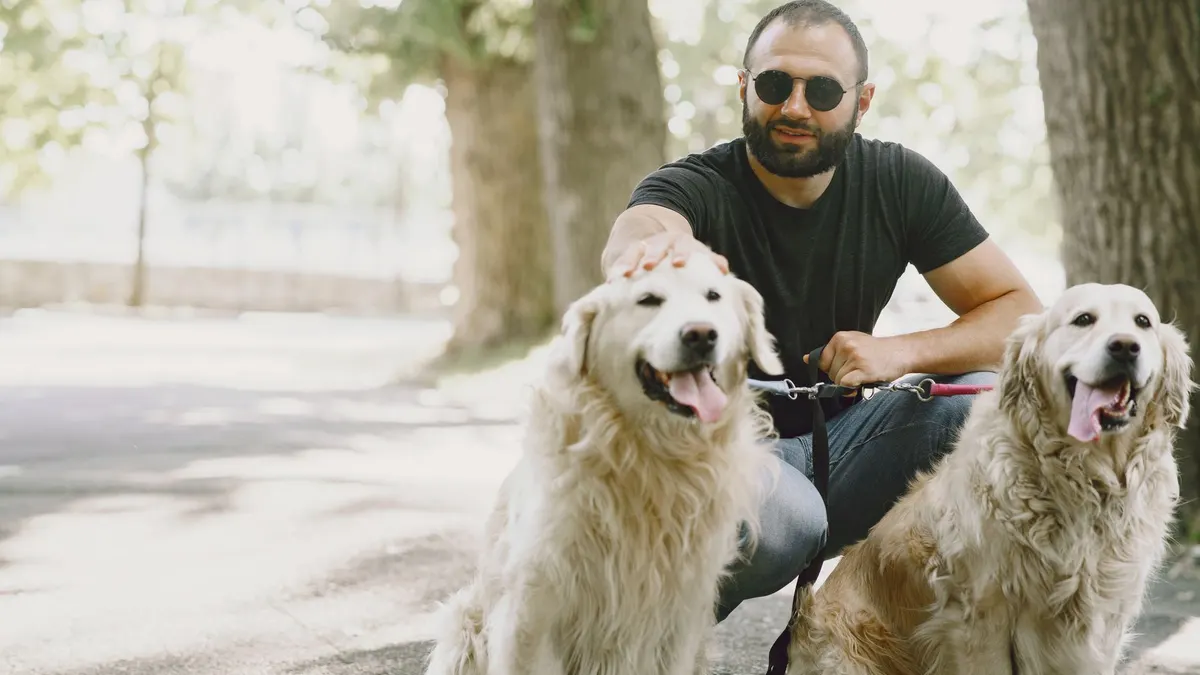
Quality of life for a senior dog is not measured by one number or one day. It is usually a combination of comfort, mobility, play, rest, appetite, and confidence in daily routines. If your dog is still able to eat, rest, move with some comfort, and enjoy familiar people and routines, that is often a significant sign of a good quality of life.
What quality of life really looks like
For many older dogs, good quality of life includes:
- easy access to favorite resting spots
- a manageable daily routine
- comfort in movement and rest
- a safe and familiar home environment
- regular human companionship without stress
- enough gentle activity to maintain strength and mood
Quality of life is not about “being young again.” It is about whether the day feels easier and more comfortable than it used to.
Questions to ask regularly
A few useful questions include:
- Is my dog moving more comfortably than before?
- Are they able to rest without strain?
- Do they still enjoy predictable routines and familiar people?
- Are they avoiding certain activities because of discomfort or fear?
- Are there simple changes we can make so they feel safer and calmer?
Where to make improvements
If the dog is struggling, the answer is usually not a dramatic change. It is a more sensible route, softer bed, better traction, or steadier routine. Many dogs improve noticeably when the home becomes easier to navigate.
When a veterinary conversation is useful
If your dog’s comfort seems to be slipping, especially if there is sudden pain, weakness, difficulty standing, appetite changes, or major behavior shifts, a veterinary review can be helpful. A veterinarian may help you separate age-related changes from treatable issues.
Bottom line
Senior dog quality of life often improves with low-pressure, practical adjustments. Better traction, easier movement, and a calmer environment can give an older dog a more comfortable and confident day, even when age is still part of the picture.