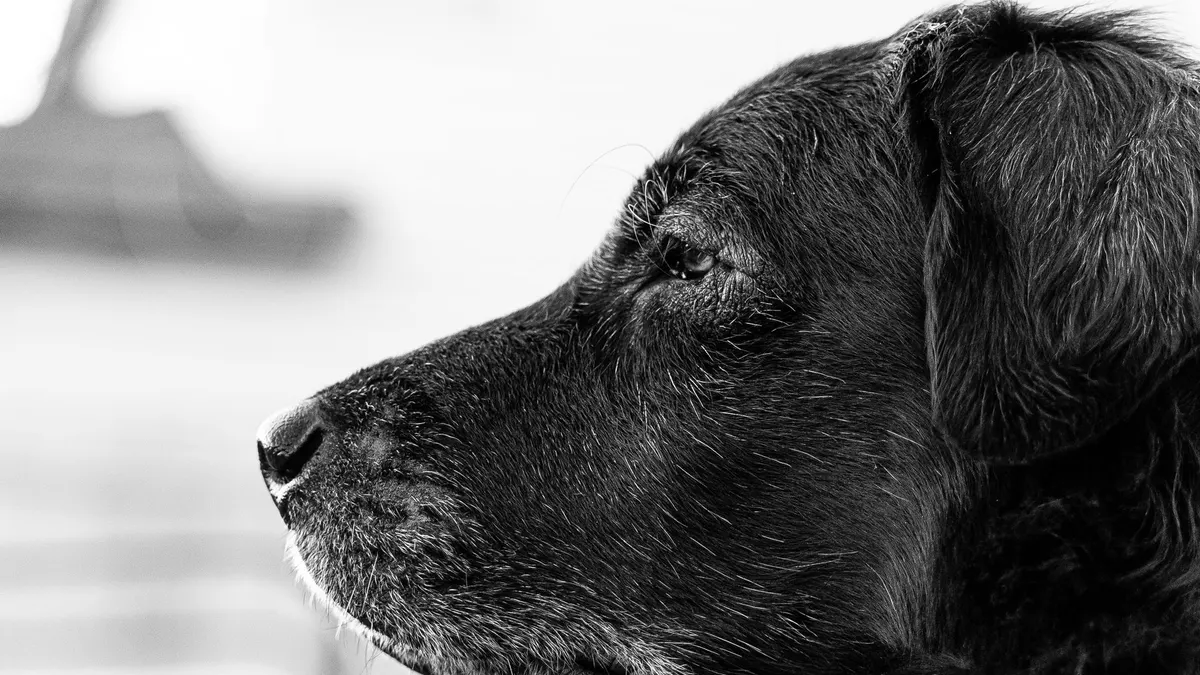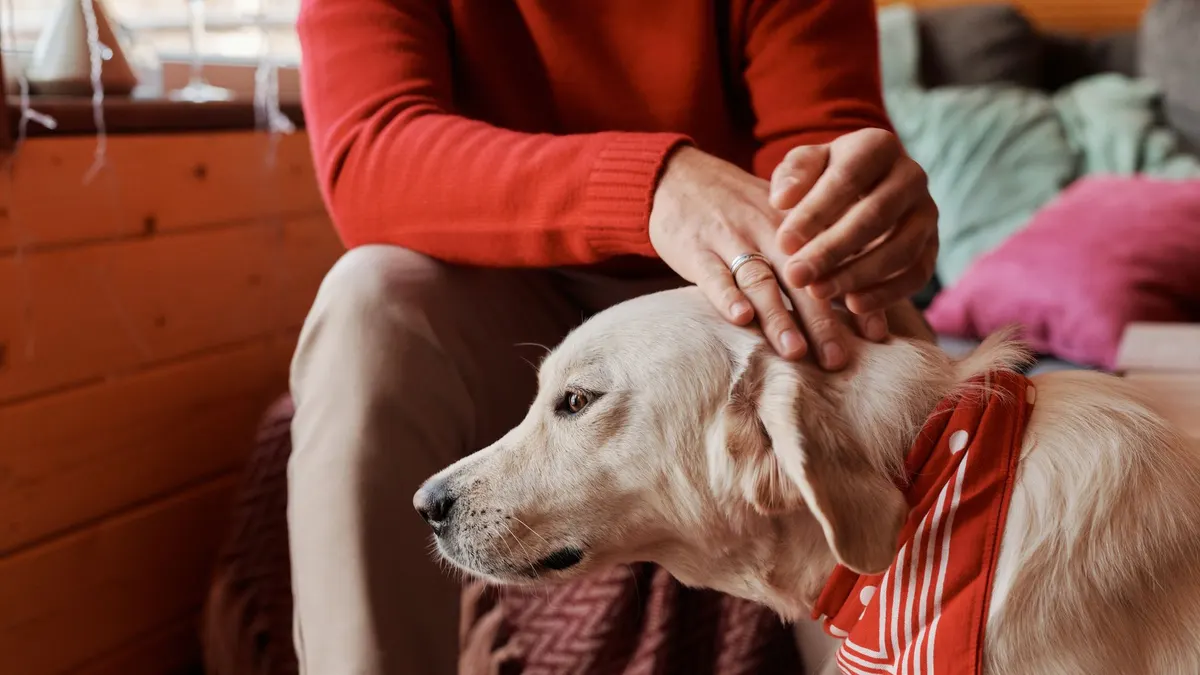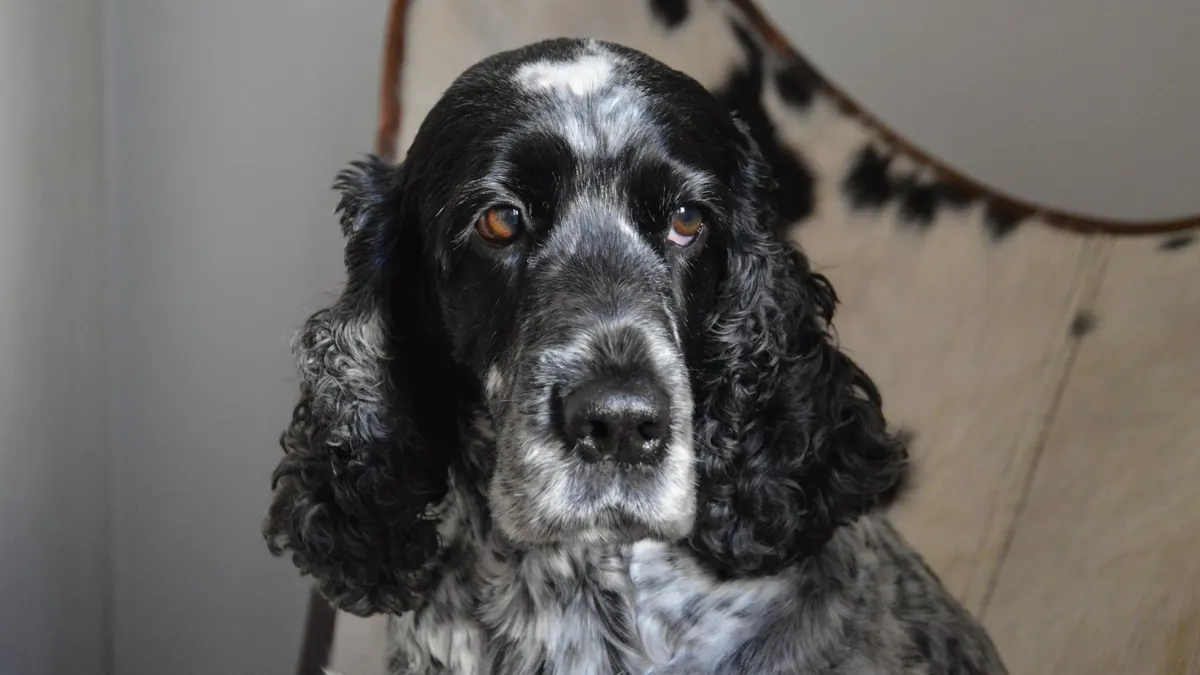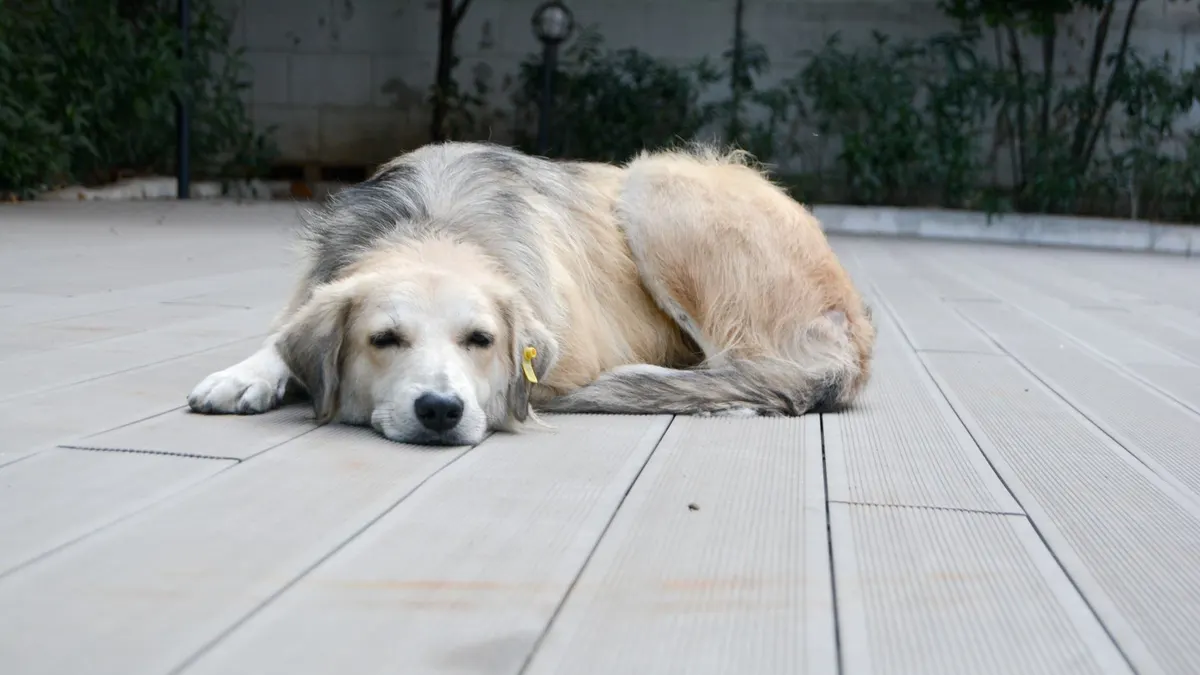
Getting older does not always look dramatic. Sometimes it shows up as tiny changes that are easy to miss. A dog may move a little slower, rest a little longer, or hesitate before a jump they once did without thinking.
Common signs of aging in dogs
The most common changes include:
- slower standing up and lying down
- less interest in long walks or intense play
- stiffness after rest
- more time sleeping or napping
- more cautious movement on slippery floors
- more difficulty climbing stairs or getting into the car
- weakened balance or a narrower walking pattern
- changes in hearing, vision, or sleep quality
These changes are often gradual, which is why owners sometimes do not notice them until they become a daily inconvenience.
How to tell whether it is normal aging or a bigger issue
Normal aging usually shows up as a modest change over time. A bigger issue may come with sudden weakness, limping, obvious pain, confusion, appetite changes, or a clear drop in quality of life.
It helps to compare the dog’s recent behavior to their usual pattern. If an older dog needed a few extra seconds to stand last month but now seems to struggle more often, that is worth noticing.
What can help at home
A few low-stress improvements can make a big difference:
- use rugs or traction mats in the most-used rooms
- lower the height of the dog’s bed and favorite resting spots
- reduce the number of jumps and awkward stairs
- offer calm, secure rest spaces and a predictable routine
- keep the dog’s environment consistent so they do not have to think hard about where to move next
When to talk to a veterinarian
If your dog has sudden mobility changes, seems painful, refuses to walk normally, or shows new confusion or restlessness, it is a good idea to schedule a check-in. A short video can help a veterinarian understand the pattern.
Bottom line
Signs of aging are often subtle, but they are also very actionable. When you notice the small changes early, you can adjust the home, routine, and support to keep your dog comfortable and safer as they age.