Comfort9 min
Senior Dog Joint Comfort at Home
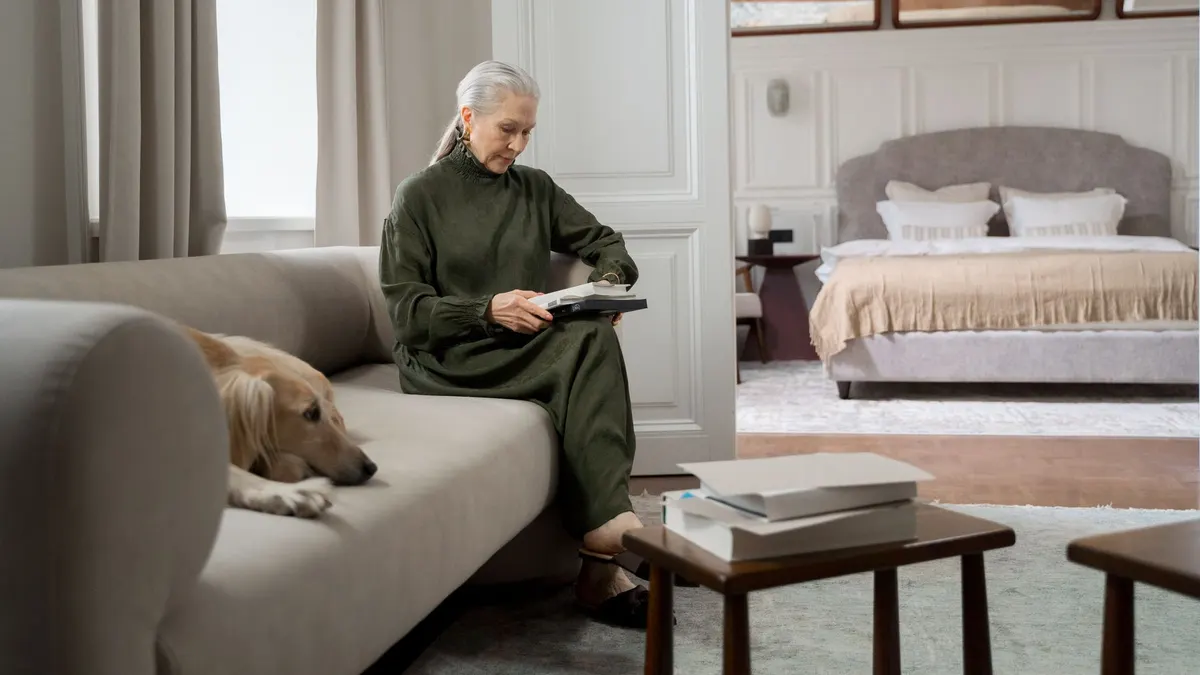
A senior dog often feels better when everyday movement is gentler, surfaces are more secure, and rest is easier to recover from.
Practical, veterinarian-aware guidance for older dogs and the people who care for them.
A senior dog often feels better when everyday movement is gentler, surfaces are more secure, and rest is easier to recover from.
How senior dog needs change at 7, 10, 12, and 15 — and why size shifts the whole timeline. Links to detailed guides for each stage and body size.
A predictable senior dog routine can reduce strain, make daily care easier, and help you notice small health or comfort changes sooner.
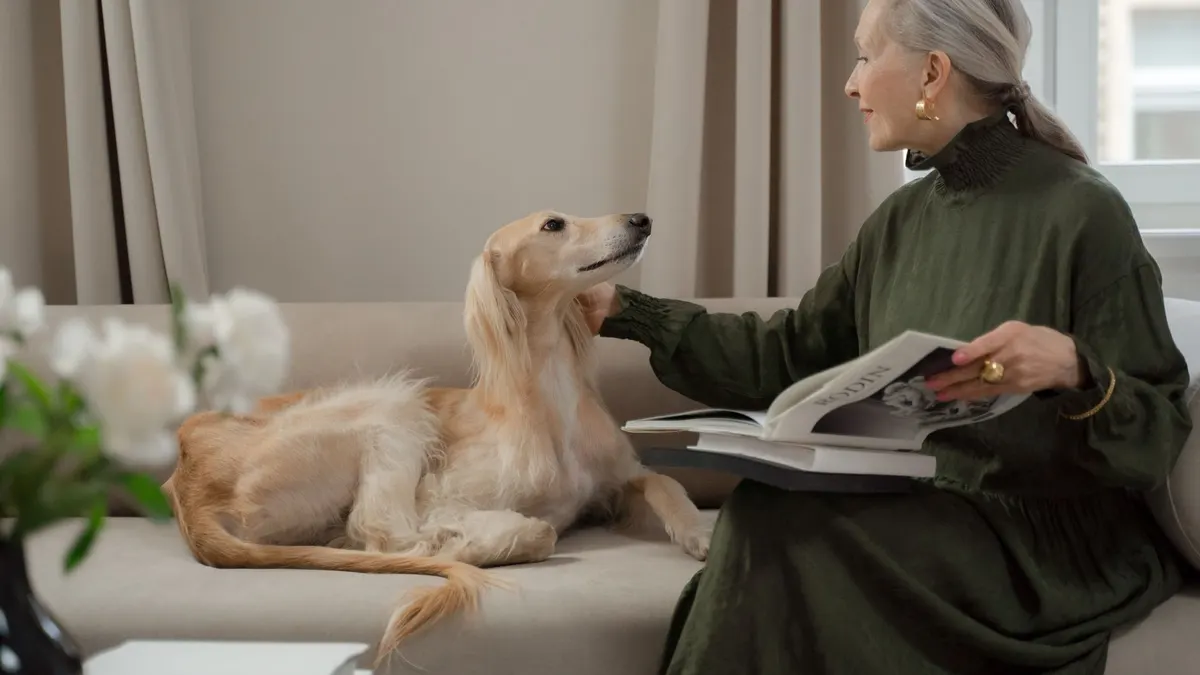
Older dogs usually do best with a few practical home changes that reduce slips, improve route clarity, and make daily routines easier to navigate.
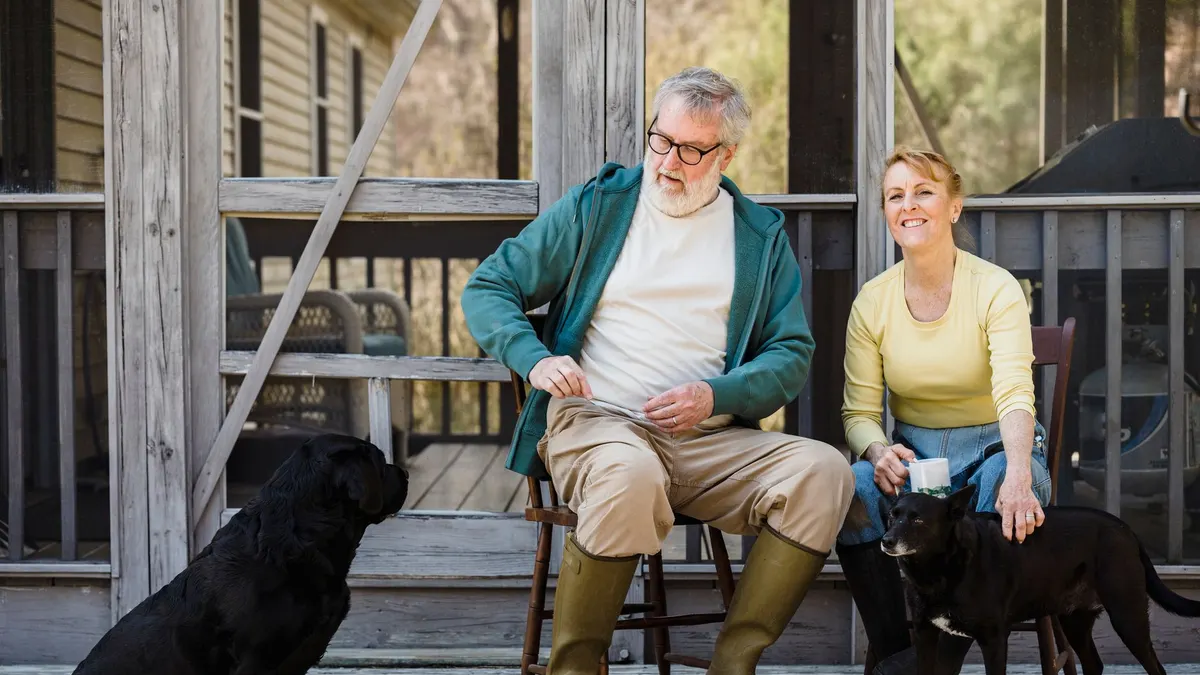
Compare ramps, traction, beds, and harnesses by the daily problem they solve instead of by features alone.
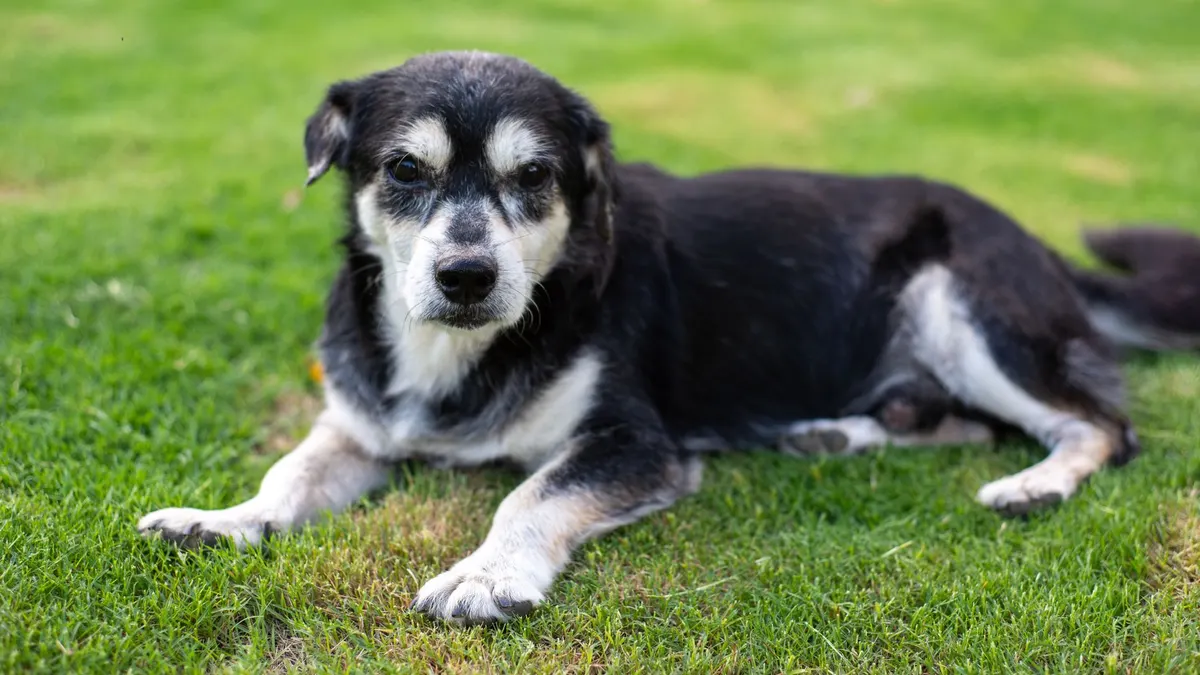
What actually changes at 10: size changes what the age means, the vet schedule doubles, and the baseline you build now pays off for years.
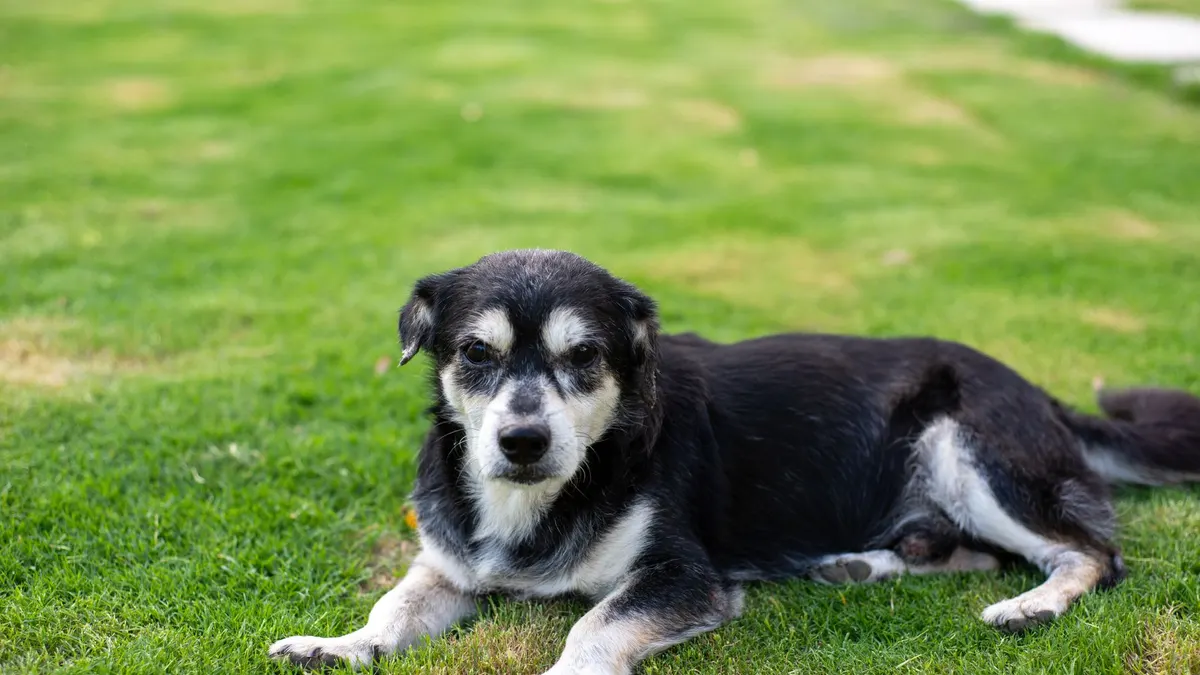
What changes at 12: sensory decline, night-time confusion, muscle loss, and the shift from performance to comfort — with the adjustments that matter.

Large breeds become senior years earlier than small dogs. Weight, joints, and home engineering decide their comfort — here is the practical playbook.
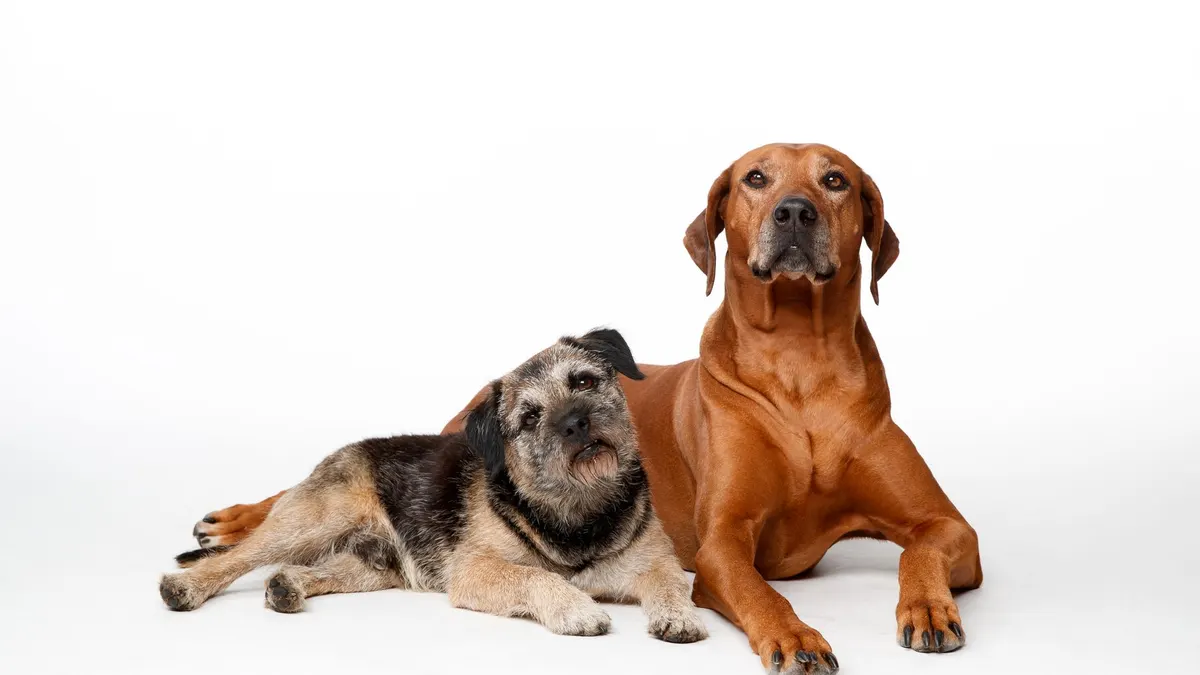
A practical plan for large dogs already struggling to move: lifting help that works at 40 kilos, home changes, exercise that protects muscle, and red flags.

Small breeds become senior late but manage a long old age: dental disease, heart murmurs, collapsing tracheas, and knee problems need specific handling.

A senior dog sleeps better when the bed is easy to reach, the room is comfortable, and the routine feels calm and predictable.
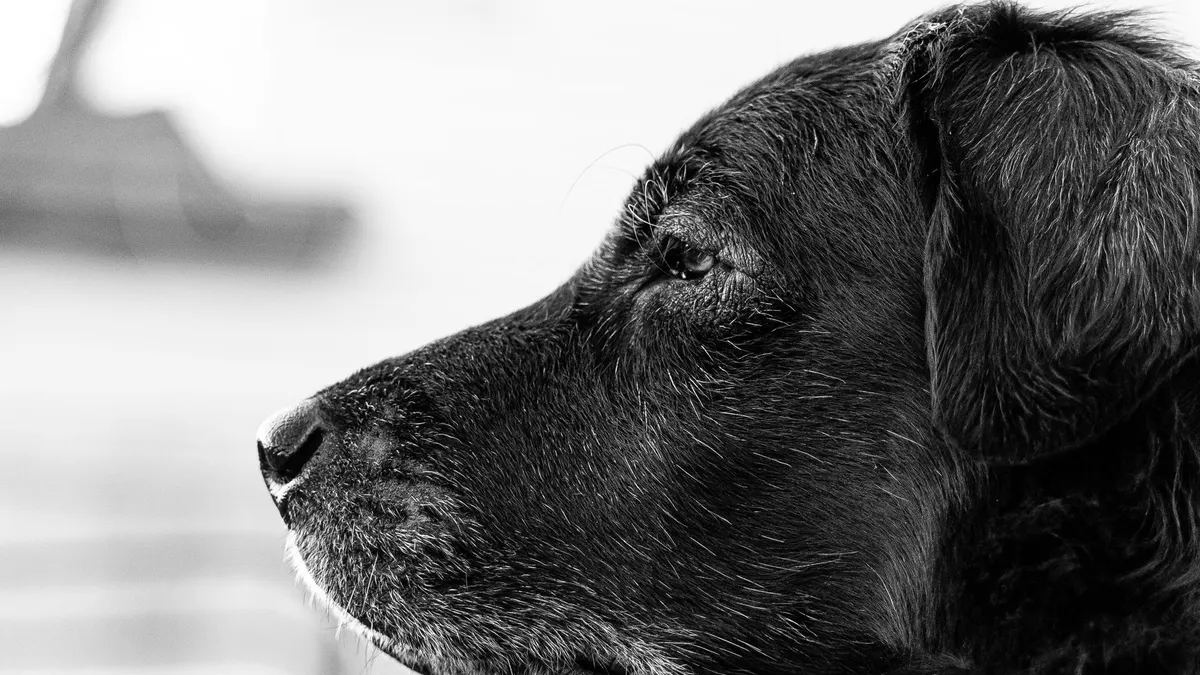
A practical, easy-to-follow guide to everyday senior dog care, from routines to comfort, movement, safety, and quality-of-life decisions.
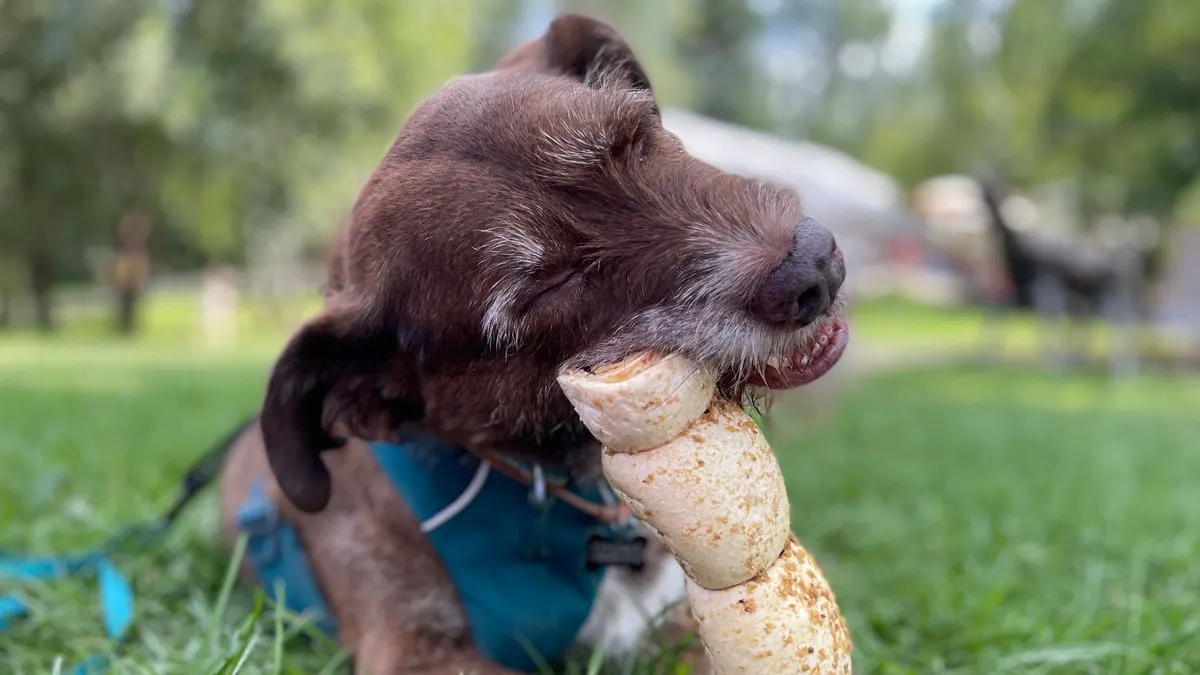
How to choose dental chews that are actually safe for an older dog: size, hardness, VOHC approval, calories, and the risks most owners miss.
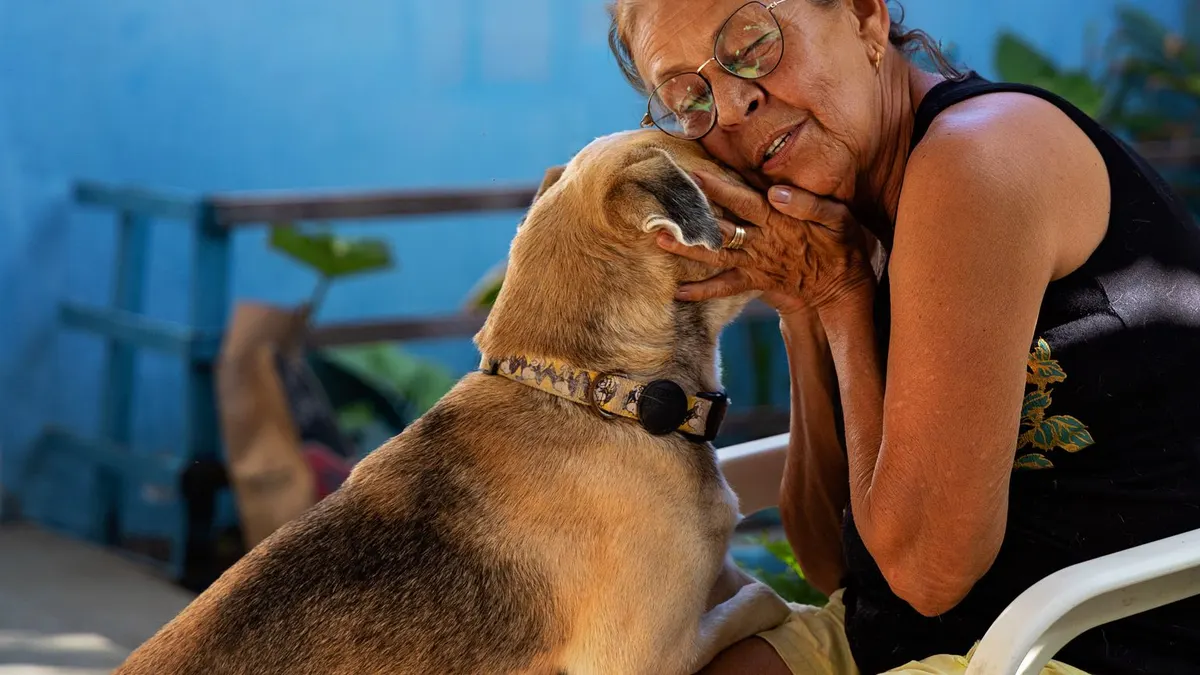
How to pick a toothbrush an older dog will actually tolerate: brush head size, handle reach, finger brushes vs long handles, and a training plan that works on sensitive mouths.
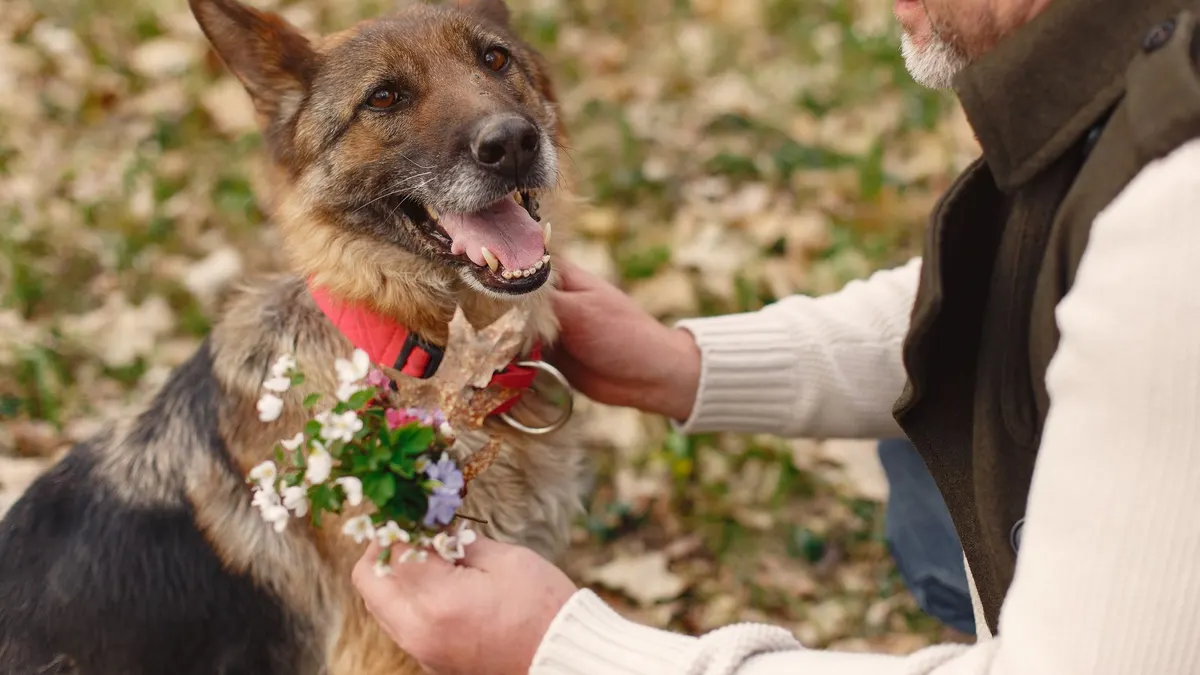
Indoor accidents in older dogs are often a care issue, and the best response is a calm, consistent routine plus veterinary guidance when needed.

A few well-placed, low-profile mats can make a worn or slippery floor feel much safer for an older dog.
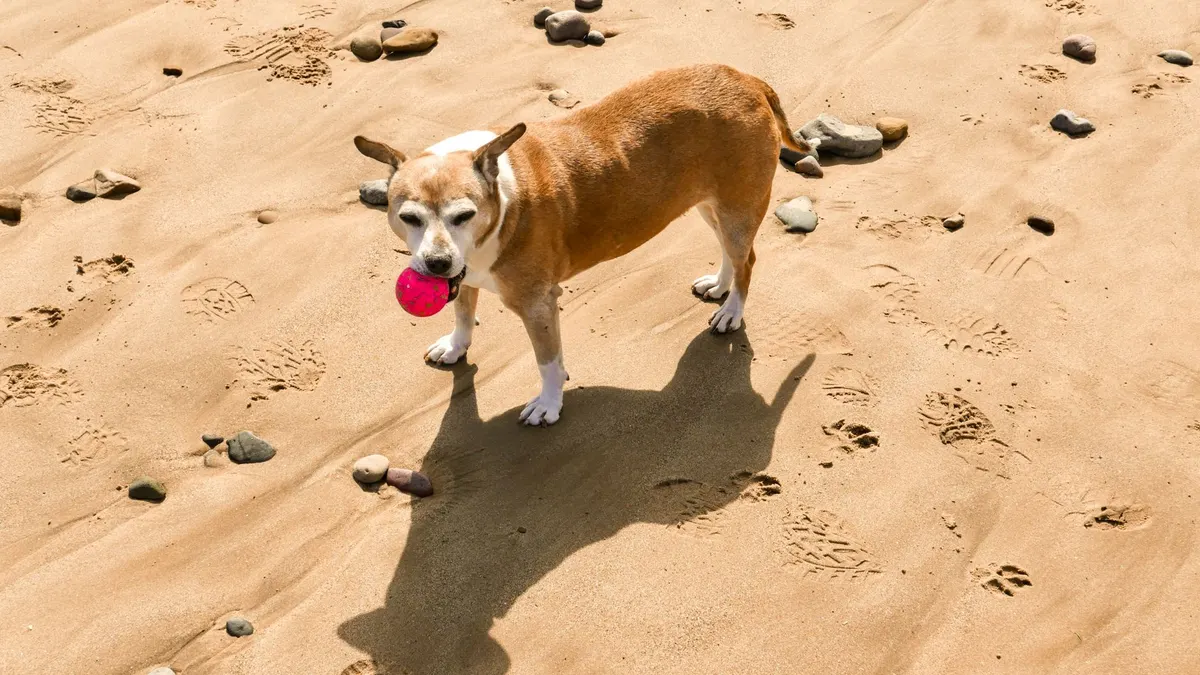
Learn how to observe rear-leg weakness safely, improve daily support, and prepare useful notes for your veterinarian.
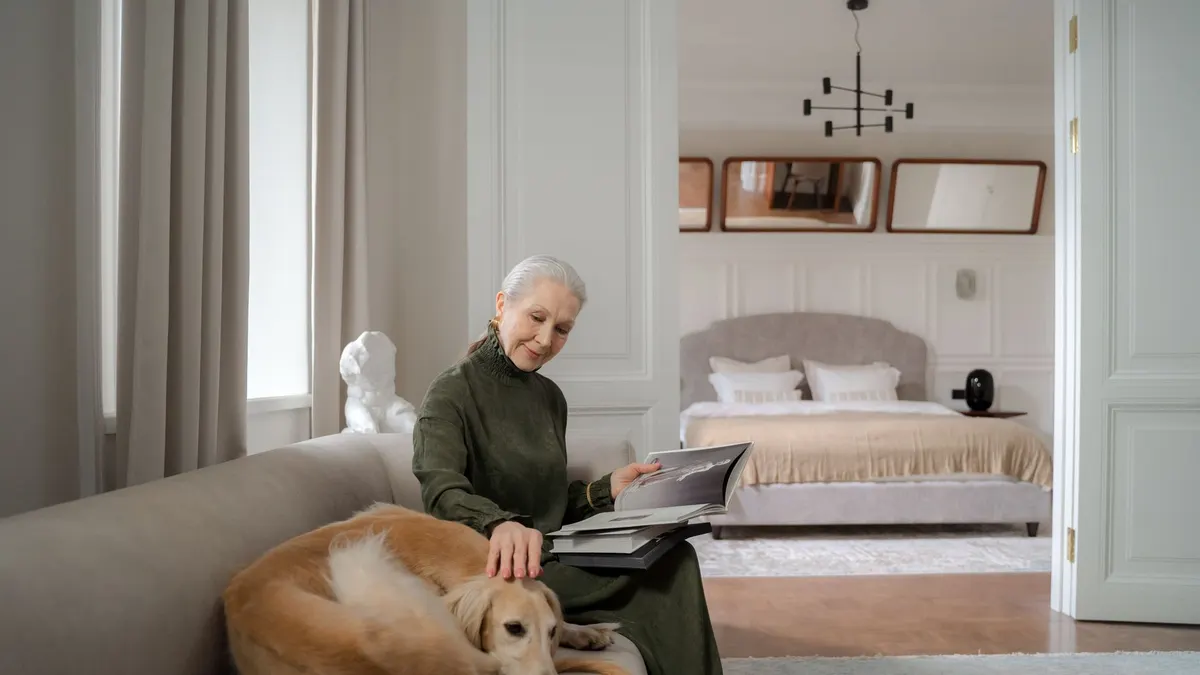
The best senior dog bed is supportive, easy to get into, and comfortable enough to encourage restful sleep and easier standing.
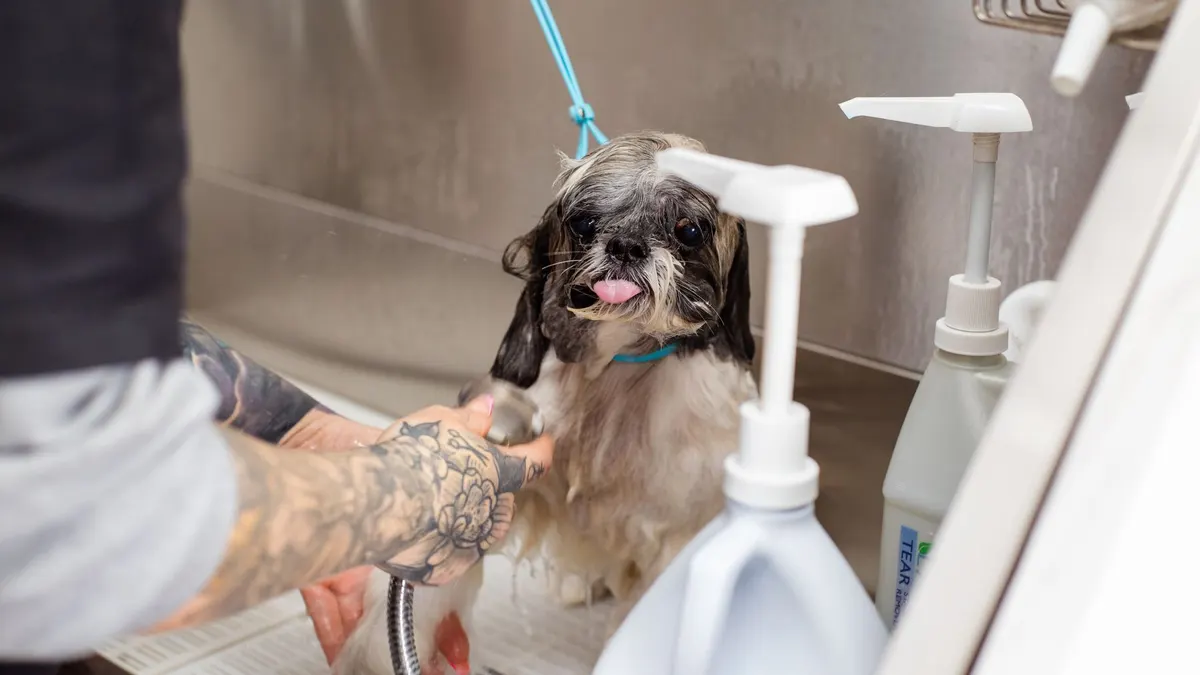
A calm, repeatable grooming routine keeps older dogs more comfortable and makes changes easier to notice.
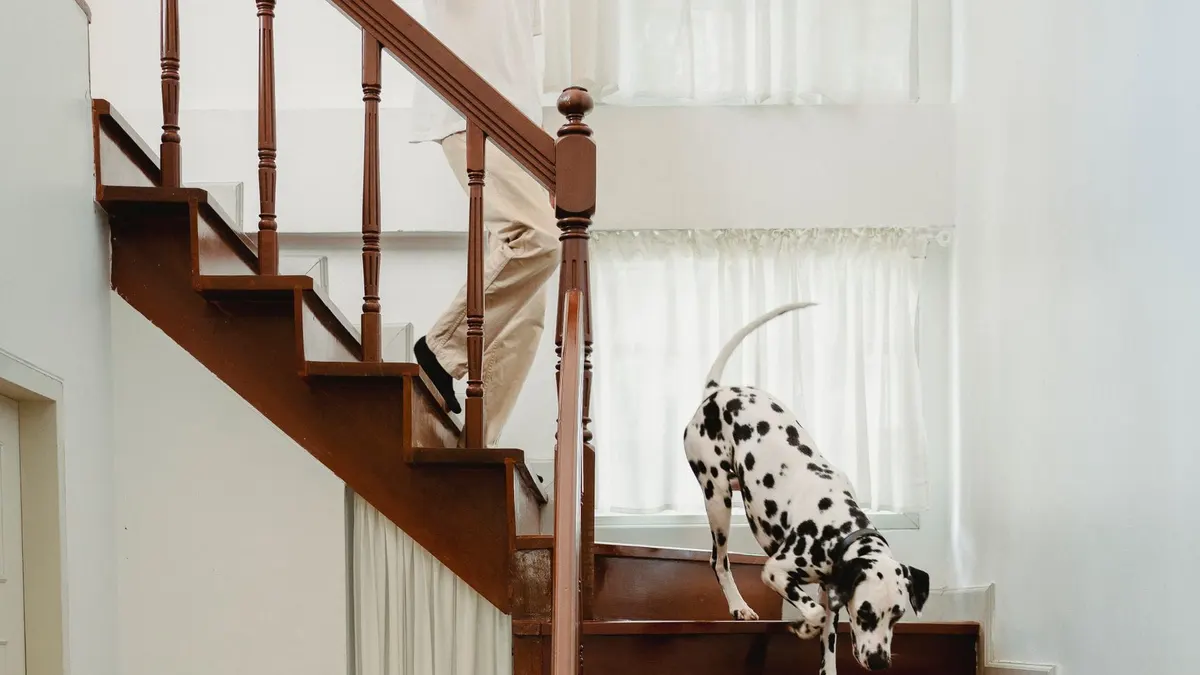
A few smart stair changes can make a big difference for an older dog that is slowing down or feeling less steady on steps.
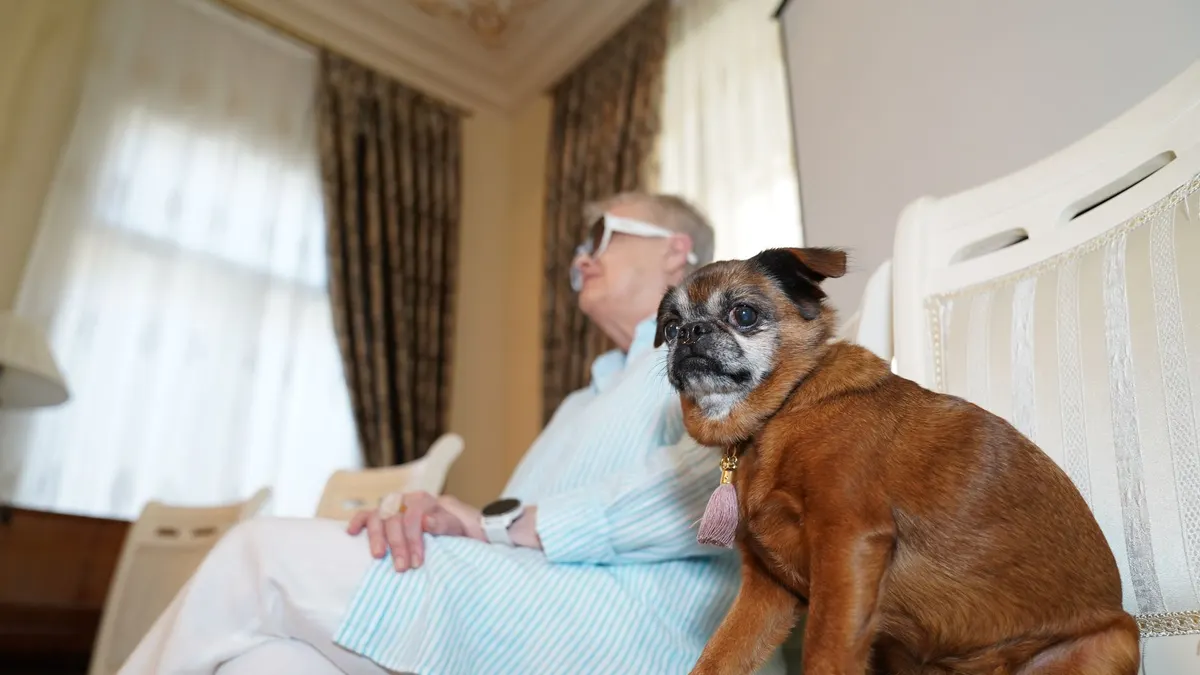
A room-by-room safety check can help you spot the small changes that make daily life easier and safer for an older dog.
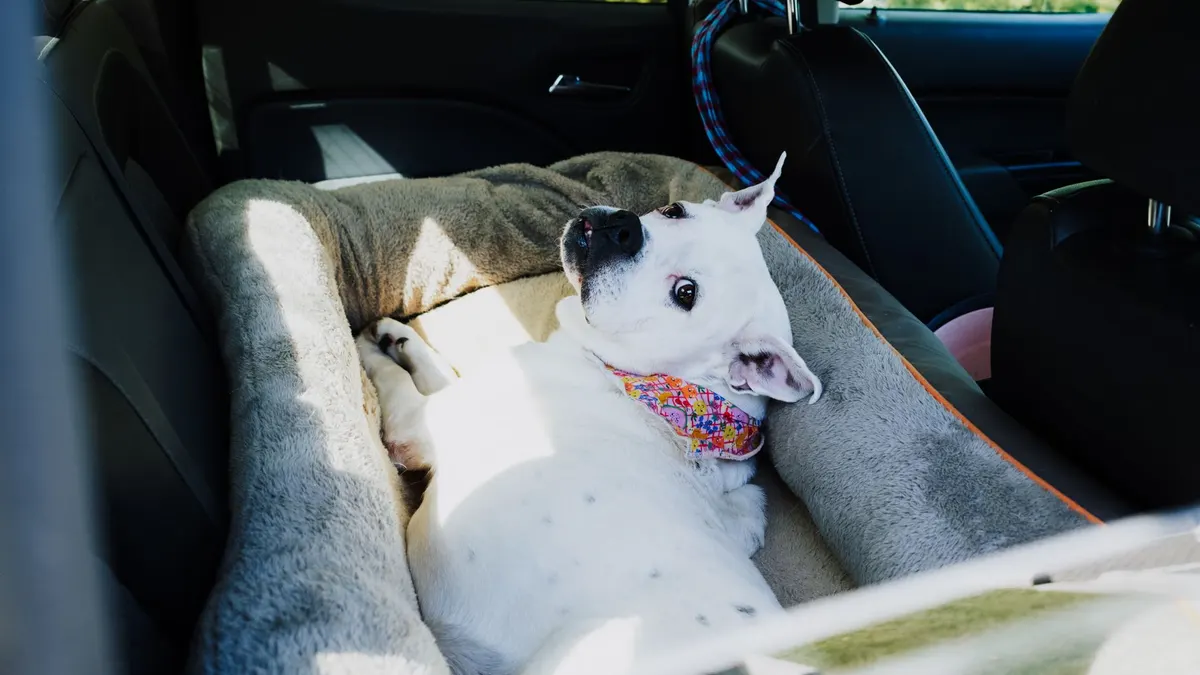
A dog ramp helps a senior dog move more safely when climbing into a car, onto a bed, or over a step without forcing a risky jump.
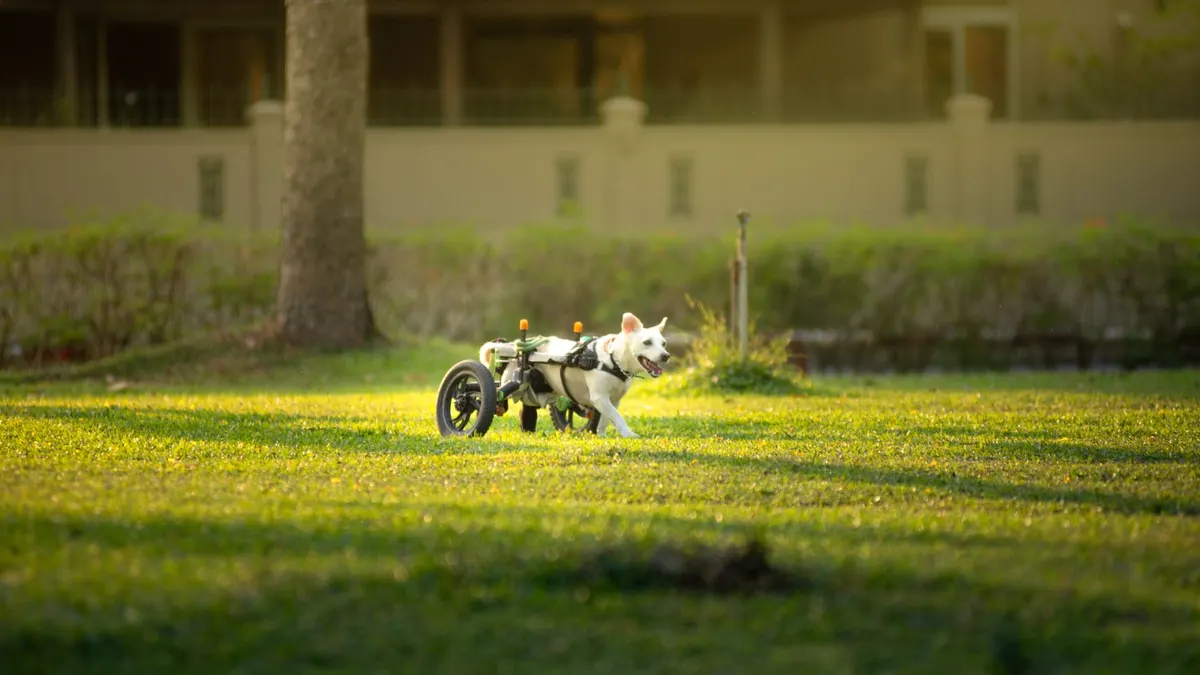
A 15-point home check that helps you spot traction, strength, balance, and routine changes in your senior dog before they become bigger problems.
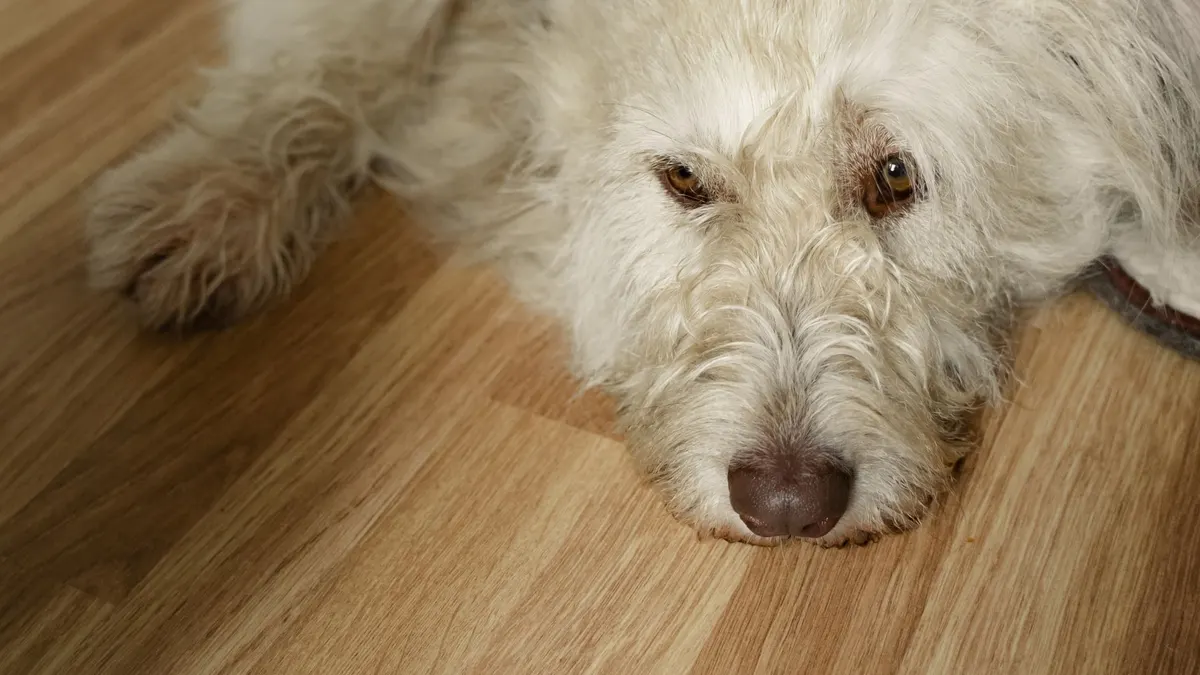
Hardwood floors are slick and less forgiving for senior dogs, but a few smart changes can make the route feel much safer.
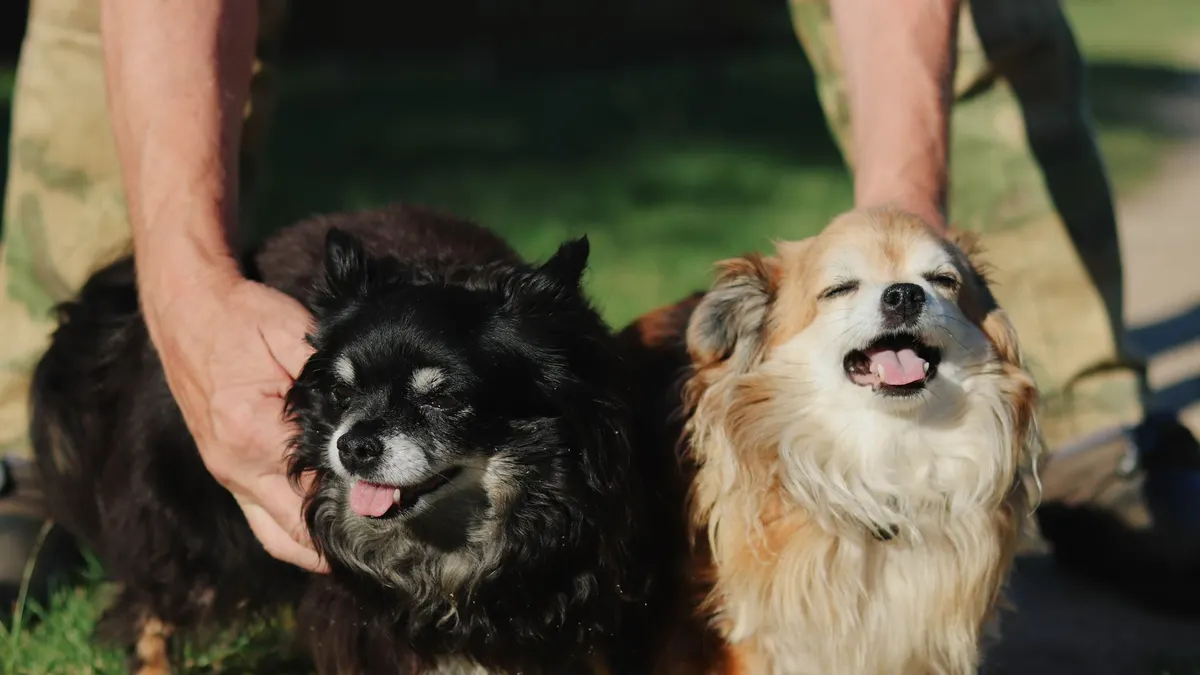
Ages, pain, hearing, vision, and sleep changes can all affect behavior. Learn what patterns matter most.
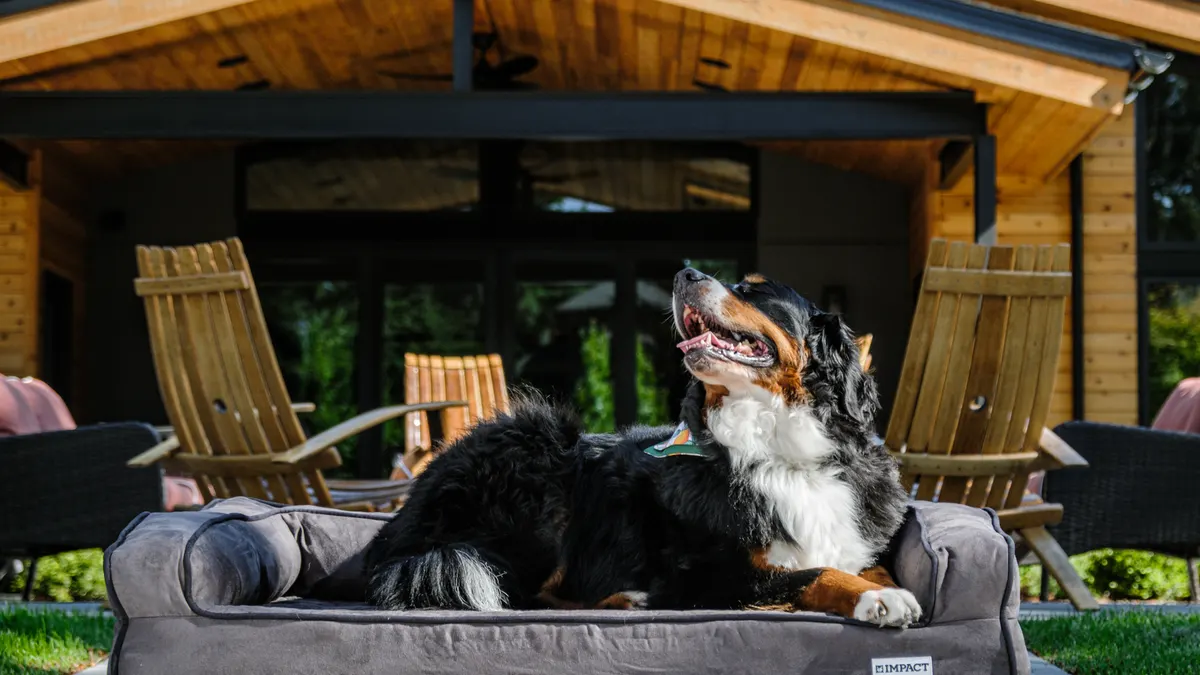
Compare the best low-entry dog beds for senior dogs—easy-to-climb beds with supportive foam, non-slip bases, and washable covers for easier rest and safer rising.
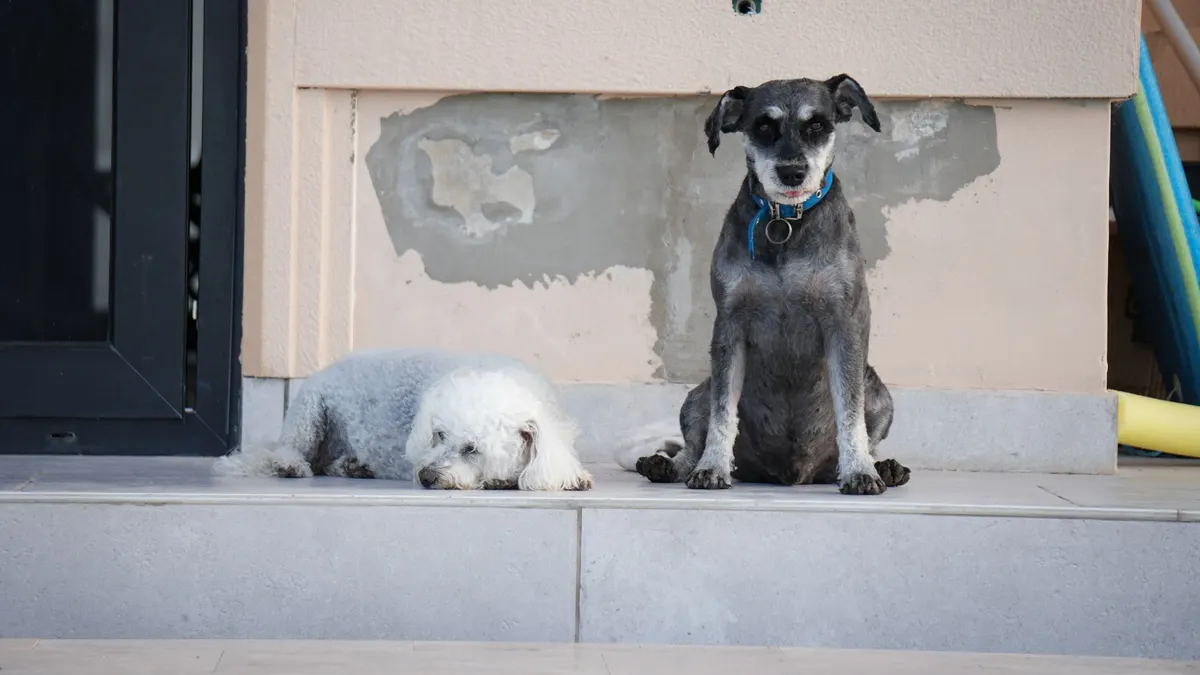
Improve visibility, traction, barriers, and routines so older dogs can navigate stairs with less risk and more confidence.
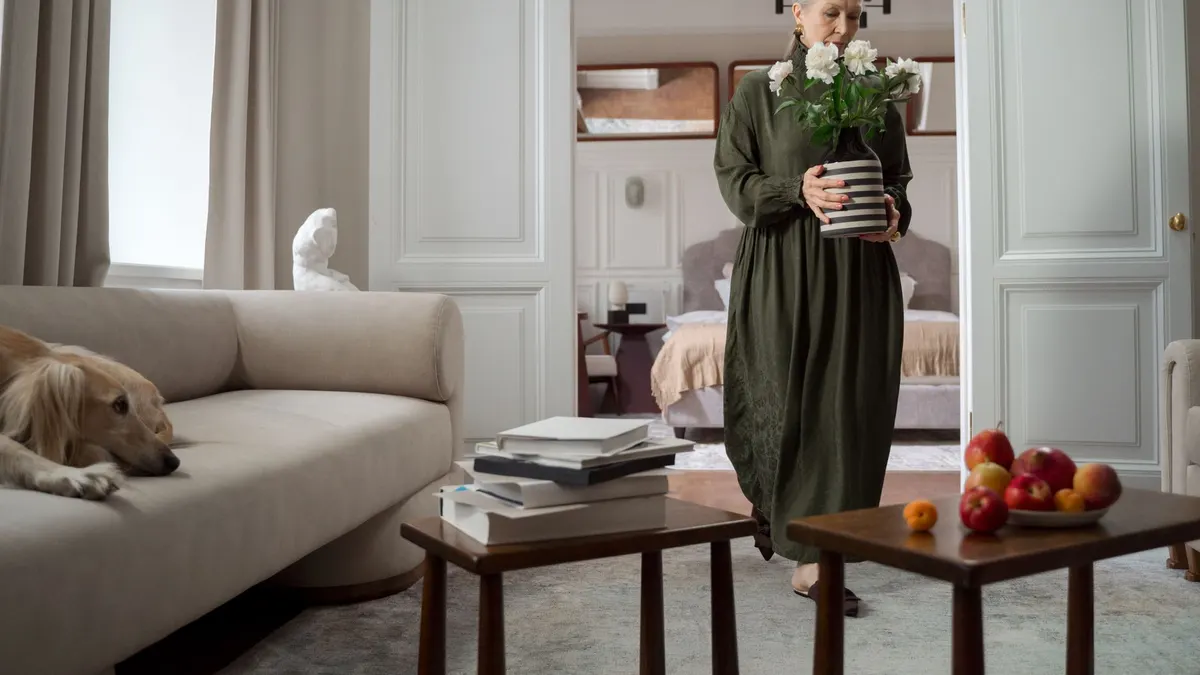
Arrange bedding, floors, lighting, and access so an older dog can rest and move through the bedroom with less effort.
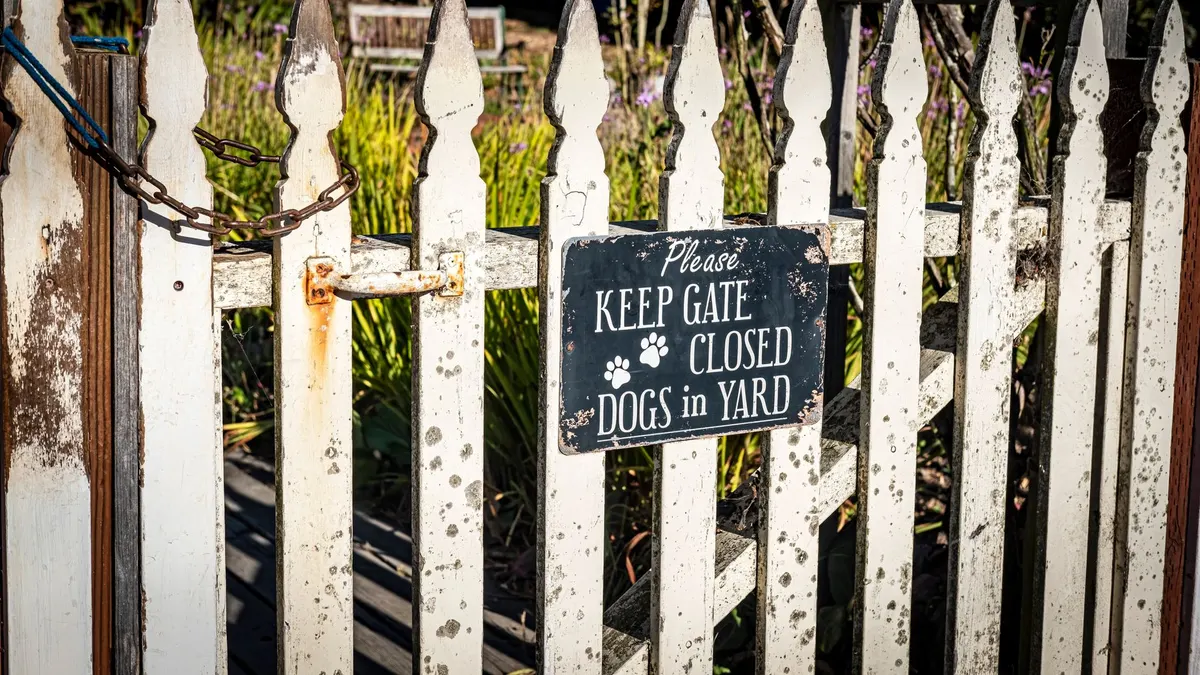
Make patios, paths, steps, and outdoor breaks safer by checking footing, temperature, visibility, and access.
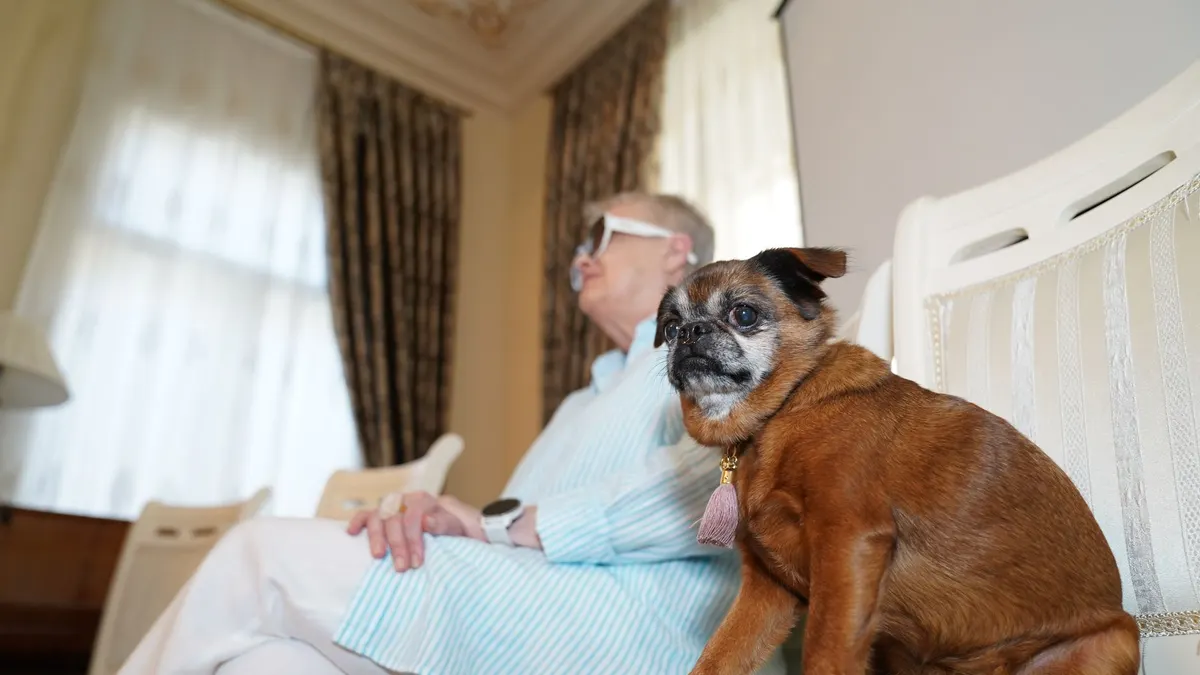
Location matters for older dogs. Learn how to weigh comfort, stairs, noise, and access when choosing a sleep area.
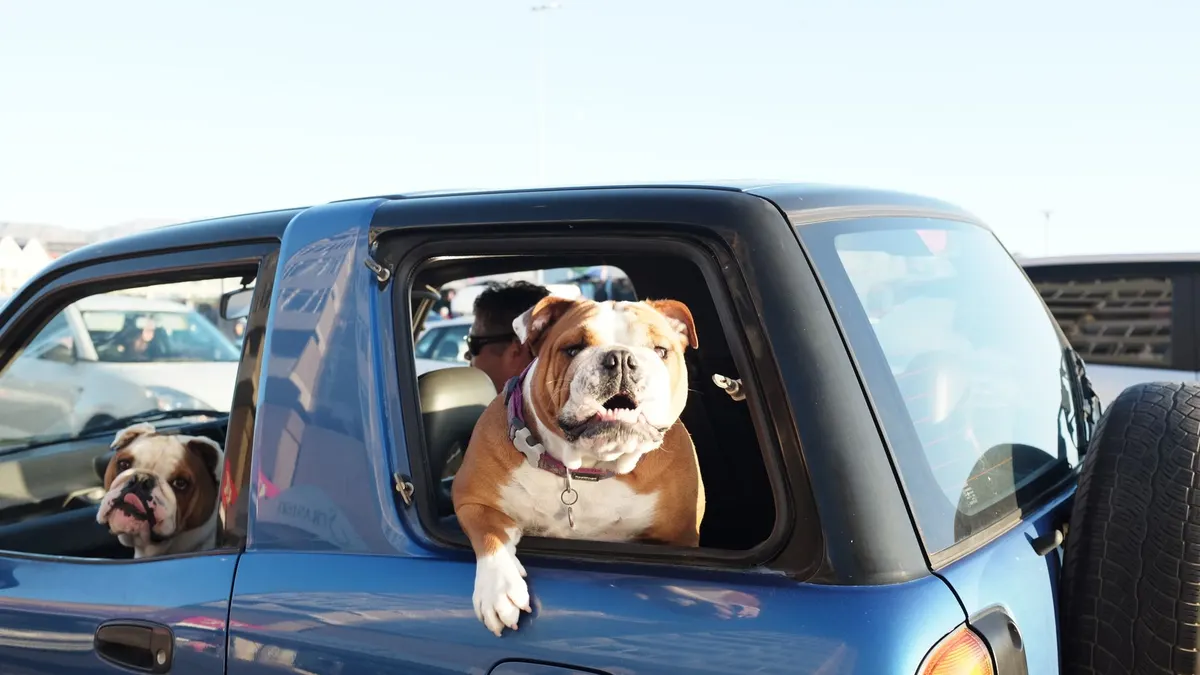
The best car ramp for a senior dog is stable, grippy, wide enough for confident footing, and long enough to create a manageable climb. Here is how to choose the right ramp for your dog and vehicle.
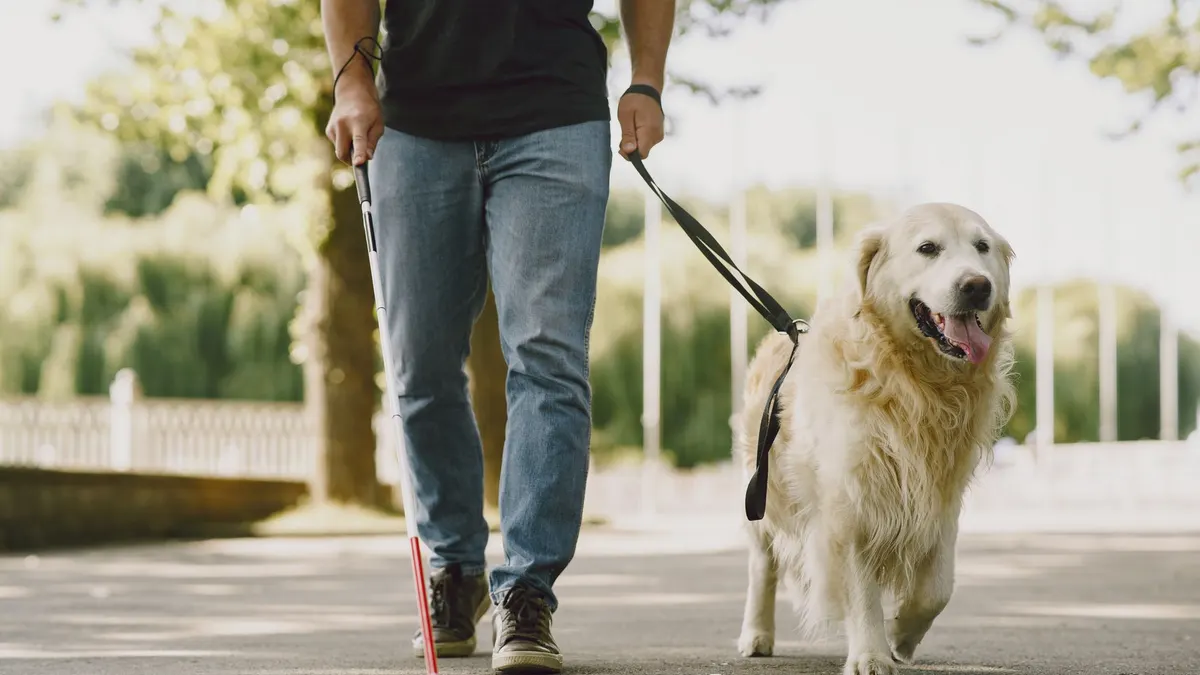
Compare the best support harnesses for senior dogs—walking support, lifting aids, and fit tips for safer mobility, easier assistance, and better control.

Try controlled indoor movement that supports strength, circulation, and confidence without stressing aging joints.
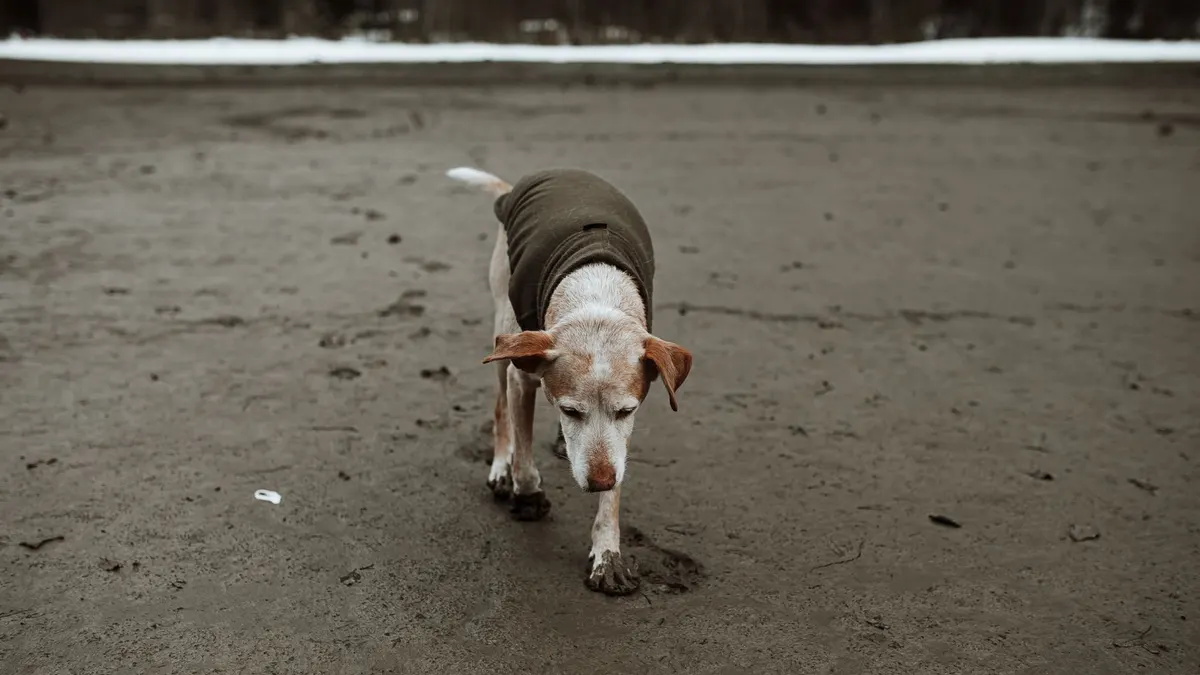
A slower pace can reflect many changes. Learn what patterns to track and how to adjust walks while you seek advice.

A careful checklist for discussing wheelchair options, fit, training, and daily routines for a senior dog.
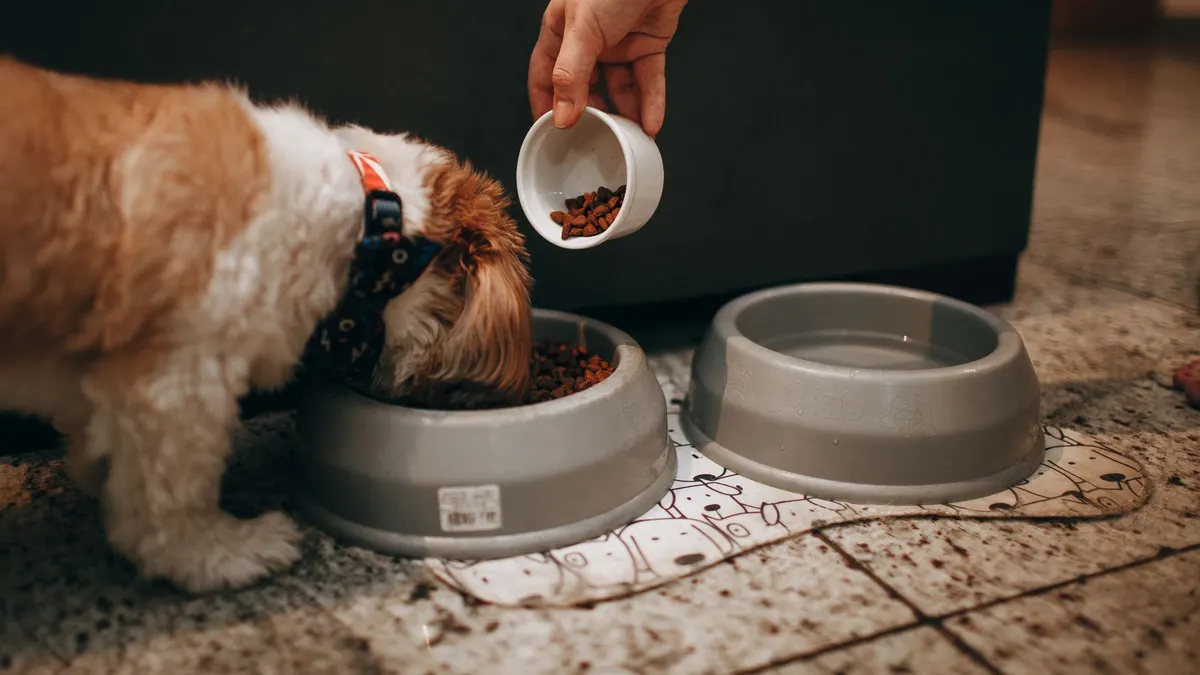
A simple senior feeding schedule gives older dogs more predictable mealtimes and makes appetite or digestive changes easier to notice.

Short, rewarding activities can provide engagement without overtaxing older dogs or worsening fatigue.
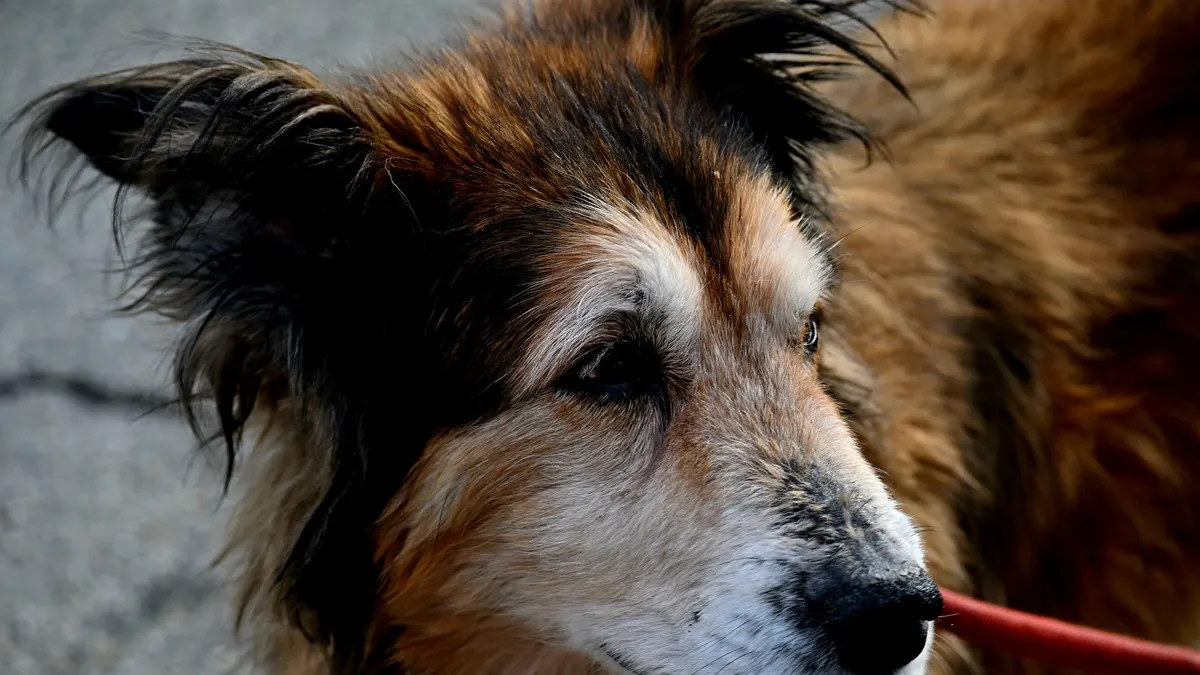
Predictability can reduce stress, support sleep, and help you notice meaningful changes in your dog’s daily pattern.

Mental engagement can still be worthwhile for senior dogs when the activities are calm, guided, and comfortable.
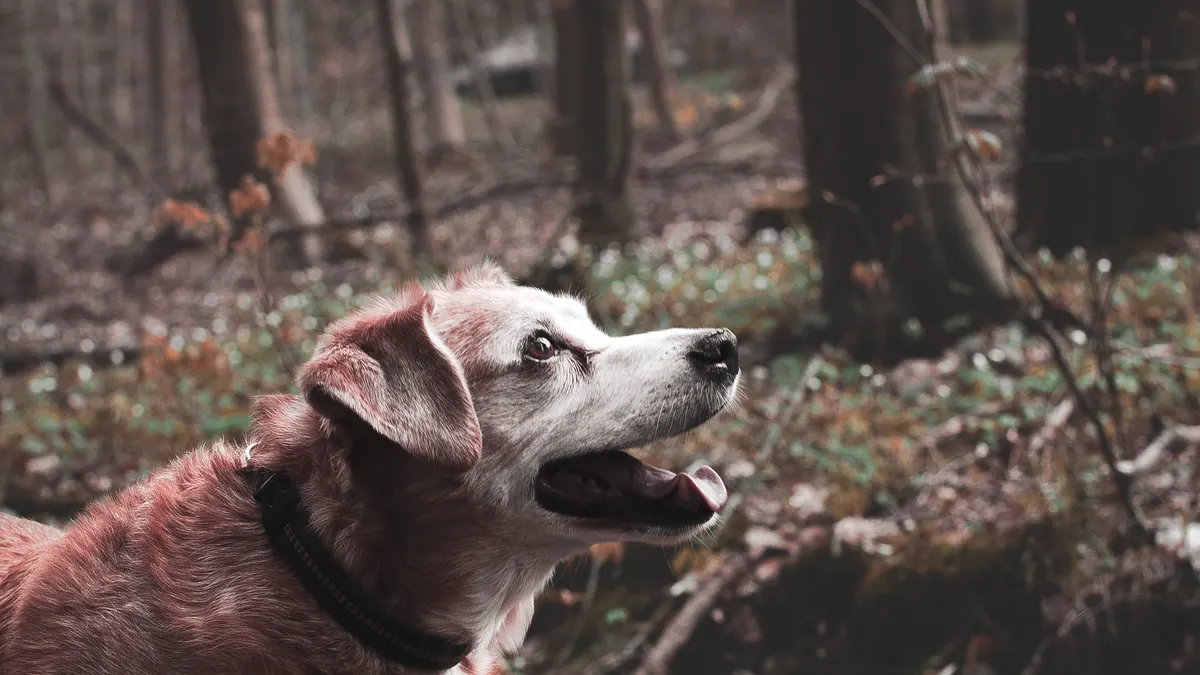
More nighttime barking may be linked to discomfort, alertness, confusion, or a noisy or stressful environment.
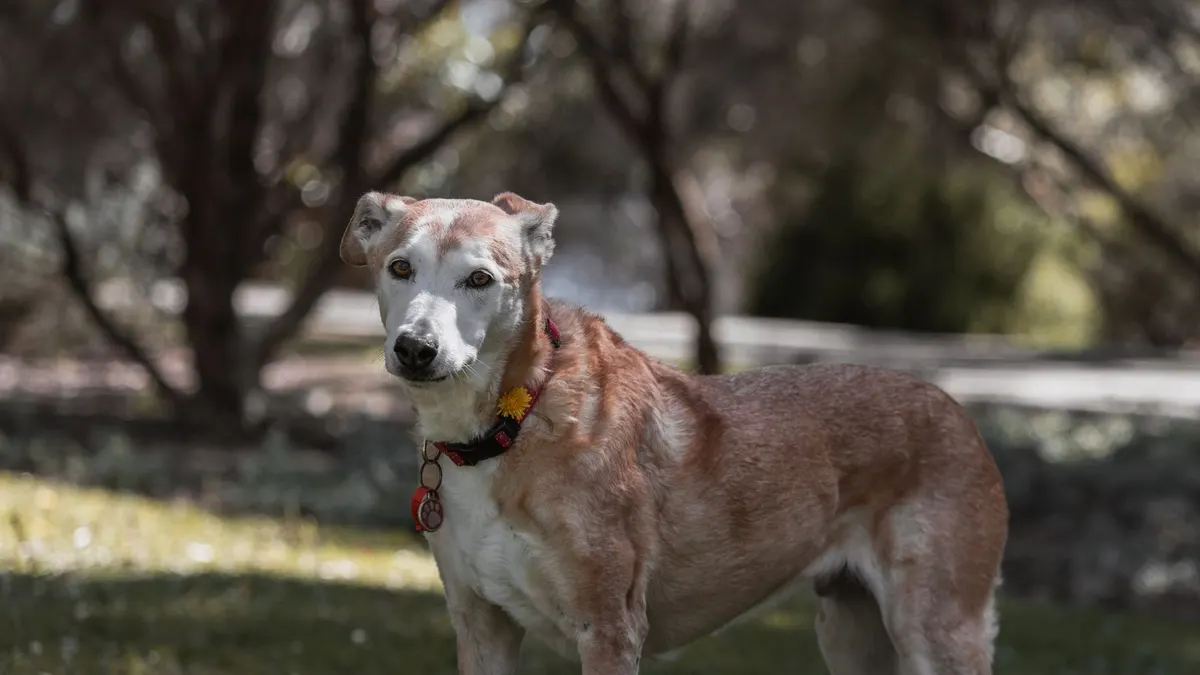
Confusion may be caused by cognitive changes, sensory shifts, pain, or environment. Learn how to gather useful information.
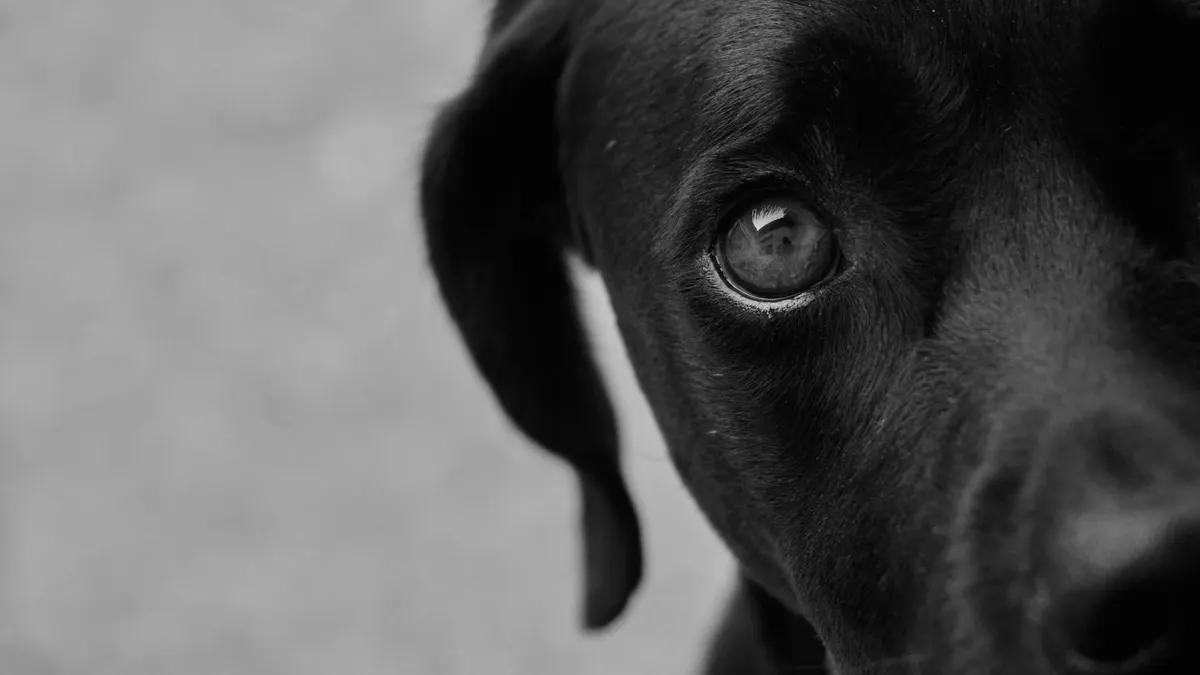
Nighttime pacing can reflect discomfort, stress, sleep disruption, or a change in routine. Look for patterns and triggers.

A sudden change in behavior may reflect comfort needs, stress, or a health issue. Learn how to read the pattern carefully.
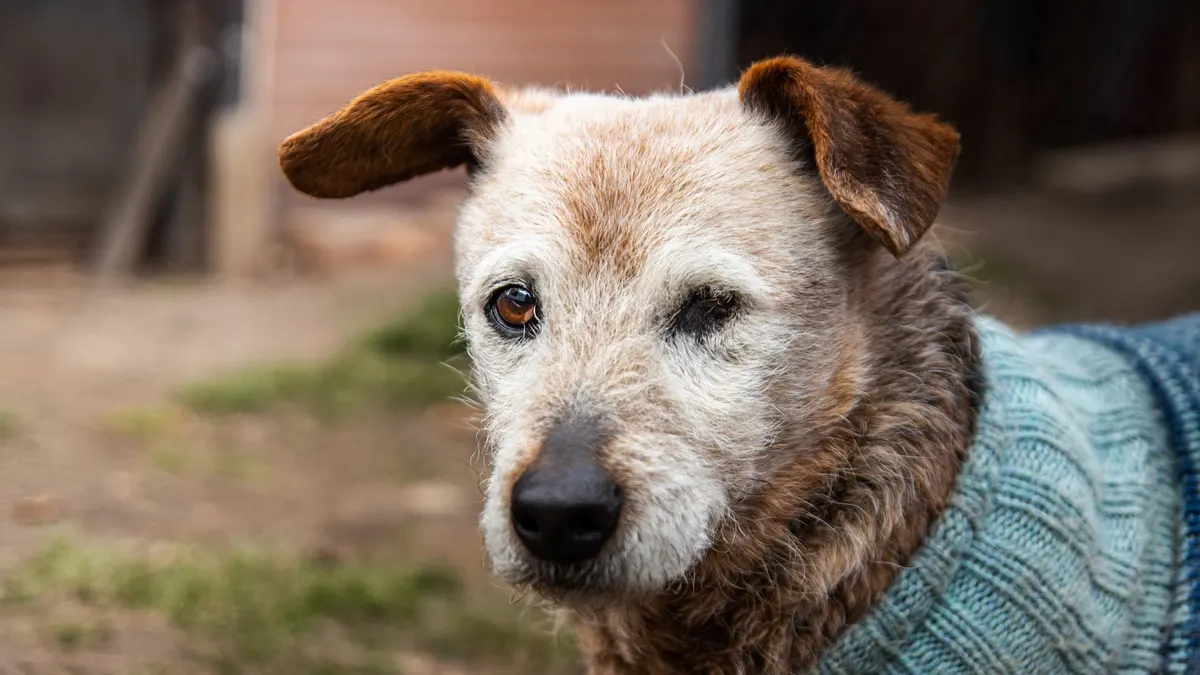
Choose a blanket that offers warmth without being too hot, too bulky, or difficult for your dog to move around on.
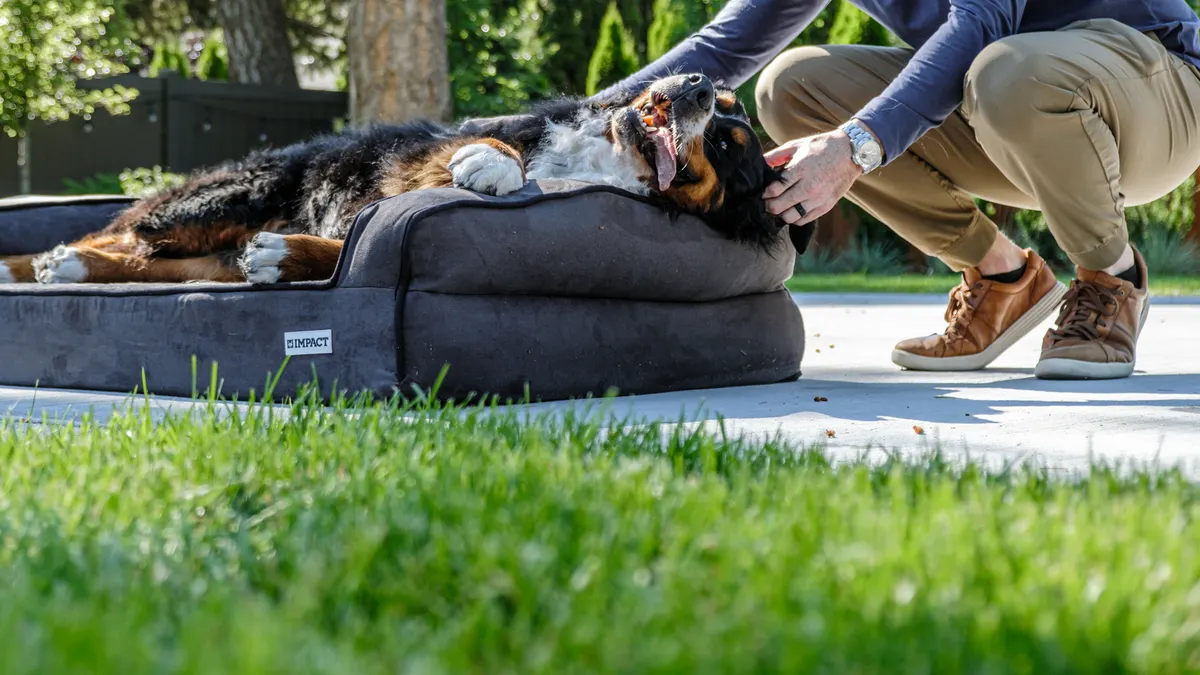
Cooling beds can help during heat waves or for dogs that rest heavily, but they should still be stable and easy to use.
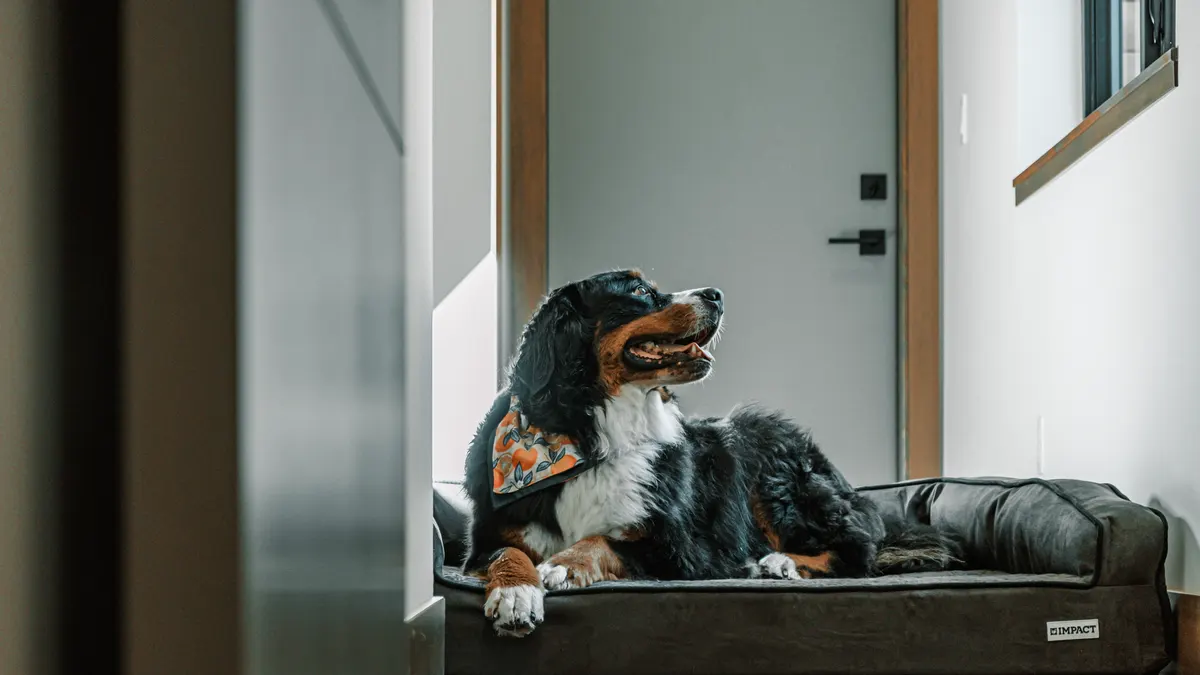
Supportive surfaces, lower entry points, and stable flooring can help dogs with arthritis sleep and rise more comfortably.
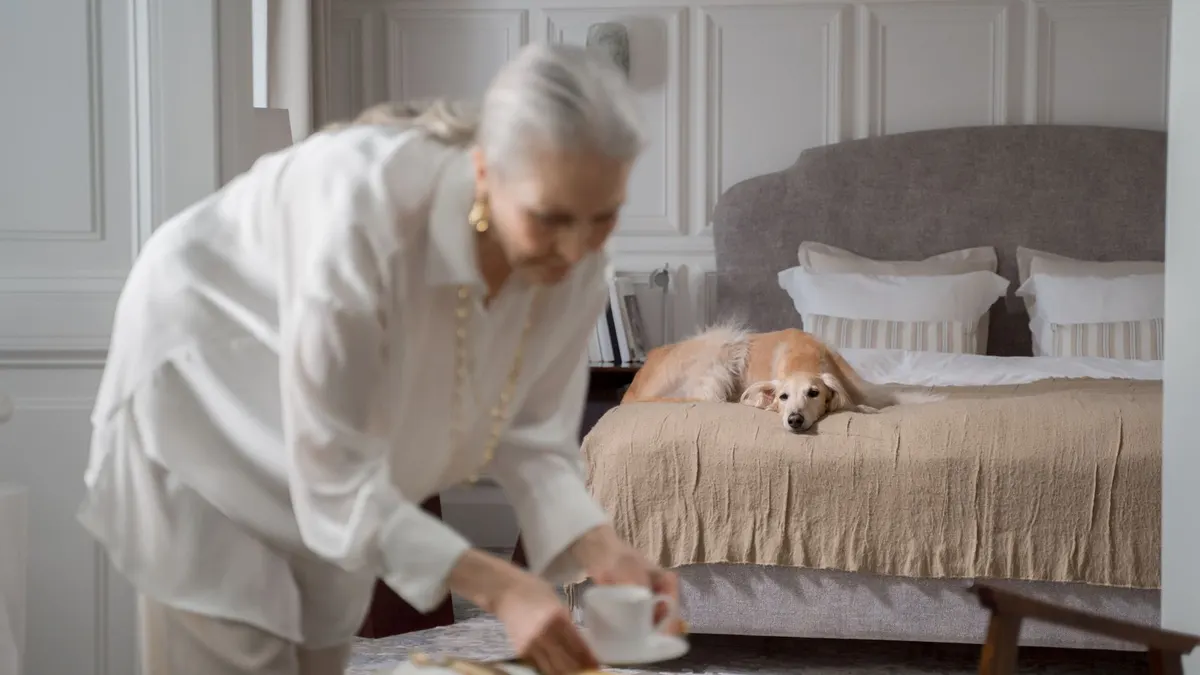
Find a senior dog bed that supports comfort, helps with entry and exit, and fits your dog’s daily sleeping habits.

Gentle stretching can support an older dog’s flexibility and comfort when it is slow, calm, and centered around the dog’s comfort level.

Prioritize support, pressure relief, easy access, and washable materials when choosing a bed for an aging dog.
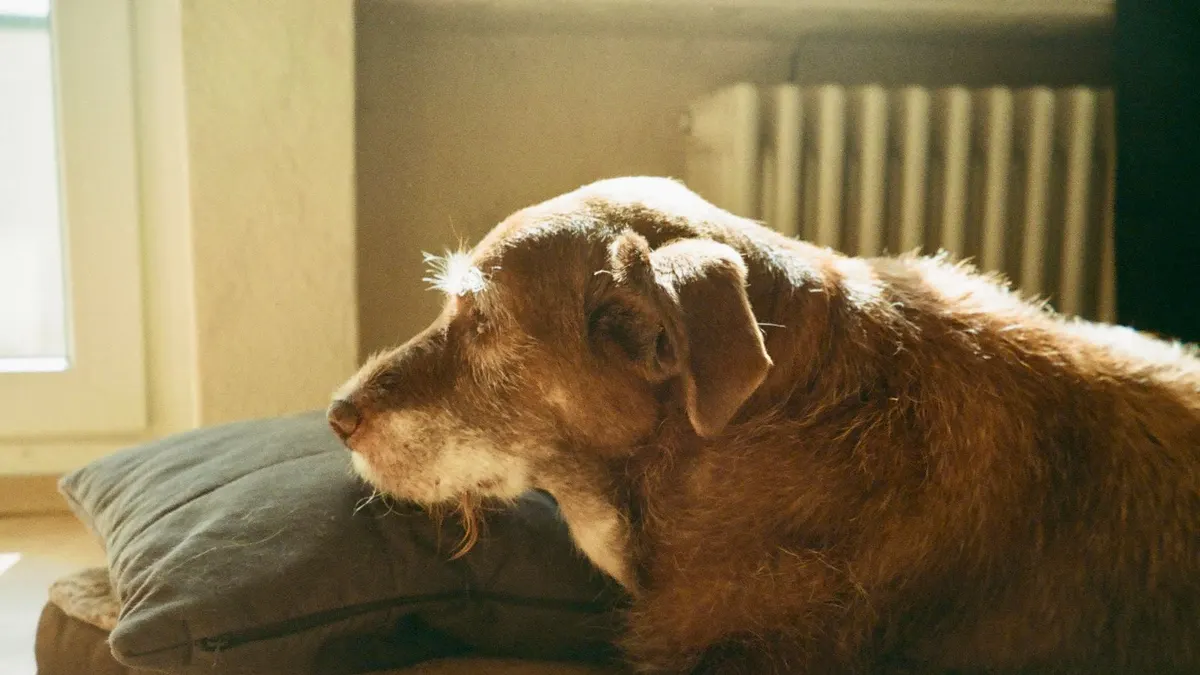
Summer heat can be harder on older dogs. Improve airflow, rest areas, and timing to help them stay comfortable.
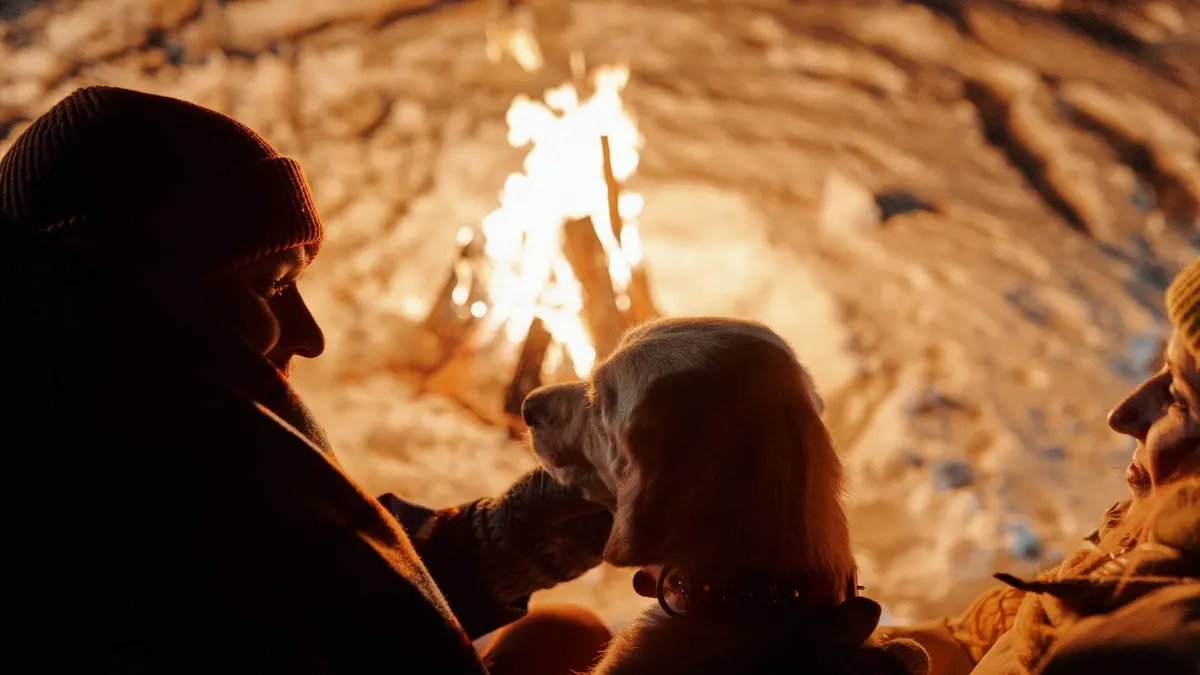
Warmth matters more for older dogs, especially those with arthritis or thinner coats. Learn what helps without overheating.

Small changes to bedding, temperature, lighting, and access can help older dogs settle more easily after dark.

Compare support, entry height, durability, and comfort to decide if an orthopedic bed is worth it for your senior dog.
Use a simple comfort review to spot stress, pain, poor rest, and daily changes before they become bigger problems.
Gentle massage can help some older dogs relax, but the right technique and boundaries matter for comfort and safety.
A senior dog often rests better when the sleeping area is warm, stable, and easy to get into without extra strain.
Stiffness after rest is common in older dogs, but it can also signal pain, reduced mobility, or a setup that is making the first movement harder than it should be.

Aging dogs often rest more. Learn when more sleep is normal and when it may signal pain, weakness, or a health change.
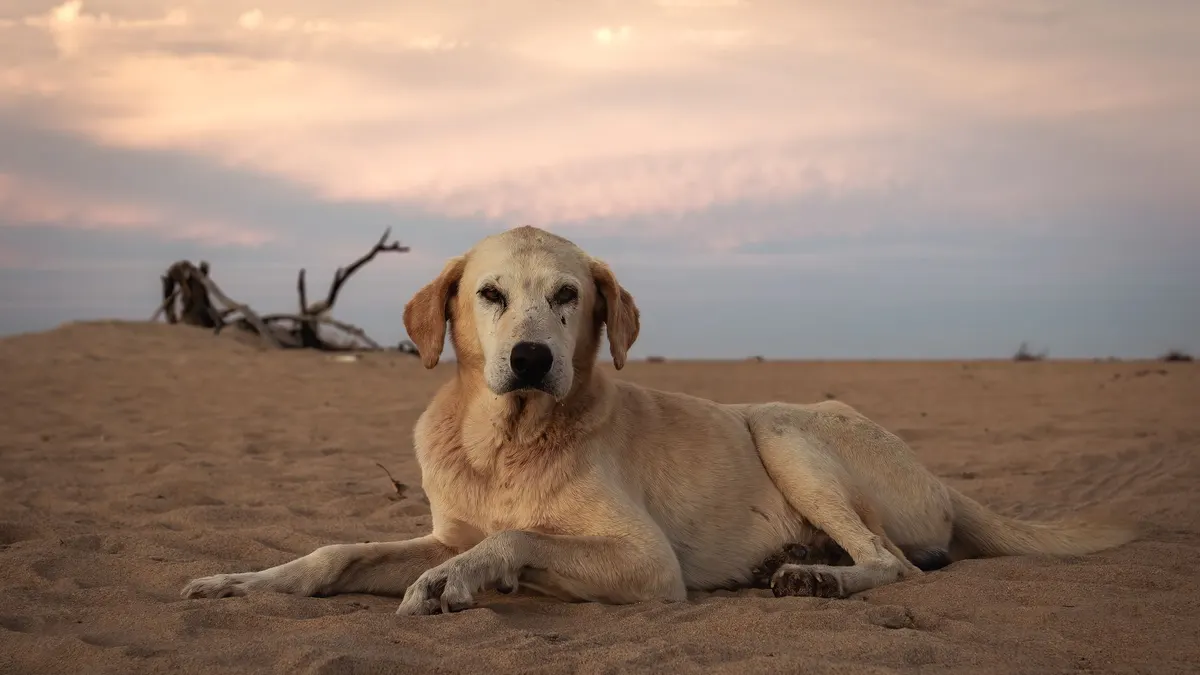
Nighttime restlessness in older dogs is often tied to discomfort, routine changes, temperature, or a sleep setup that is harder to settle into.

Find a realistic movement plan based on age, mobility, recovery, and your dog’s comfort level.
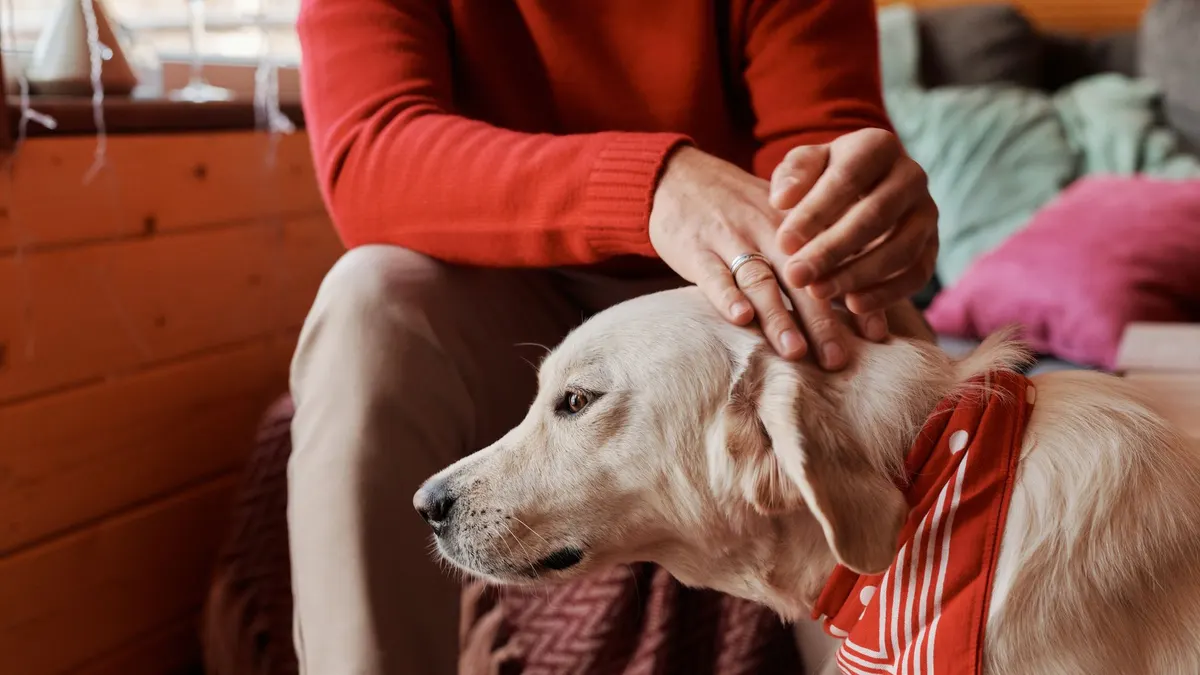
Create a calmer, easier daily environment with thoughtful rest spaces, traction, lighting, and gentle routines.

Estimate the real-world costs of senior dog care, including daily routines, mobility support, vet visits, and home adjustments.
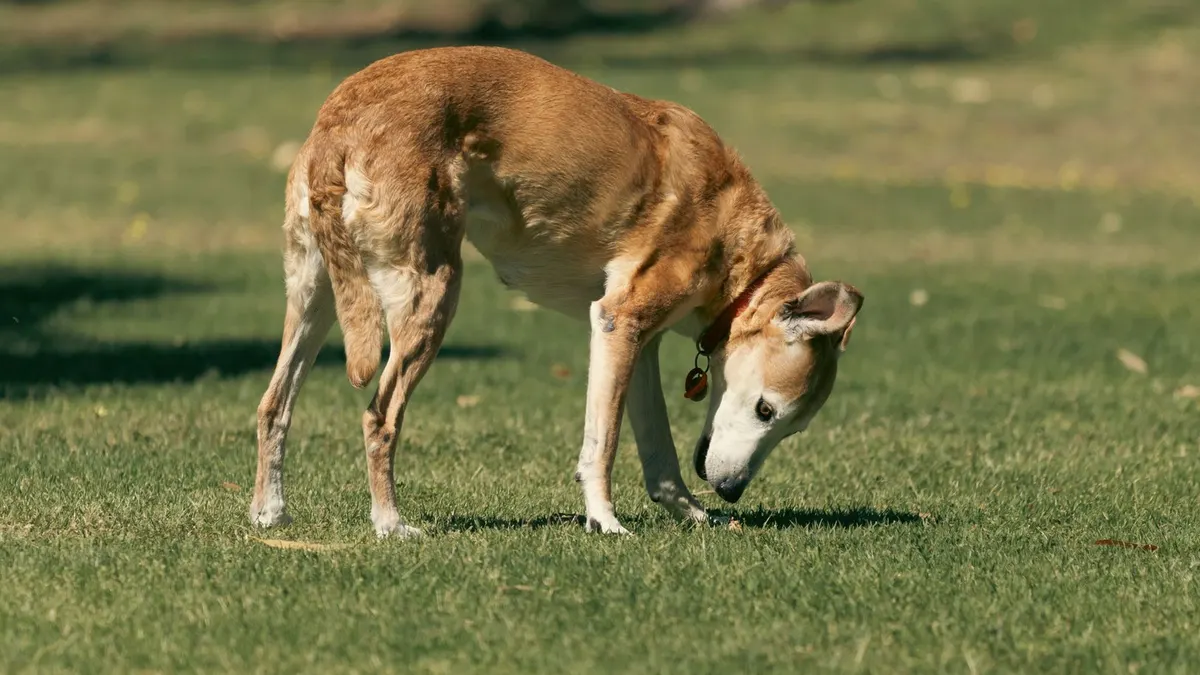
Use this checklist to review mobility, comfort, home safety, routines, and healthcare needs as your dog gets older.
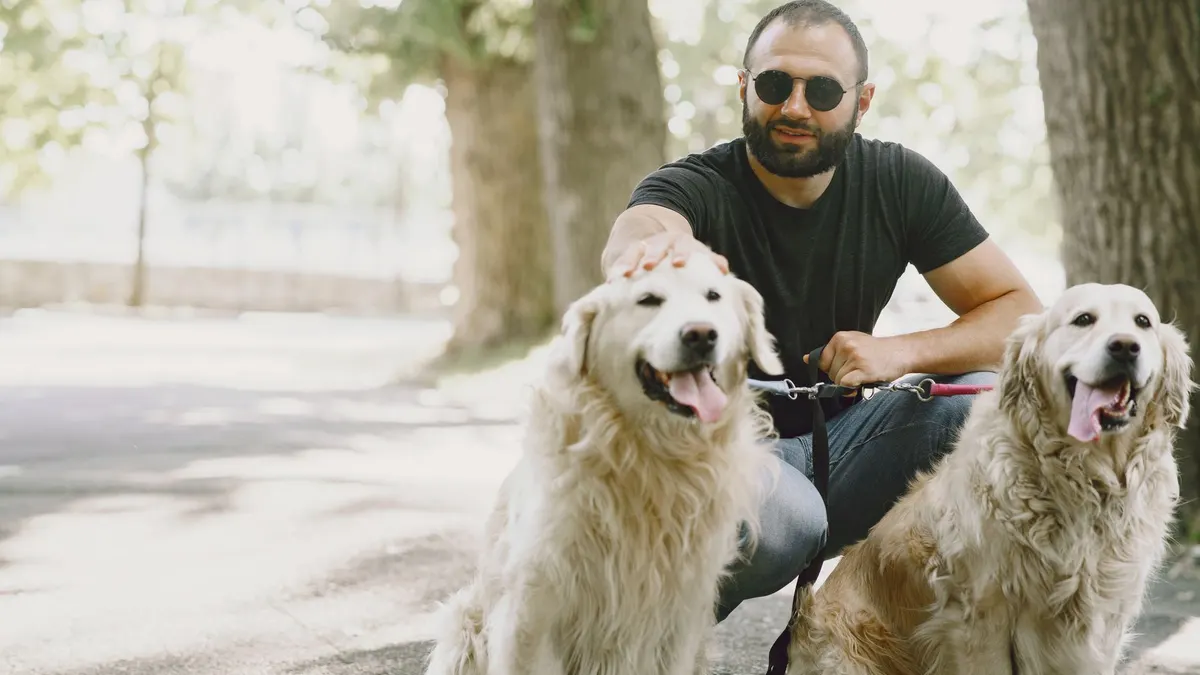
Use daily observations, comfort checks, and routine changes to support your older dog’s quality of life with confidence.
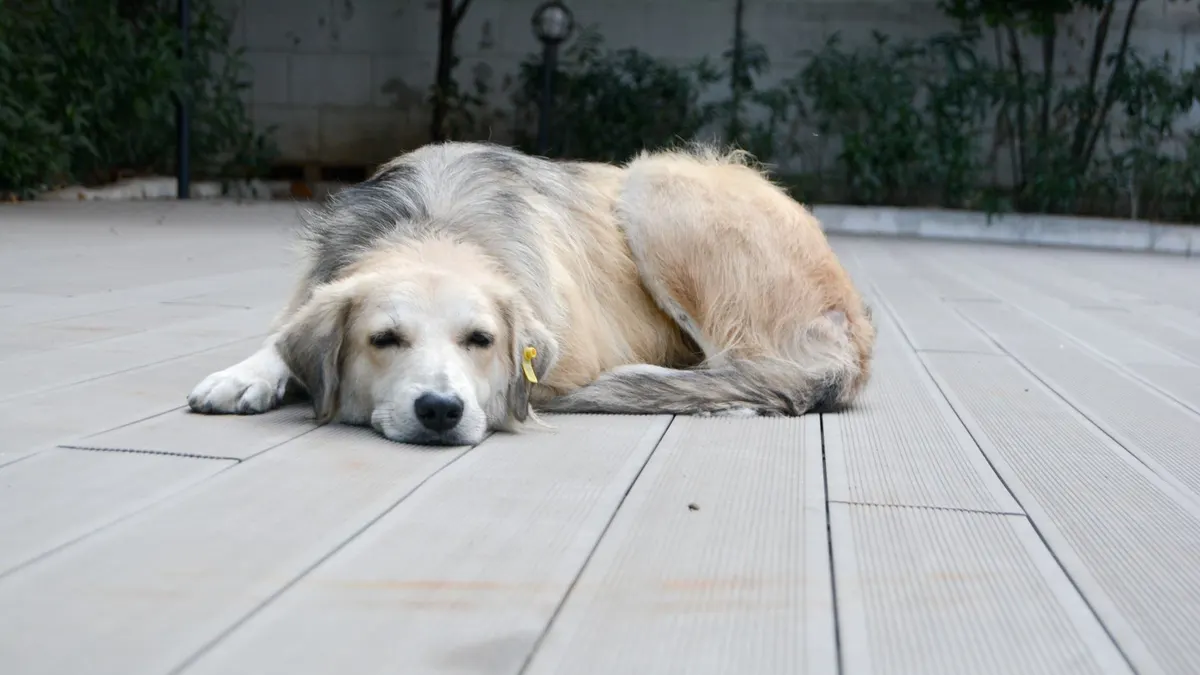
Spot the early signs of aging in dogs and make practical adjustments that improve comfort, safety, and daily well-being.
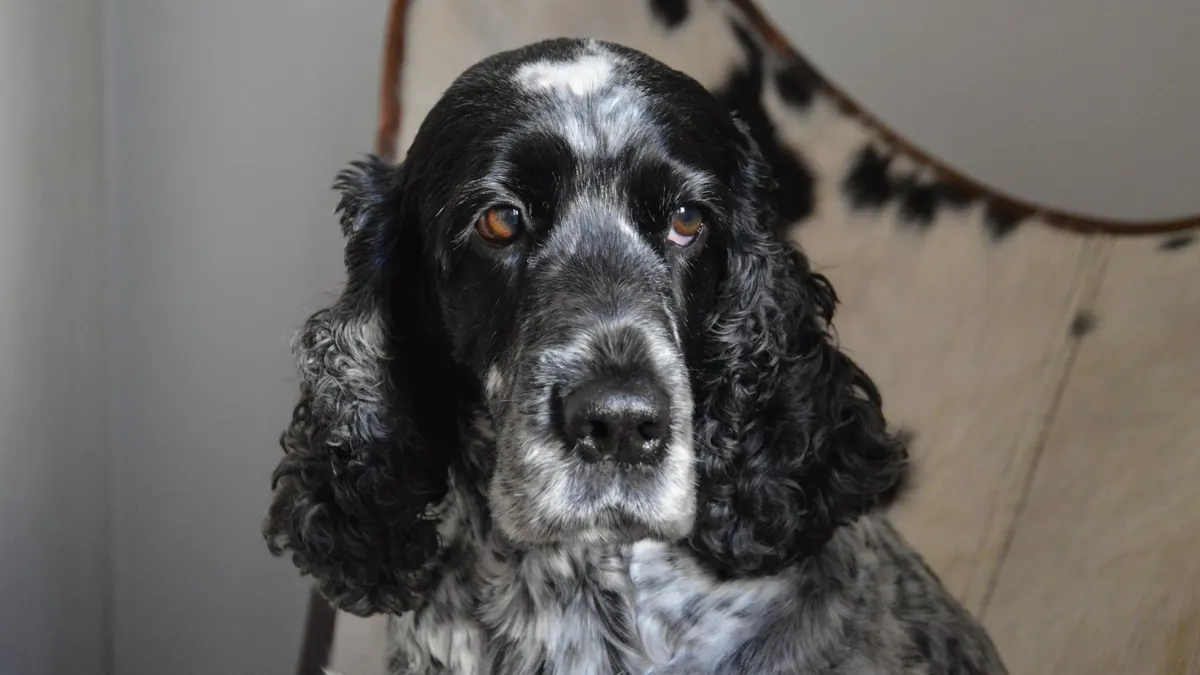
Learn how breed, size, and life stage affect when a dog becomes a senior and what changes to expect.
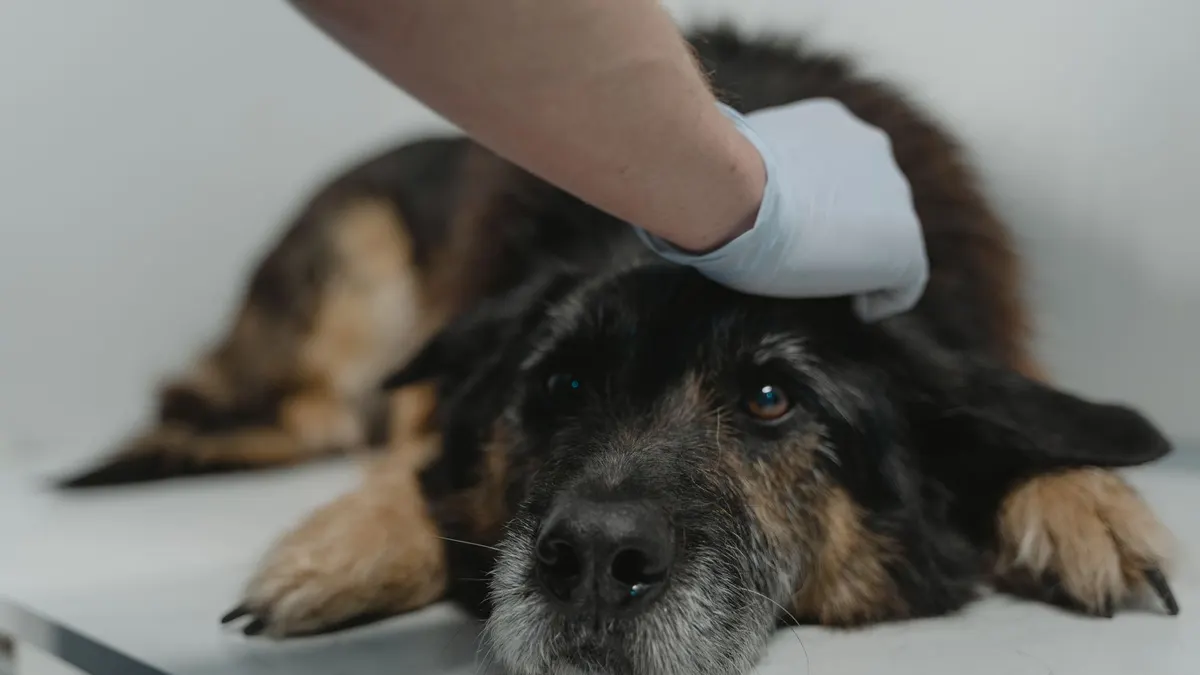
Routine vet visits help catch small changes early, especially when an older dog is slower, less steady, or less comfortable than usual.

Most senior dogs do not need frequent baths. A gentle schedule based on coat, skin, and mobility usually works better than a strict routine.
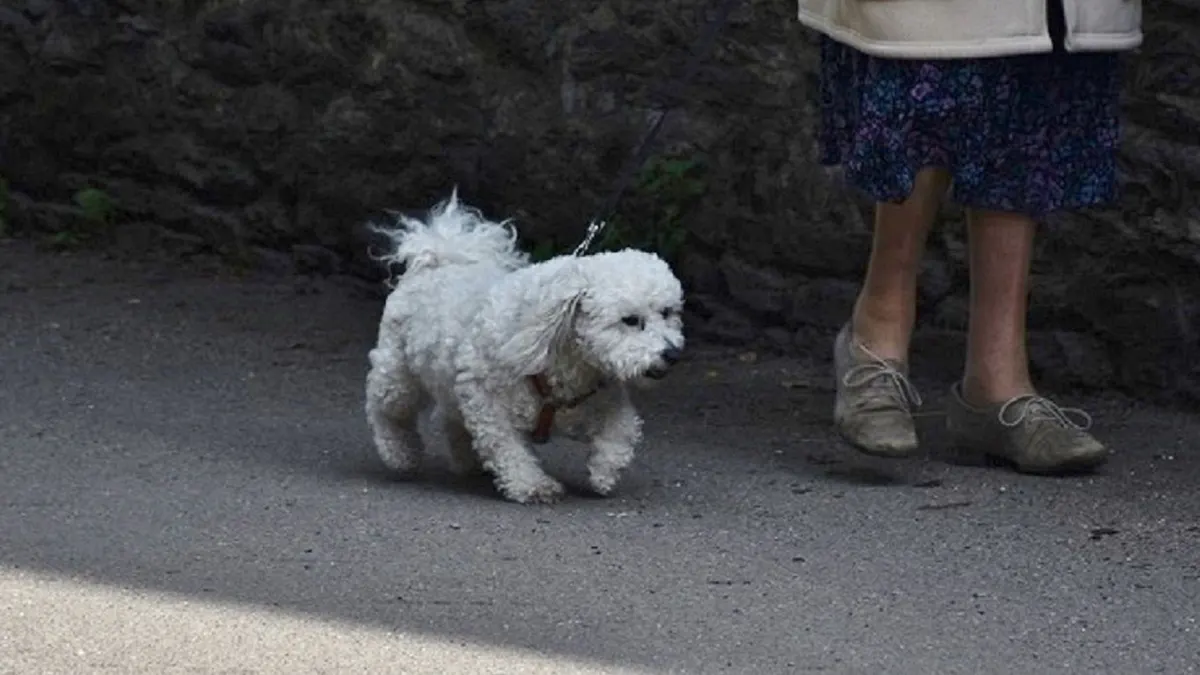
A senior dog usually does best with shorter, gentler walks and a routine that matches comfort, not a one-size-fits-all target.

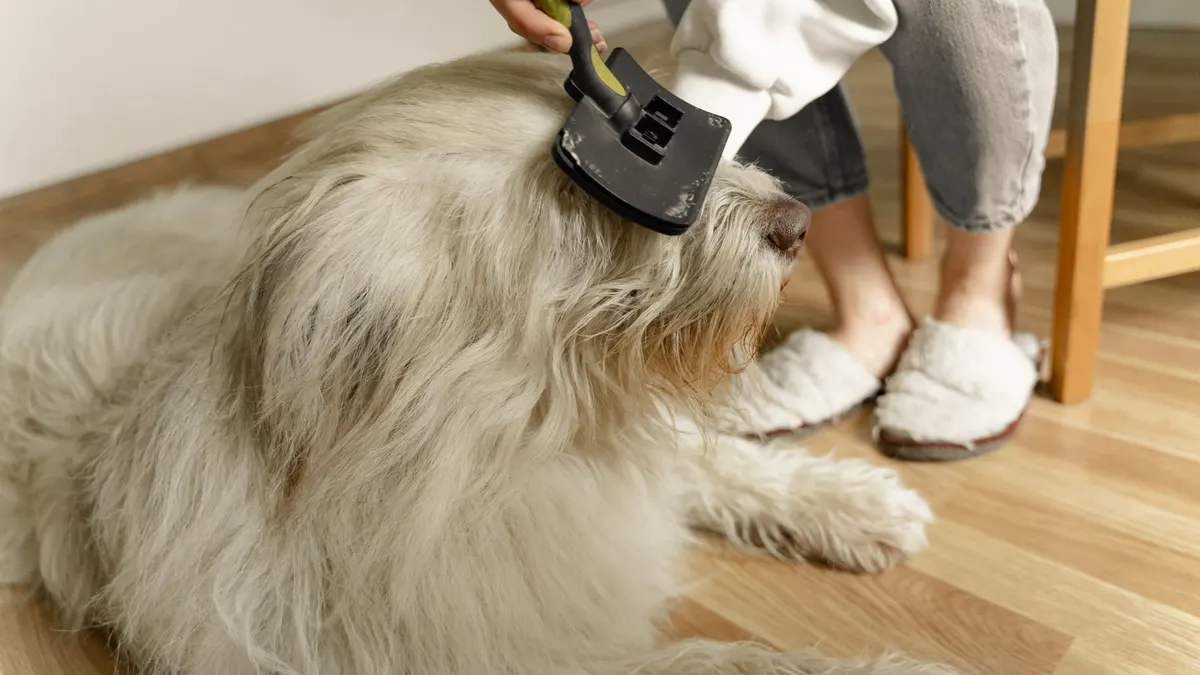
A patient, step-by-step brushing routine often works much better for senior dogs than a long or rushed session.
Use short sessions, secure footing, and a slower pace to keep grooming manageable for dogs with limited stamina.
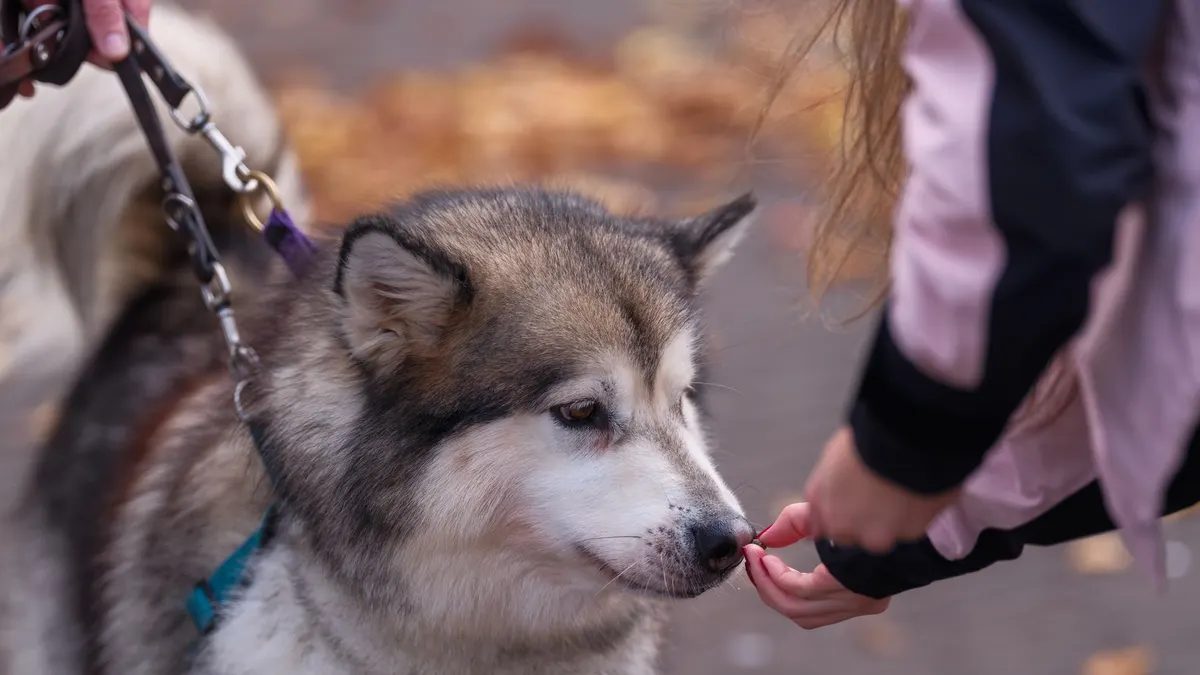
Turn medication time into a calmer routine with gradual handling, a supportive setup, and clear communication with your veterinarian.
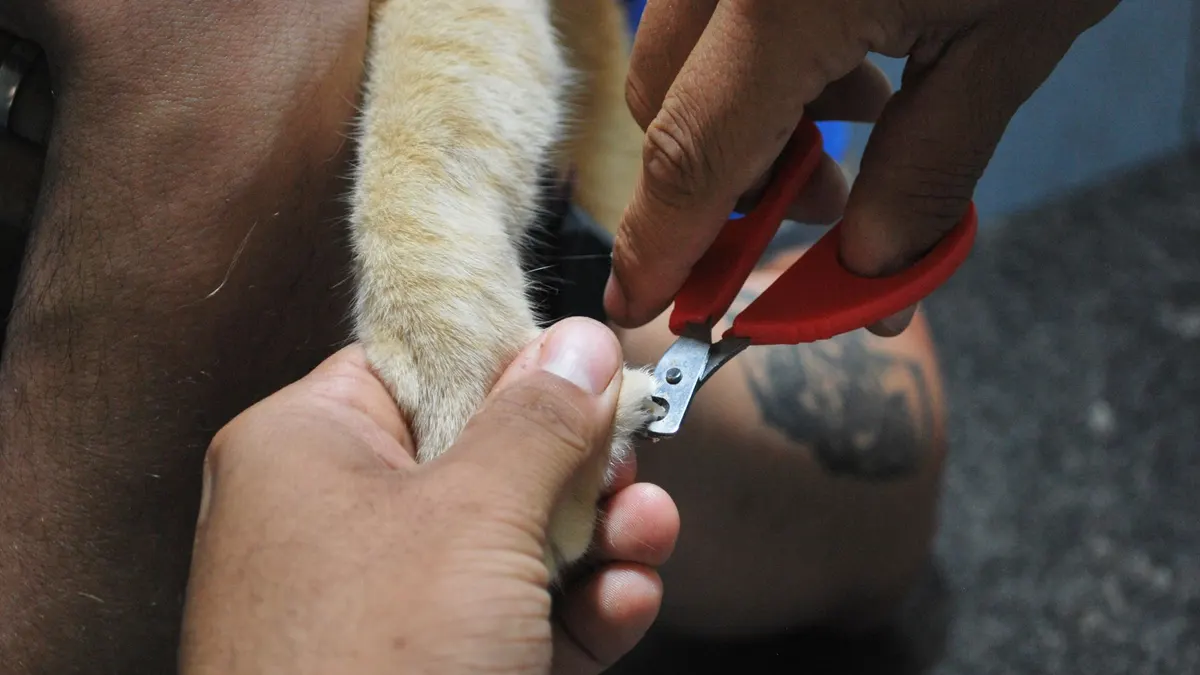
A few calm, short nail trims are often easier and safer for senior dogs than one rushed, stressful session.

Track movement, appetite, rest, grooming, and household routines to notice meaningful patterns early.
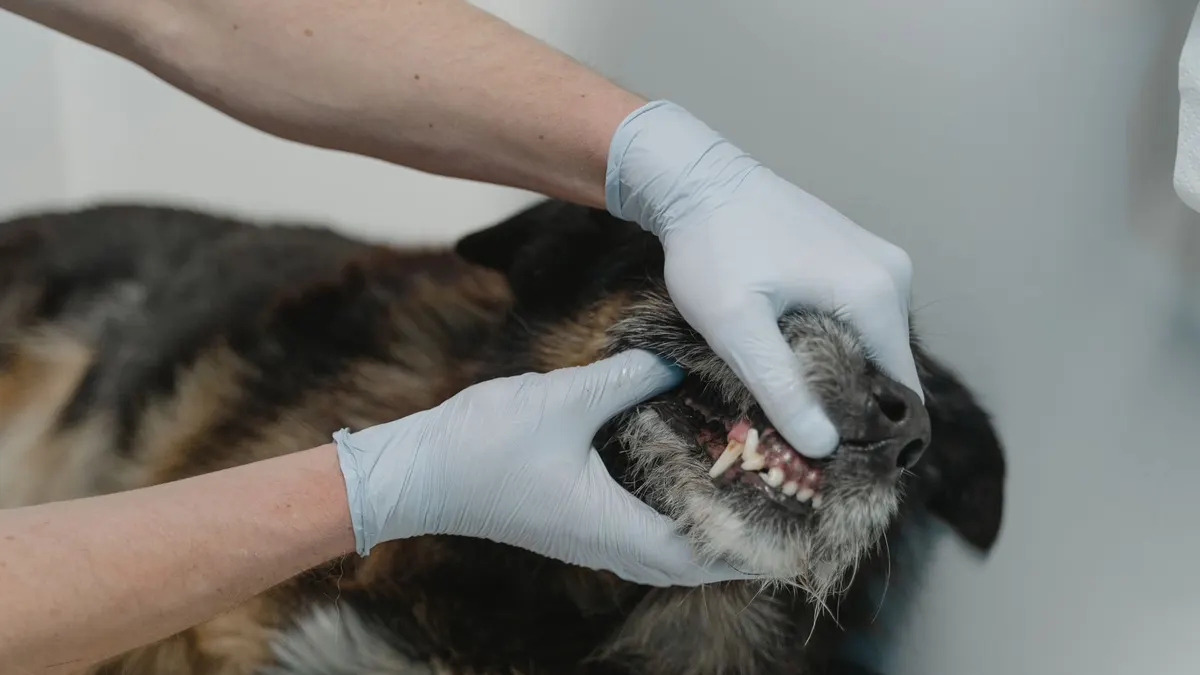
A senior dog often tolerates dental care best when it happens slowly, calmly, and with the right tools for the dog’s comfort.

A senior dog often eats more comfortably when the feeding spot is stable, the routine is predictable, and the dog is not rushed.
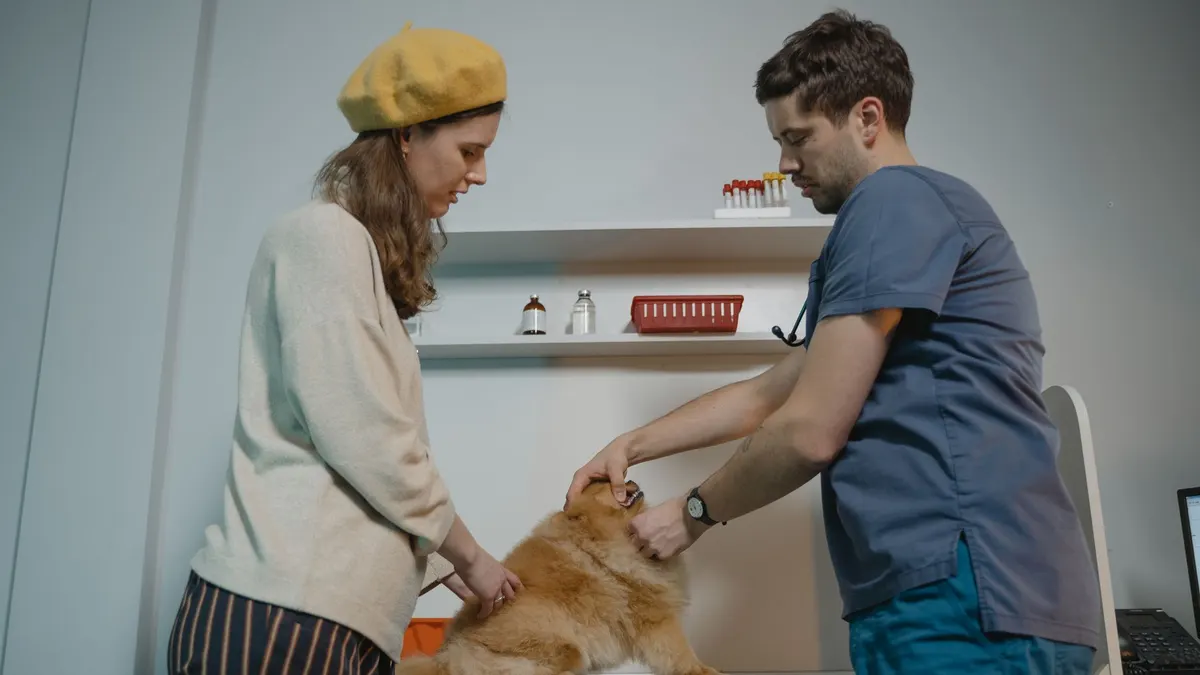
A consistent medication routine reduces stress for both the dog and the caregiver, especially when senior dogs need daily or periodic treatment.
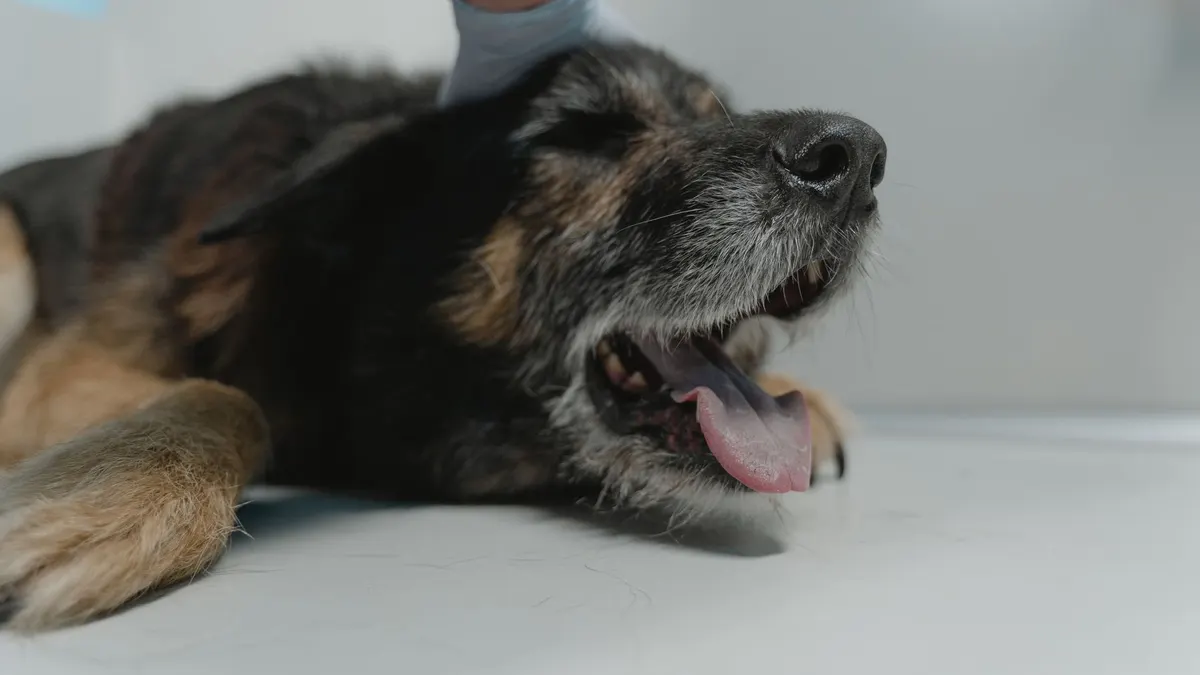
Know what questions, tests, and observations are typical during a senior dog wellness exam and how to prepare.
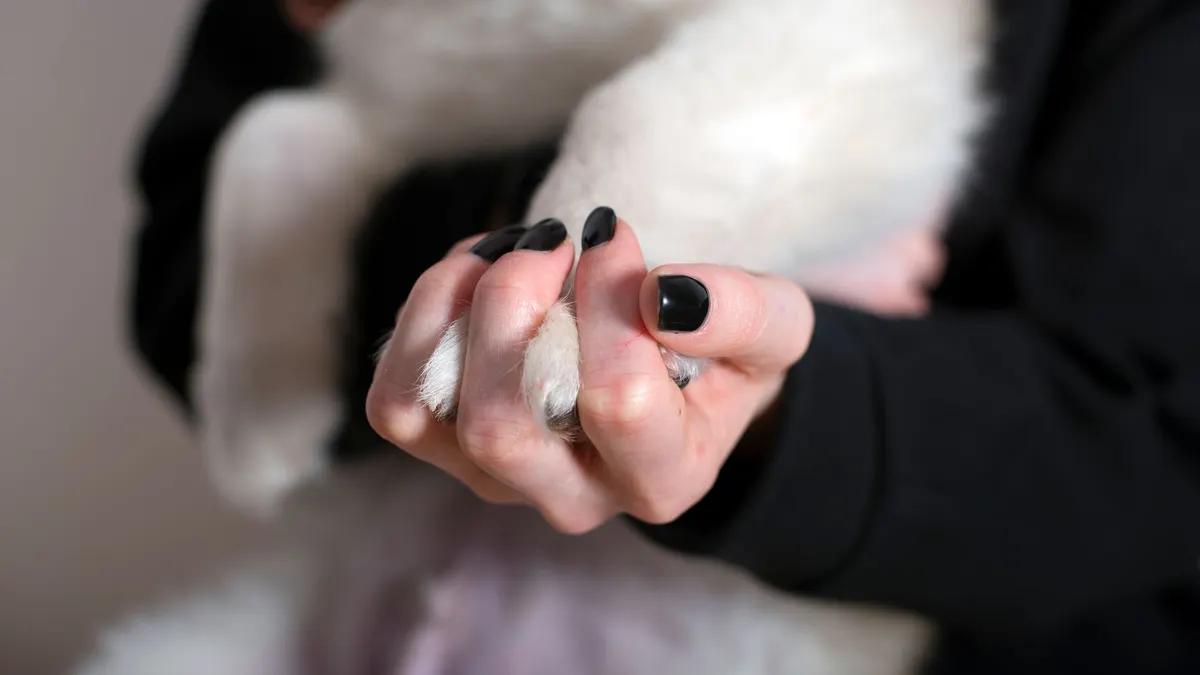
Long nails can become uncomfortable and affect walking. Learn what can make regular trims harder and how to simplify the routine.
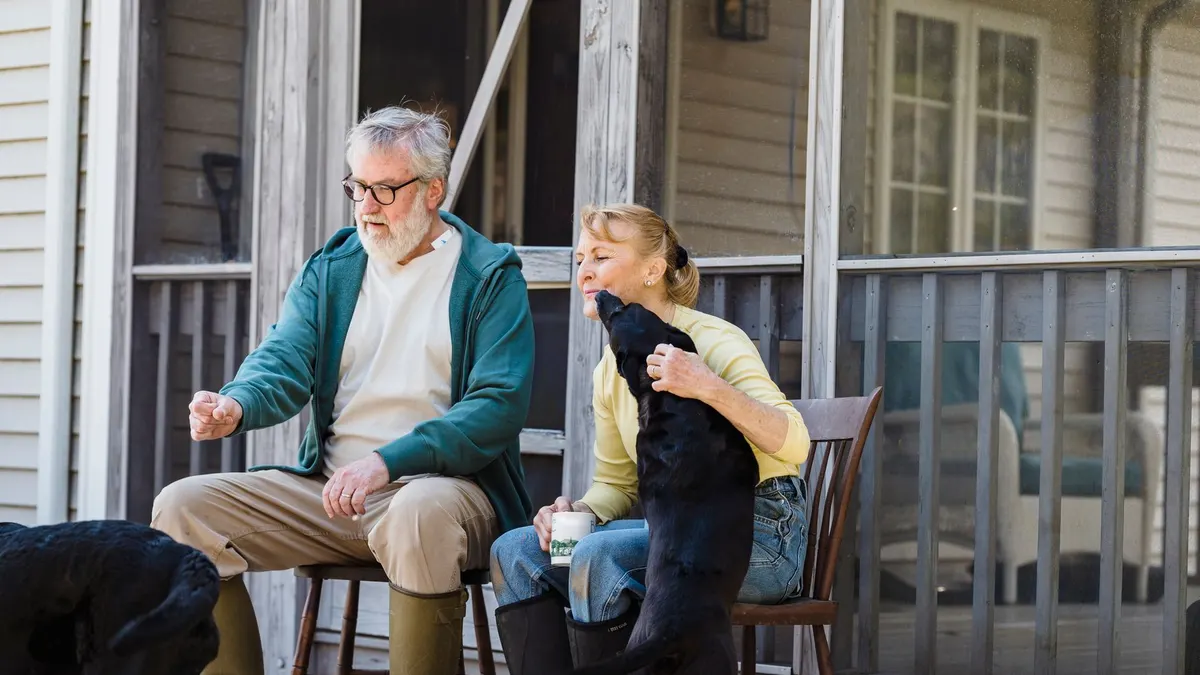
A good gate for a senior dog makes daily movement easier, reduces household confusion, and gives you a simple way to set boundaries without creating new barriers.
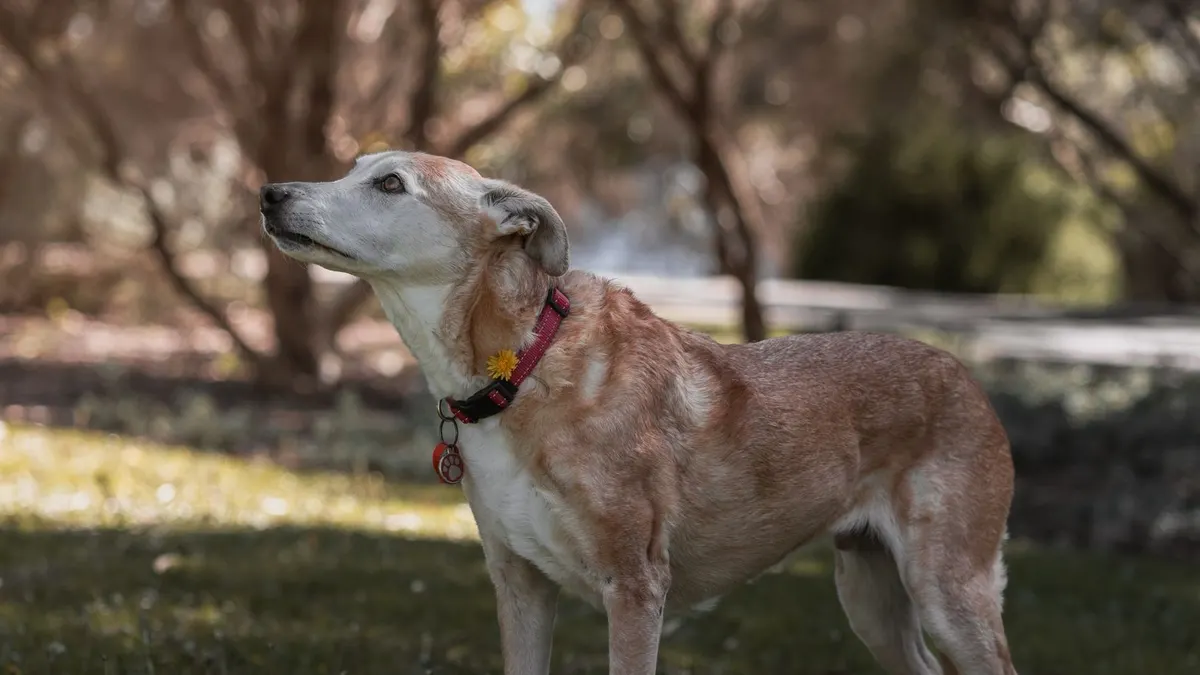
A soft night light can make nighttime movement much easier for a senior dog by improving visibility without creating glare or stress.
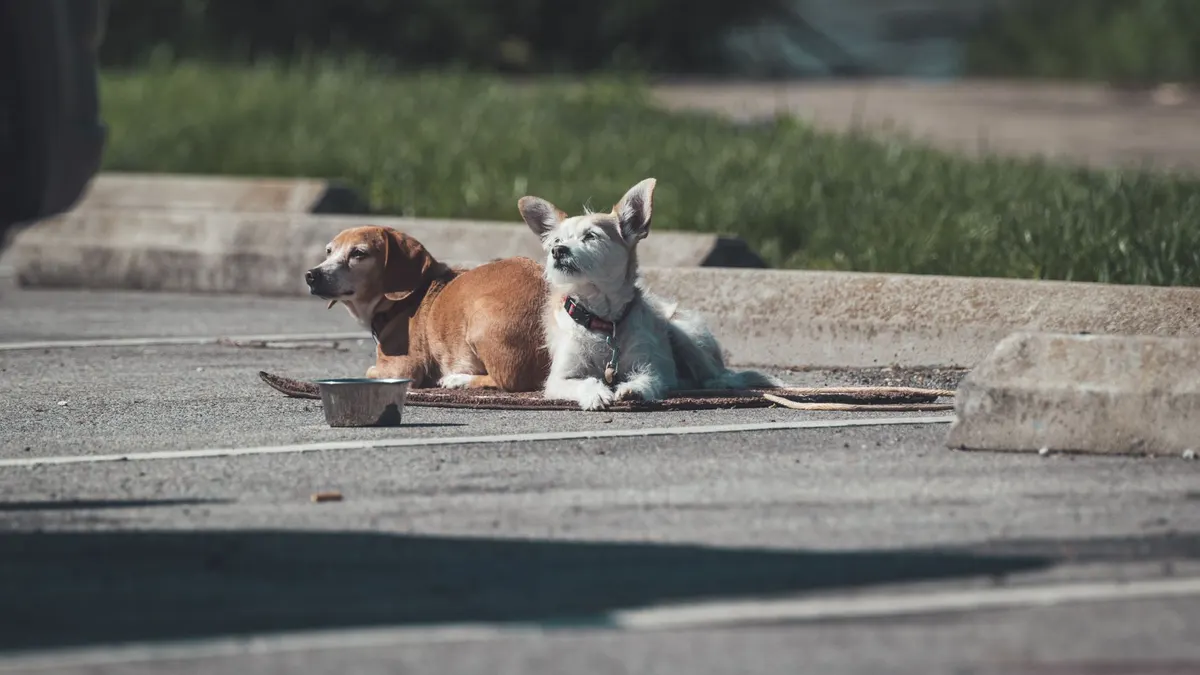
A stable, low-profile bowl can make meals easier for older dogs by reducing spills, wobbling, and extra strain during feeding time.
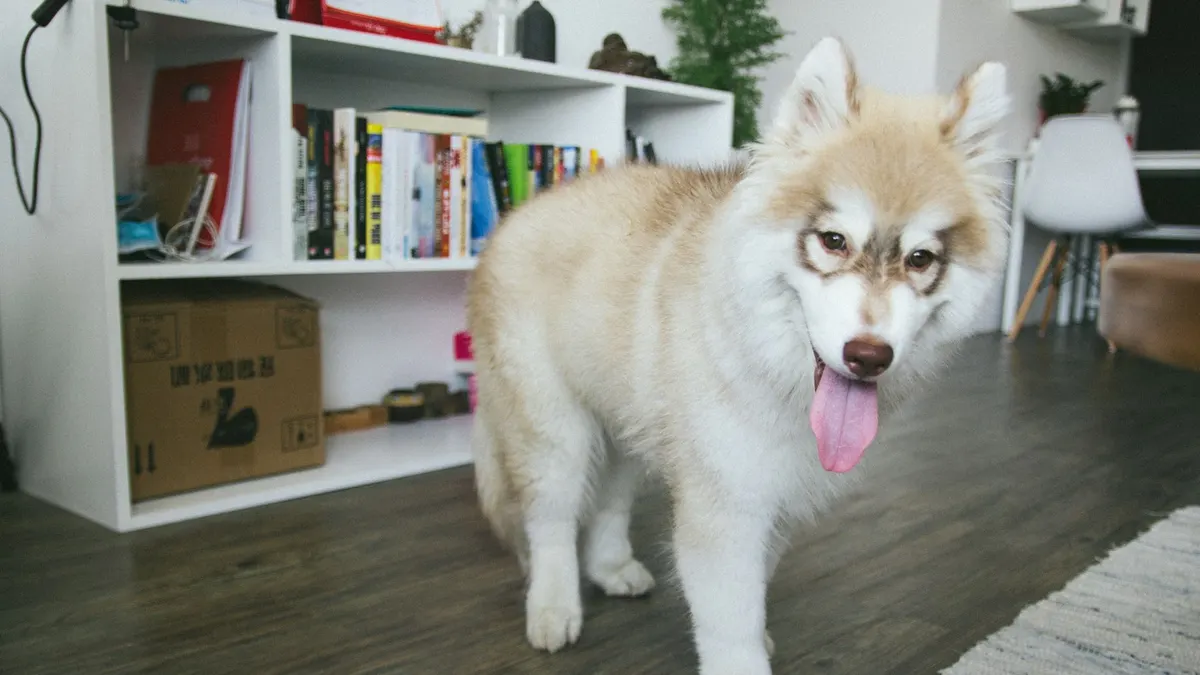
A good rug for a senior dog adds grip where it matters most without creating a new obstacle or bunching underfoot.
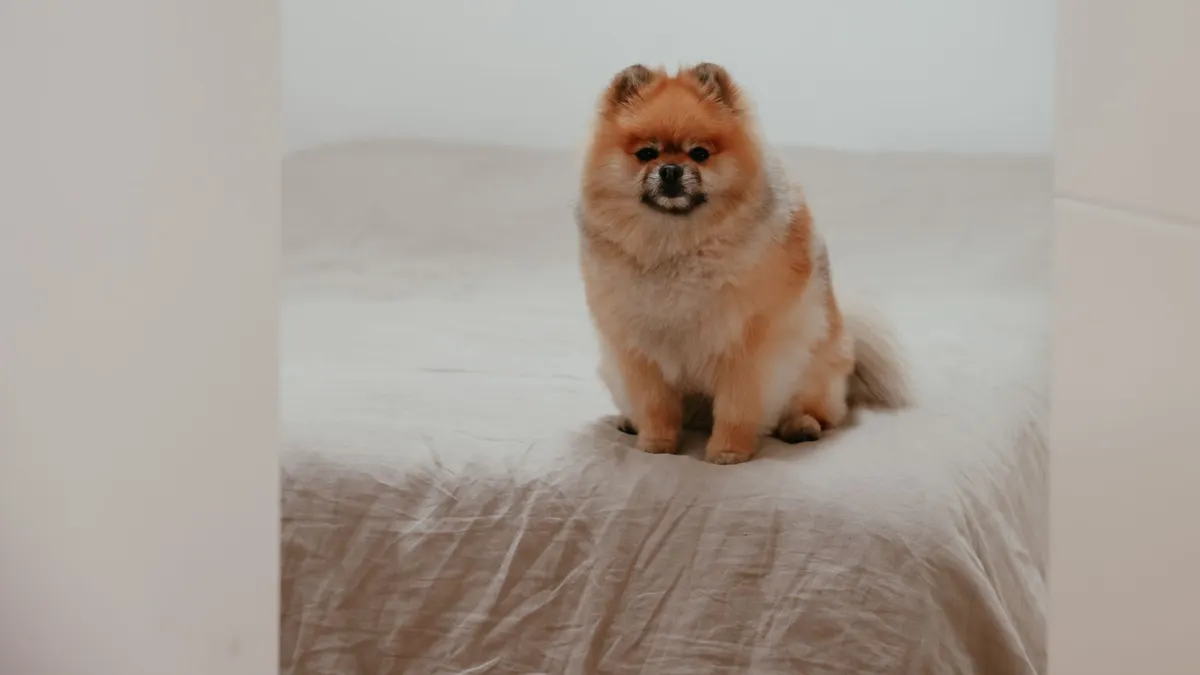
A comfortable sleep zone for an older dog should reduce climbing, slips, and confusion while offering a calm place to rest.

Senior dogs often navigate the house at night more confidently when the path is clear, the lighting is gentle, and the layout feels predictable.
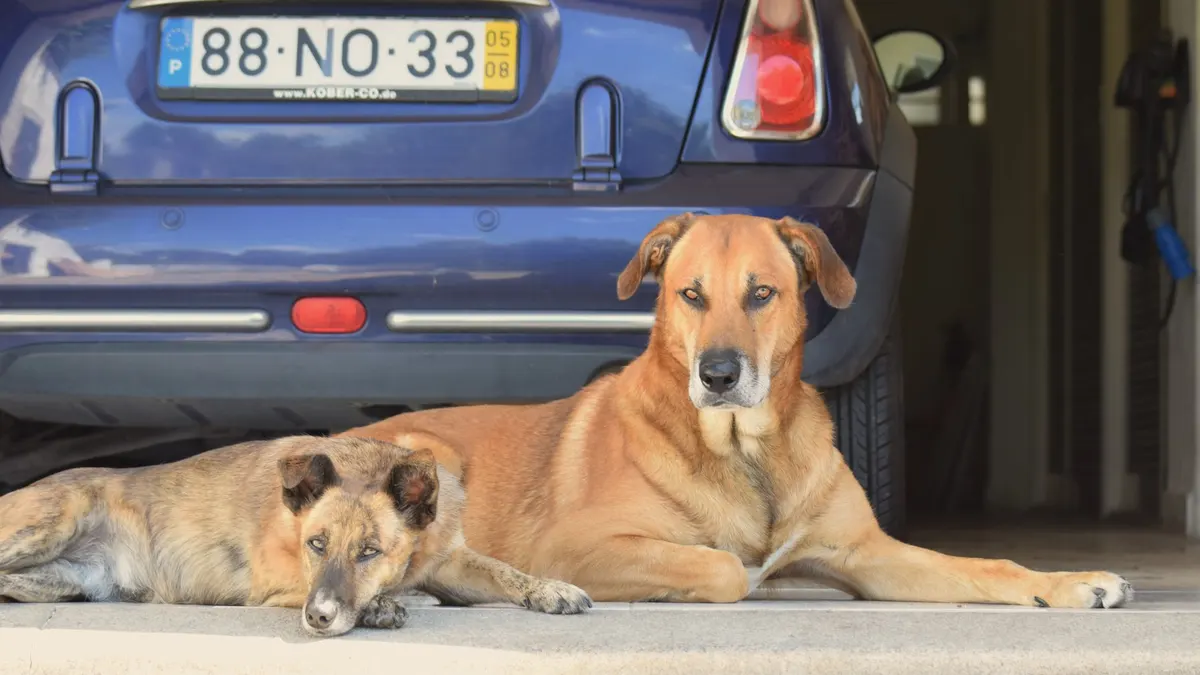
A calm, low-strain setup can make car entry feel much less intimidating for an older dog and reduce the risk of slips or sudden strain.

A few simple changes to the feeding area can make meals and hydration easier, calmer, and less stressful for an older dog.
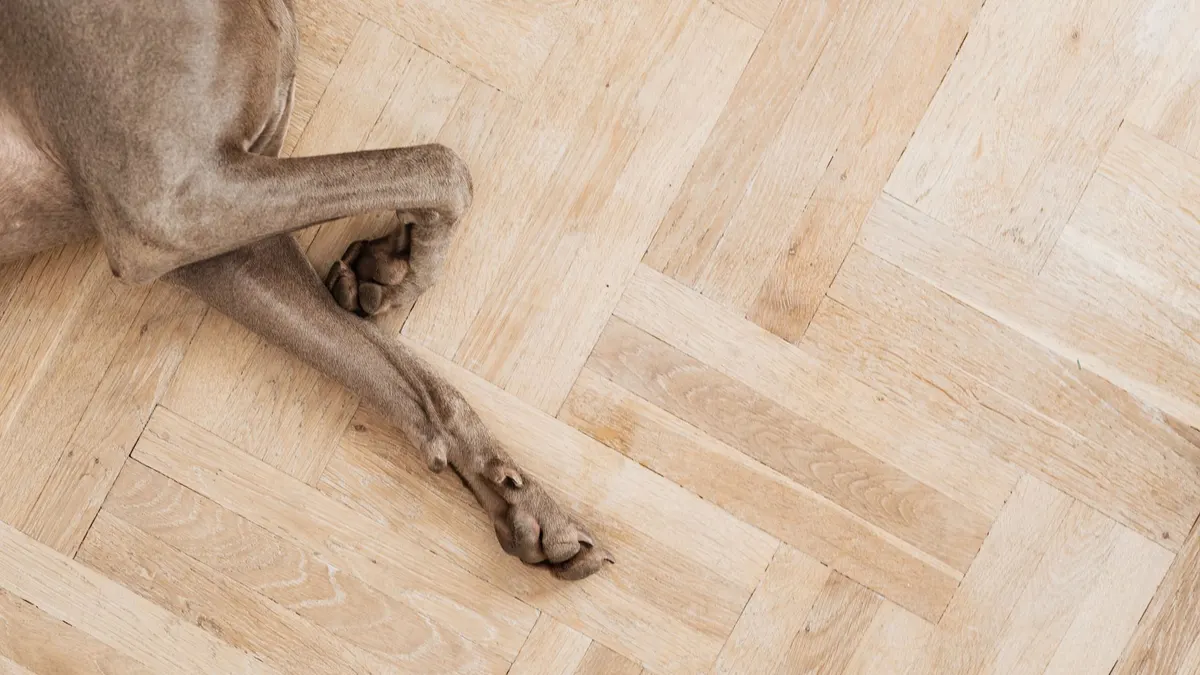
Hardwood floors can feel slick and stressful for older dogs, but a few simple changes can make walking routes much easier and safer.
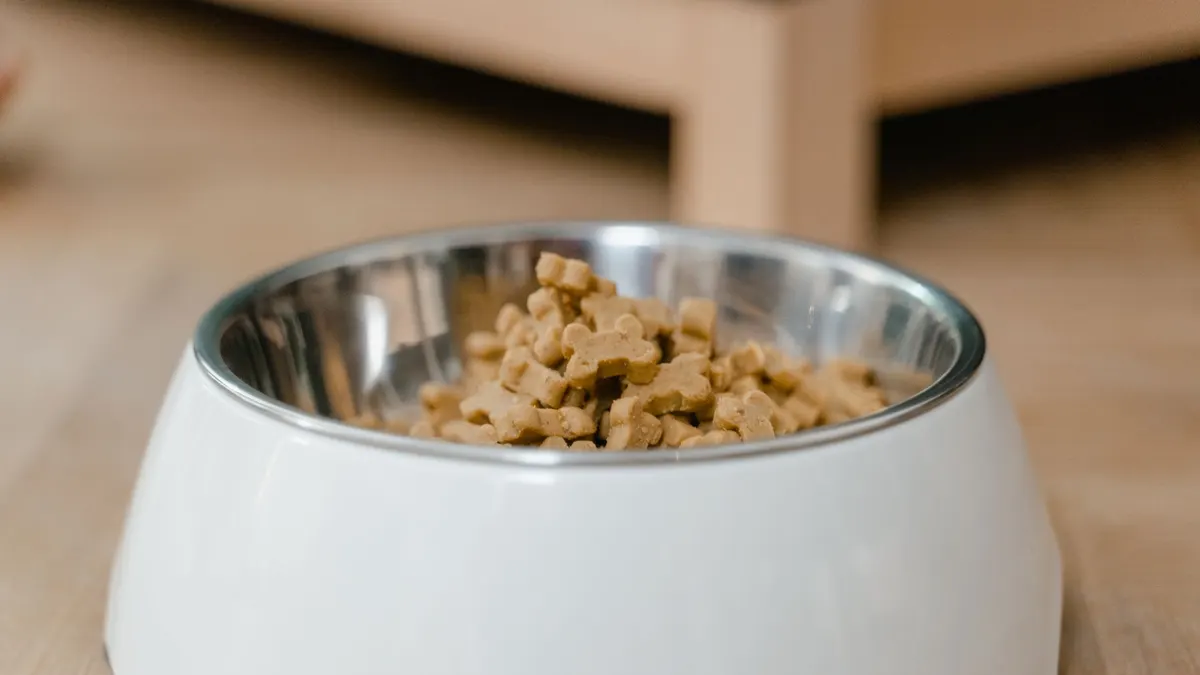
The best bowl height for an older dog depends on comfort, posture, and how easily the dog can eat without strain or awkward movement.
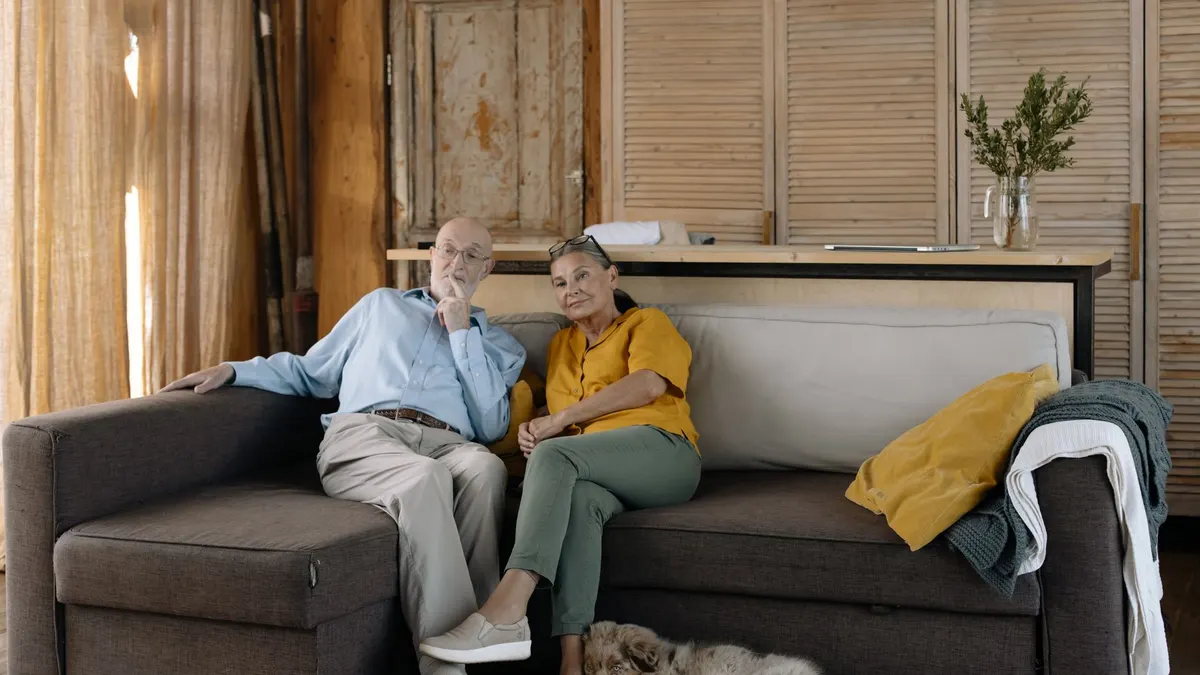
Walk through the home one room at a time to spot friction points, hazards, and comfort improvements for older dogs.
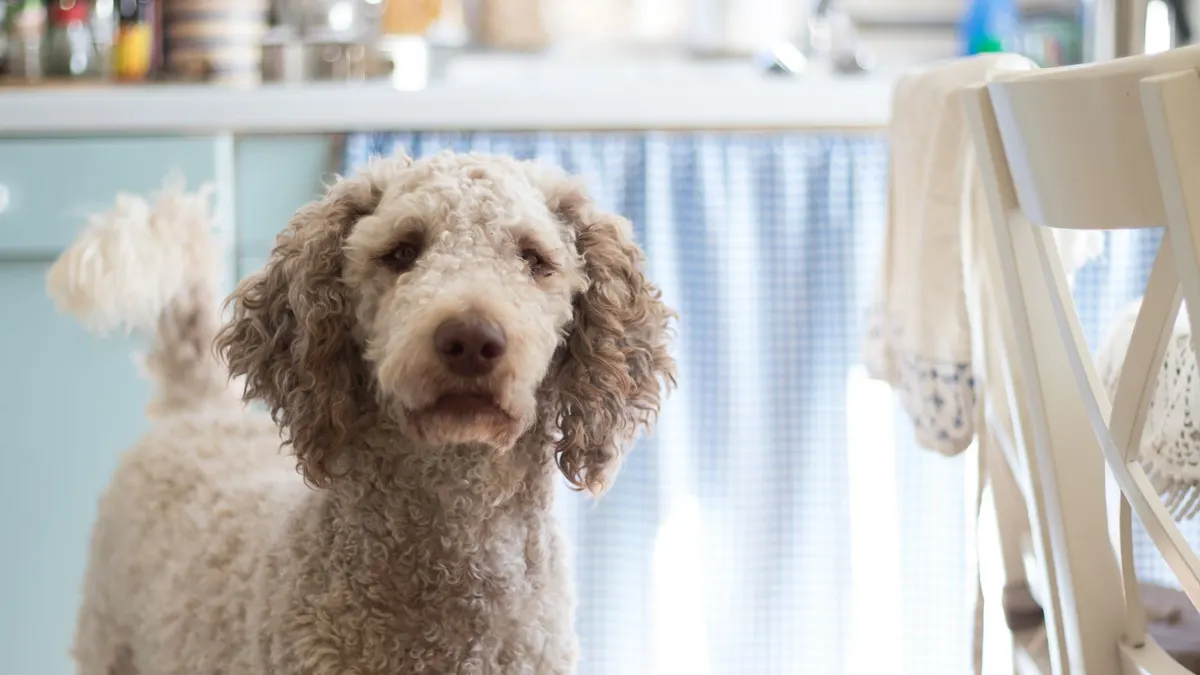
A senior dog often feels more comfortable in a kitchen when feeding areas are predictable, non-slip, and easy to navigate without strain.

Choose a stair solution that works for your dog’s size, confidence, and home setup while reducing strain and slips.
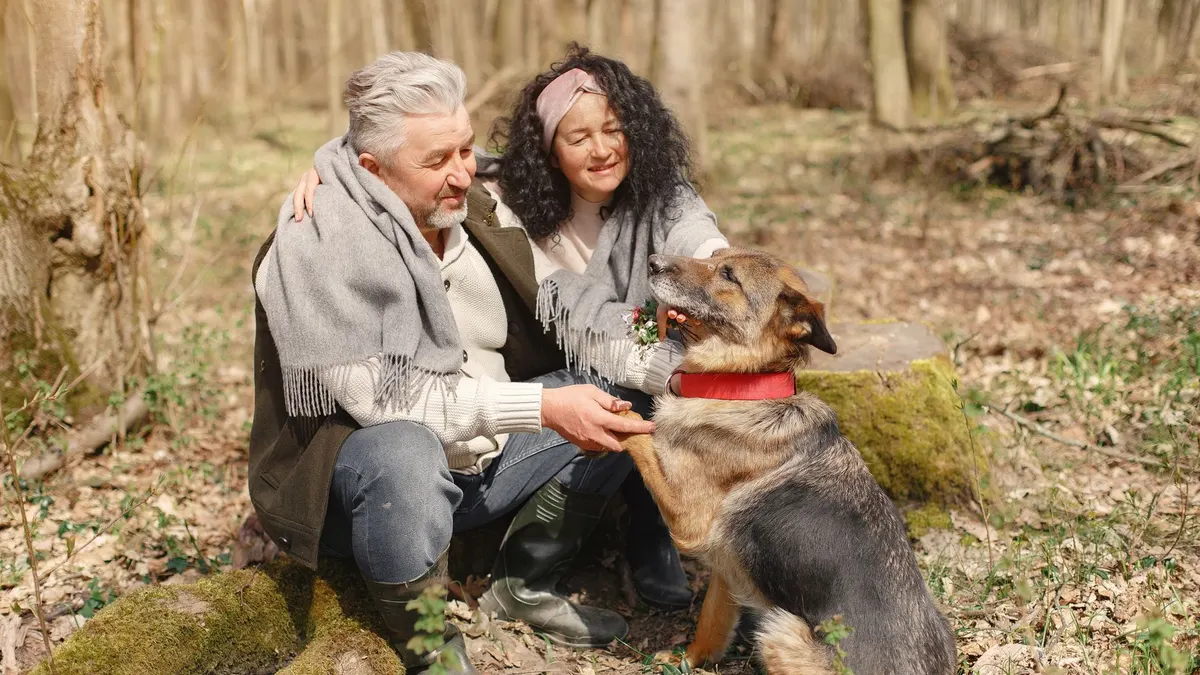
Reduce slips with traction, lighting, and route planning that help older dogs feel steadier on smooth surfaces.

Compare the trade-offs between ramps and stairs to choose the easier and safer option for your dog.
Too much walking can backfire in older dogs. Use recovery time, footing, and energy levels to stay within a safe range.
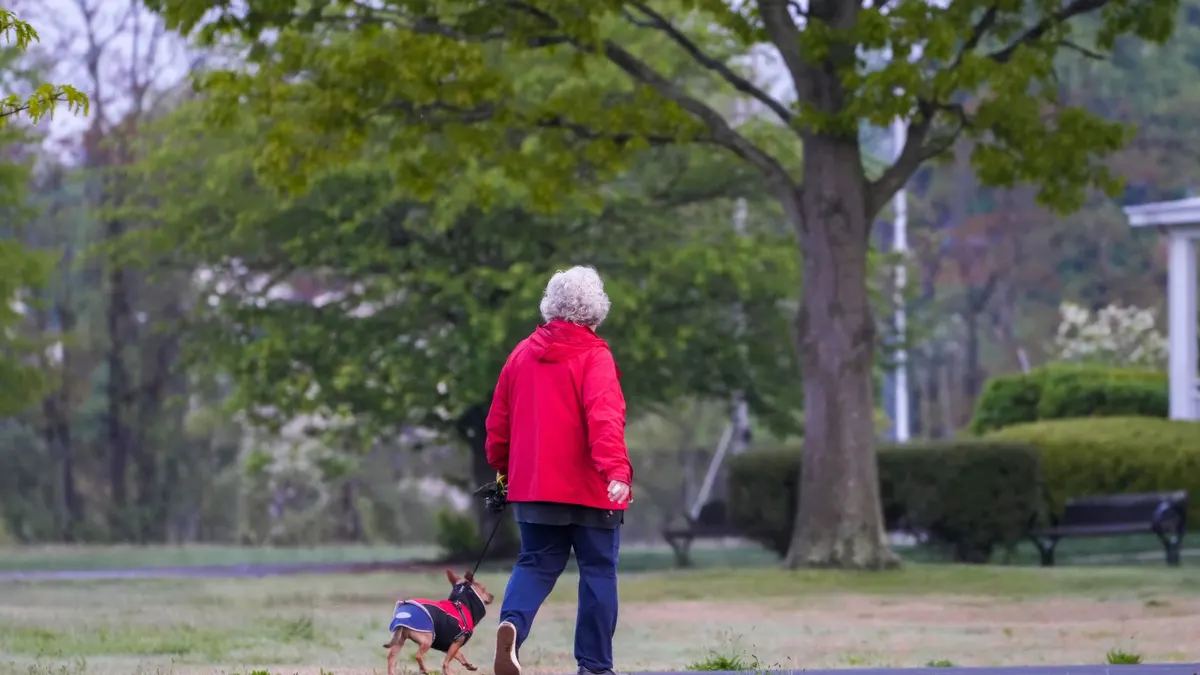
A reliable rhythm of short walks, rest, and careful observation helps older dogs stay active without overdoing it.
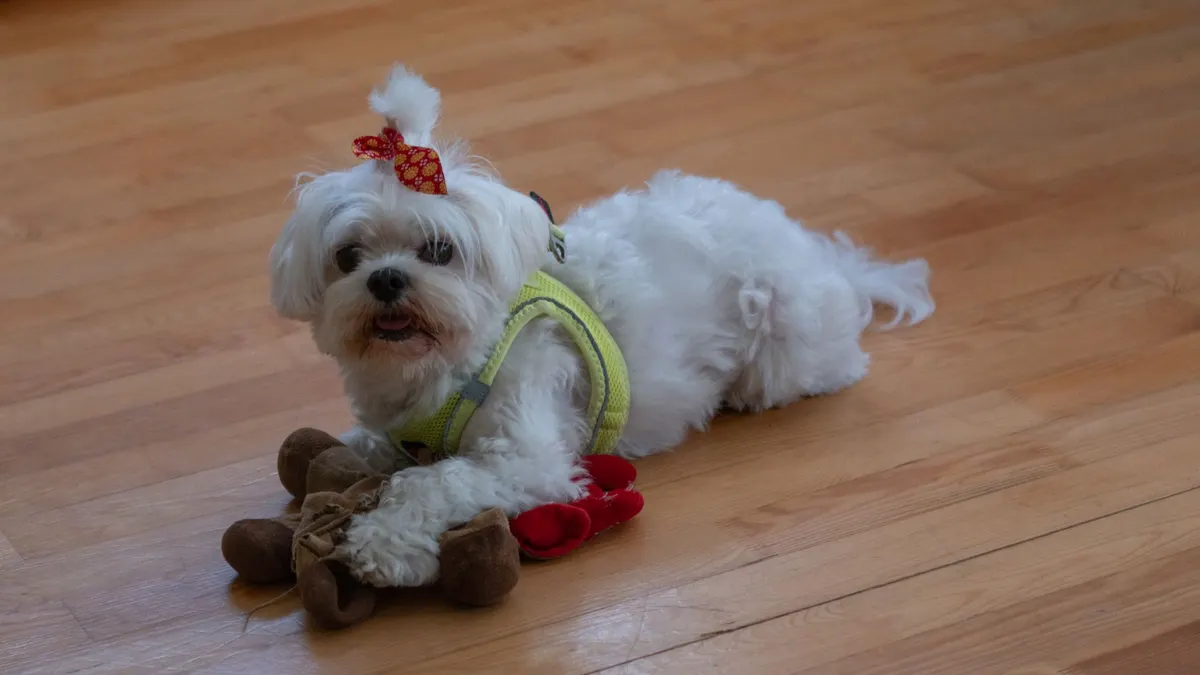
Improve safety on smooth flooring with traction, routine changes, and a better understanding of your dog’s balance and confidence.

A few small stair changes can make a big difference for an older dog that is slowing down or feeling less steady on steps.
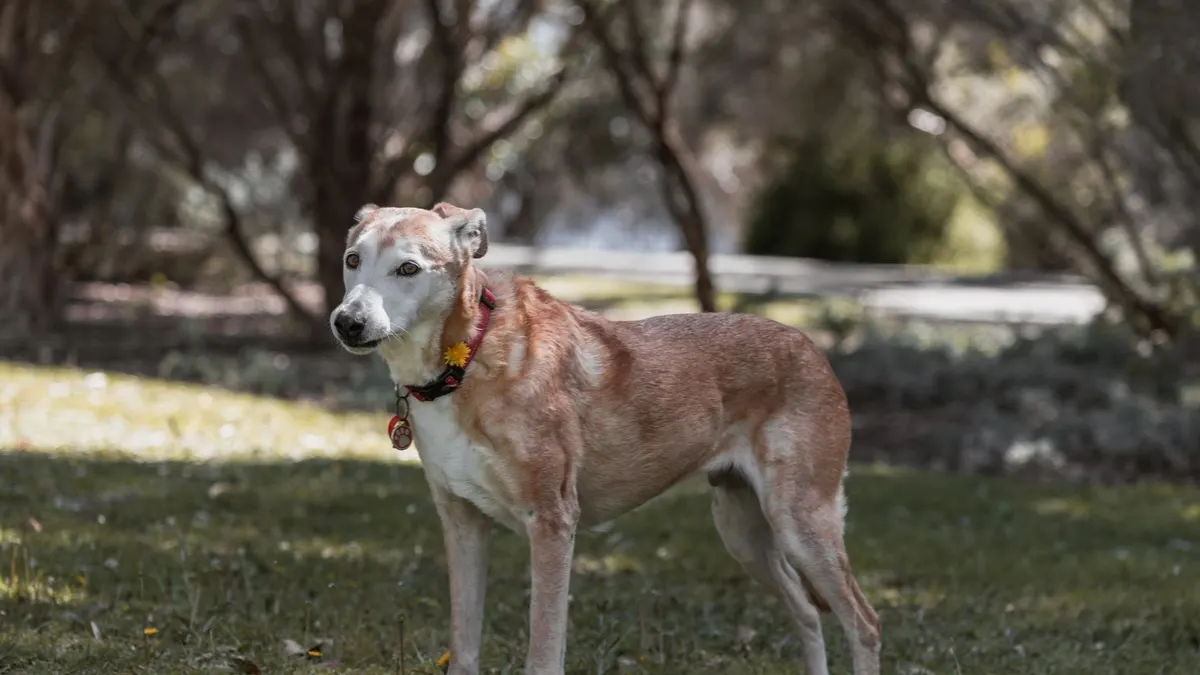
A senior dog often walks better when the route feels safer, the pace is calmer, and the routine supports comfort instead of pushing through strain.

Gentle indoor habits can help maintain movement and confidence while reducing strain on sore joints and weak legs.
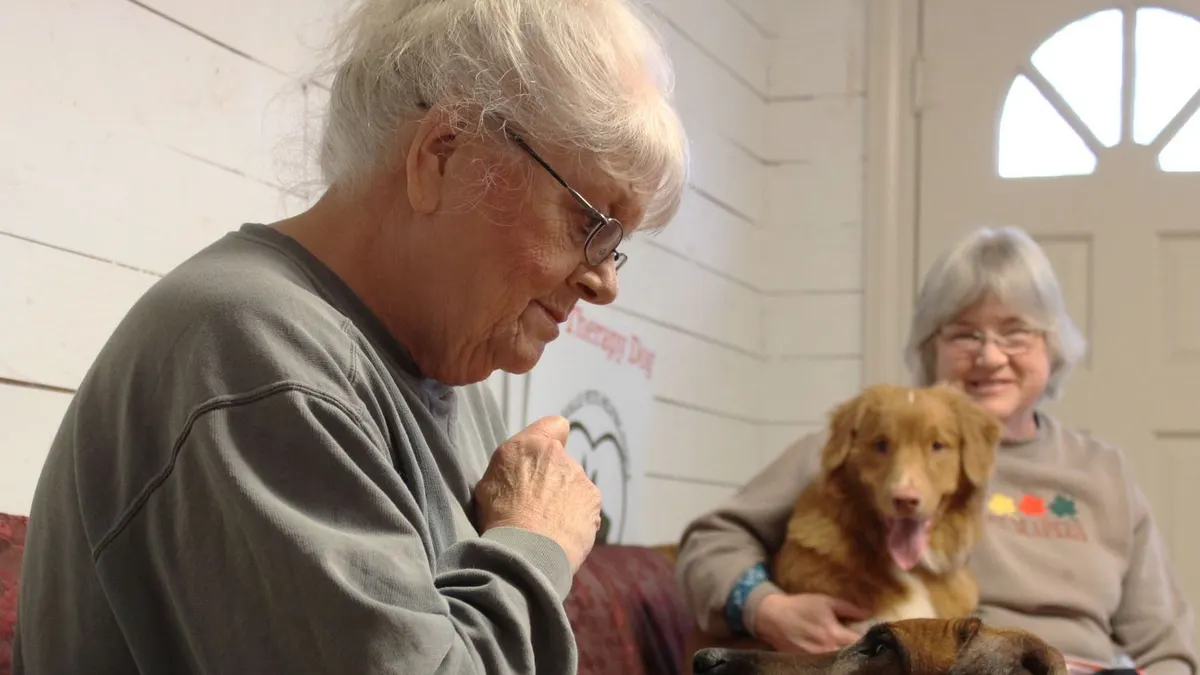
Build low-pressure movement into an older dog's day with short sessions, reliable footing, and careful observation.
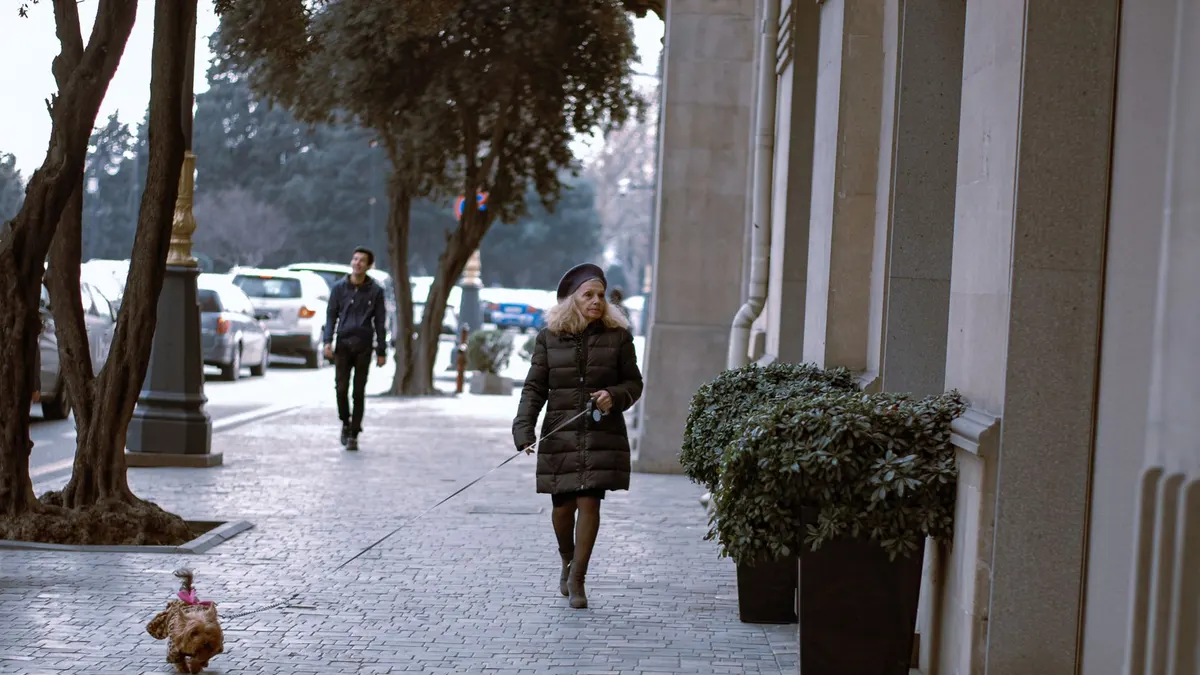
Long walks are not always the goal. Learn how to match distance and pace to your dog’s comfort and recovery.
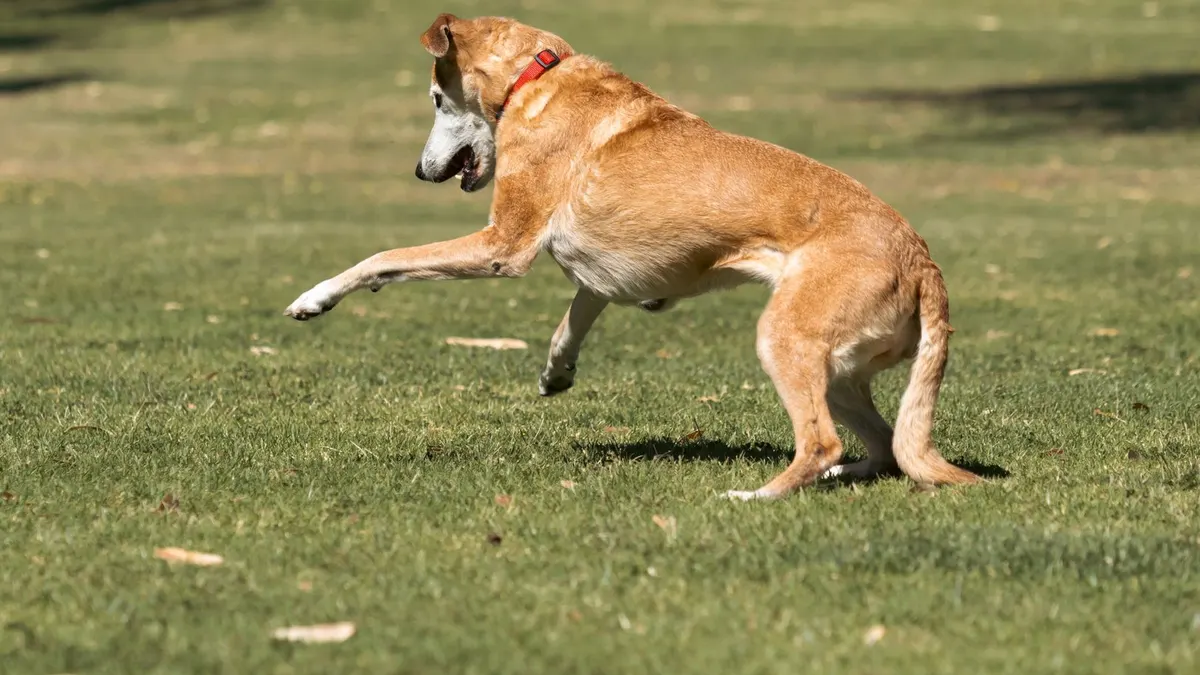
An older dog may struggle to stand up because of stiffness, weakness, joint discomfort, or a floor surface that makes the first movement harder than it should be.
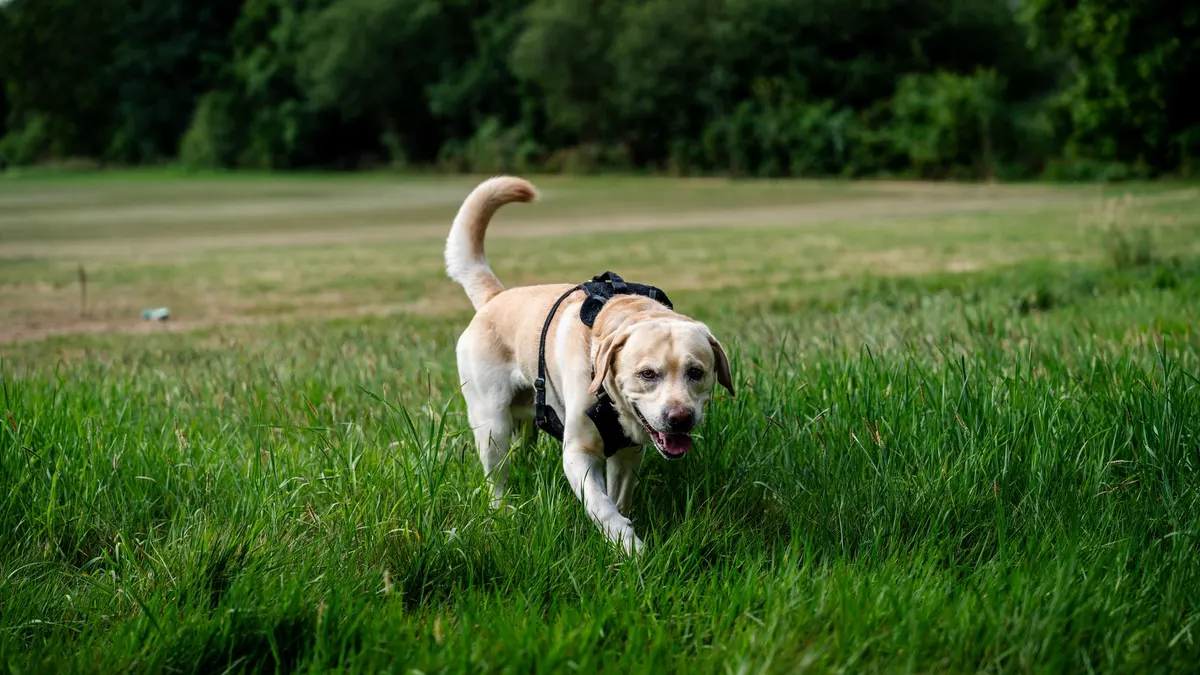
An older dog that walks more slowly or hesitates more often may be dealing with stiffness, pain, instability, or a home setup that is making movement harder.
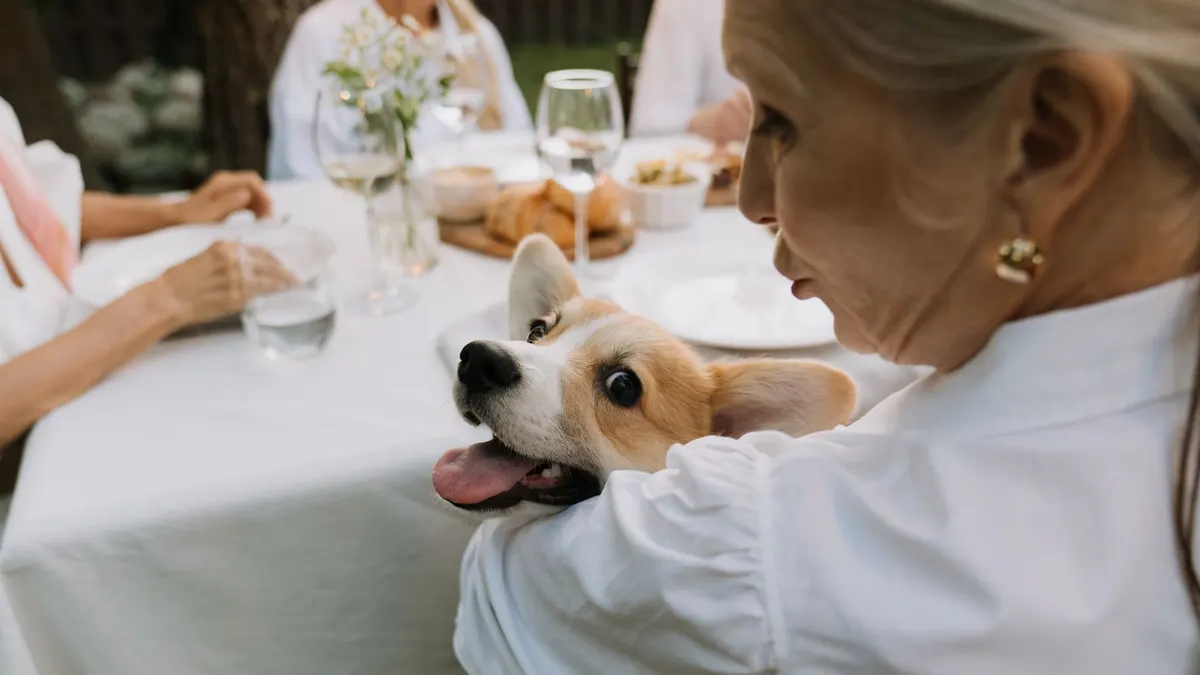
A senior dog with a sensitive stomach often does best with simple ingredients, gradual transitions, and a feeding plan that keeps digestion predictable.
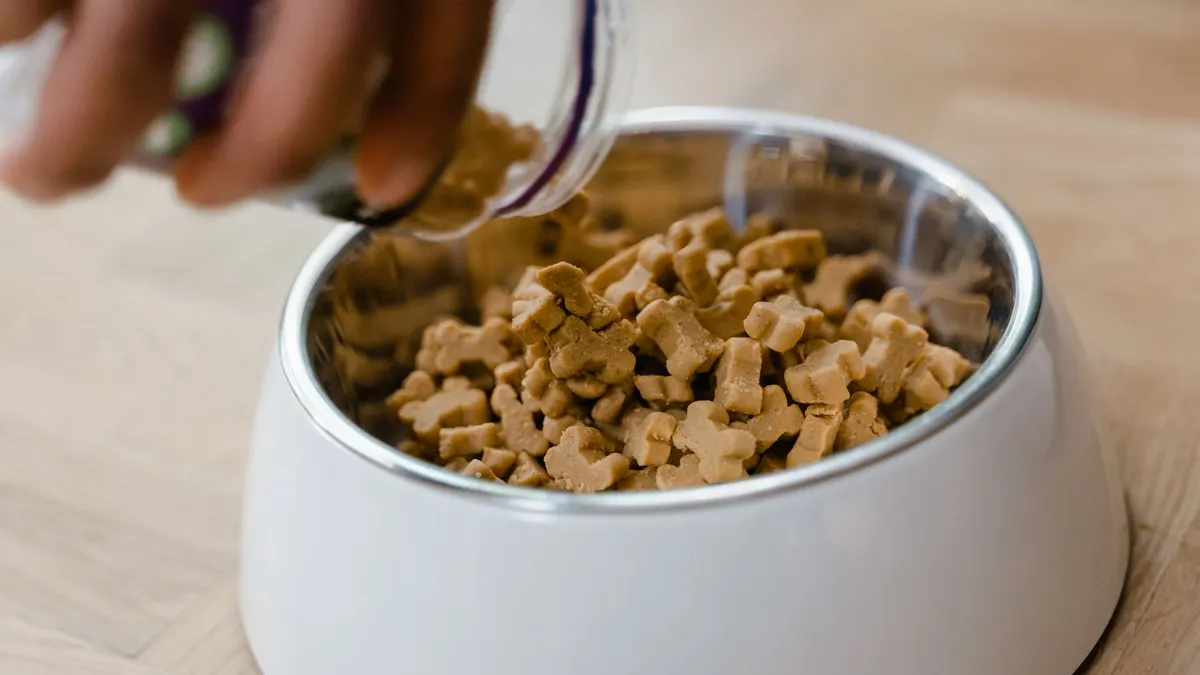
Senior-dog treats work best when they are small, purposeful, and aligned with the dog’s weight, appetite, and chewing comfort.

A senior dog’s portion should match real body condition and daily routine, not just age or a food label.
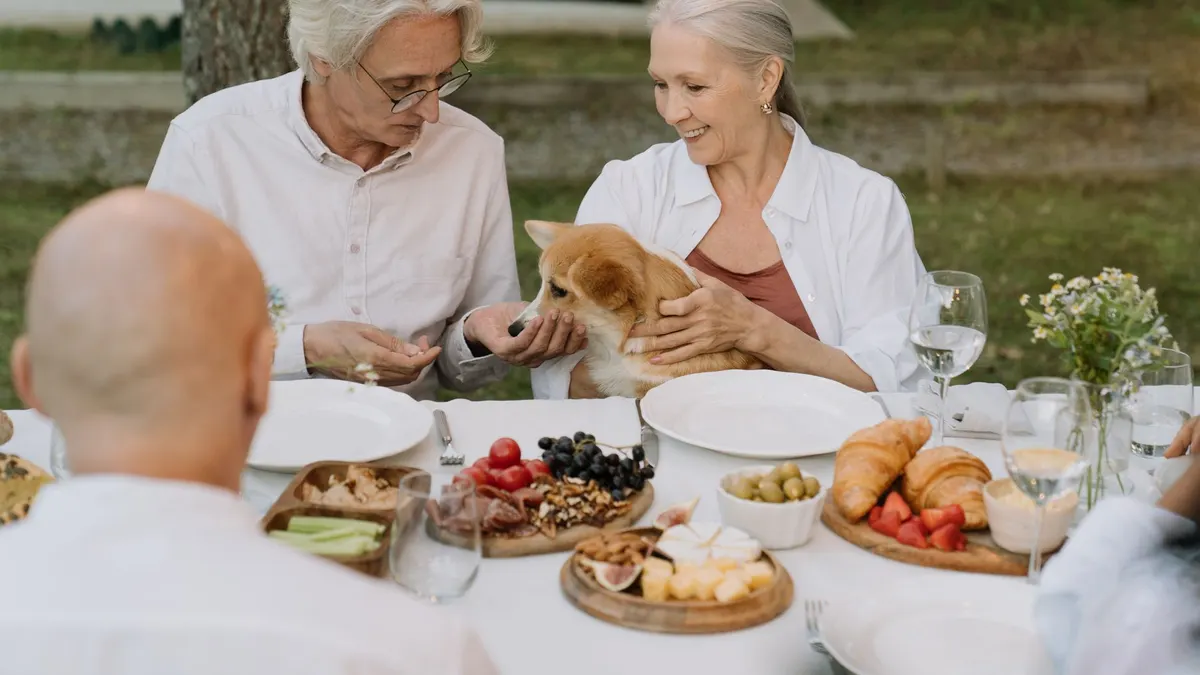
A good senior dog feeding plan is simple, consistent, and based on the dog’s actual appetite, comfort, and body condition.
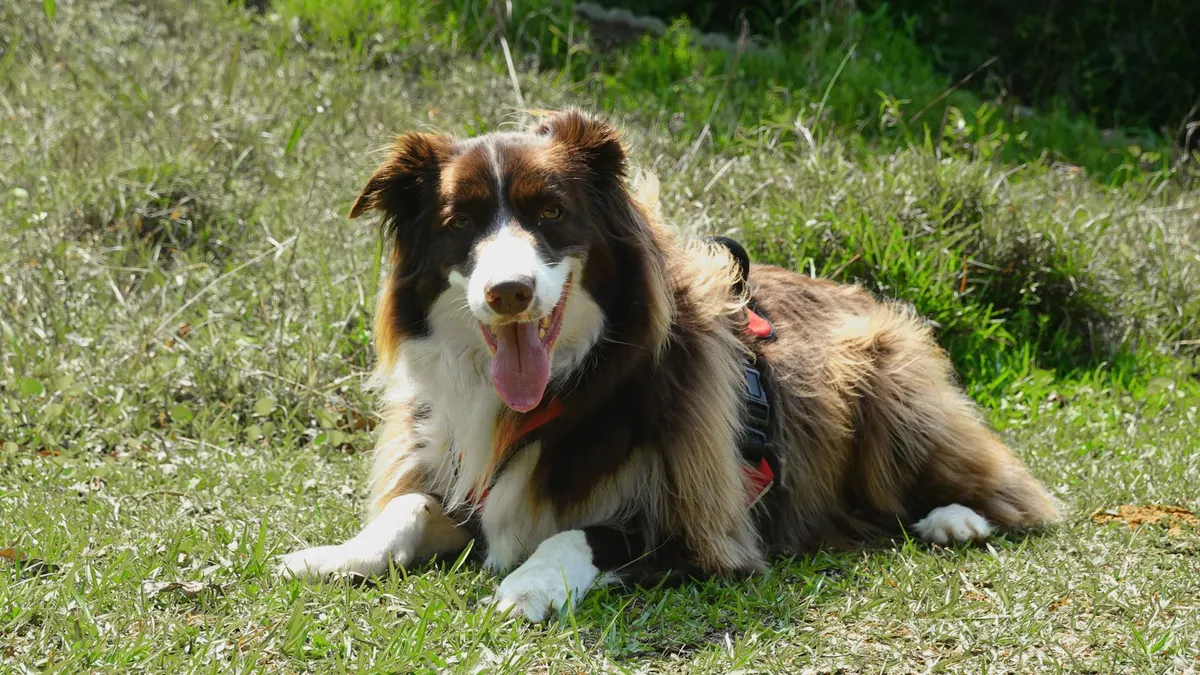
A senior dog’s healthy weight is easiest to maintain with steady feeding, realistic movement, and a body-condition check that reflects real life.

A predictable feeding schedule helps senior dogs eat more comfortably, digest more steadily, and stay easier to monitor day by day.

A strong senior dog food plan is less about chasing trends and more about matching the dog’s real needs for protein, calories, digestion, and daily comfort.

Protein matters for senior dogs, but the right level depends on body condition, activity, digestion, and the dog’s overall health—not just age alone.
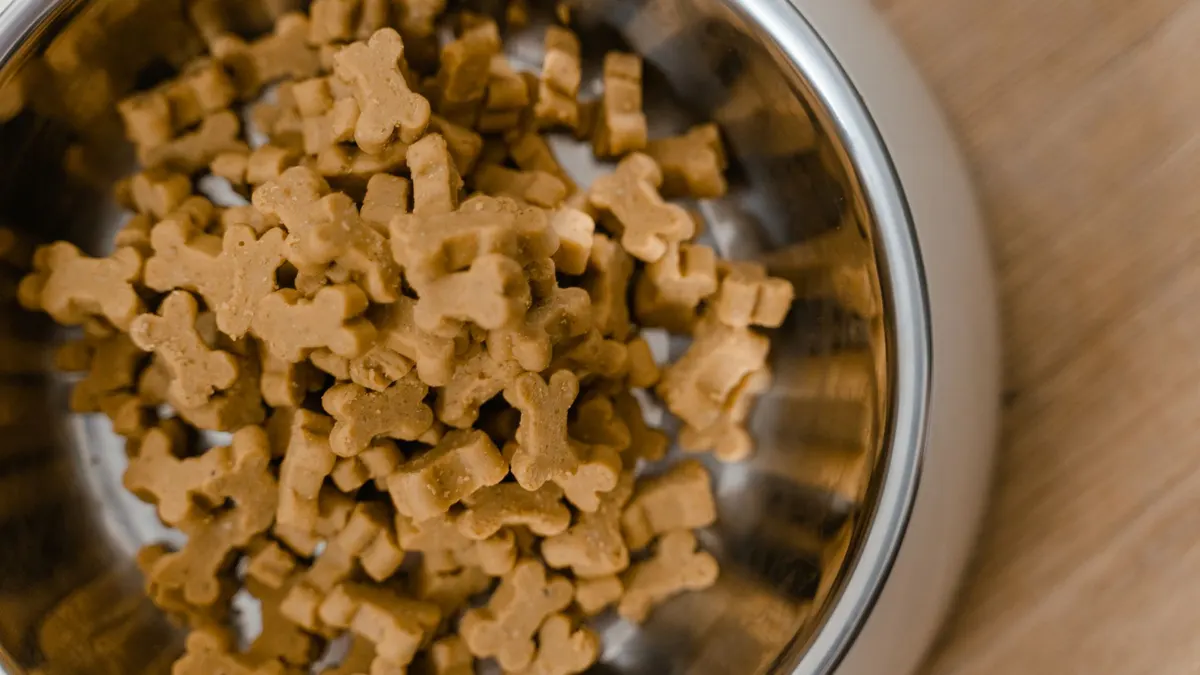
The best senior dog food format depends on how well the dog chews, digests, and maintains weight—not on a one-size-fits-all rule.