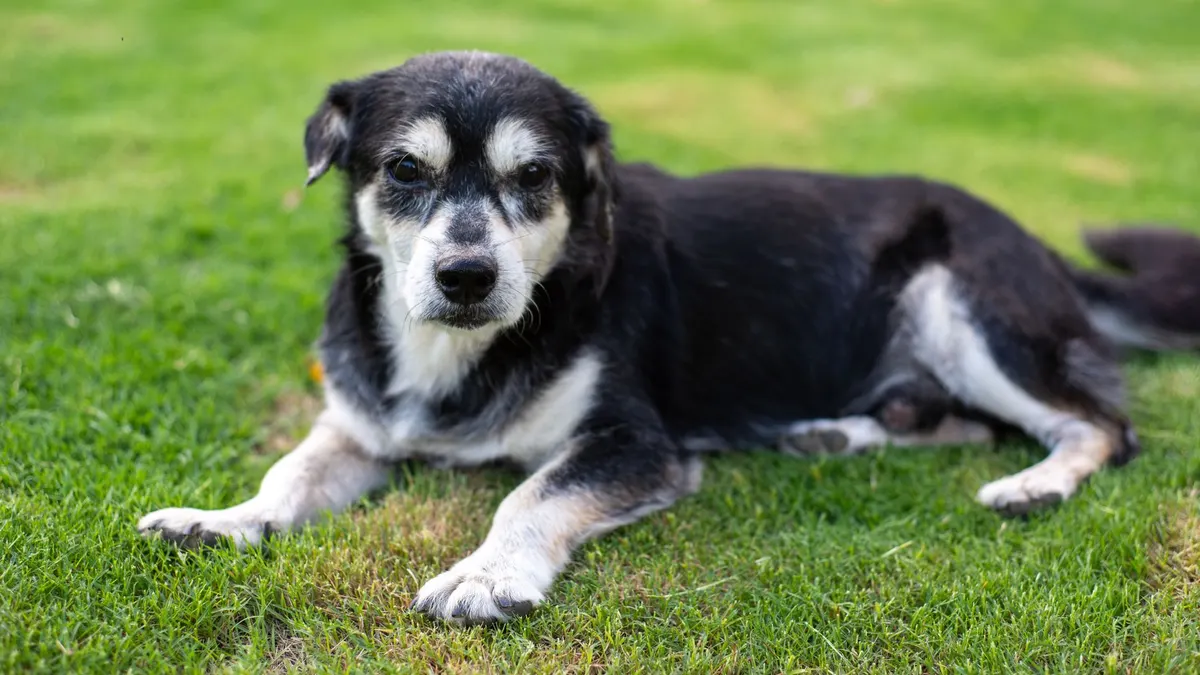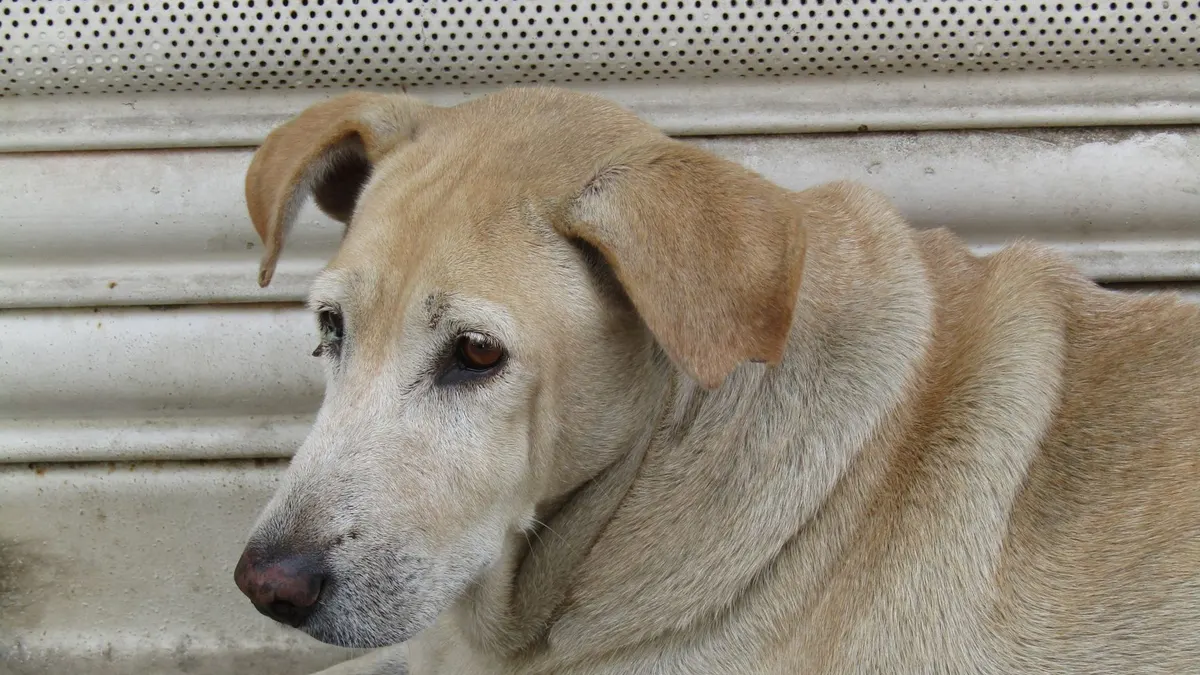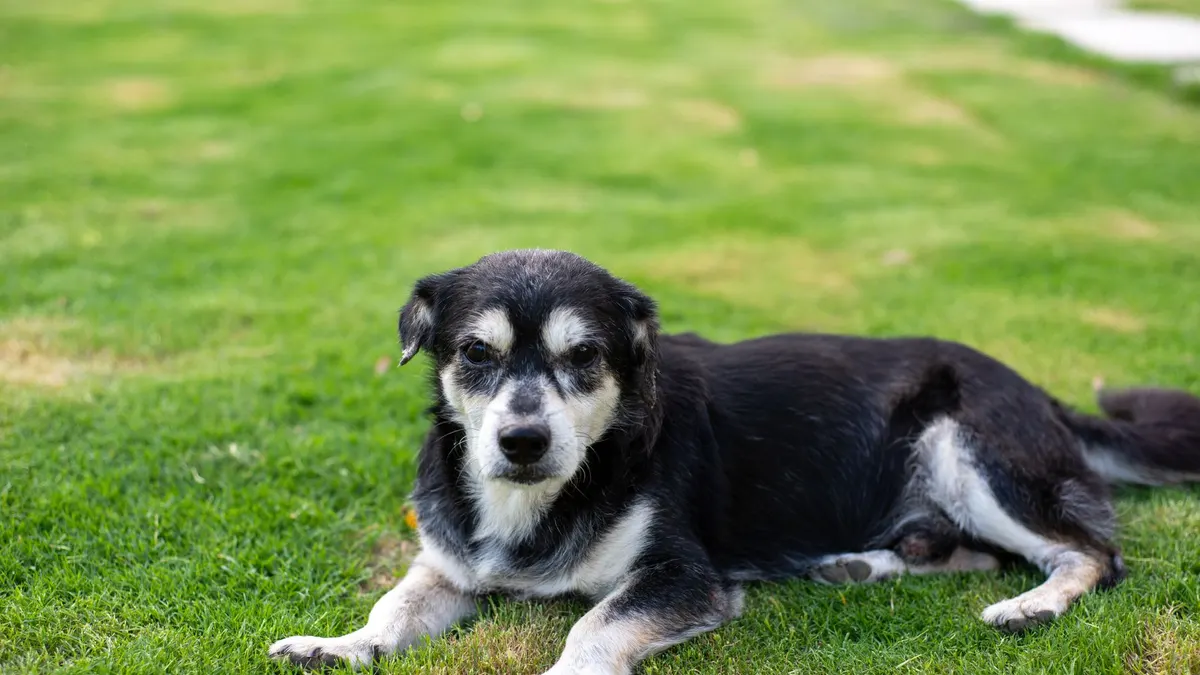
Twelve is where senior care changes character. At 10 the work is preventive; at 12 it becomes responsive. Hearing and vision fade, sleep patterns shift, muscles thin even when weight holds steady, and the dog who trotted the whole block now strategizes. The goal stops being performance and becomes comfort and confidence — and the biggest wins come from the environment, not the dog.
Quick answer
At 12, prioritize comfort and predictability: shorter and more frequent walks, traction and night lights on main routes, a supportive low-entry bed, twice-yearly vet visits, and a low threshold for investigating new night-time behaviors. Small environmental changes now do more than any single product.
What 12 means depends on size
- Small breeds: senior life is starting now, and many 12-year-old small dogs are still bright and mobile. Their longest management window is ahead — see senior care for small breeds.
- Medium breeds: solidly senior. Energy and cognition may still be strong; joints and senses usually show it.
- Large breeds: 12 is very old. Comfort, pain control, and dignity of daily life are the entire agenda — see senior care for large breeds.
The four changes that define 12
Senses fade — and the dog adapts faster than you notice
Hearing loss is usually gradual and compensable; vision decline often shows as hesitancy in dim light or new spaces first. Practical responses:
- Night lights on the route between bed, water, and the door
- Consistency in furniture layout — a 12-year-old with poor vision navigates memory, and moved furniture resets the map
- Approach rituals — announce yourself, let the dog see or smell you before touching, especially from behind
Sleep and night-time behavior shift
Waking at night, pacing, restlessness, or barking at nothing are the classic 12-plus reports. Causes overlap: pain that builds lying still (arthritis), a shrinking bladder, anxiety from sensory decline, and true cognitive dysfunction. This is a vet conversation, not a training problem — pain and CCD in particular need different responses. The behavior guides on night pacing and night waking break down the distinctions.
Muscle loss accelerates quietly
Weight can stay stable while muscle melts — especially over the hindquarters. That is why 12-year-olds need movement, not rest: two or three short walks beat one long one, and flat sniff-walks maintain more than they exhaust. Watch for slipping as muscle that used to stabilize the knees and hips thins — traction fixes are covered in the hardwood floor guide.
Comfort becomes the metric
The question shifts from "how far can we walk" to "how good is the average day." A supportive bed the dog can enter without stepping up, food and water without crouching, warmth in winter, and short frequent contact with you matter more than any training goal.
📋12-Year-Old Dog: Comfort Review Checklist
0/8 completed- Twice-yearly vet visits with bloodwork on the calendar
- Night lights installed along the bed–water–door route
- Traction covers every main walking route, not just one room
- Bed is low-entry, supportive, and warm; the dog gets in and out without hesitation
- Walks split into 2–3 short outings with the pace set by the dog
- Food, water, and rest reachable in fewer steps than last year
- Night-time changes (pacing, waking, barking) noted with dates for the vet
- Nails trimmed regularly — long nails change gait on old joints
Quality of life: the honest conversation worth starting early
Twelve is not too early — and is in fact the right time — to start thinking in quality-of-life terms, while decisions are calm. Vets often suggest a simple framework: good days versus bad days, appetite, interest in the household, mobility, and hygiene. Tracking a quick daily 1–5 score takes a week and gives you real data instead of vibes when harder decisions come later. Your vet can help set thresholds in advance, which is far easier than deciding under stress.
When to ask a veterinarian at 12
Routine: stiffness, slowing, mild sensory decline, weight or sleep drift — bring patterns to scheduled visits.
Schedule within weeks: new night pacing or restlessness, apparent disorientation in familiar places, house soiling in a previously reliable dog, new lumps, appetite or thirst changes.
Promptly: collapse, breathing difficulty, refusal of food with lethargy, vomiting, signs of pain that touch does not soothe, or sudden blindness.
Related guides
- Senior Dog Care by Age
- Senior Dog Care for 10-Year-Old Dogs
- Why Is My Older Dog Restless at Night?
- Why Is My Older Dog Pacing at Night?
- How to Help a Senior Dog Sleep Better
- Senior Dog Home Safety Checklist
FAQ
Is 12 years old senior for a dog?
For small breeds, 12 is when senior genuinely begins and many are still in good shape. For medium dogs, 12 is established senior. For large breeds, 12 is very old and comfort is the main goal.
Why is my 12-year-old dog pacing at night?
Night-time restlessness and pacing can come from pain, cognitive decline (CCD), anxiety, or needs like needing to go out more often. A vet visit is the right first step — pacing has several medical causes and the treatment depends on which one it is.
How far should I walk a 12-year-old dog?
Shorter and more often works better than long and rare: two or three gentle 15–20 minute walks a day, adjusted to what the dog can recover from. Let the pace be the dog's, and end walks while the dog still wants more.
Do 12-year-old dogs need more vet visits?
Yes — twice-yearly is the standard recommendation at this age, ideally with bloodwork. Senior dogs' health can change measurably in six months, and early lab changes are much easier to manage than symptoms.
How can I make my 12-year-old dog more comfortable at home?
Traction on main routes, a supportive low-entry bed, night lights for fading vision, consistent routines, and shorter steps between everything the dog needs — food, water, rest, and the door.