A medication routine is usually easier to maintain when it is simple, predictable, and built around real life. Senior dogs may need several medications or supplements at different times, and a calm routine can help reduce stress and make it easier to notice side effects or missed doses.
Quick answer
The best senior dog medication routine is one that is consistent, easy to follow, and documented well enough that you can catch problems early. A few good habits — clear timing, good tracking, and a calm approach — go a long way.
Keep the timing predictable
Pick a time that matches the dog’s daily rhythm and stick with it when possible. Many owners find it easier to give meds around meals or after a walk, as long as the product instructions allow it.
A consistent routine helps the dog settle more easily and reduces the chance of confusion or missed doses.
Use a simple tracking method
Even a small note on your phone or a sticky note near the dog’s food area can help. Record:
- the time a dose was given
- whether the dog took it willingly
- appetite changes or vomiting
- energy level or behavior changes
- new symptoms after the dose
This is especially helpful if the dog has multiple medications or recent treatment changes.
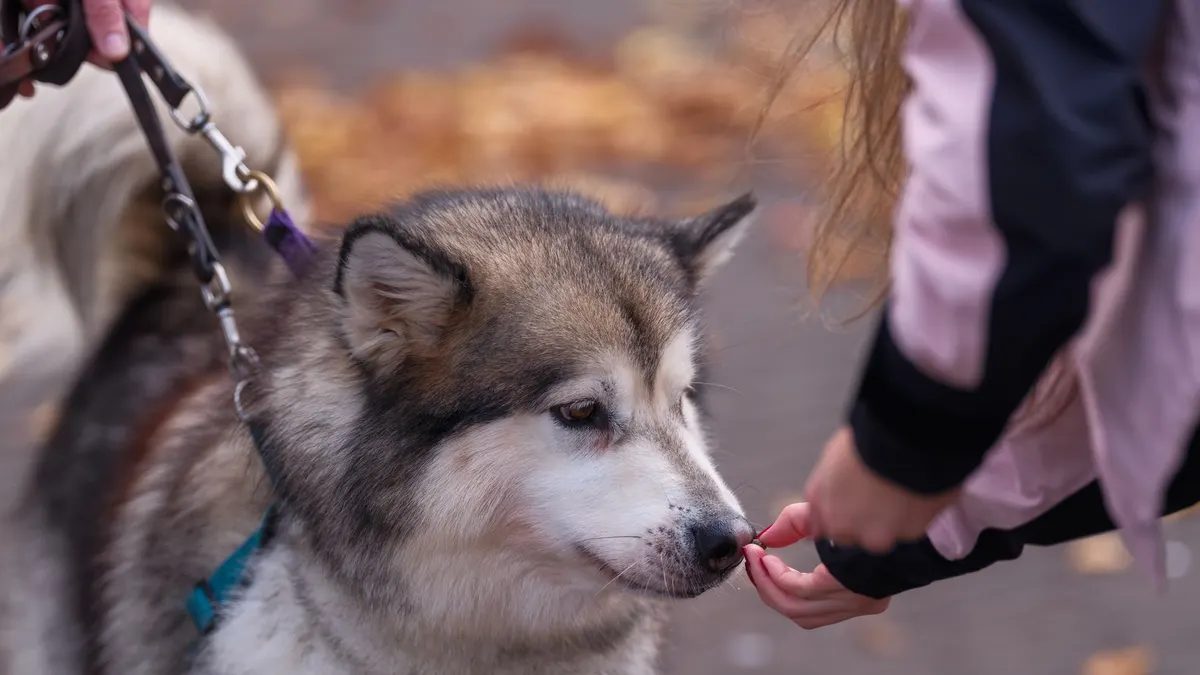
Make administration less stressful
For senior dogs, calmer methods usually work better than forcing the process. Try to:
- use a quiet room
- speak in a reassuring tone
- reward calm behavior
- avoid rushing the dog before or after the dose
- keep the dog comfortable and supported during the process
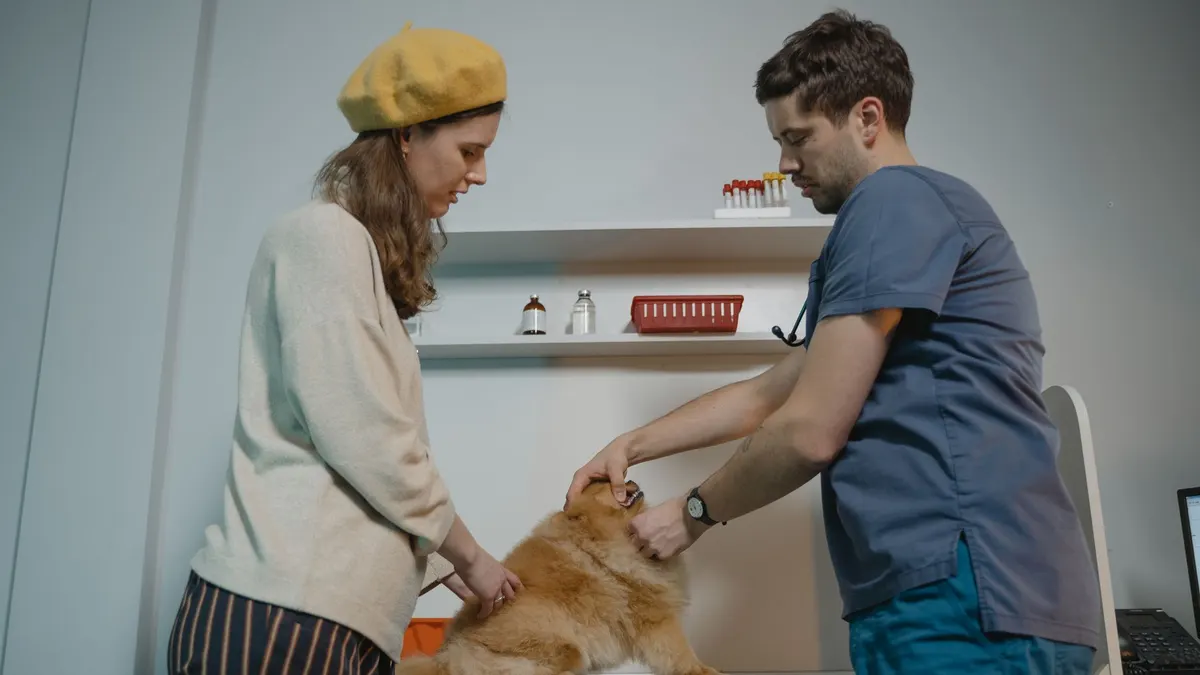
If the dog is very anxious, ask the vet whether a different method or administration strategy is safer.
Follow vet instructions closely
Do not stop a medication just because the dog seems better for a day or two. Do not change dose timing or give a new product without checking with the veterinarian first. A medication plan often depends on details like dose spacing, food timing, and monitoring.
When to call the vet
Call the vet if your dog has:
- vomiting or diarrhea after a dose
- a sudden appetite drop
- unusual sleepiness or weakness
- shaking, facial swelling, or a major behavior change
- signs that a medication is not being tolerated well
This is especially important if you are giving more than one medication or the dog is already less robust physically.
Bottom line
Senior dog medication work is easier when it is organized, low-stress, and consistent. A clear routine and a quick record of the dog’s response can make a big difference in both comfort and safety.
Related guides
- How Often Should a Senior Dog See the Vet?
- Senior Dog Daily Routine
- Managing Incontinence in Senior Dogs
- Senior Dog Mealtime Routine
FAQ
How do I build a medication routine?
Pick a regular time, make the process calm, and keep a simple log so you can track each dose and any reaction.
What if my dog refuses medication?
A calm approach and a vet-approved method usually work better than forcing it. If refusal continues, ask the vet for another strategy.
What should I track?
Food intake, energy, stool, vomiting, and behavior changes are all useful signs to document.
When should I call the vet?
If there are side effects, severe behavior changes, or a sudden appetite or energy shift, call the veterinarian.