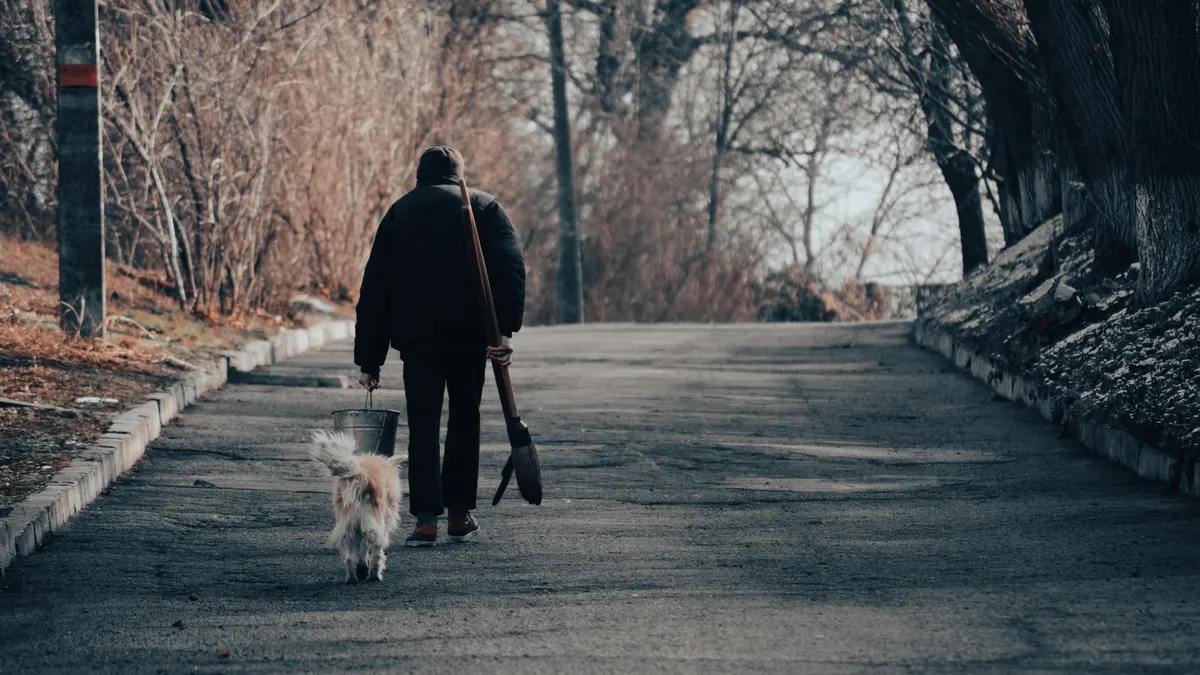
A simple routine reduces rushed transitions and makes changes easier to notice. It does not need to be rigid; it needs to be repeatable, gentle, and realistic for the dog's current energy and mobility.
This guide offers a sample daily schedule, shows what to track, and explains when and how to adjust the routine as the dog ages.
Quick answer
A good senior dog daily routine includes regular meals, short and comfortable movement, rest periods, easy access to the essentials, and a simple way to track changes. Predictability matters because it helps you notice what is normal and what feels different.
If your dog feels calmer, steadier, and less sore in the same routine over several days, you are likely on the right track. The best routine is the one that supports daily comfort without creating extra strain.
Build the day around comfort and consistency
An older dog often does best when the day follows a familiar pattern:
- regular feeding times
- gentle movement or walking
- rest breaks between activities
- easy access to water, bed, and favorite resting spots
- calm daily grooming and health checks
This gives the dog fewer stressful transitions and makes it easier for you to spot shifts in appetite, mobility, or rest. The order matters more than the exact clock times — feeding, then a short walk, then rest is a sequence the dog's body learns to anticipate, which makes digestion, bathroom habits, and sleep more predictable.
A sample senior dog daily routine
Every dog and household differs, but a workable shape looks like this:
📊Sample Daily Routine for a Senior Dog
| Time block | Activity | What to watch |
|---|---|---|
| Early morning | First trip outside, then breakfast | Appetite, stiffness on rising, gait in the first 10 steps |
| Mid-morning | Short, gentle walk or indoor movement | Pace, willingness, any limping or lagging |
| Late morning | Rest, water, quiet time | Water intake, breathing rate when settled |
| Midday | Second short walk or bathroom break | Energy compared to the morning; bathroom output |
| Afternoon | Rest, light grooming or petting with a body check | New lumps, skin changes, pain when touched |
| Early evening | Dinner, then a calm short outing | Appetite, post-meal discomfort or vomiting |
| Evening | Quiet family time, mental engagement like sniffing or a puzzle toy | Confusion, pacing, or restlessness |
| Last trip outside | Final bathroom break before bed | Confidence on the route in the dark; add a night light if hesitating |
| Night | Sleep in a supportive, low-entry bed | Settling speed, any pacing or whining after 2 AM |
Click on any product to view full details and reviews
Two walks of 10–20 minutes usually beat one long walk; read more in how often you should walk a senior dog. Meals land at the same times each day to support digestion and appetite — the feeding schedule guide and mealtime routine guide cover timing, bowl height, and portioning.
Keep necessary resources easy to reach
Place food, water, and the bed in spaces that are not difficult for the dog to navigate. If the dog has to manage slick floors, narrow turns, or a high step each time, the routine becomes harder than it needs to be.
A few high-leverage adjustments:
- a long runner on the bed-to-bowl and bed-to-door routes — see non-slip mats
- a low-entry orthopedic bed that reduces the effort of rising
- water in two locations so the dog never has to cross a slippery room
- a night light on the last-trip-outside route
These changes live in the home safety checklist; pairing them with a steady routine compounds the benefit.
Track the important signals
A short daily note can be surprisingly helpful. You do not need a formal log. Even a few observations can tell you whether the dog is moving, eating, sleeping, and recovering in a way that feels stable.
Useful notes include:
- appetite and water intake
- mobility or slowing down during walks
- energy level and rest quality
- accidents or elimination changes
- any stiffness, limping, or reluctance to rise
This kind of record helps a caregiver notice gradual changes and gives a vet more useful context if the dog needs an appointment. A phone video of the morning "rise and walk" once a month is worth more than most notes, because gait changes show up on video before they show up in memory.
📋Daily Observation Checklist
0/8 completed- Appetite: normal, reduced, or selectively picking?
- Water: drank normally, more than usual, or less?
- Mobility: rose easily, hesitated, or needed help?
- Walk pace: normal for this dog, slower, or lagging behind?
- Bathroom: normal output, diarrhea, straining, or accidents?
- Rest: settled quickly, restless, or pacing at night?
- Mood: engaged with the family, withdrawn, or clingy?
- Pain signs: panting, trembling, or flinching when touched?
Adjust the routine before it becomes a problem
If your dog seems slower, more tired, or uncomfortable during daily tasks, it is often better to make a small change early rather than wait for the next major issue. A simpler routine is often more effective than pushing through discomfort.
Common adjustments as the dog ages:
- Stiff mornings: move the first walk later and add a short warm-up indoors.
- Tiring afternoons: split one longer walk into two shorter ones, with a rest in between.
- Reduced appetite: switch to two smaller meals or add warm water to kibble; see how many times a day a senior dog should eat.
- Night restlessness: add a late-evening bathroom break and a calm bedtime routine.
- Incontinence: plan an extra outdoor trip and review the incontinence guide before accidents become the routine.
- Confusion at night: keep the same sequence every evening and add a night light; routines are how dogs with cognitive change stay oriented.
Pair the routine with gentle body checks
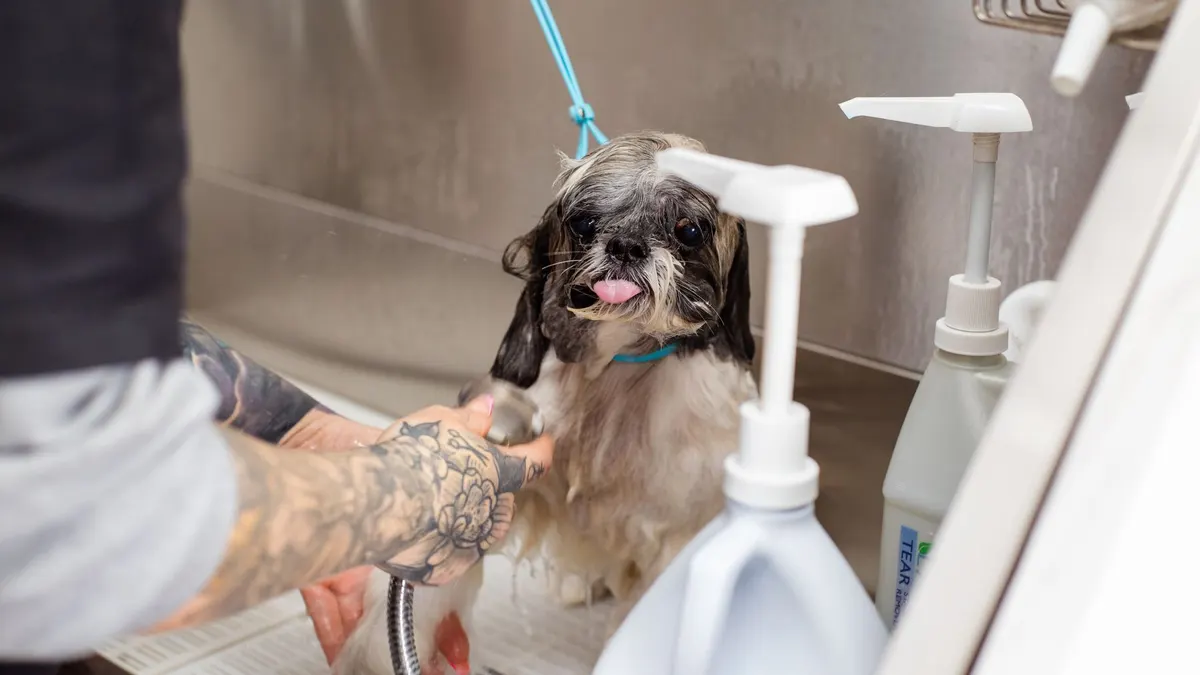
Daily grooming is also a daily exam. A few minutes of brushing doubles as a check for lumps, skin changes, painful spots, and nail length. Dogs that cannot stand long need a modified approach — see grooming an older dog that cannot stand for long and the daily care checklist.
Match the routine to the dog's stage
- Early senior: one or two good walks, two meals, and a predictable evening still work.
- Mature senior: shorter, more frequent outings; add a midday break if the dog cannot hold the afternoon.
- Geriatric: comfort and safety dominate; expect three or four short outings, a bed that is easy to rise from, and help with standing if needed.
The senior dog care by age guide explains how those stages map to your dog's size and years.
Bottom line
A senior dog daily routine works best when it is realistic, consistent, and built around the dog's actual comfort. The goal is not perfection. It is better energy, easier movement, and fewer surprises in the day-to-day pattern — plus a short note each day so the surprises that do arrive get caught early.
Related guides
- How Often Should You Walk a Senior Dog?
- Senior Dog Mealtime Routine
- Senior Dog Daily Care Checklist
- Senior Dog Joint Comfort at Home
- Senior Dog Feeding Schedule: A Simple Guide
- Managing Incontinence in Senior Dogs
- Senior Dog Care by Age
FAQ
What is the most important part of a senior dog routine?
Consistency. A predictable routine makes it easier to notice when something changes and reduces strain from unnecessary transitions or uncertainty.
How much should I adjust the routine as the dog ages?
Make modest adjustments early, especially if the dog is slowing down or has more stiffness. Fewer high-strain events often help more than trying to keep the old pace.
Do I need a written log?
Not necessarily, but a short note can be very useful for spotting patterns in eating, mobility, sleep, and mood. A monthly phone video of the dog rising and walking is also worth more than most owners expect.
How much rest does a senior dog need between activities?
Most seniors benefit from 1–2 hours of quiet rest between walks, meals, or play. If stiffness or panting lingers longer than an hour after activity, shorten the next session and ask the vet whether pain or cardiorespiratory issues are involved.
Is a strict schedule better than a flexible one?
Consistency of sequence matters more than exact clock times. Feeding, walking, and sleeping in the same order each day gives the dog predictability without forcing rigid timing.
When should I call a vet?
If the dog's behavior or comfort is clearly changing, or if there is worsening pain, weakness, a new reluctance to move, repeated vomiting, or a sudden appetite drop, a veterinarian is the right next step.