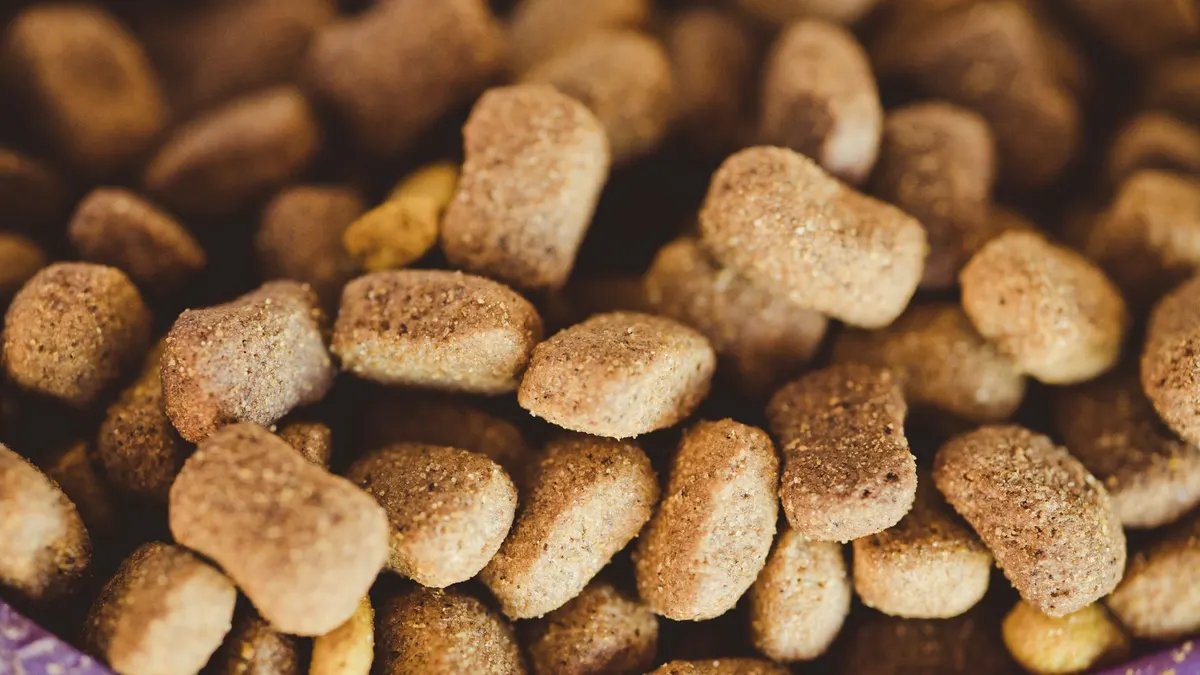
A predictable mealtime can make daily care calmer. Feed in a quiet area with reliable footing and a bowl that does not slide or tip. For older dogs, feeding comfort matters just as much as the type or amount of food.
Quick answer
A better mealtime routine for a senior dog is one that reduces hassle, supports comfort, and keeps the dog eating consistently. A stable feeding area, predictable timing, and regular observation often make a larger difference than a single big change.
Build around comfort, not just food
A senior dog often eats more comfortably when the setup is simple and steady:
- consistent meal times
- food and water in a stable area
- easy access without slippery or cluttered flooring
- enough time to eat without rushing
- calm, quiet feeding space when possible
When the dog is not rushed or stressed, feeding usually feels easier and more natural.
Bowl placement and stability matter
A bowl that slides or wobbles can frustrate an older dog, especially if the dog is slower or less steady than before. A non-slip bowl or mat can reduce strain and make it easier to eat comfortably.
See best-non-slip-mats-for-senior-dogs and best-non-slip-dog-bowls-for-senior-dogs for practical setup ideas.
Watch appetite and behavior closely
Rather than reacting to one meal, look for patterns over a few days. A slightly lower appetite can be harmless one day, but repeated changes are worth paying attention to.
Useful signs to track:
- interest in food
- how quickly the dog eats
- drinking habits
- energy around mealtime
- digestive changes after meals
This helps you identify trends early and gives a clearer picture to a vet if needed.
When a mealtime issue deserves veterinary advice
Talk with a veterinarian if your dog has any of the following:
- repeated vomiting or diarrhea
- sudden appetite loss
- trouble chewing or swallowing
- weakness during or after meals
- rapid weight change
A sudden change in eating habits is worth a closer look, especially in an older dog.
Bottom line
A senior dog mealtime routine works best when it is calm, stable, and realistic. A consistent setup helps your dog eat more comfortably and gives you a better way to notice changes that matter.
Related guides
- Senior Dog Daily Routine
- Senior Dog Daily Care Checklist
- How Often Should You Walk a Senior Dog?
- How to Make Food and Water Easier for a Senior Dog
FAQ
Is meal timing important for senior dogs?
Often yes. Regular timing can make feeding more predictable and help you notice appetite or routine changes sooner.
Do bowl types really matter?
They can. Stable, non-slip bowls reduce frustration and make it easier for an older dog to eat more comfortably.
What is the most important thing to watch?
Patterns over time. A single off day may not matter, but repeated appetite or digestive changes deserve attention.
When should I call a vet?
If the dog has a sudden or ongoing change in eating, behavior, or comfort, a veterinary check is the right next step.