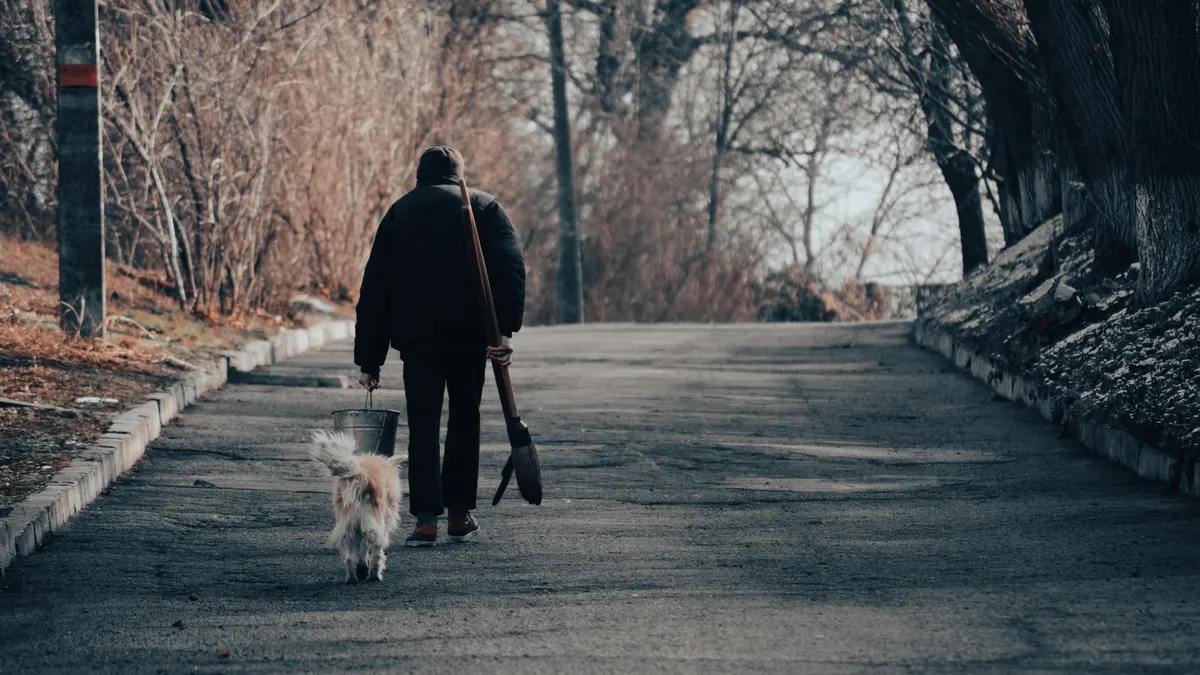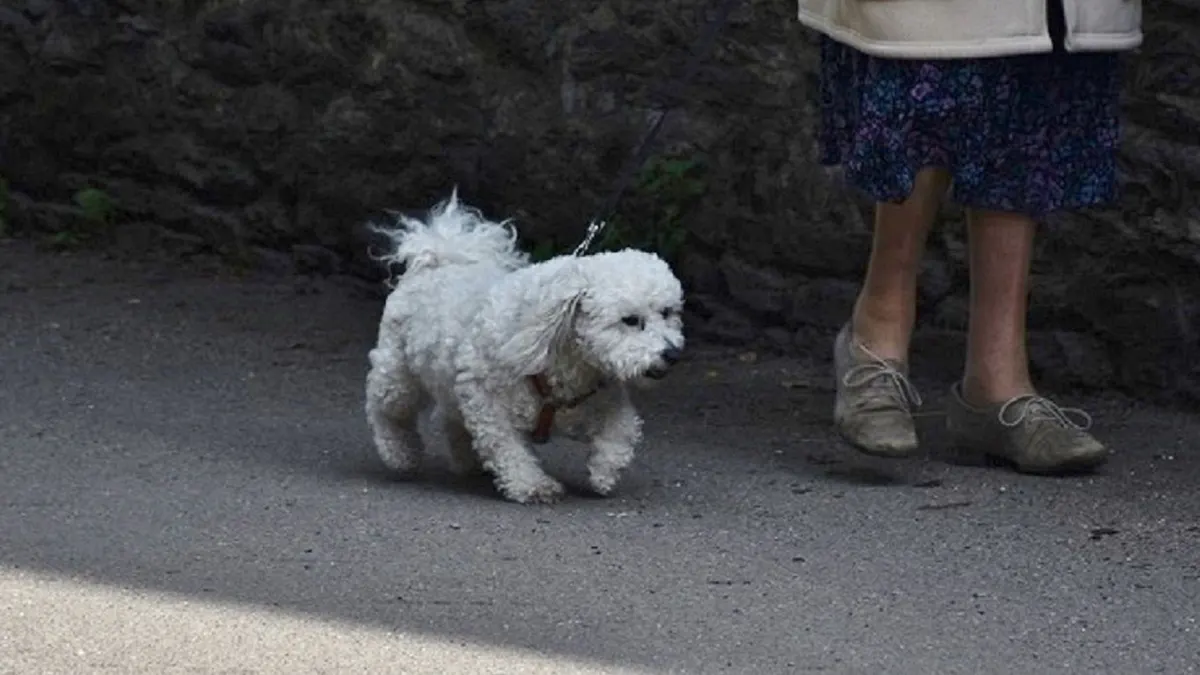
There is no single walking schedule for every senior dog. Age, body condition, history, weather, footing, and veterinary advice all matter. The best pattern is usually the one the dog can repeat comfortably, not the one that looks impressive on paper.
Quick answer
Many senior dogs do best with short, regular walks and more attention to comfort than distance. The right rhythm is based on how the dog moves, recovers, and feels after the outing, not on a fixed number alone.
A senior dog who walks steadily, recovers well, and still wants to go again is usually telling you the routine is working. A dog that is sore, hesitant, or drained after every outing is giving you the clearer signal.
What to watch instead of a strict schedule
Comfort during the walk
A dog that is slowing down, hesitating at turns, or pausing more often than usual may need a shorter route or a gentler pace. If the dog is stiff, limping, or struggling on familiar sidewalks, the walk may be too much for that day.
Recovery afterward
The next day matters. If your dog is sore, tired, or slower to rise after a walk, that is useful information. Recovery is part of training the routine, not an extra problem to ignore.
Footing and weather
Hot pavement, icy sidewalks, wet concrete, or slick indoor paths can all make a walk harder. A shorter, safer route is often better than forcing the same distance across difficult terrain.
A good rule for many older dogs
- keep walks short and familiar
- use a calm pace rather than a brisk one
- allow time to sniff and rest
- avoid pushing through signs of discomfort
- repeat the same route when possible so you can notice changes
This routine supports comfort without turning every outing into a challenge.
How to tell if the walk is right for your dog
The best walk is one that ends with your dog still feeling steady and willing to move again later. If your dog seems wiped out, sore, or reluctant after every outing, the routine may need to be lighter or more structured.
See how-to-help-senior-dog-walk-better and why-is-my-senior-dog-slipping-on-hardwood-floors for related comfort and traction guidance.
When a vet visit is worth it
If your dog develops a new limp, sudden weakness, severe fatigue, trouble standing, or a noticeable change in ability to walk, it is wise to call a veterinarian. A sudden reduction in mobility is worth a professional conversation.
Bottom line
The best walking schedule for a senior dog is the one that matches the dog’s comfort, footing, and recovery. In many cases, short, steady, comfortable walks are safer and more useful than trying to hit a generic distance target.
Related guides
- How to Help a Senior Dog Walk Better
- Senior Dog Daily Routine
- Senior Dog Mobility Exercise
- Senior Dog Home Safety Checklist
FAQ
Is there a perfect number of walks per day?
Not really. The better question is whether your dog can walk comfortably and recover well after each outing.
What if my senior dog walks better on some days than others?
That is common. A routine that is stable and adaptable usually works better than a rigid target.
Should I shorten the walk if the dog seems stiff?
Often yes. If your dog is stiff or reluctant before or after the walk, a shorter or gentler route may be the better choice.
When should I bring a vet into the conversation?
If the pattern is worsening, sudden, or includes pain, weakness, or unusual reluctance to move, a veterinary check is a good idea.