Brushing an older dog’s teeth is often less about doing a perfect cleaning and more about making the process calm and manageable. Many senior dogs do better when the routine is brief, gentle, and built around trust rather than speed.
Quick answer
Start by letting the dog investigate the brush and a dog-safe toothpaste, then keep sessions short and positive. If the dog seems tense, painful, or resistant, slow down rather than force the handling.
A gradual routine works best
Older dogs may be more sensitive to touch around the mouth or less comfortable with sudden motions. A good way to begin is:
- Let the dog sniff the toothbrush.
- Let the dog taste a small amount of pet-safe toothpaste.
- Touch the lips briefly before moving to the teeth.
- Brush only a few teeth at first.
- End the session before the dog becomes stressed.
This is often much more successful than trying to do a full brushing session right away.
Choose the right tools
Use a toothbrush designed for dogs and a toothpaste made specifically for pets. Human toothpaste is not appropriate for dogs and may upset the stomach or irritate the mouth.
A soft brush and a calm motion usually help more than trying to scrub too aggressively. Gentle, consistent brushing is easier on the mouth and easier for the dog to accept over time.
Watch for signs of discomfort
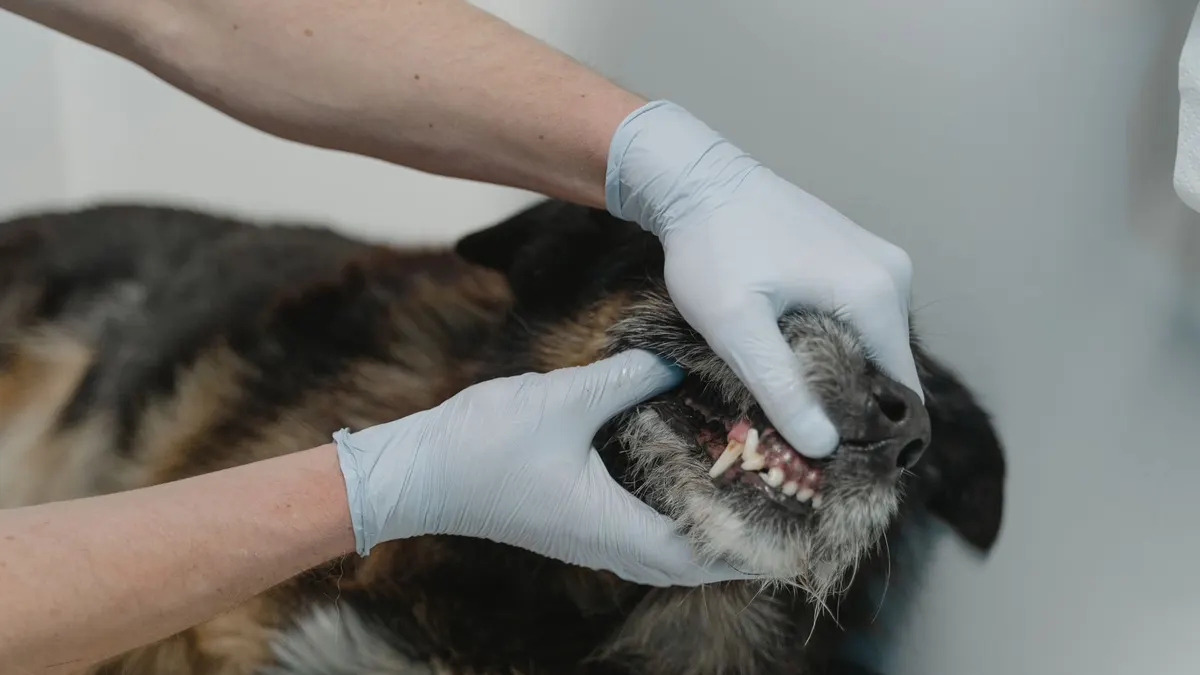
If your dog resists, shows tension, pulls away, drools heavily, or flinches when the mouth is touched, do not assume it is simply “routine refusal.” Some dental problems make tooth brushing uncomfortable or painful.
Signs the dog may need a professional dental check include:
- persistent bad breath
- difficulty eating
- bleeding gums
- red or swollen gums
- chewing on one side more than the other
Keep it part of a broader routine
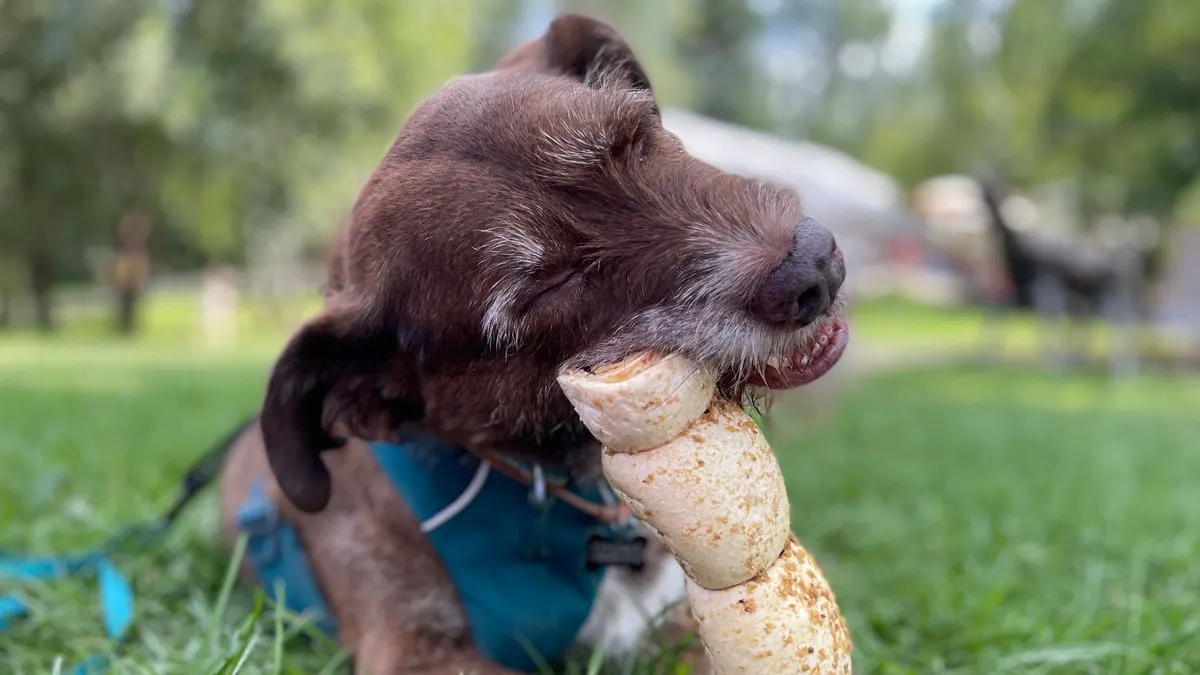
Brushing works best alongside other oral health habits. A dog that has a predictable daily routine, proper mealtime structure, and regular observation is easier to monitor for changes in appetite and comfort.
See senior-dog-dental-care and senior-dog-daily-routine for more practical guidance.
Bottom line
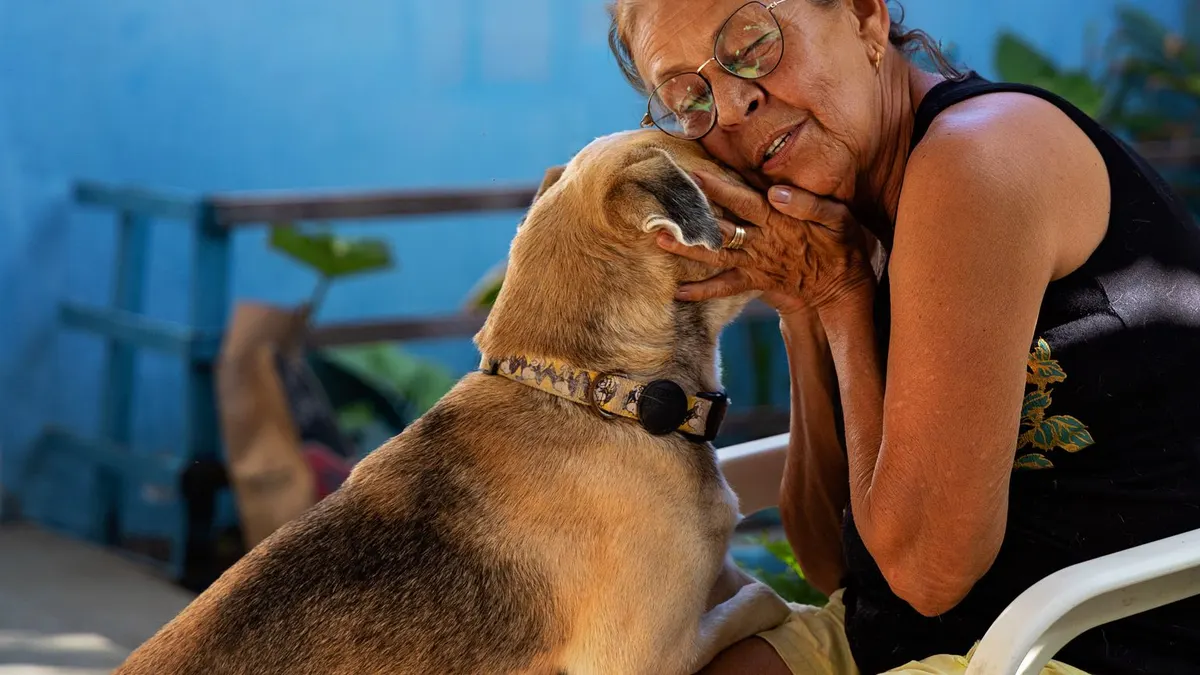
Brushing an older dog’s teeth is most successful when it is short, gradual, and based on comfort. A calm, steady routine builds trust and helps maintain oral health without creating a stressful experience for the dog.
Related guides
- Senior Dog Dental Care
- Senior Dog Mealtime Routine
- Senior Dog Daily Routine
- Managing Incontinence in Senior Dogs
FAQ
Is it normal for a senior dog to resist tooth brushing?
Yes, especially if the dog is sensitive or has discomfort in the mouth. Patience and a slower approach usually work better than forcing a full cleaning.
Can I use my own toothpaste?
No. Pet-safe toothpaste is the correct choice for dogs.
How long should a brushing session be?
Very short sessions are often better. A few teeth or a brief clean is better than a rushed session that creates stress.
When should I get a dentist or vet involved?
If the dog has signs of pain, persistent bad breath, or trouble eating, it is worth a veterinary exam.