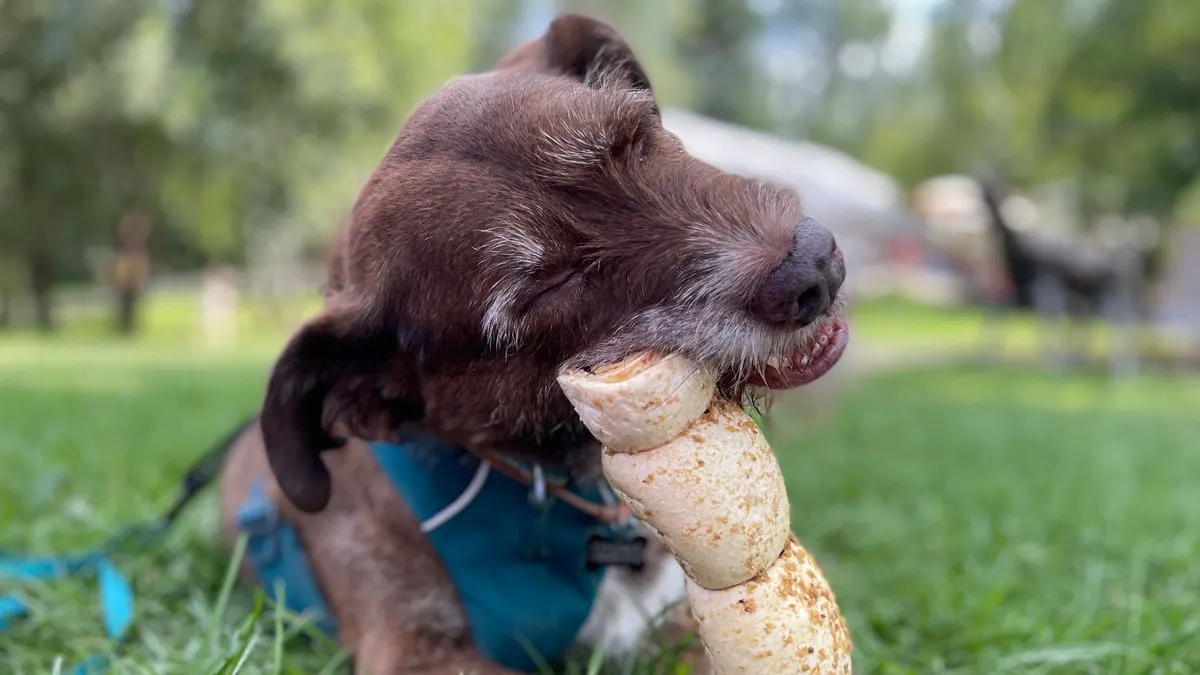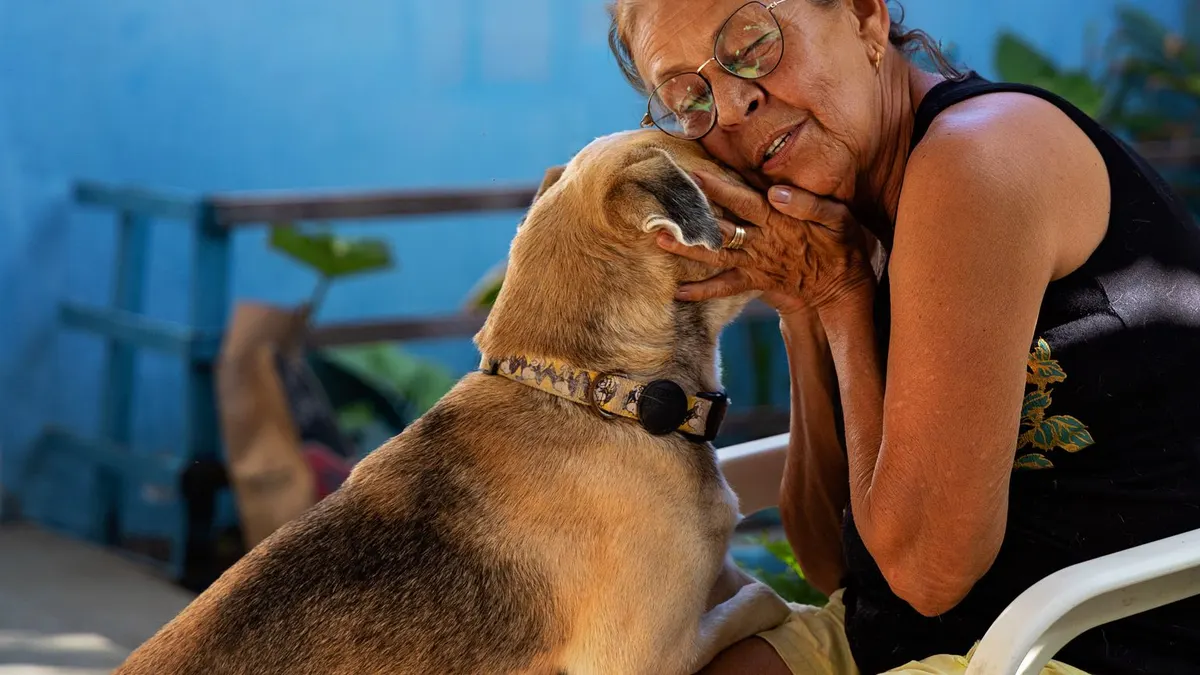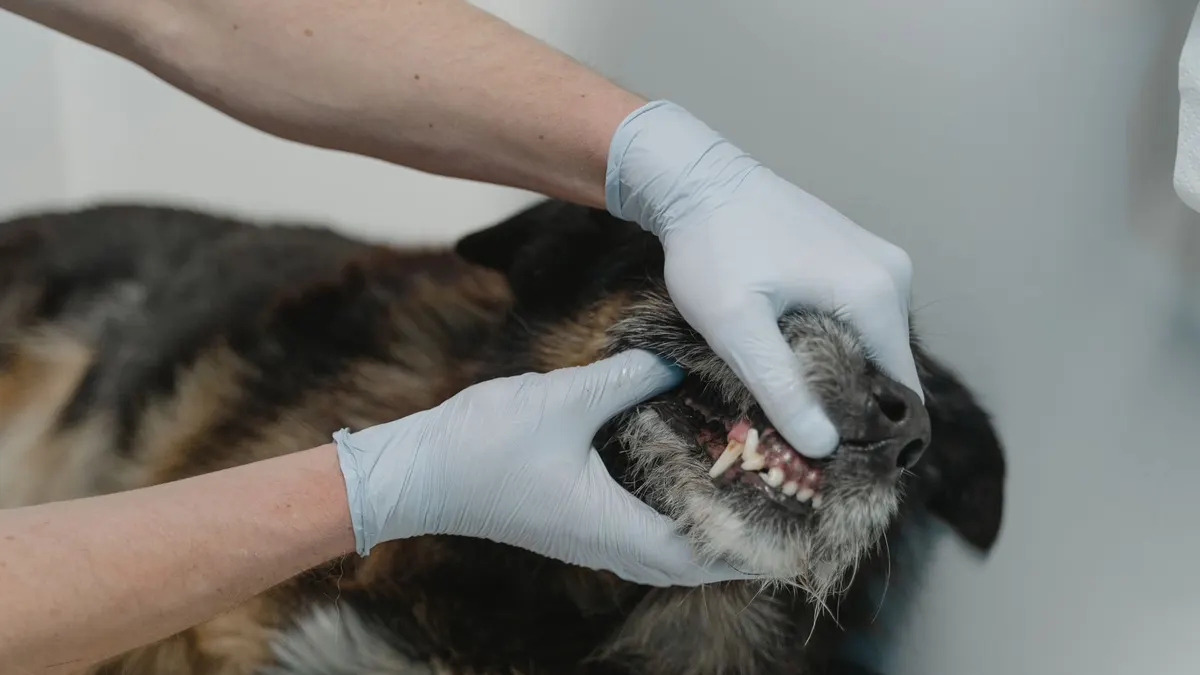
Mouth care can be difficult when a dog is older or sensitive, but a gradual routine is usually far more effective than trying to force a full cleaning in one attempt. Senior dogs often do better when the process feels calm, brief, and predictable.
Quick answer
A good senior dog dental routine starts with gentle handling, short sessions, and veterinary-approved tools. The goal is not perfection in a single minute. It is consistency over time without creating fear or discomfort.
Start slow and build trust
Before brushing, let your dog sniff the toothbrush and taste a pet-safe toothpaste. Keep the early sessions very short and stop if the dog seems uncomfortable or resistant. A calm, positive pattern is better than rushing the dog into a stressful routine.
Use the right tools
Only use toothpaste made for dogs. Human toothpaste is not appropriate for dogs. A toothbrush designed for pets is also better than a basic household brush because it is shaped for a dog’s teeth and gums.
Watch for signs the mouth may be uncomfortable
A dog that is eating less, dropping food, chewing carefully, pawing at the face, drooling, or avoiding certain toys may be having dental discomfort. A lingering smell, visible redness, or loose teeth are also worth paying attention to.
A dental routine should include more than brushing
Good oral care is not only about brushing. It is also about noticing patterns and scheduling regular veterinary guidance when needed. Dental issues are easier to prevent or catch early when you track changes in eating and behavior.
See how-to-brush-an-older-dogs-teeth and senior-dog-daily-routine for more practical care structure.
When a professional exam matters
If your dog has persistent bad breath, mouth pain, swelling, a sudden change in eating, or visible dental issues, it is a good idea to talk with a veterinarian. A gradual routine is important, but it should not delay care for a painful or serious change.
Bottom line
A comfortable dental routine for a senior dog is built on patience, regularity, and attention to what feels normal for the dog. Good oral care is a small daily practice that can make a real difference in comfort and quality of life.
Related guides
- How to Brush an Older Dog’s Teeth
- Senior Dog Daily Routine
- Senior Dog Mealtime Routine
- Managing Incontinence in Senior Dogs
FAQ
Is brushing really worth it for an older dog?
Yes, when it is done gently and consistently. It often makes a big difference in comfort and oral hygiene over time.
How do I know if my dog is resisting because of fear or pain?
If the dog is especially tense, withdrawing, or showing signs of pain, it is worth slowing down and paying attention to the mouth. Pain and fear are different, and both deserve care.
Are dental chews enough?
They can be helpful, but they are not a replacement for regular brushing or veterinary guidance when dental issues are present.
When should I schedule a dental exam?
If there are persistent mouth issues, appetite changes, or obvious discomfort, a veterinarian is the right person to evaluate the dog.