Dental chews are one of the most commonly bought products for senior dogs — and one of the most commonly misused. The wrong chew either does nothing for plaque or actively risks a cracked tooth, which matters more once a dog is older and anesthesia for dental work becomes a bigger decision.
This guide covers what actually makes a chew suitable for an aging mouth, how to size and use one safely, and where the honest limits of chews are.
Quick answer
The best dental chews for older dogs are VOHC-approved, sized larger than the dog can swallow whole, and soft enough that your thumbnail can dent them. Chews help reduce plaque between cleanings, but they do not treat existing gum disease and do not replace brushing.
Why senior teeth change what "safe" means
A chew that was fine at age three can be a problem at age twelve, for reasons specific to aging mouths:
- More brittle teeth. Older teeth accumulate micro-damage and are more likely to fracture on very hard chews — antlers, hooves, bones, and nylon-style chews are the usual culprits.
- Gum recession and exposed roots. A hard chew that scrapes exposed root surfaces is painful, and pain makes dogs guard their mouths or give up chewing altogether.
- Missing or loose teeth. The chewing pattern changes, so the "right size" changes too — a dog missing upper premolars may gulp pieces that used to be ground down.
- Existing periodontal disease. Chews work on the tooth surface above the gumline. Once pockets and infection exist below the gumline, no chew fixes that; only veterinary treatment does.
This is why the first question is not "which brand" but "what can this specific mouth handle."
What to look for in a dental chew
Five criteria do most of the work:
- VOHC approval. The Veterinary Oral Health Council awards its seal to products with published evidence of plaque or tartar reduction. It is the single most useful filter on the shelf.
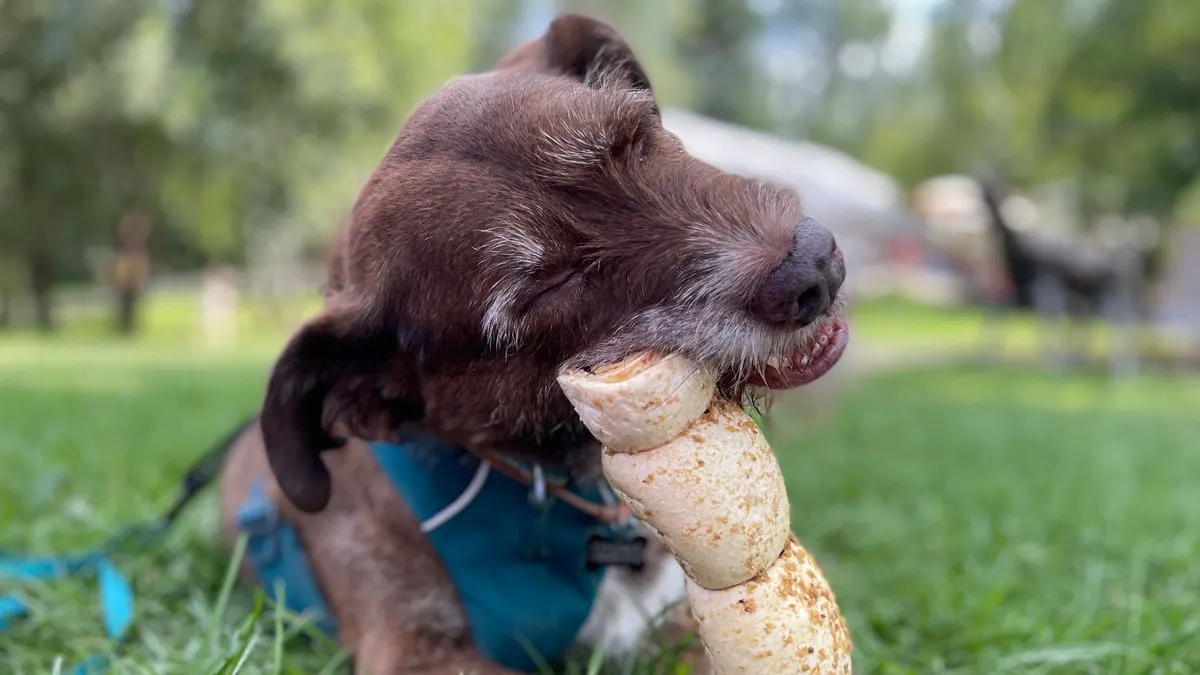
- Bendable, not breakable. Press the chew with your thumbnail. If it dents, it is in a safer hardness range. If it feels like a rock, treat it as a tooth-fracture risk regardless of marketing claims.
- Size above swallow threshold. The chew should be noticeably larger than what the dog could gulp in one or two bites, especially for dogs who tend to bolt food.
- Calories you count. Check the calorie line on the label. For a small senior dog, one chew can be 10–20% of daily calories.
- Digestibility. Highly digestible, single-purpose chews cause fewer GI surprises than rawhide-style products, which can swell or form obstructions — a bigger risk in older dogs with slower digestion.
📊Dental Chew Options for Senior Dogs Compared
| Option | Plaque benefit | Main risk for seniors | Best fit |
|---|---|---|---|
| VOHC-approved edible chews | Tested evidence of plaque/tartar reduction | Calorie load; check for grain or protein sensitivities | Most senior dogs as a daily routine chew |
| Soft rubber chew toys (with paste) | Works only if the dog chews willingly and often | Little benefit for dogs who lose interest quickly | Dogs who like to mouth and gnaw but need low calories |
| Vegetable-based dental sticks | Mild benefit; texture does most of the work | Low protein but calories add up; some dogs gulp them | Small dogs, frequent use, or calorie-conscious households |
| Antlers, hooves, bones, nylon chews | None proven for plaque | Tooth fractures; too hard for most senior mouths | Generally avoid for senior dogs |
Click on any product to view full details and reviews
Sizing: the part owners get wrong most often
Package size charts are a starting point, not a guarantee. Adjust for the individual dog:
- Weight charts miss mouth shape. A narrow-muzzled dog may handle a smaller chew safely than a broad-jawed dog of the same weight.
- Count the teeth that do the work. If molars are missing on one side, the dog will chew on the other — size the chew so the working side can manage it comfortably.
- Small dogs need proportionally more caution. Toy breeds are prone to both dental crowding and tooth loss; what looks like a "small dog" chew can still be gulpable.
- When in doubt, size up in softness rather than in hardness. A softer chew that gets gnawed longer is doing more than a rock-hard one that cracks a premolar.
Using chews safely day to day
📋Dental Chew Safety Checklist for Senior Dogs
0/8 completed- Thumbnail test passed: the chew dents under pressure, it does not feel like a rock
- Size is bigger than the dog could swallow in one gulp
- Calories are counted within the dog's daily food budget
- First few sessions are supervised — watch how the dog chews, gulps, or hides it
- Water is available; chews are given after or between meals, not as meal replacement
- No antlers, hooves, cooked bones, or nylon-style hard chews
- Loose teeth, bleeding gums, or mouth pain → vet visit before continuing any chew
- Chew is retired once it gets small enough to swallow
Three habits make chews actually work instead of just adding calories:
- Consistency beats intensity. A right-sized chew most days of the week does more than an occasional marathon gnawing session.
- Watch the first three chews, not just the first one. GI upset (loose stool, vomiting) often shows up on day two or three of a new product, not immediately.
- Retire the end piece. The last gulping-sized fragment is where choking and obstruction risk lives.
VOHC-Approved Dental Chews for Dogs
Compare chews carrying the Veterinary Oral Health Council seal for plaque or tartar control. Check the VOHC category (plaque vs tartar), calorie count per piece, size range, and whether the texture stays bendable rather than rock-hard.
Look for:
- the VOHC seal and which claim it covers (plaque, tartar, or both)
- calories per chew and the recommended frequency for your dog's weight class
- ingredient list your dog has tolerated before
Dental Chews for Small and Toy-Breed Senior Dogs
Compare softer, smaller-format dental chews sized for tiny mouths and crowded teeth. Prioritize bendable texture, a size the dog cannot gulp, and lower calorie-per-piece options for daily use.
Look for:
- texture soft enough for a dog with missing or worn teeth
- piece size clearly below the gulping threshold for the breed
- lower-calorie formats if the chew is a daily habit
Vegetable-Based Dental Sticks for Daily Use
Compare plant-based dental sticks that work through texture rather than hardness. Check ingredient digestibility, calorie count, whether the stick softens as the dog works on it, and VOHC status where listed.
Look for:
- gentle abrasion texture suitable for daily frequency
- short, recognizable ingredient list
- stick size that matches a senior dog's actual chewing pace
When a chew is not the answer
Some situations need a veterinarian rather than a product:
- Bad breath that appeared or worsened recently. Halitosis is a symptom of infection below the gumline, not something a chew masks.
- Dropping food, chewing on one side, or pawing at the mouth. These are pain behaviors. A chew will not fix a fractured tooth or root abscess.
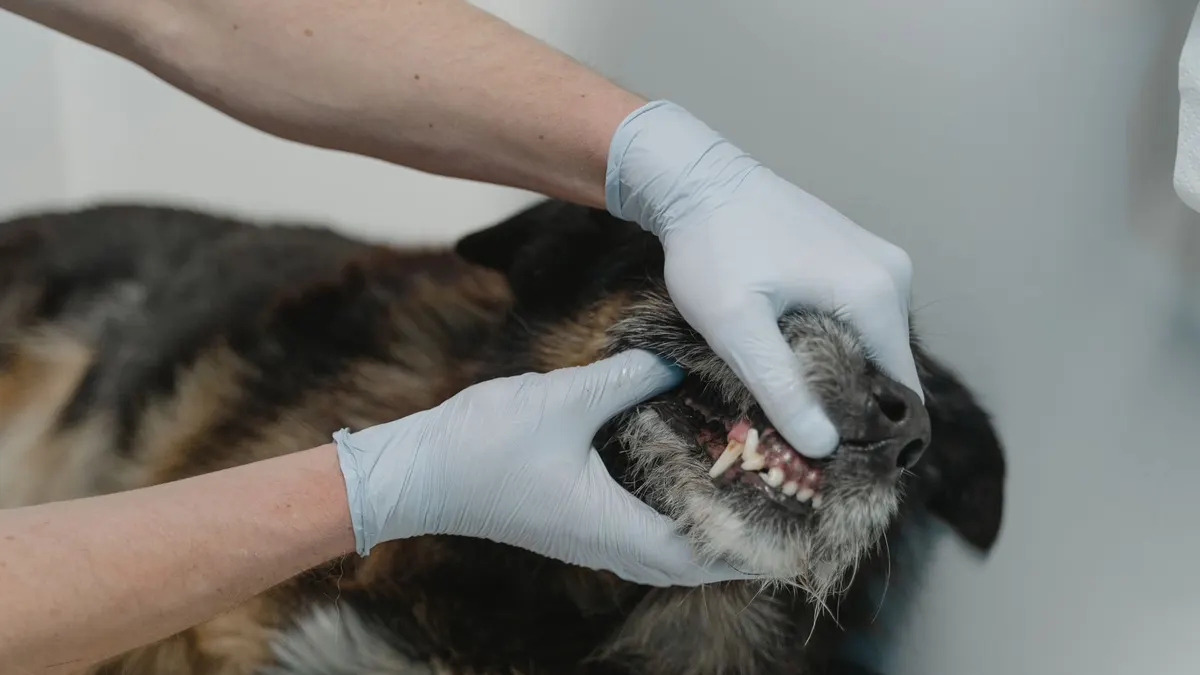
- Visible tartar buildup and red gumline. This needs a professional dental cleaning — and in senior dogs, that means a conversation about anesthesia fitness, pre-anesthesia bloodwork, and timing.
- Bleeding from the mouth or sudden refusal to chew. Prompt appointment, not a monitor-and-wait situation.
Anesthesia worry is the most common reason owners avoid dental cleanings for old dogs. It is a legitimate concern and worth discussing openly with your vet — untreated dental disease also carries real risk, so the honest comparison is between two risk profiles, not between risk and zero.
Related guides
- Senior Dog Dental Care
- Senior Dog Grooming: A Simple Routine
- Senior Dog Mealtime Routine
- How Often Should a Senior Dog See the Vet?
- Senior Dog Daily Routine
- How to Trim the Nails of a Senior Dog Safely
FAQ
Are dental chews safe for a senior dog with missing teeth?
Usually yes, but the chew must be soft enough to bend and sized so the dog chews on the side with teeth left. Dogs with loose or painful teeth should be seen by a vet before starting any new chew.
What does VOHC approval mean for dental chews?
The Veterinary Oral Health Council tests products for plaque and tartar control. A VOHC seal means the product has published evidence it works — which is more than most dental chews can claim.
How hard is too hard for an older dog's chew?
Use the thumbnail test: if you cannot press your thumbnail into it or dent it slightly, it is hard enough to crack a tooth. Senior teeth are more brittle than adult teeth.
Can dental chews replace brushing for a senior dog?
No. Chews reduce some plaque but do not clean below the gumline, which is where periodontal disease starts. Chews are a supplement to brushing, not a replacement.
How many calories are in dental chews for dogs?
Many dental chews contain 50 to 100+ calories per piece. For a senior dog on weight management, that is a meaningful part of the daily budget and should be counted, not treated as free.