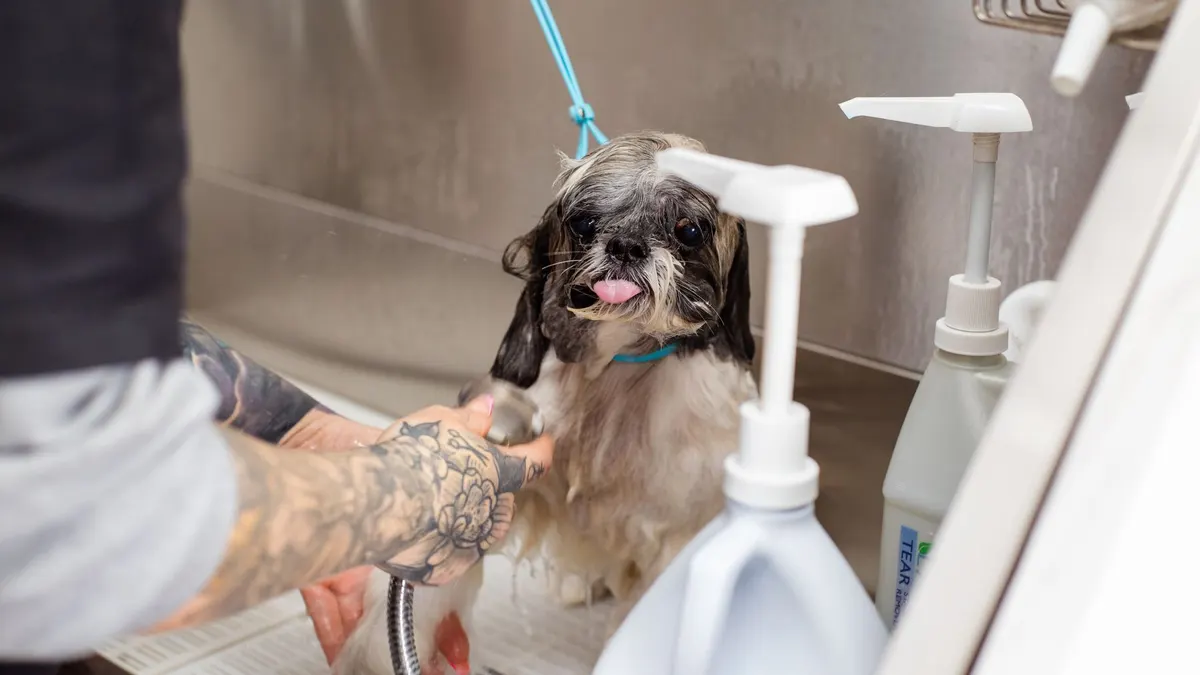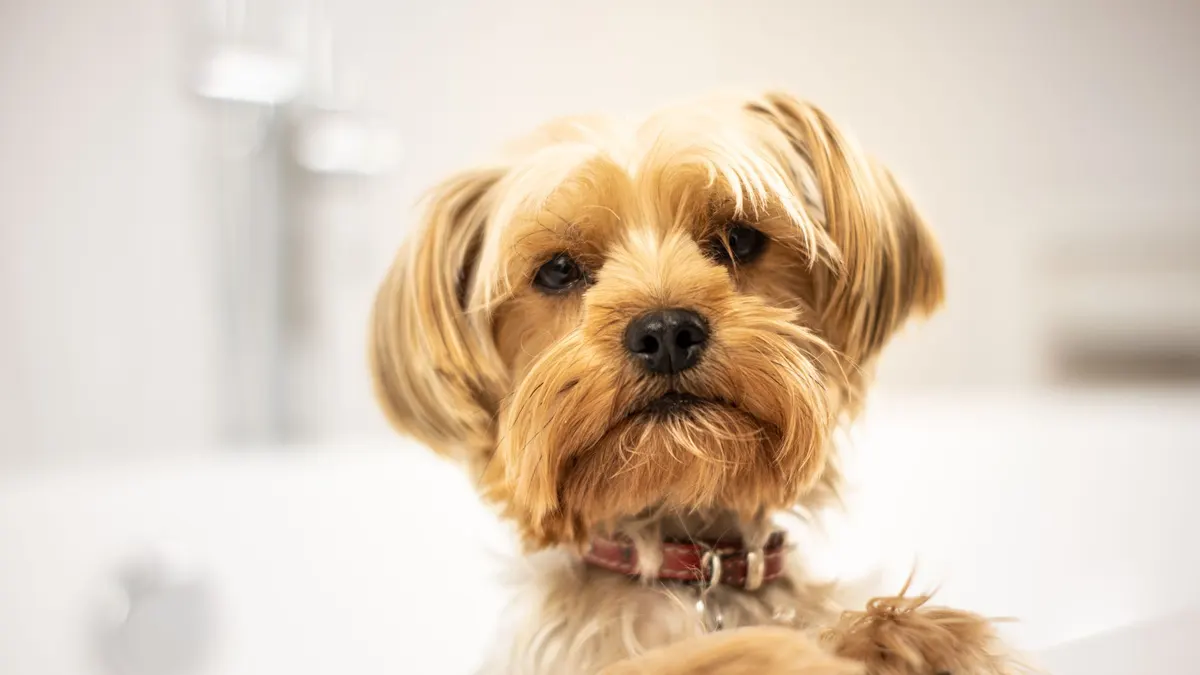
Bathing a senior dog is less about hitting a perfect number and more about matching the dog’s coat, skin, mobility, and daily comfort. Some older dogs need a bath only when they are muddy or greasy. Others with skin issues, heavy shedding, or a longer coat may need a slightly more regular routine.
Quick answer
Many senior dogs do best with fewer, gentler baths rather than a rigid schedule. If the dog has dry skin, sensitive skin, or mobility issues, a short, calm bath every few weeks or as needed is often more comfortable than frequent scrubbing.
Start with the dog’s coat and skin
The right bathing rhythm depends on what the dog is dealing with:
- short-coated dogs may need less frequent bathing
- dogs with skin irritation may need a gentle routine and a vet-aware product choice
- dogs that spend time outdoors may need extra cleaning after mud, pollen, or oily buildup
- dogs with a dense or long coat may need more brushing and maintenance between baths
A senior dog with sensitive skin may not tolerate frequent baths as well as a dog with a shorter coat and no skin issue.
Avoid over-bathing
Frequent baths can strip natural oils and make skin feel dry or itchy. For senior dogs, too much bathing can lead to discomfort, especially when the dog is already prone to skin sensitivity or low tolerance for stress.
That is why a practical bath schedule usually works better than a generic “once a month” rule. Watch the dog’s skin, smell, and comfort before deciding.
Make the bath easy on the dog
Older dogs often do better when the bath is calm and gentle:
- use warm, not hot, water
- keep the room quiet and predictable
- use a non-slip mat in the tub or sink
- avoid rushing the process
- dry the dog fully afterward, especially in cooler rooms
If the dog is stiff or has trouble standing, a shorter bathing routine with more support can be a better fit than a full salon-style wash.
Watch for signs a bathing routine needs adjusting
A bath routine may be too much if your senior dog has:
- itchy or red skin after bathing
- dry, flaky patches
- shaking or discomfort after the wash
- stress when the bath begins
- more scratching or licking after grooming
If that pattern keeps happening, a gentler routine or a product check is worth doing.
When to ask a veterinarian
A vet conversation makes sense if the dog has skin redness, recurring itching, an odor that seems unusual, or repeated discomfort after bathing. These signs may be more than a grooming issue and can reflect skin or health problems that deserve attention.
Bottom line
The best bathing schedule for a senior dog is the one that keeps the dog clean, comfortable, and not over-dry or over-stressed. In many cases, a calmer, less frequent routine is better than bathing too often.
Related guides
FAQ
How often should I bathe a senior dog?
Often less than you think. Many older dogs do well with a bath when needed or every few weeks, depending on coat and skin.
Can too many baths hurt my dog?
Yes. Over-bathing can dry out skin and make a senior dog more uncomfortable.
What is the easiest way to make baths less stressful?
Use warm water, a non-slip mat, and a quiet, predictable routine.
When should I check with a vet?
If the dog has skin irritation, persistent scratching, or a change in smell or coat condition, a vet review is a smart next step.