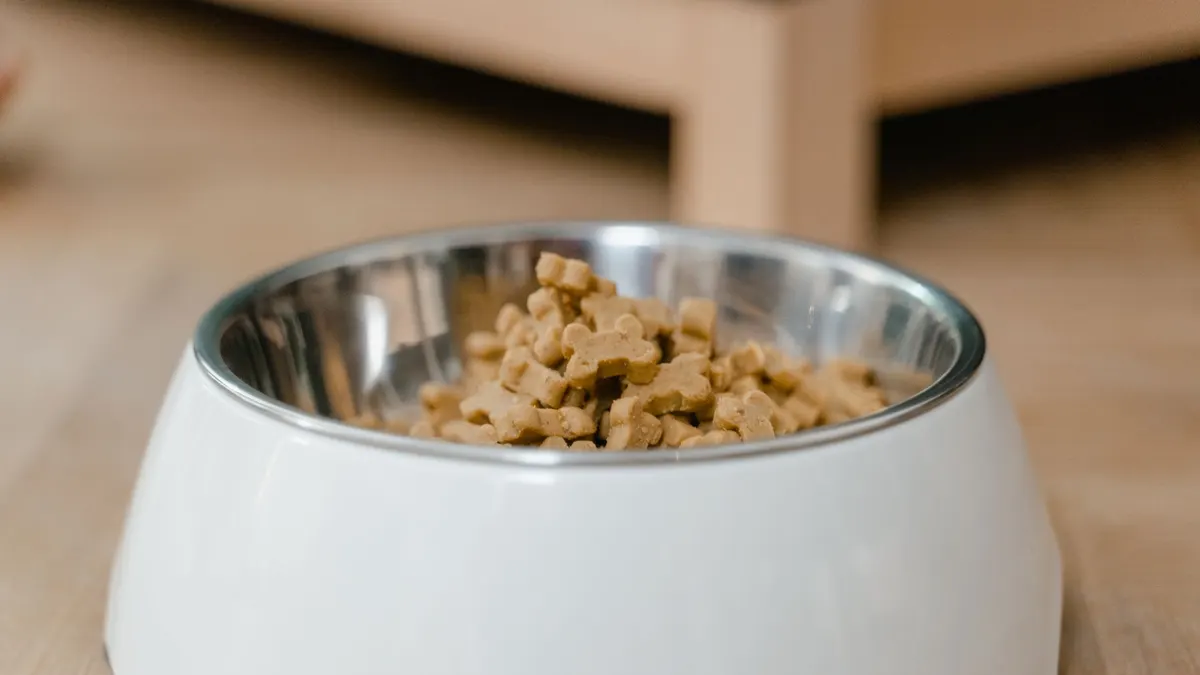
A stable bowl may not seem like a big home-safety upgrade, but for senior dogs it can make a surprising difference. If a bowl slides, rocks, or tips during meals, your dog has to work harder to eat and may become more hesitant around the feeding area. For an older dog, small changes to the feeding setup can reduce stress and make routine care feel easier.
Quick answer
The best non-slip dog bowls for senior dogs are stable, low-profile, easy to clean, and matched to the dog’s eating posture. A bowl that stays put helps reduce spills, supports a calmer routine, and makes mealtime less frustrating for dogs who are slower or a little less steady on their feet.
Why bowl stability matters more with age
As dogs get older, they often need more predictable, lower-effort routines. A bowl that slides when the dog lowers the head or nudges it with a paw can cause a frustrating or messy meal. For a senior dog, that kind of daily friction adds up.
This is especially relevant if your dog:
- hesitates at the feeding area
- knocks the bowl around during meals
- seems less comfortable bending down or eating from a raised surface
- has a bigger appetite for water but drips more than usual
- is slower to settle after meals
The right bowl does not fix a medical issue by itself, but it can make meal time easier and more comfortable.
What to look for in a senior dog bowl
1. A stable base
A bowl with a wide, heavy base is less likely to rock or slide. This matters most in homes with hardwood floors, tile, or smooth surfaces that make lightweight bowls harder to manage.
2. A low or moderate height
Some dogs do better with a slightly raised bowl, especially if they need less neck strain. Others do better with a lower, steady bowl if their body is more sensitive to bending or neck position. In general, the goal is comfort, not a specific height trend.
3. A design that reduces spills
If your dog eats quickly, drinks a lot, or makes a mess while eating, a bowl with a deeper profile or a broad lip may help keep the area cleaner. A bowl that stays in one spot can also reduce the need to constantly adjust the setup.
4. Easy cleaning
Older dogs may be more likely to track food or water around the area. Bowls that are easy to rinse, wash, and dry can make daily care more manageable and more consistent.
Best bowl types for older dogs
Non-slip stainless steel bowls
These are a practical option if you want a durable surface that is easy to clean. A stainless steel bowl with a rubber or silicone base can stay more stable than a lightweight ceramic bowl on smooth floors.
Best for:
- dogs that knock bowls around
- homes with slippery floors
- owners who want easy cleaning
Possible downside:
- some dogs may prefer a more shallow or softer-feeling bowl
Silicone or rubber bowls
These are often easy to grip and less likely to slide. They can also be helpful in homes where a dog drinks heavily or gets excited at mealtime.
Best for:
- dogs that bump the bowl during feeding
- smaller meal areas or tight kitchen setups
- owners looking for light, flexible options
Possible downside:
- these bowls may wear faster or be less sturdy than stainless steel if the dog is very heavy or enthusiastic during meals
Elevated feeding stations
A raised setup can reduce strain for some senior dogs, especially if they have difficulty lowering their head to the floor. But this is not a one-size-fits-all solution. A raised station is only helpful if it matches the dog’s body and the feeding area remains stable and easy to navigate.
Best for:
- dogs with comfortable posture at a higher bowl height
- dogs that seem to strain or struggle to reach the floor
Possible downside:
- the wrong height can create extra neck or shoulder strain
- a raised station can become harder to clean or navigate if it is too tall or too bulky
What to avoid
A bowl is not a good fit if it:
- tips easily when the dog reaches for it
- slides on a smooth floor
- is too low or too high for your dog’s natural posture
- creates a major spill problem in a high-traffic area
- is hard to clean and dries poorly between meals
A “better” bowl is not automatically the most expensive one. It is the bowl that makes feeding easiest, least stressful, and most consistent for your dog.
How to set up the feeding area for an older dog
Try this simple approach:
- place the bowl on a stable, non-slip surface
- keep the feeding area away from a busy walkway or high-traffic corner
- choose a spot with good lighting and room to move back out comfortably
- watch whether the dog can eat without hesitation or wobbling
- recheck the setup after a few days to see if the pattern improves
If your dog seems hesitant near the bowl or has trouble getting comfortable, it may be worth looking at the broader home setup as well. For example, a more stable feeding station can complement how-to-make-hardwood-floors-safer-for-dogs and senior-dog-home-safety-checklist.
When to talk to a veterinarian
A bowl change can help with daily comfort, but it is not a substitute for veterinary advice. Talk with a veterinarian if your dog has:
- sudden changes in appetite
- trouble swallowing
- repeated gagging or choking
- weight loss
- pain when lowering the head
- new weakness, stumbling, or repeated falling during meals
If the issue seems to be getting worse over time, a veterinary evaluation can help rule out a broader mobility or health problem.
Bottom line
For senior dogs, the best non-slip bowl is usually the one that stays put, feels comfortable to use, and fits the dog’s routine. A stable feeding setup can reduce spills, lower mealtime friction, and make the home feel easier to manage without adding extra stress.
Related guides
- How to Make Hardwood Floors Safer for Dogs
- Senior Dog Home Safety Checklist
- Raised vs Floor Dog Bowls for Older Dogs
- How to Make Food and Water Easier for a Senior Dog
FAQ
Why do older dogs need non-slip bowls?
Older dogs often benefit from fewer surprises and less daily effort. A non-slip bowl can stay in place while your dog eats or drinks without a wobble, spill, or extra frustration.
Are raised bowls always better for senior dogs?
No. Raised bowls may help some senior dogs, but others do better with lower, more stable bowls. The best option depends on your dog’s posture, comfort, and mobility.
Should I choose stainless steel or silicone bowls?
Both can work well. Stainless steel is durable and easy to clean, while silicone is lightweight and less likely to slide. The best choice depends on your dog’s eating habits and floor surface.
When should I look beyond the bowl?
If your dog is showing repeated falls, pain, or a sudden decline in comfort, the feeding setup may not be the only issue. A broader home safety and mobility review is worth doing, and a veterinarian can help sort out what is environmental versus health-related.