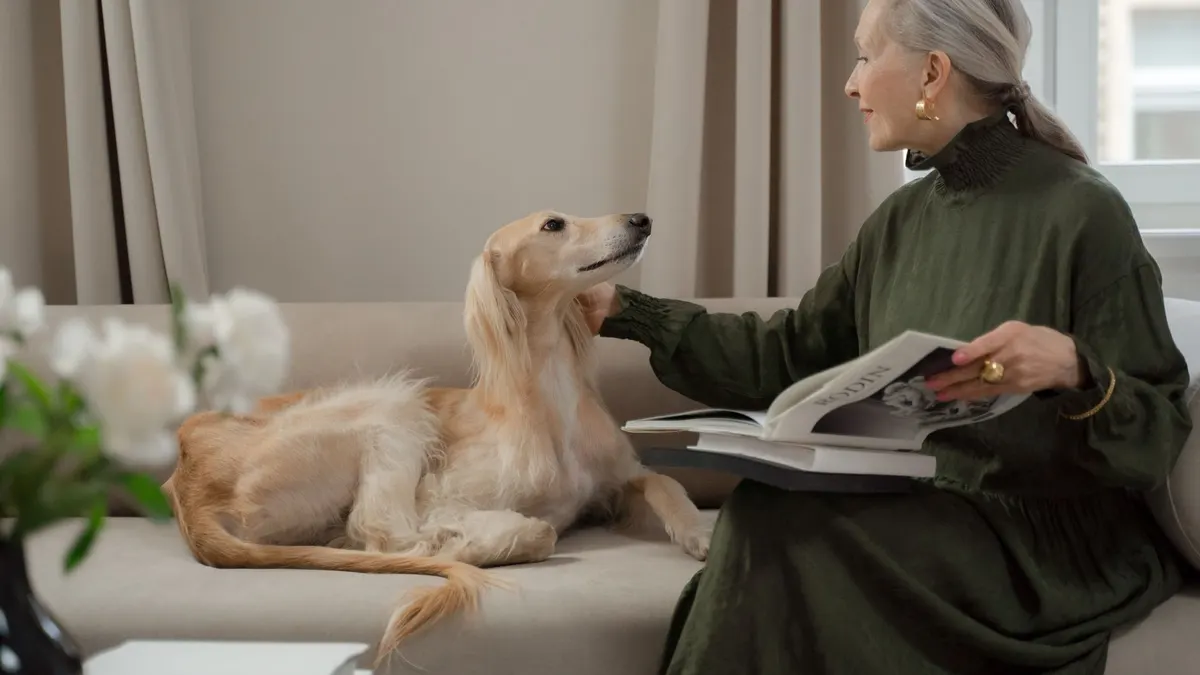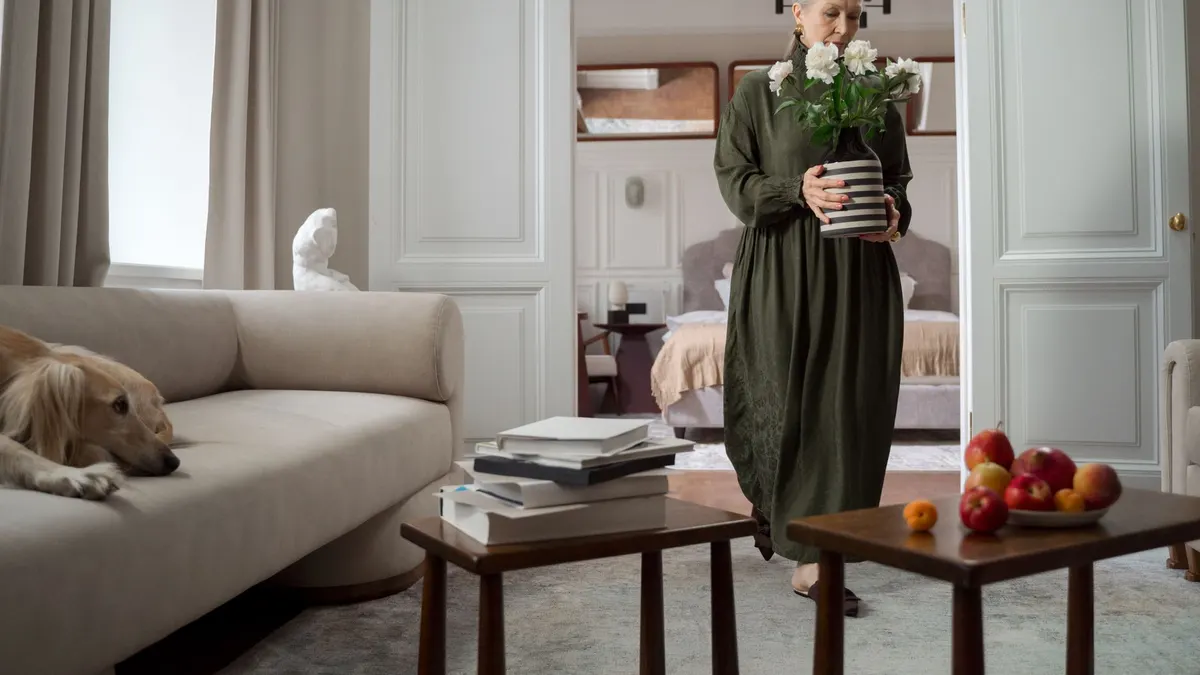
A baby gate is useful for senior dogs when it helps create safer movement patterns without adding stress. The goal is not to restrict the dog unnecessarily. It is to guide traffic, reduce risky access, and keep daily routes predictable.
Quick answer
The best baby gates for senior dogs are sturdy, easy to open, and placed where they improve safety without creating new obstacles. A good gate supports a calmer home routine and reduces the number of risky or confusing paths the dog has to manage.
Why gates matter more in older dogs
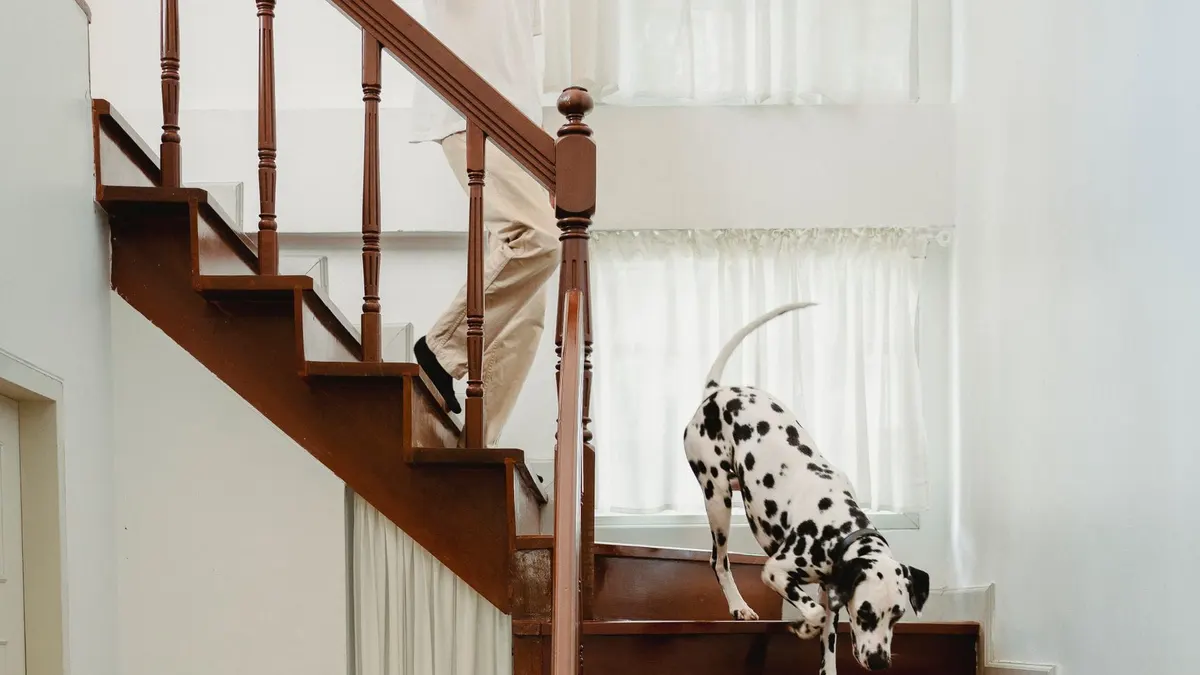
Senior dogs often move carefully and may be less confident when they have to navigate stairs, tight corners, or unfamiliar room changes. A gate can help define safe routes and block access to places that are harder for the dog to navigate.
This is especially helpful in homes where:
- the dog is aging into slower movement
- stairs are a risk
- a room has lots of foot traffic
- you want to separate a sleeping zone from a busier area
What makes a gate senior-dog friendly
Look for features like:
- a strong, stable frame
- a latch that is easy to operate
- a design that does not create a sudden trip hazard
- enough height to clearly define the boundary without feeling overly restrictive
- a gate that fits the exact route your dog uses most often
A gate that is too narrow, too awkward, or too difficult to open may become a barrier for you and a frustration for the dog.
Use gates to support routine, not to create chaos
The best home safety choices are usually the ones that make daily life easier and more predictable. A gate should not force a dog to make a harder turn, squeeze through a tight area, or feel confused about where the safe path is.
If the dog hesitates at the same gate repeatedly or seems unsure about the route, it is worth adjusting the setup rather than forcing the behavior.
Pair gates with other safety improvements
A gate works even better when it is part of a broader plan. Non-slip flooring, clear paths, and restful sleeping areas all make a route easier and safer for an older dog.
See how-to-make-your-home-safe-for-a-senior-dog and senior-dog-home-safety-checklist for a fuller home-safety setup.
When to think beyond the gate
If your dog is stumbling, falling more often, or struggling through normal rooms, the gate may not be the real solution. A mobility review or veterinary exam may be the better next step.
Bottom line
The best baby gate for a senior dog is the one that supports safe, predictable movement without creating needless friction. Smart home design often helps more than adding more equipment.
Related guides
- How to Make Your Home Safe for a Senior Dog
- Senior Dog Home Safety Checklist
- How to Create a Safe Sleeping Area for an Older Dog
- How to Help a Senior Dog Navigate the House at Night
FAQ
Is a baby gate helpful for older dogs?
Yes, when it blocks riskier routes or creates a calmer boundary without creating new confusion.
What makes a gate senior-dog friendly?
Stability, easy operation, and clear placement matter more than a fancy design.
Should I use a gate for all rooms?
No. The best use is in the areas that have real safety value for your dog’s routine.
When should I look beyond the gate?
If the dog is falling, stumbling, or struggling in multiple rooms, a broader mobility or medical evaluation may be needed.