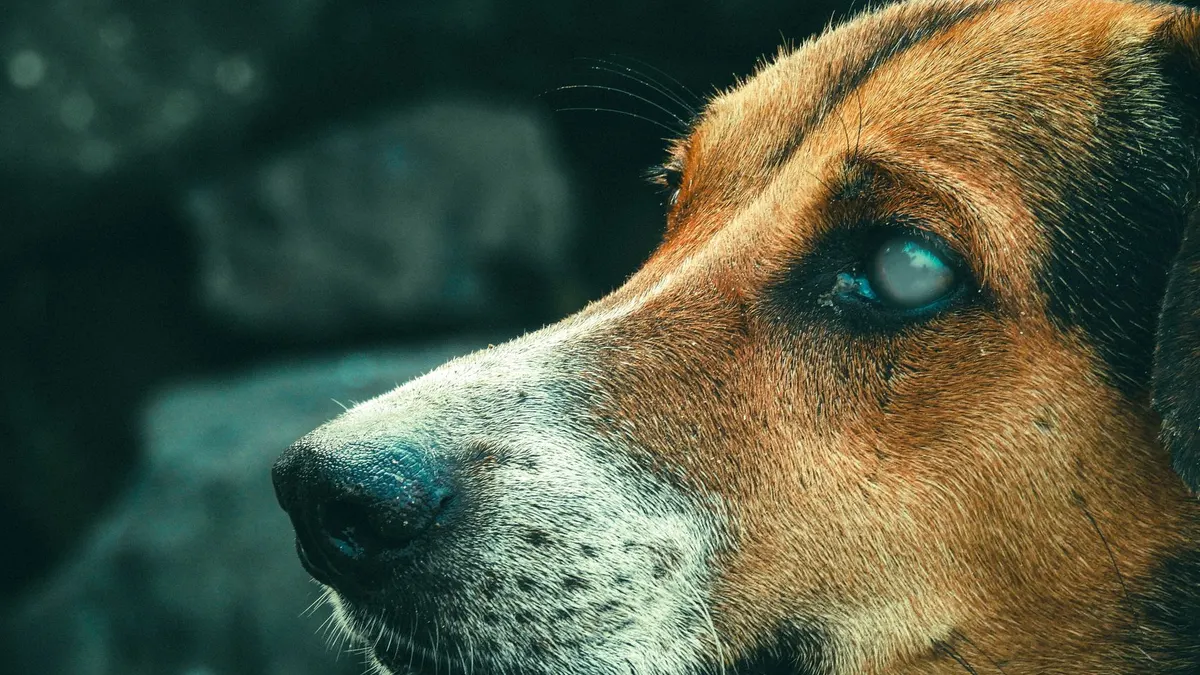
Nighttime navigation can become a real challenge for senior dogs, especially if the house is dark, the dog is less confident, or the route to the bed or water is not obvious. Older dogs do best when their environment feels familiar, calm, and easy to read.
Quick answer
The easiest way to help a senior dog navigate the house at night is to create a clear, low-traffic route with gentle light, stable footing, and a predictable routine. Small changes often help more than major home changes.
Start with the dog’s usual nighttime route
Notice how the dog moves after dark. Is the dog going from bed to door? From bed to water bowl? From bedroom to kitchen? The route is usually the same every night, and that makes it easier to improve.
A few practical fixes that often help:
- place a soft light along the path
- keep floor surfaces as non-slip as possible
- avoid clutter in the usual route
- make sure the bed and water are easy to reach without climbing or tight turns
Use gentle lighting instead of bright rooms
A bright room can be jarring, but a very dark house can also be hard for an older dog. A soft, low-glare light works well because it improves visibility without creating sensory overload.
See best-night-lights-for-senior-dogs for product ideas and setup guidance.
A calm structure matters
Senior dogs often feel more confident when the route is predictable. Keep the same general nighttime layout, avoid moving furniture suddenly, and make sure the dog can find the bed and water without uncertainty.
This is especially helpful if the dog seems restless or unsure when waking up at night.
Watch for warning signs
If the dog is stumbling, falling, or acting much less steady than usual, a broader mobility problem may be involved. Night navigation issues can be aggravated by pain, weakness, or vision changes, so a vet review may be necessary.
Bottom line
Helping a senior dog navigate the house at night is usually about clarity, calm, and repeatability—not creating a bigger overhaul. A few thoughtful changes often boost confidence and reduce hesitation.
Related guides
- Best Night Lights for Senior Dogs
- How to Create a Safe Sleeping Area for an Older Dog
- How to Make Your Home Safe for a Senior Dog
- Senior Dog Bedroom Setup
FAQ
Does my dog need a light in every room?
No. A small number of lights placed on the dog’s actual nighttime routes is usually enough.
What if the dog still hesitates at night?
Check the route for clutter, slippery flooring, and barriers that force awkward movements.
Is nighttime confusion always a home setup issue?
Not always. If it is worsening or paired with weakness, it is worth discussing with a veterinarian.
Can this be improved without making the whole house brighter?
Yes. Soft, targeted lighting and clear routes often work better than bright whole-house lighting.