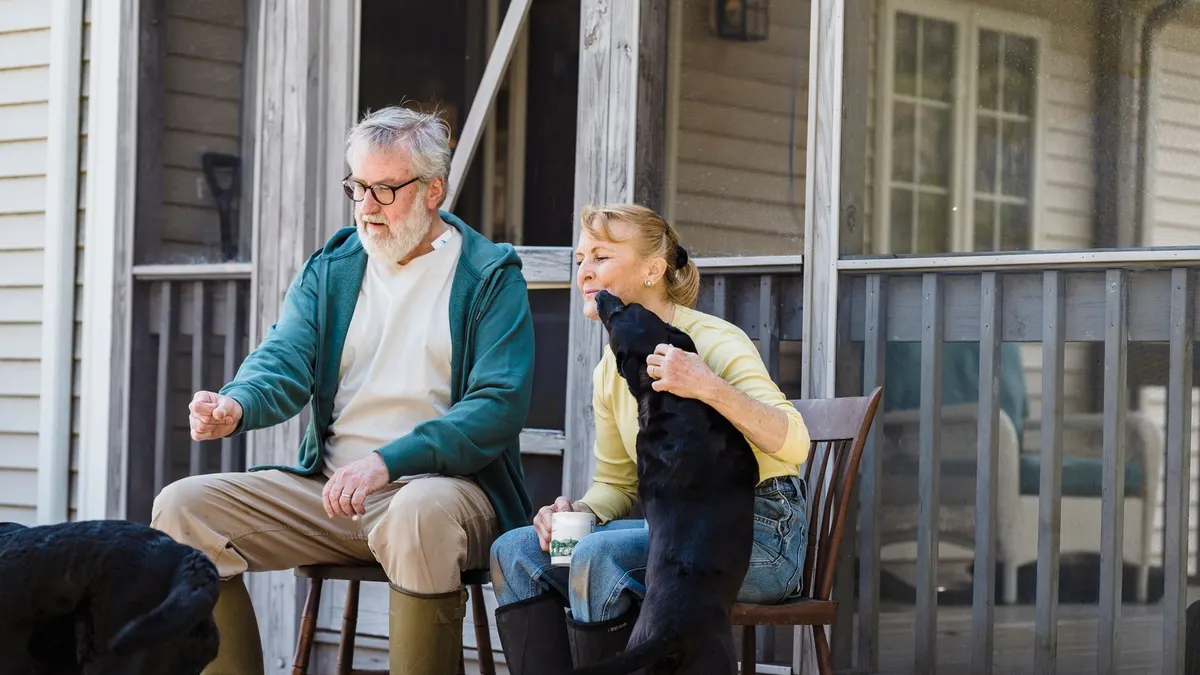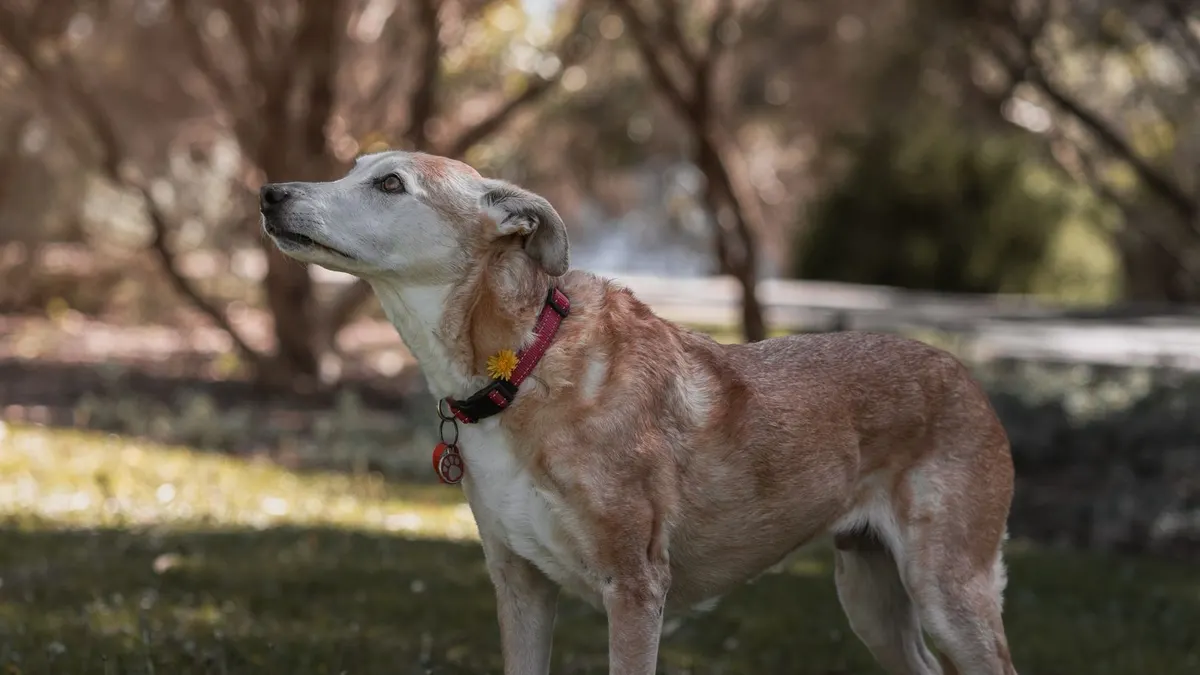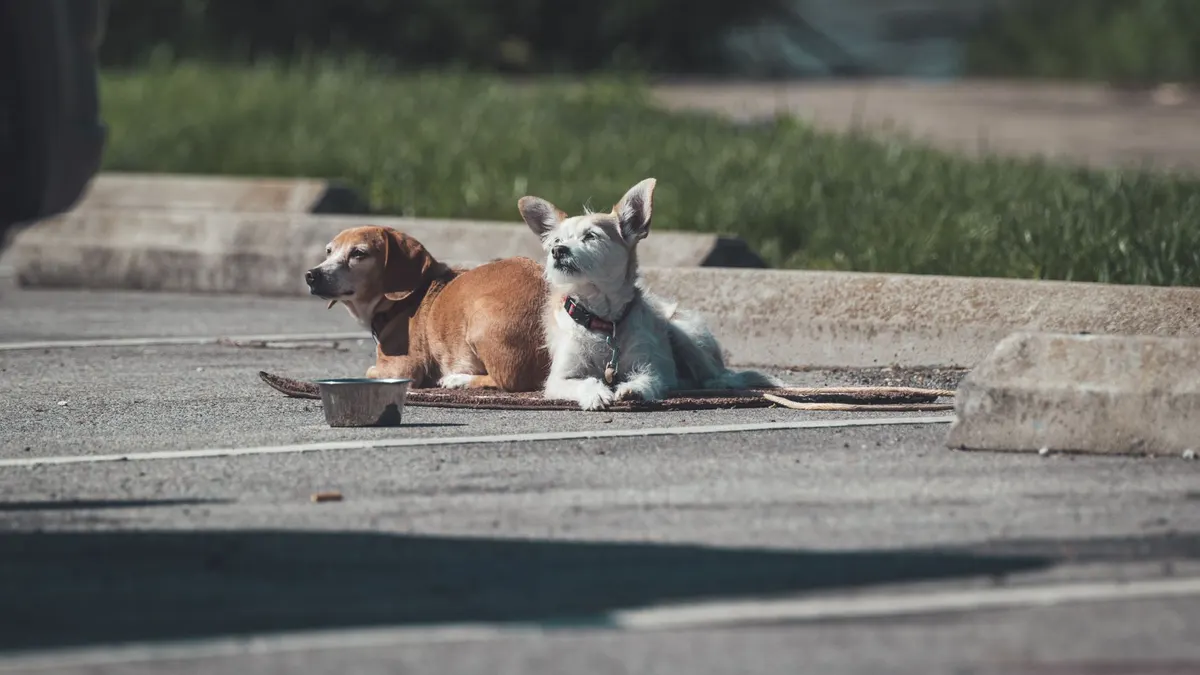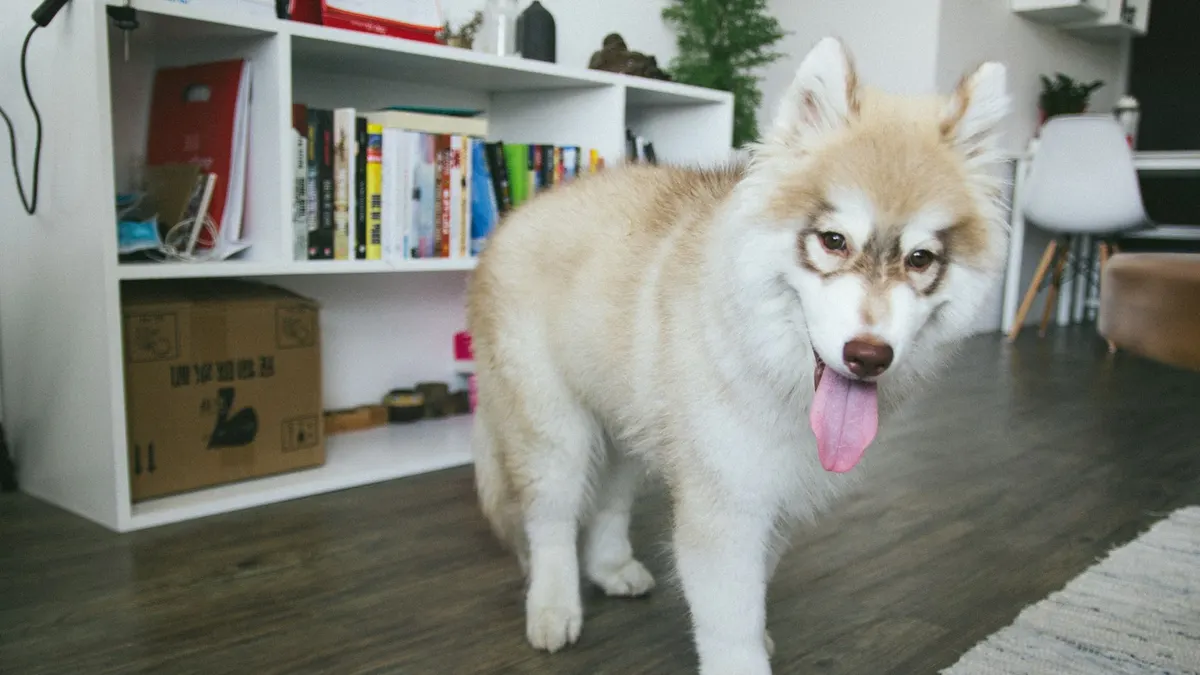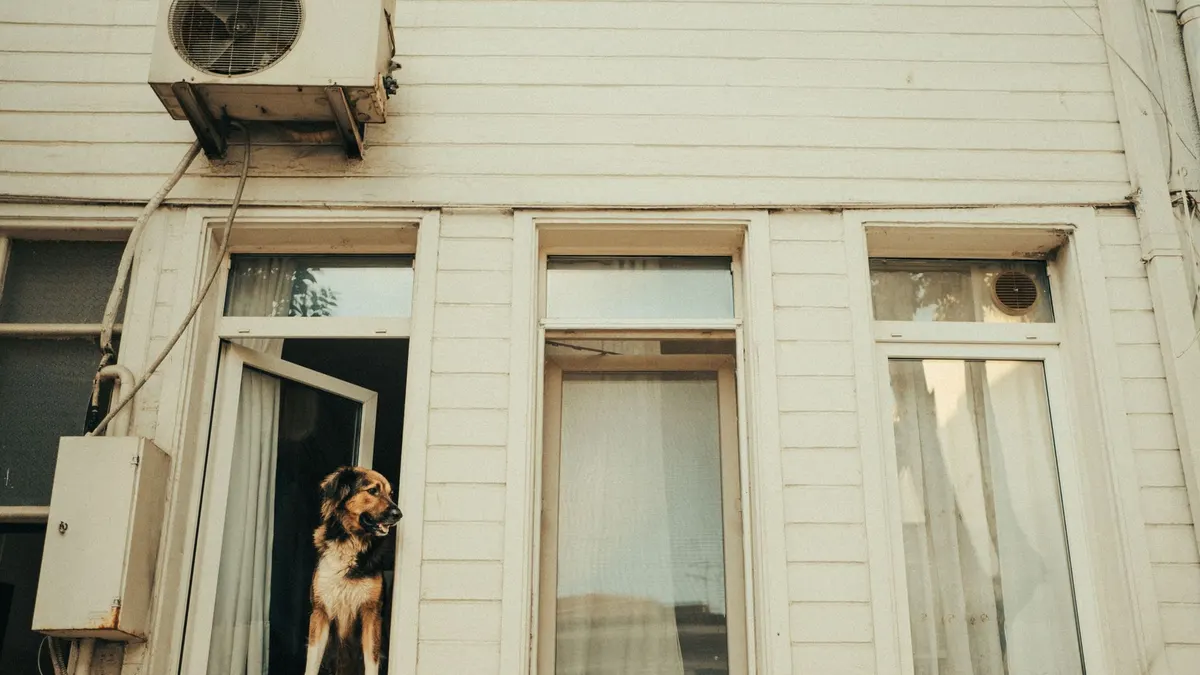
A Thanksgiving house that a twelve-year-old dog has tolerated for a decade is not the same house on the day it is full of people, doors, roast grease, and decorations. The dog who used to sleep through the whole thing is now sleeping through the normal chaos but waking at every new noise. The dog who used to politely decline a dropped scrap is now scavenging because the kitchen smells like a feast. The holidays are a six-week gauntlet — Thanksgiving through New Year's — and for a senior dog, the hazards are less about the one dramatic bite of chocolate and more about the slow pile-up of routine disruption, slippery floors, rich food, and guests who do not know the rules. A practical plan beats a panicked one.
The holiday plan, in brief
The whole season can be held together with a few boring, repeatable moves: one quiet room with a bed and water, a gate or closed door that gives the dog an escape valve, a "do not feed from the table" rule that every guest hears before they arrive, the trash can locked down, and the decorations kept off the floor the dog actually walks. Keep meals, medication, and the last potty walk at their usual hours even when the rest of the day is chaos. A predictable spine of routine is what lets an older dog absorb the noise.
Why the holidays hit older dogs harder
Routine is the whole operating system for a senior dog. Meals, walks, medication, and bed at the same hours every day — that is what keeps the body and the mind steady. The holidays break that rhythm for a week or two, and a dog that has compensated for arthritis, fading hearing, and early cognitive drift for years suddenly has no rhythm to compensate with.
Then there is the social load. A young dog can walk away from a pestering grandchild; a stiff senior often cannot, and the growl or snap that follows is not a behavior problem, it is a mobility problem wearing a behavior disguise. A dog that sleeps through the normal two-person household is not the same dog when the doorbell rings every ten minutes, the kitchen is full of strangers, and the living room smells like a different animal.
Arthritis collides with the weather, too. Wet coats and boots tracked in turn hardwood and tile into ice rinks, and an old dog that cannot correct a slide can end up on the floor with a joint it cannot get up from. A young dog that slips gets up and shakes it off. A twelve-year-old dog that slips may spend the next hour too sore to move.
Managing the guest traffic
The single most useful holiday move is to tell guests, before they arrive, what the dog can and cannot handle. Most people mean well; they just do not know that the old dog in the corner does not want a pat on the head, that the roll of turkey skin is not a treat, or that the dog's bed is not a footstool. Say it once, calmly, at the door: the dog may not want greetings, approach slowly from the front, and do not feed anything from the table.
The dog's bed belongs out of the traffic lane. A corner of the quiet room beats the middle of the hallway where the party flows past. Tell guests the bed is not a seat, and that stepping over the dog is how you startle an old animal that cannot get up fast.
ID and collar checks matter more during the holidays than any other time of year. Doors open constantly — guests coming and going, deliveries, kids running in and out — and a stiff senior can slip out unnoticed while everyone is distracted. A loose collar on a confused old dog in a neighborhood full of strangers is a real problem. Check the fit, the tags, and the microchip info a week before Thanksgiving, not the morning of.
The escape valve: gates, doors, and a quiet room
A dog that can choose distance is a dog that does not have to warn. Set up a quiet room with a bed, water, and a familiar blanket, and keep a gate or a closed door as an escape valve. The dog can retreat when the noise gets to be too much, and the family can rotate the dog in and out of the party rather than exiling them for the whole day. A senior who is hiding is telling you the house is overstimulating; protecting the dog from the party is kinder than a forced hello.
Do not skip the quiet room just because the dog sleeps through most of it anyway. The point is not that the dog uses the room actively — it is that the dog has a choice. A dog with a known escape route is a dog that stays calmer when it is in the room with the family, and that calm is what gets everyone through the day.
Food hazards that hit an aging body harder
A senior dog's metabolism is slower, and the organs that handle a rich meal are working on borrowed time. A scrap that a young dog shrugs off can tip an old one into vomiting, diarrhea, or a weekend at the emergency clinic. The list of known hazards is short and worth repeating:
- Rich, fatty leftovers. Pan drippings, butter-soaked sides, and the skin off a roast bird are the classic triggers for pancreatitis, which is both painful and expensive. An aging pancreas handles fat badly, and the fattier the scrap, the worse the risk.
- Chocolate. Theobromine strength varies by type — darker chocolate is more dangerous than milk, and baking chocolate is worse still. Any amount is worth a call to the vet or the pet poison hotline.
- Xylitol and sugar-free products. This sweetener shows up in sugar-free baked goods, candies, gum, and some peanut butters. It is a known hazard, and the labels are not always obvious.
- Cooked bones. Turkey, chicken, and ham bones splinter; a puncture or blockage is a surgical emergency. Never toss a holiday bone to the dog.
- Grapes and raisins. A known hazard, often hiding in stuffing, salads, and baked goods.
- Alcohol. Never. Even a small amount is a problem for an older liver.
- Salty gravy and rich scraps are a particular problem for a dog with existing kidney or heart issues, and hard treats and bone chunks are risky for a dog with dental disease.
If ingestion happens, do not wait for signs. Call your vet or the pet poison hotline. Watch for vomiting, tremors, sudden lethargy, or a dog that will not eat — those are the signals that the scrap has become a real problem.
The trash-can problem
A distracted host, an open trash can, and a senior dog who used to ignore garbage but is now scavenging because the house smells like a feast — this is the most common holiday emergency I have seen. Cooked turkey and chicken bones, grease-soaked paper towels, and foil with scraps on it all end up in the trash, and the trash ends up on the floor the moment nobody is watching.
Lock the kitchen, put the can in a cabinet, or use a can with a lid that actually stays closed. A gate across the kitchen doorway works too, as long as the dog has another route to water and the outdoors. The goal is simple: the trash can is not a buffet, and the senior dog is not a puppy who will learn from the mistake.
Decorations that become dog problems
The decorations that cause the most trouble are the ones that look harmless until the dog interacts with them.
- Tinsel and strings. These are a linear foreign-body risk — the kind that ends in surgery and a long recovery for an old dog. Pull them off the tree, or skip them entirely.
- Small ornaments. A curious nose can knock one off the tree, and a swallowed ornament is a puncture waiting to happen. Glass shards on the floor are worse.
- Lit candles and a dog who knocks things over. An arthritic dog's tail sweep is a real fire risk, and a confused senior who walks into a candle is a burn waiting to happen. Flameless candles give you the look without the hazard.
- Poinsettias are a mild irritant — overhyped as a poison, but still a reason to keep them off the floor route where an old dog will nose them. Lilies are a serious hazard for cats in the same house, and worth keeping well out of reach of any pet.
- Christmas tree water often contains fertilizer, bacteria, and pine oils. Keep the bowl covered, or use a plain-water tree and change the water daily.
- Space heaters and heat lamps are a particular problem for an old dog hunting warmth. A stiff senior who lies too close, or on the cord, or knocks the unit over, is a burn and a fire risk. Give distance, secure the cords, and do not leave the heater unattended with the dog in the room.
December walks: shorter, brighter, earlier
Dark comes early in December, and a senior dog with fading vision cannot read the sidewalk the way they used to. Shorter, more frequent walks beat one long outing, and daylight walks beat night walks every time. A headlamp, a reflective harness, or a bright vest is worth the small awkwardness of wearing it.
Ice and road salt are the other half of the problem. Splayed legs on ice are a fall waiting to happen — keep the route short, stick to cleared paths, and wipe the paws when you get back inside. Salt irritation is miserable for old pads, and a dog that licks its paws raw is a dog that cannot sleep.
Where to stop is the part most owners get wrong. At the first lag behind, the first stiff gait, or the first time the dog sits down mid-walk, that is the end of the walk — not the end of the block. Pushing an old dog through a cold, icy walk because you have a distance goal is how you create three days of stiffness.
New Year's Eve without the panic
Fireworks panic is its own problem, and it deserves its own article. For a senior dog, the practical moves are the same ones that work for any noise-sensitive animal: an earlier final potty walk, a quiet room with white noise, and the dog not left alone with the party going. A confused senior who bolts at a boom is a lost-dog risk — check the ID and collar one more time before midnight. If your dog's noise sensitivity is severe, the behavior changes worth noticing article covers the signs that deserve a vet conversation, and the calm-routine guide walks through the daily structure that helps an anxious dog absorb the noise.
Holiday questions from owners
My senior dog hides every time company comes. Should I force greetings?
No. Let the dog stay in the quiet room with the door closed or a gate in place, and skip greetings entirely for most of the visit. A senior who is hiding is telling you the house is overstimulating; protecting the dog from the party is kinder than a forced hello.
What holiday food is the biggest worry for an older dog?
Two hazards lead the list: anything sweetened with xylitol, which shows up in some sugar-free treats and baked goods, and rich fatty leftovers, which an aging pancreas handles badly. Chocolate, grapes, raisins, cooked bones, and alcohol all belong on the never-let-near-the-dog list too.
Is it worth keeping my dog's routine through the whole holiday stretch?
Yes — it is the single highest-value thing you can do. Keep meals, medication timing, and the last potty walk at their usual hours even when the day itself is chaos. A predictable spine of routine is what lets an older dog absorb the rest of the noise.
Pages that carry into the new year
- The calm-routine guide — the daily structure that holds the dog steady when the house does not.
- The home safety checklist — the whole-house sweep, useful before the guests arrive.
- Baby gates for senior dogs — the escape valve, set up properly.
- Kitchen safety for older dogs — the trash can, the counters, and the floor the dog walks on.
- Keeping a senior dog warm in winter — the cold-weather half of the holiday stretch.
Keep the routine, survive the season
The holidays are not the enemy of a senior dog's wellbeing — they are just the week when every small thing you have already set up gets tested at once. The quiet room, the gate, the locked trash can, the collar check, the shorter walks, the do-not-feed rule — none of it is complicated, and all of it together is what gets an older dog through Thanksgiving, Christmas, and New Year's without a trip to the emergency clinic. Keep the routine, survive the season, and let the small boring fixes do the work.