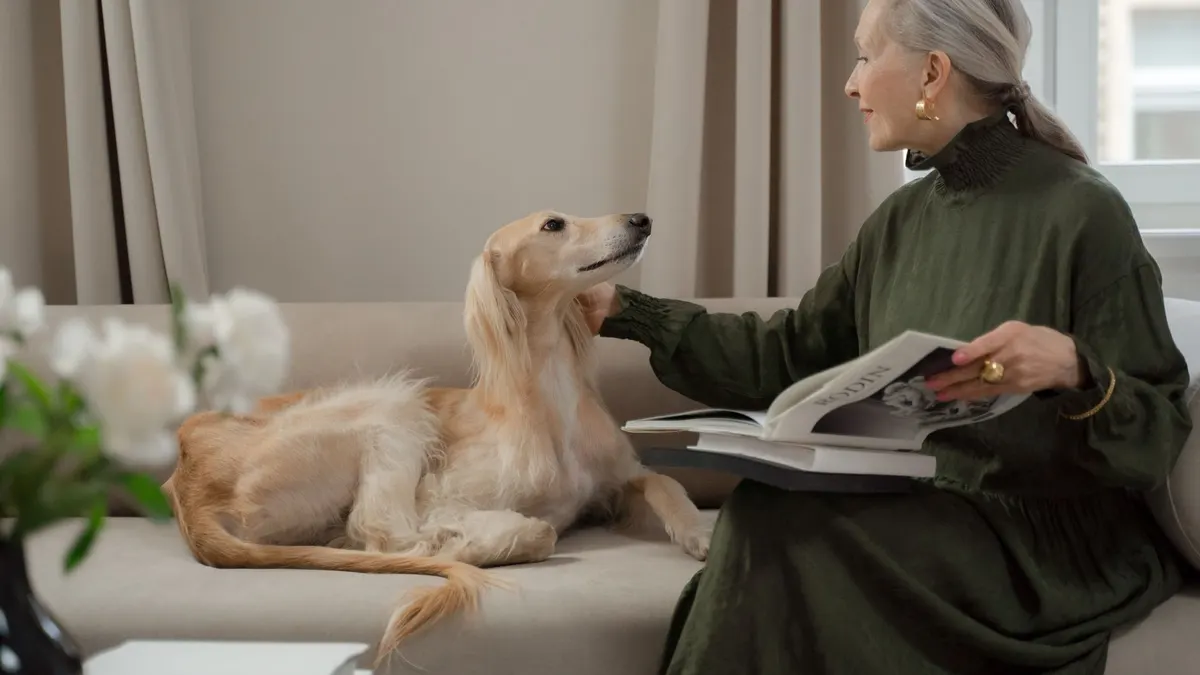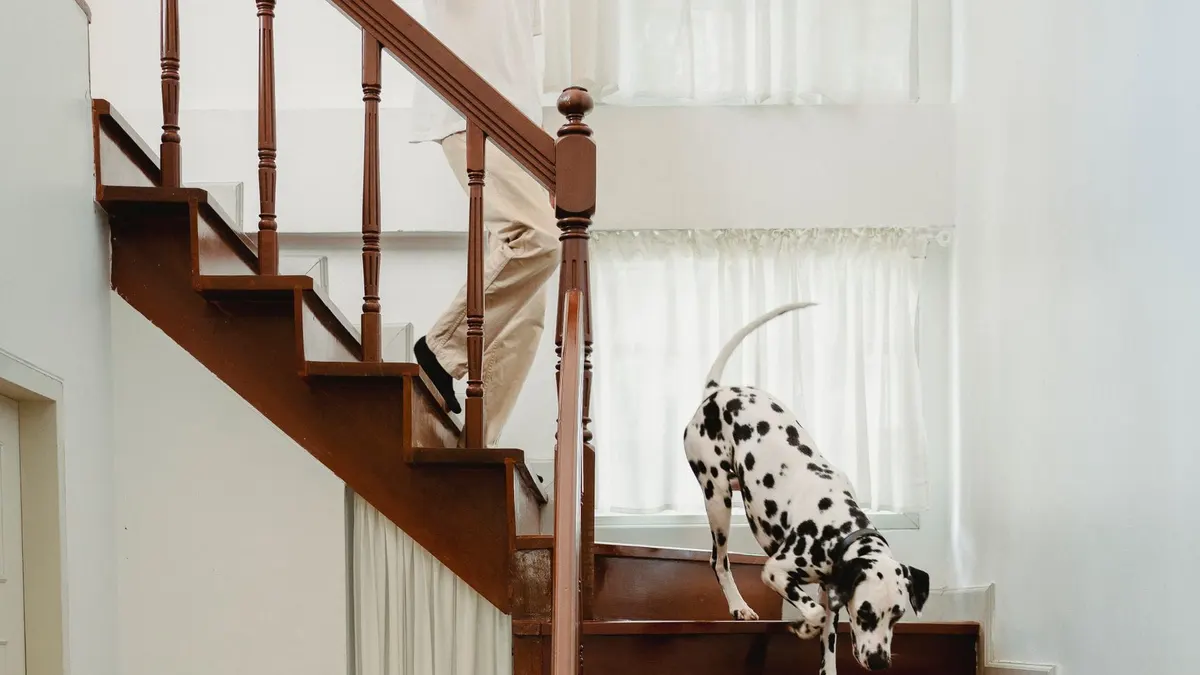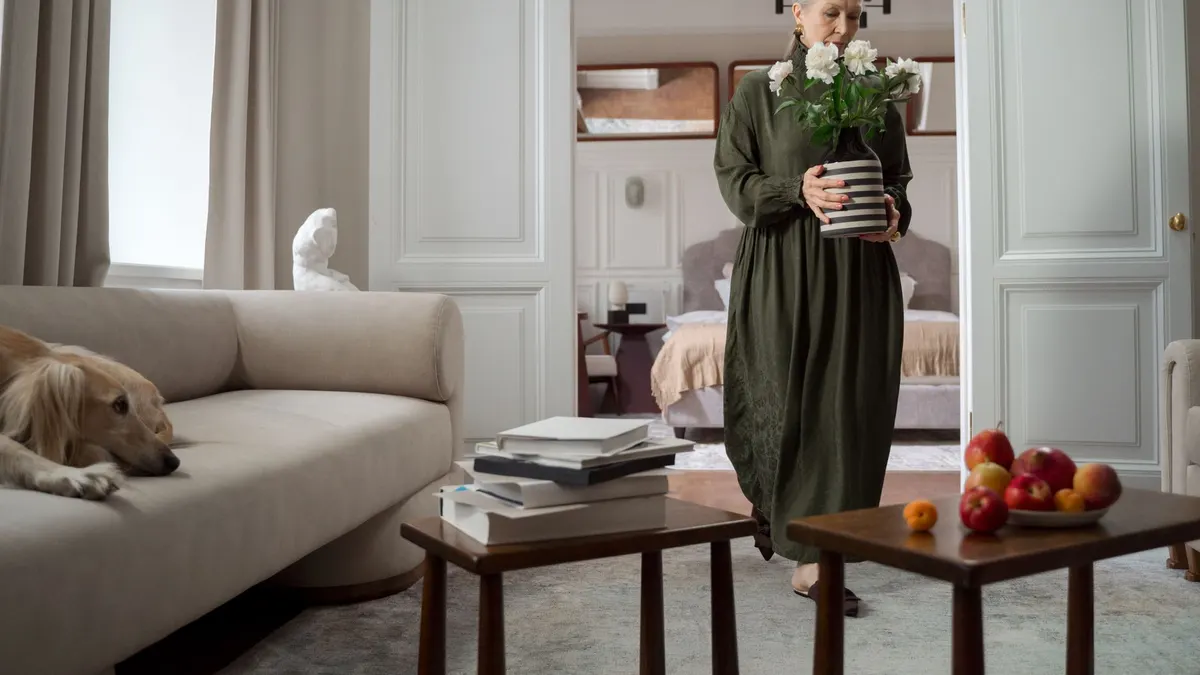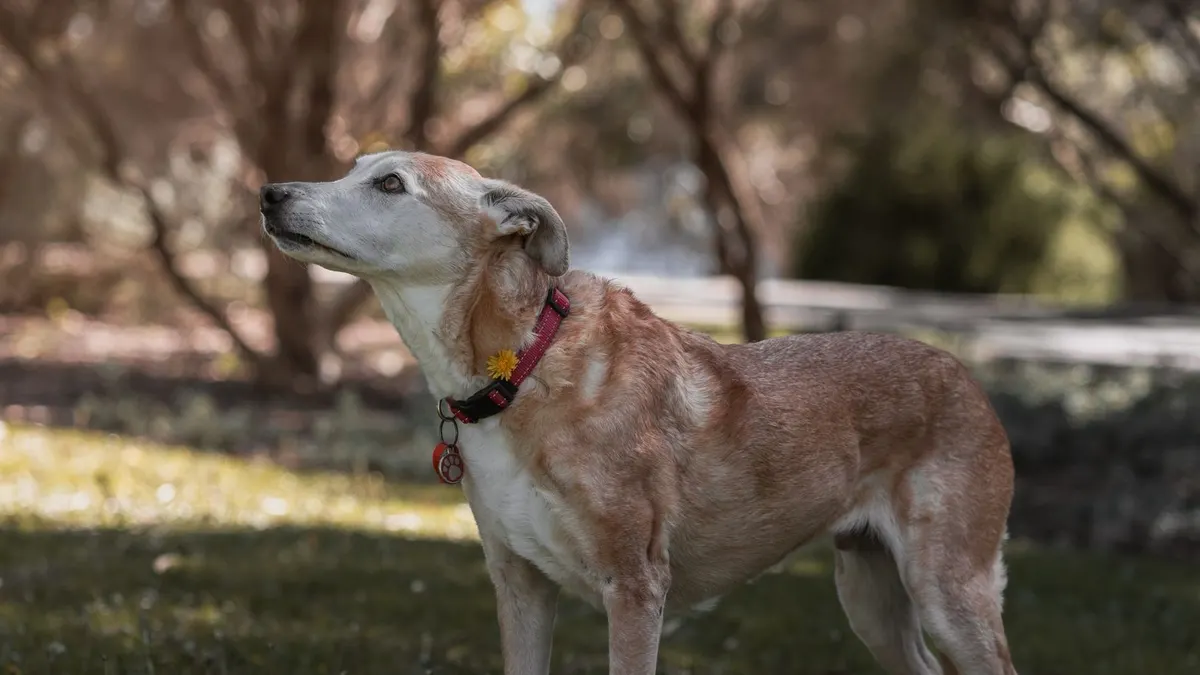
A night light is one of those simple home-safety upgrades that can make a surprisingly big difference for senior dogs. Older dogs often move more carefully in low light, especially when they are navigating a familiar house but still need more confidence at night.
Quick answer
The best night lights for senior dogs are soft, low-glare, and positioned on the routes the dog uses most often. The goal is not a bright room; it is enough visibility to reduce hesitation and improve confidence.
Focus on the dog’s actual paths
Most nighttime issues are not caused by one big hazard. They happen in the same routes the dog uses every day: from bed to door, from bed to water, from hallway to kitchen, or between rooms where the dog has to turn in the dark.
A good night light helps the dog see those paths without creating harsh light or visual discomfort.
What features matter most
Look for a night light that is:
- gentle and warm rather than harsh
- easy to place near the floor or wall
- stable enough not to be knocked over
- useful on the most common movement routes
Many senior dogs do better with subtle light than with bright overhead fixtures that can feel overwhelming at night.
Pair lighting with route safety
Night lights work best when they are part of a larger safe layout. If the floor is slippery, the path is crowded, or the dog has to climb over an obstacle in the dark, the light alone may not solve the entire problem.
This is where simple home adjustments matter: clearer paths, stable bedding, careful floor surfaces, and a routine the dog can predict. See how-to-make-your-home-safe-for-a-senior-dog and how-to-help-a-senior-dog-navigate-the-house-at-night for more ideas.
Signs that lighting alone is not enough
If your dog is still stumbling, falling, or hesitating in a way that feels more serious than mild nighttime confusion, it may be time to look beyond the lighting setup. A mobility review or vet evaluation may be the smarter next step.
Bottom line
The best night light for a senior dog is the one that quietly improves visibility without creating stress or glare. Small, consistent improvements often make nighttime movement feel much easier and safer.
Related guides
- How to Help a Senior Dog Navigate the House at Night
- How to Create a Safe Sleeping Area for an Older Dog
- How to Make Your Home Safe for a Senior Dog
- Best Baby Gates for Senior Dogs
FAQ
Are night lights useful for older dogs?
Yes, especially when they help the dog see routes at night without creating harsh glare or disorientation.
Where should I place the light?
Near the dog’s bed, along common hallway paths, or close to the door or water area works well.
Can a night light solve all nighttime problems?
No, but it often reduces hesitation and helps the dog move more confidently in a familiar home.
When should I get veterinary advice?
If the dog is suddenly weak, stumbling more, or falling, that is a reason to consult a veterinarian.