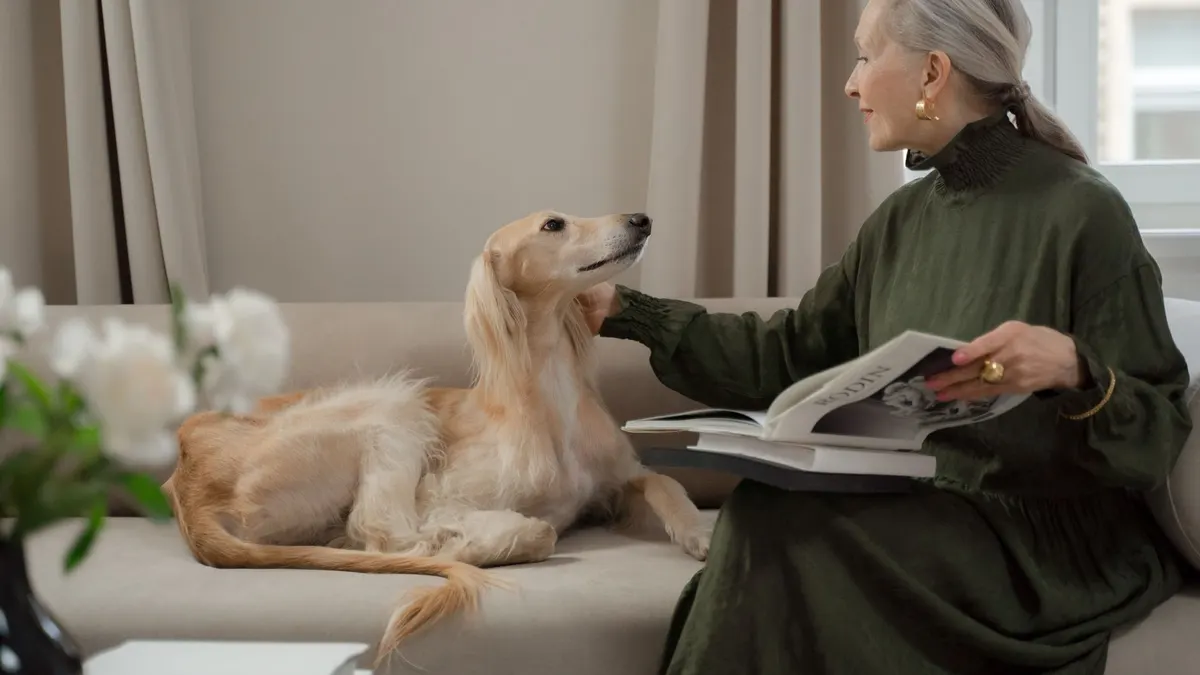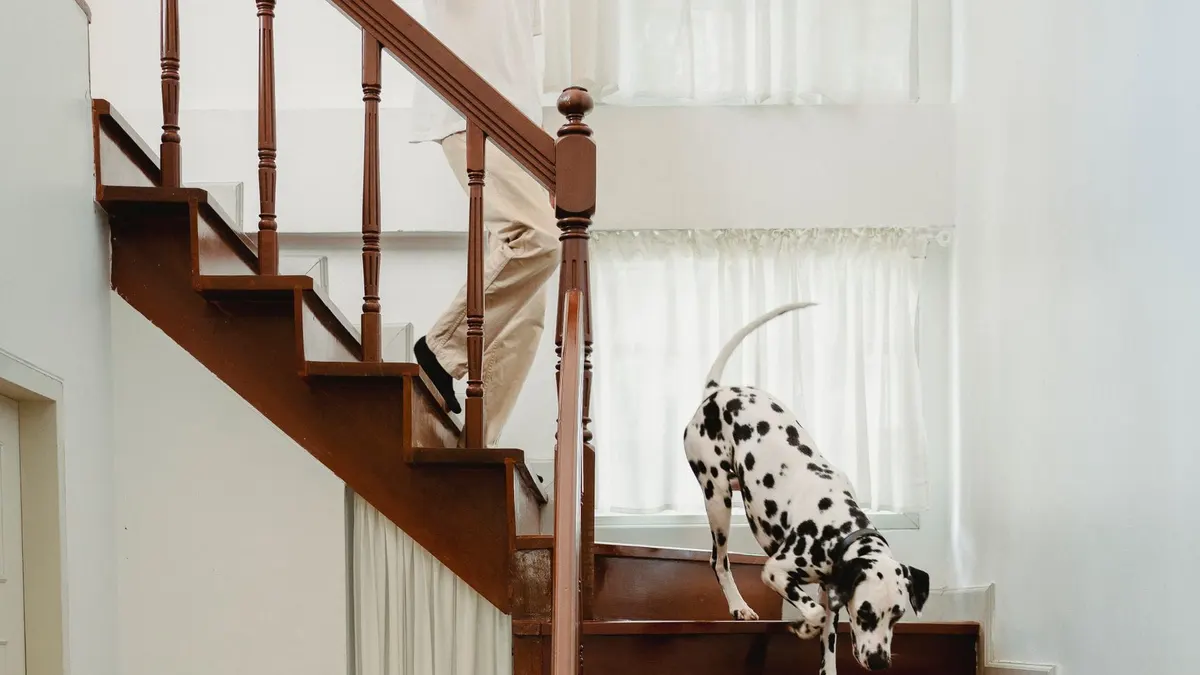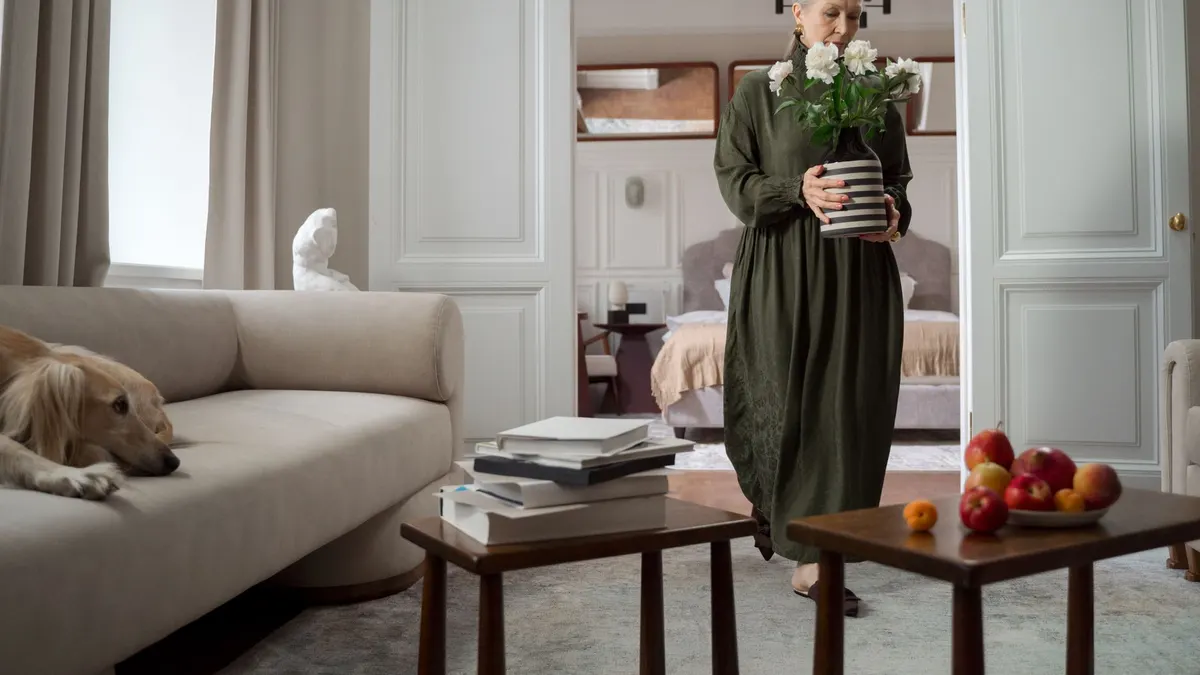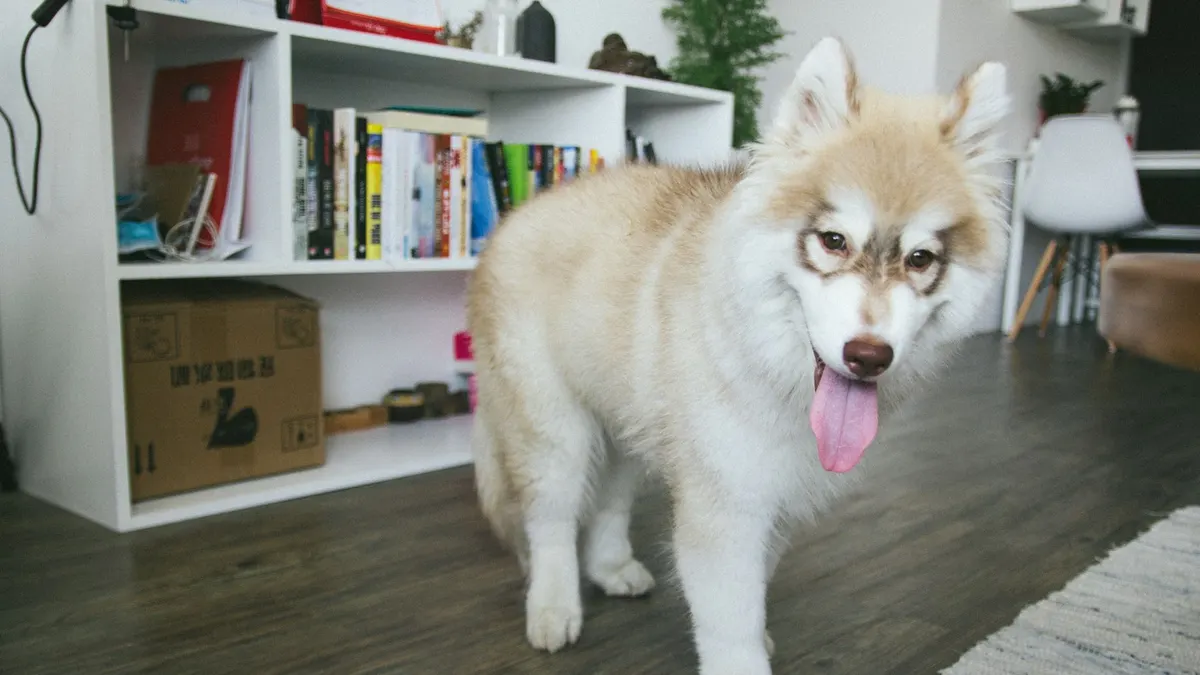
A rug can be one of the easiest and most effective home-safety fixes for a senior dog that is slipping on hardwood floors. The challenge is not just adding more surface area — it is adding the right kind of traction in the exact routes where the dog needs more confidence.
Quick answer
The best rugs for dogs that slip on hardwood floors are low-profile, textured, and stable enough to stay flat underfoot. They should improve grip without creating a trip hazard, edge curl, or cleaning problem.
Why hardwood can be harder for older dogs
Hardwood and tile are smooth, strong, and easy for people, but they can feel unstable and slippery for dogs that are older or less confident on their feet. If the dog hesitates near the kitchen, hallway, or favorite resting spot, the floor may already be part of the problem.
Senior dogs often need a route that feels predictable and steady, especially when they are turning, slowing down, or getting up from a rest area.
What to look for in a safe rug
Stable backing
A non-slip backing matters more than the rug design itself. If the rug slides under the dog’s paws, it creates a new issue instead of solving the old one.
Lower profile and flat edges
Thick, fluffy rugs may feel soft but can also curl or bunch. A low-pile or textured rug is often the safer choice for a senior dog because it stays flatter and is easier to navigate.
Covered walking routes, not the whole room
The best rug is usually placed in the path your dog uses most often, not spread across every square foot of the home. This helps avoid clutter and keeps the dog’s route predictable.
Best rug types for senior dogs
Low-pile runners
A runner works well in hallways, entryways, or along a common walking path. It gives traction where it matters most without creating a big, wobbly surface.
Textured mats for kitchen or bath areas
These are useful when moisture or foot traffic is high. They can make high-risk routes more stable and easier for a dog to negotiate.
Anti-slip area rugs with firm backing
These are helpful when a dog uses a bigger room often and needs more support underfoot. They should be kept flat and secure — not left with curled corners or uneven edges.
What to avoid
A rug can become a problem if it:
- slides under the dog’s paws
- curls at the edges
- is too thick and creates a tripping edge
- blocks the route or forces awkward turning
- is placed in a place the dog cannot reliably navigate
The goal is safer movement, not just more rugs in the home.
Best time to add a rug
Add the rug where you see the dog hesitate the most. This could be near the bed, by the kitchen, near the entry door, or along the route to food and water. A simple observation period will tell you if the rug is helping.
For a broader plan, see how-to-make-hardwood-floors-safer-for-dogs and senior-dog-home-safety-checklist.
When the issue is bigger than the floor
If your dog still slips despite stable rugs and a clear route, the problem may be a broader mobility or balance issue. A veterinary review is worth considering if the slipping is new, worsening, or paired with weakness or pain.
Bottom line
A senior dog’s best rug is the one that improves traction without creating new obstacles. A low-profile, stable, strategically placed rug can make daily movement feel far safer and more confident.
Related guides
- How to Make Hardwood Floors Safer for Dogs
- Best Non-Slip Dog Bowls for Senior Dogs
- Senior Dog Home Safety Checklist
- How to Make Stairs Safer for an Older Dog
FAQ
Are rugs better than non-slip mats?
It depends on the area. Rugs can cover larger walking routes, while non-slip mats are often more targeted and easier to place in specific danger spots.
Do rugs create a trip hazard for older dogs?
They can if the edges curl or the rug moves. A flat, secure rug with a non-slip backing is much safer than a loose, high-pile option.
Should I cover the whole room?
Not necessarily. It is usually more effective to improve traction in the exact routes the dog uses most often.
When should I look beyond rugs?
If slipping continues even with a stable rug or if the dog seems weak, painful, or suddenly more hesitant, a veterinarian is a good next step.