How To Make An Older Dog More Comfortable At Night is a practical topic for senior dog owners because it directly affects comfort, daily routine, and quality of life. The right answer is rarely a single fix. It is often a combination of safer home setup, better movement support, and more predictable habits.
What matters most
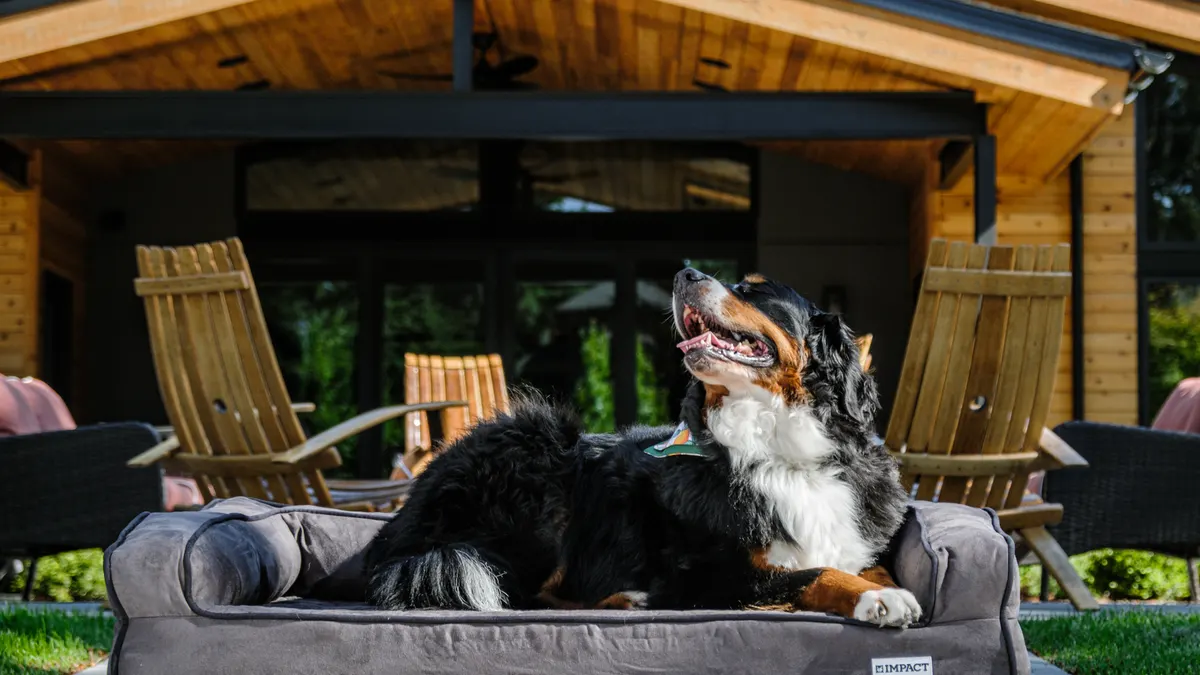
Older dogs tend to do best when their environment feels easier to navigate. That might mean better traction on smooth floors, easier access to food and water, gentler routines, or a resting place that does not require a lot of effort to enter and exit.
What to do at home
Start with the simplest action that directly addresses the problem. Watch how the dog moves, rests, and responds to the environment. A small change often creates a noticeable difference before a larger adjustment becomes necessary.
Watch for red flags
If your dog seems painful, suddenly weaker, or significantly less comfortable than usual, do not assume it is just age. A veterinary conversation can help separate normal aging from a change that deserves attention.
Bottom line
Senior dog care works best when it is practical, repeatable, and built around the dog’s real comfort and confidence in daily life.