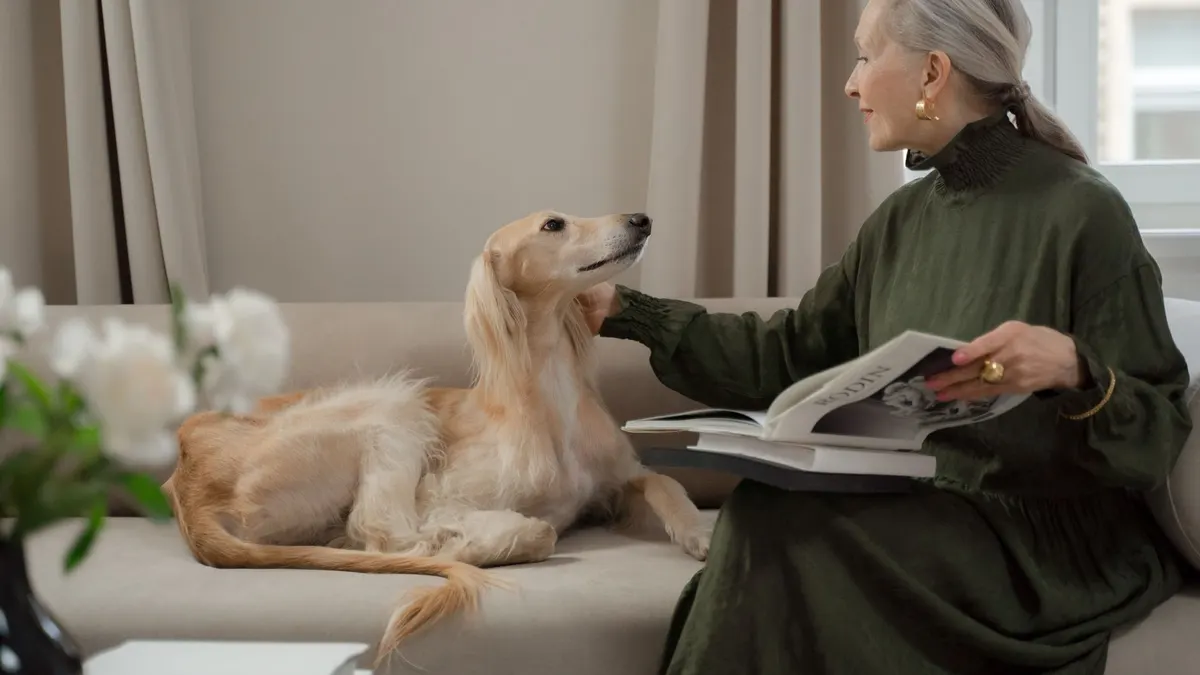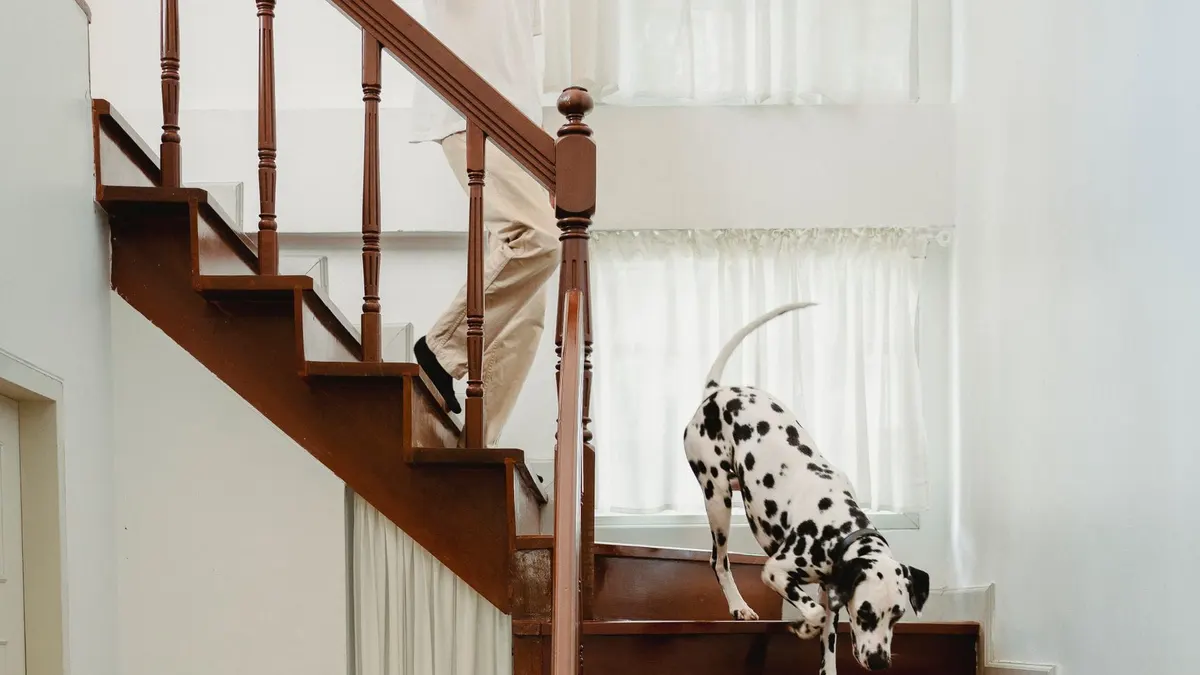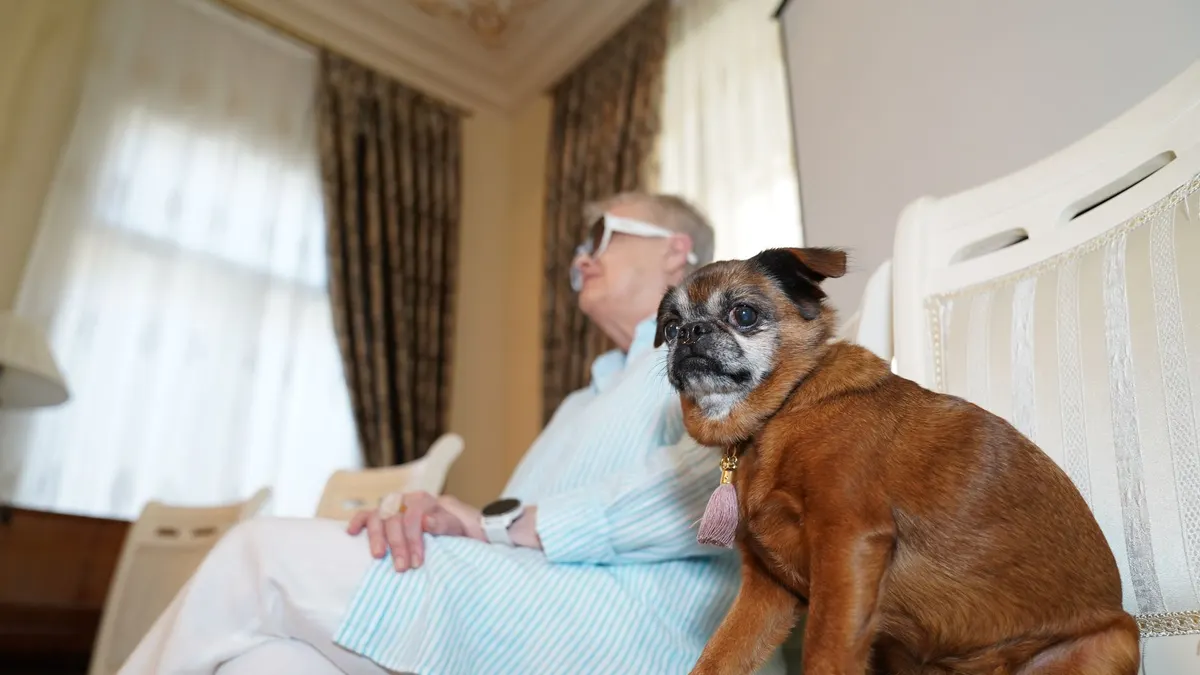
A senior dog does not need a fancy feeding setup to eat better. It often just needs a calmer, safer, and more predictable area where food and water are easy to reach without strain. For many older dogs, smaller changes to the routine and placement matter more than switching to an entirely new diet or special equipment.
Quick answer
To make food and water easier for a senior dog, place bowls in a quiet, easy-to-reach spot, use stable surfaces, and keep the setup consistent. A calmer feeding routine can reduce stress, improve confidence, and make daily meals feel less effortful.
Why feeding setup matters more with age
Older dogs may move more slowly, hesitate in tight spaces, or feel more tired after standing for long periods. If the feeding area is crowded, slippery, awkwardly placed, or too far from the dog’s normal route, the dog may become less eager to eat or drink even when the food itself is fine.
A good feeding setup should make the dog feel safe and supported rather than rushed or uncertain.
What to change first
1. Pick a stable, low-traffic spot
Place the bowls where the dog can approach without crowding, rushing, or navigating a slippery path. A quiet corner or easy-to-reach room often works better than a busy kitchen or narrow hallway.
2. Use a non-slip bowl base
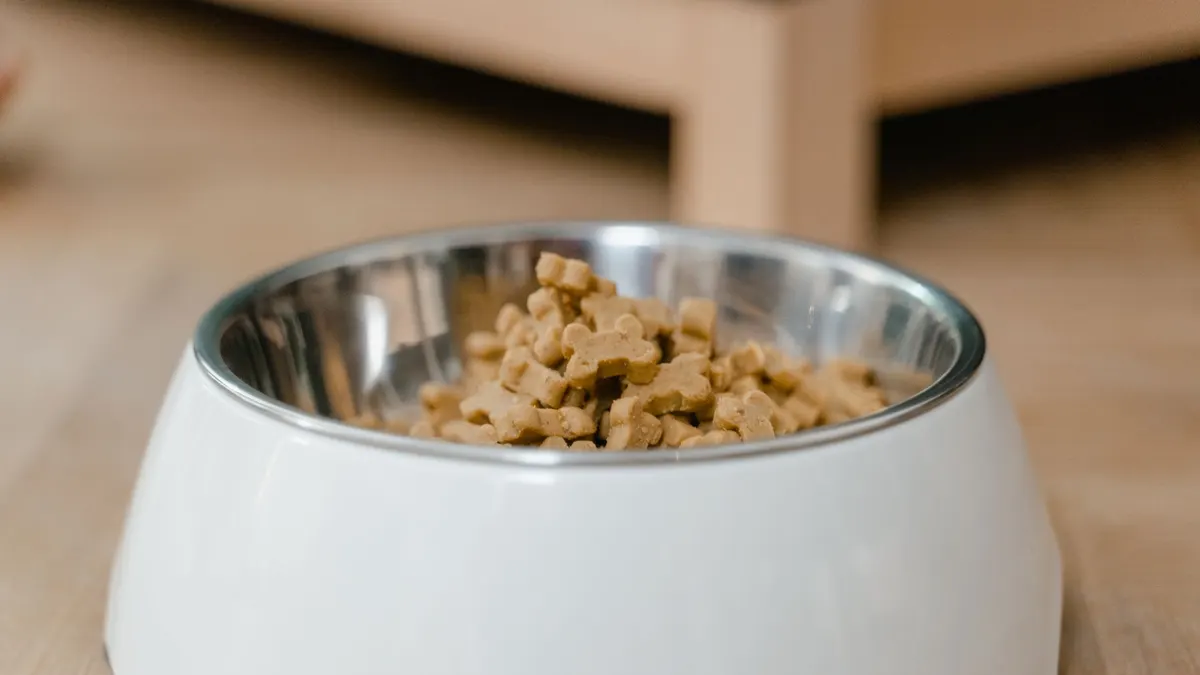
A bowl that slides or tips can frustrate an older dog during meals. A heavier bowl or a non-slip mat underneath helps keep the setup stable and predictable.
3. Keep water easy to reach
Some senior dogs drink more carefully or take longer to travel to the water bowl. If you have one or more water stations, keep at least one in a place the dog can reach without awkward turns or a big detour.
4. Keep routines consistent
Older dogs often do best when feeding times are predictable. A predictable routine can improve appetite, reduce anxiety, and make it easier to notice if the dog is eating or drinking less than usual.
Small changes that often help
- place bowls on a stable, flat surface
- avoid slippery floors around the feeding area
- keep a clear path to the bowl
- reduce noise and foot traffic during meals
- keep food and water in the same general location each day
- make sure the dog can leave the area without stumbling or turning sharply
These are simple upgrades, but they can noticeably improve a senior dog’s comfort during a routine part of the day.
Feeding height and bowl type
The right bowl height depends on the dog’s comfort and body position. Some dogs do better with a slightly raised bowl, while others eat more comfortably from a lower, stable bowl. A good rule is to choose the setup that lets the dog eat without straining, stretching uncomfortably, or seeming tense.
For more detail, see raised-vs-floor-dog-bowls-for-older-dogs and best-non-slip-dog-bowls-for-senior-dogs.
Watch for changes that are not just about the bowl
Sometimes a dog is not struggling with the bowl itself. The issue may be the dog’s overall mobility, pain, appetite, or energy. A dog that seems less eager to eat or keeps leaving the bowl may be dealing with something bigger than the feeding setup.
Keep an eye on:
- appetite changes
- weight loss or gain
- repeated sniffing and walking away from food
- slower eating than usual
- signs of stiffness or discomfort while standing at the bowl
When to talk to a veterinarian
A veterinary visit is a good idea if your dog has:
- sudden loss of appetite
- significant weight change
- vomiting or diarrhea
- trouble swallowing
- reluctance to eat from a normal feeding area
- obvious pain or weakness while standing at the bowl
This does not mean every feeding challenge is medical, but a change in eating behavior is worth tracking.
Bottom line
The easiest way to make food and water easier for a senior dog is to reduce friction in the feeding area and make the routine more predictable. Stable bowls, easy access, and a calm setup can make a daily habit feel less effortful and more comfortable for an older dog.
Related guides
- Best Non-Slip Dog Bowls for Senior Dogs
- Raised vs Floor Dog Bowls for Older Dogs
- Senior Dog Home Safety Checklist
- How to Make Hardwood Floors Safer for Dogs
FAQ
Why does my senior dog seem less interested in food or water?
It may be the feeding area, a mobility issue, or an appetite change. A quiet, stable setup is a good place to start, but a veterinary conversation is worth considering if the problem is sudden or ongoing.
Should I change my dog’s food or just the setup?
Start with the setup and routine first. If the dog is otherwise well and the issue is not appetite-related, a small environment change may help more than a major diet change.
Do I need special equipment?
Not always. A clean, stable bowl and a calm feeding route can often do more than a more complicated setup.
When is it worth changing bowl location or height?
When the dog seems hesitant, strained, or less comfortable during meals. Observation is the best guide.