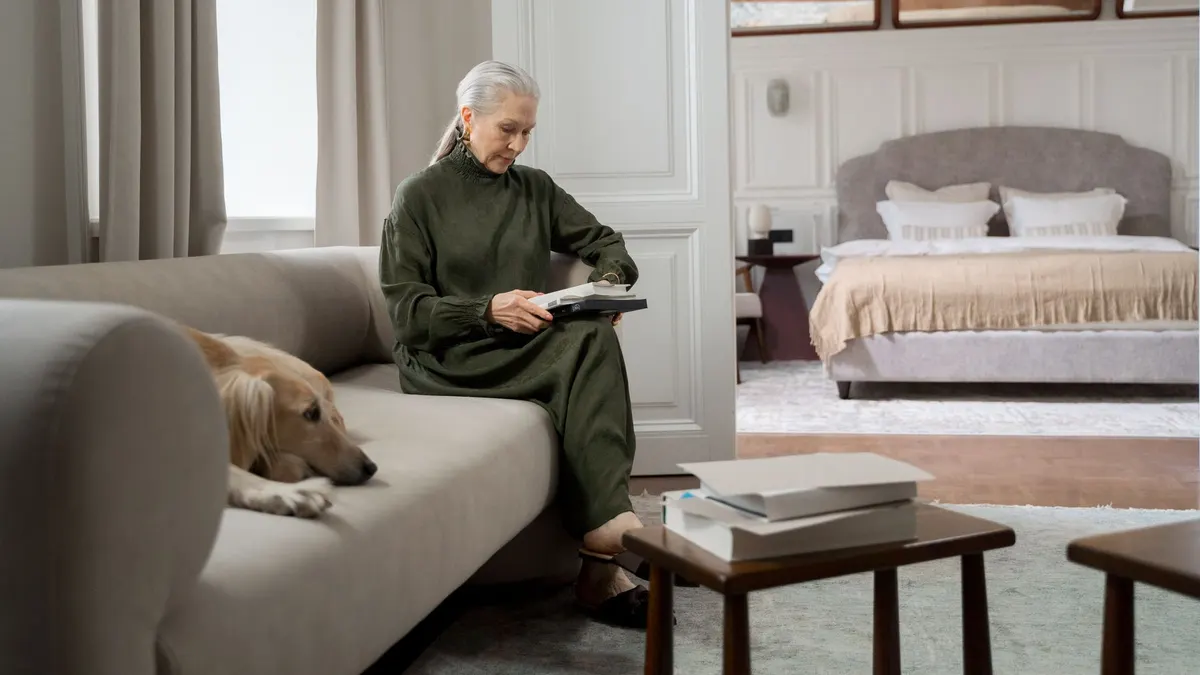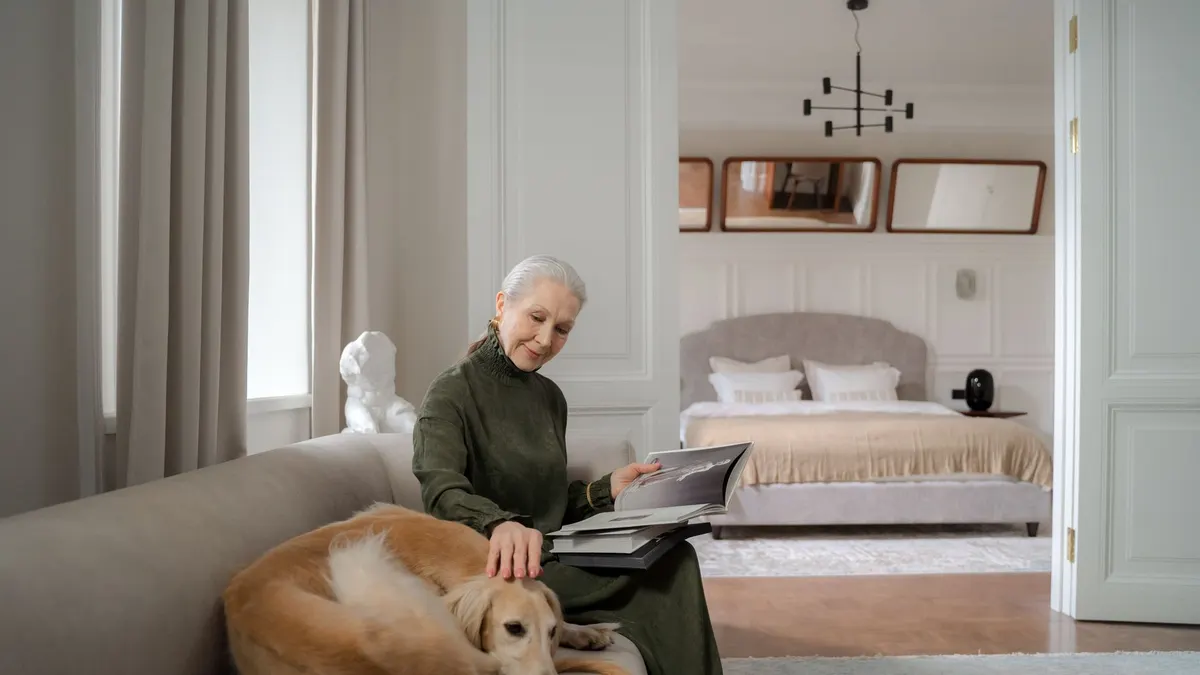
Senior Dog Comfort Checklist is a practical senior-dog topic because it sits at the intersection of everyday comfort and long-term quality of life. The right choice is usually the one that makes the dog’s routine easier, safer, and more comfortable without adding extra strain.
What matters most
For older dogs, small details often matter more than flashy features. Stability, slip resistance, access, and lower effort all play a bigger role than they do for younger dogs. If a product or setup makes movement feel easier, it is usually worth more than one that is only visually appealing.
How to decide what is right
Look at the actual use case. Where will the dog use it? How often will it be used? Is the dog entering or exiting with effort? Do the materials stay stable when the dog stands, turns, or lies down? The best choices are usually the simplest ones that fit the dog’s real daily routine.
What to avoid
Avoid products that are too steep, too slippery, too unstable, or too difficult for the dog to use without strain or fear. A dog who hesitates or appears uncomfortable is not necessarily “adjusting.” Often, it is the product or setup itself that needs a change.
When to ask a veterinarian
If the dog has new or worsening pain, weakness, instability, or a sudden change in comfort, a veterinary review is a good next step. Products can help with comfort and prevention, but they do not replace a professional evaluation when the problem seems to be increasing.
Bottom line
The best senior-dog purchase or home change is the one that solves a real daily problem without adding new stress. Good choices improve confidence, reduce effort, and make a dog’s routine feel more manageable.