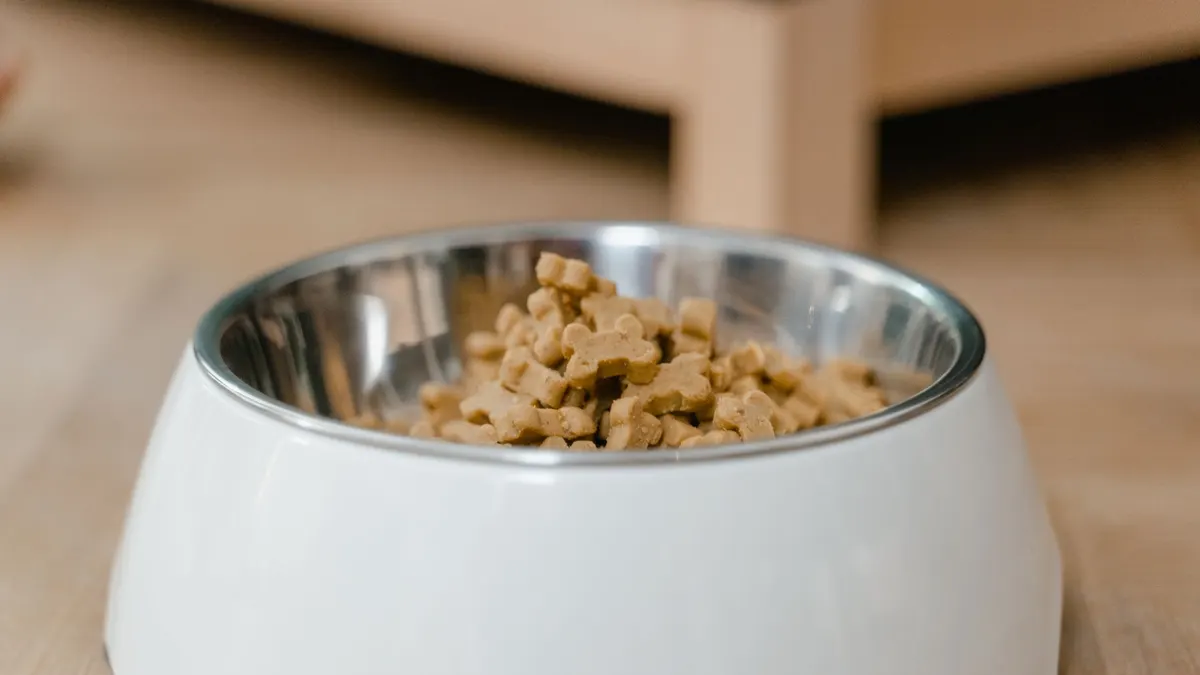
The best feeding height for an older dog is not a universal rule. Some senior dogs do better eating from a raised bowl, while others look more relaxed and steady with a low, stable bowl on the floor. The key is not the label — it is whether the dog can eat comfortably without strain.
Quick answer
A raised bowl may help some older dogs, but a floor bowl can be the better choice when the dog needs a lower, steadier setup. The best feeding height is the one that lets the dog eat with a relaxed posture and a calm routine.
Why bowl height matters more in older dogs
As dogs age, they may become more sensitive to small changes in posture, joint comfort, and repeated effort. A bowl that is too low can force extra bending or neck strain. A bowl that is too high can make the dog stretch awkwardly or feel less comfortable while eating.
For a senior dog, a feeding setup should feel easy and natural, not like a chore.
When a raised bowl helps
A raised bowl may be a better fit if the dog:
- seems to strain to reach food on the floor
- has trouble bending or lowering the head comfortably
- prefers a more upright posture while eating
- is large and seems more comfortable with a higher feeding point
This can be especially useful when the dog has a stable posture and seems relaxed while eating from a higher bowl.
When a floor bowl is better
A floor bowl is often a better choice when the dog:
- prefers eating close to the ground
- seems uncomfortable stretching upward
- has a low-stable posture that looks more comfortable and relaxed
- needs a feeding setup that feels calm and simple in a familiar area
Floor bowls are especially helpful when the dog is slower, more cautious, or already comfortable with a lower feeding routine.
The best decision is based on behavior
Rather than assuming “raised is better for senior dogs,” watch the dog in real life. Look for:
- relaxed posture while eating
- a comfortable neck position
- no visible strain when lowering the head
- steady, calm meal behavior over several days
If the dog seems comfortable and settled, the current bowl height is probably doing its job.
Don’t ignore the rest of the feeding setup
Height matters, but stability matters just as much. The bowl should be:
- non-slip
- easy to clean
- placed in a quiet, easy-to-reach spot
- not near a slick or high-traffic route
A bowl that slides or wobbles can create more stress than a height difference. For practical setup ideas, see best-non-slip-dog-bowls-for-senior-dogs and how-to-make-food-and-water-easier-for-a-senior-dog.
When to think beyond the bowl
A sudden change in eating posture or comfort may not be caused only by the bowl. If your dog suddenly seems painful, loses appetite, or has a new pattern of difficulty eating, it is worth discussing with a veterinarian.
Bottom line
Both raised and floor bowls can work for senior dogs. The best choice is the one that keeps your dog comfortable, steady, and relaxed at mealtime. A simple feeding setup often matters more than any single trendy recommendation.
Related guides
- Best Non-Slip Dog Bowls for Senior Dogs
- How to Make Food and Water Easier for a Senior Dog
- Senior Dog Home Safety Checklist
- How to Make Hardwood Floors Safer for Dogs
FAQ
Is a raised bowl always better for older dogs?
No. A raised bowl can help some dogs, but it is not the right fit for every senior dog.
How do I tell if the height is wrong?
Look for neck strain, awkward posture, or reluctance to eat. If the dog seems more relaxed with a different height, that is a strong clue.
Should I change bowl height only because my dog is older?
No. Make the change based on comfort and behavior, not age alone.
Does bowl height need a vet visit?
Only if the dog is also showing pain, appetite loss, or other concerning changes.