A senior dog feeding schedule does not need to be complicated. It needs to be consistent, realistic, and easy to follow every day. A predictable rhythm often helps older dogs feel more comfortable and makes appetite or digestion changes easier to notice.
Quick answer
Many older dogs do well with two meals a day at steady times, but some do better with smaller, more frequent meals depending on appetite, digestion, and comfort. The best schedule is the one that keeps the dog steady and easy to monitor.
Start with a simple routine
A basic schedule can be as simple as:
- breakfast at a regular time
- a predictable midday or evening gap depending on the dog’s day
- dinner at a consistent second meal time
The exact timing matters less than the pattern. Dogs usually tolerate a predictable rhythm much better than a chaotic or wildly inconsistent plan.
Smaller meals may help some senior dogs
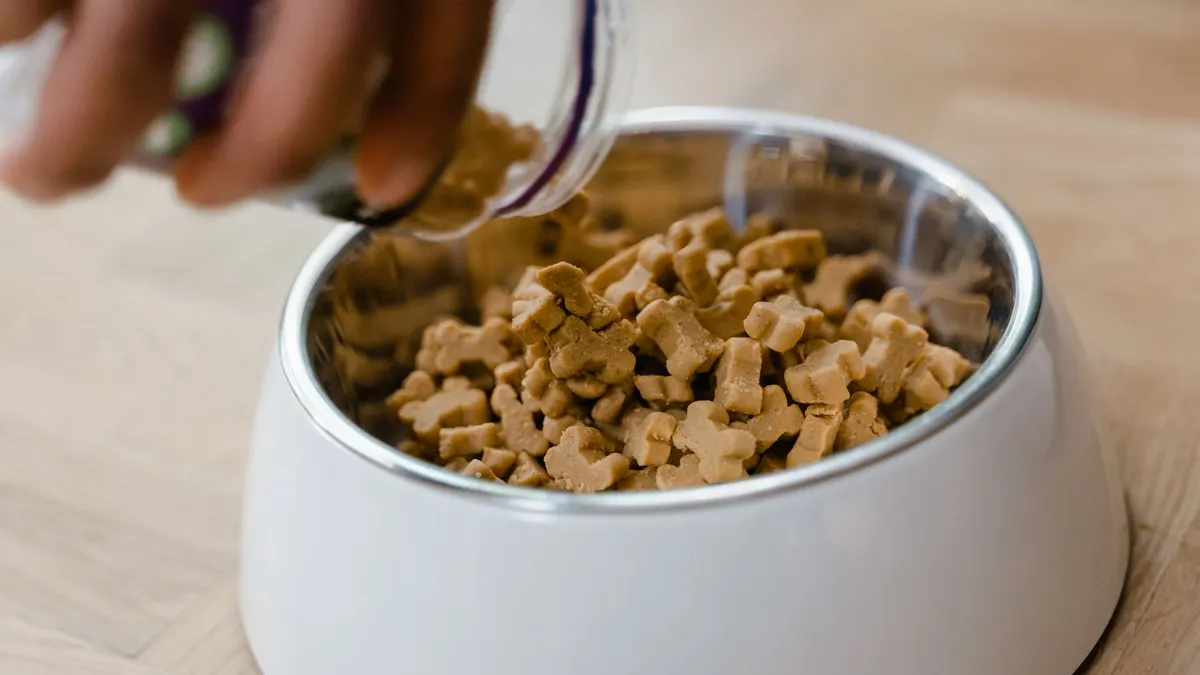
Some older dogs handle smaller meals more comfortably, especially if they have digestive sensitivity or a weaker appetite. If a dog seems uncomfortable after one large meal, splitting the day into smaller feeding windows can be helpful.
Watch the signs that matter
A feeding schedule is useful because it makes changes easier to pick up. If your dog is suddenly skipping meals, chasing food less enthusiastically, or seeming uncomfortable after eating, the schedule is doing its job by helping you notice.
Look for signs like:
- poor appetite for more than a day or two
- vomiting after meals
- loose stools or diarrhea
- sudden weight changes
- unusual restlessness at meal time
Keep the eating area calm
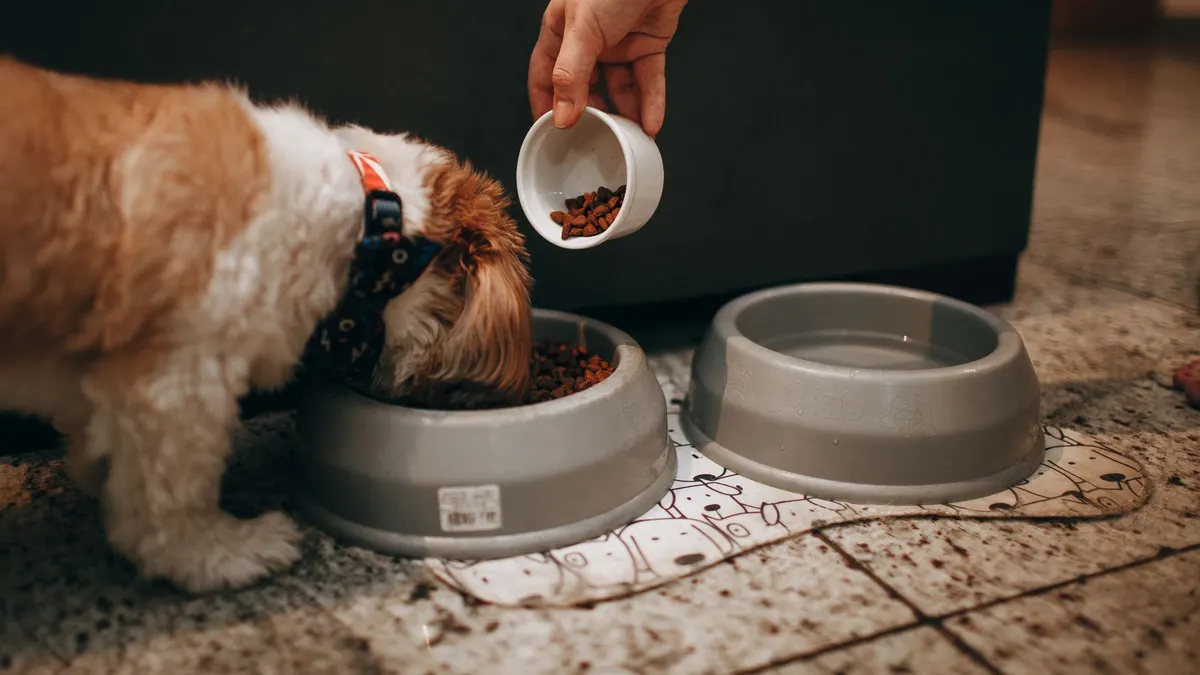
A senior dog often does better when meals happen in a calm, easy-to-reach spot, away from noise and traffic. A stable bowl setup and a predictable routine can reduce the stress around food and make mealtimes less chaotic.
See best-non-slip-dog-bowls-for-senior-dogs and senior-dog-kitchen-safety for practical feeding-area ideas.
Adjust gradually, not dramatically
If the dog needs a different meal pattern, change it gradually and monitor the result. A consistent schedule is helpful, but it should adapt to the dog’s health needs rather than force an inflexible routine.
When to call a vet
If the dog has a sudden appetite change, repeated vomiting, diarrhea, or noticeable weight loss, a veterinary check is a smart next step. These changes are often more meaningful than a normal variation in timing or routine.
Bottom line
The best senior dog feeding schedule is the one that is predictable, gentle, and easy for the dog to handle. For many older dogs, a simple and steady meal pattern works better than a complicated feeding plan.
Related guides
- How Many Times a Day Should a Senior Dog Eat?
- How Much Should a Senior Dog Eat?
- How Should You Feed a Senior Dog?
- Best Non-Slip Dog Bowls for Senior Dogs
FAQ
Is two meals a day enough for a senior dog?
For many dogs, yes. Some need smaller or more frequent meals, but the schedule should fit the dog rather than the other way around.
How do I know if the schedule is right?
Steady appetite, normal stools, stable weight, and comfortable mealtimes are all good signs.
Should I change feeding times often?
Not unless the dog clearly needs it. Consistency is one of the biggest benefits of a good senior feeding routine.
What if my senior dog’s appetite suddenly changes?
That’s a meaningful signal and may be worth a veterinary conversation.