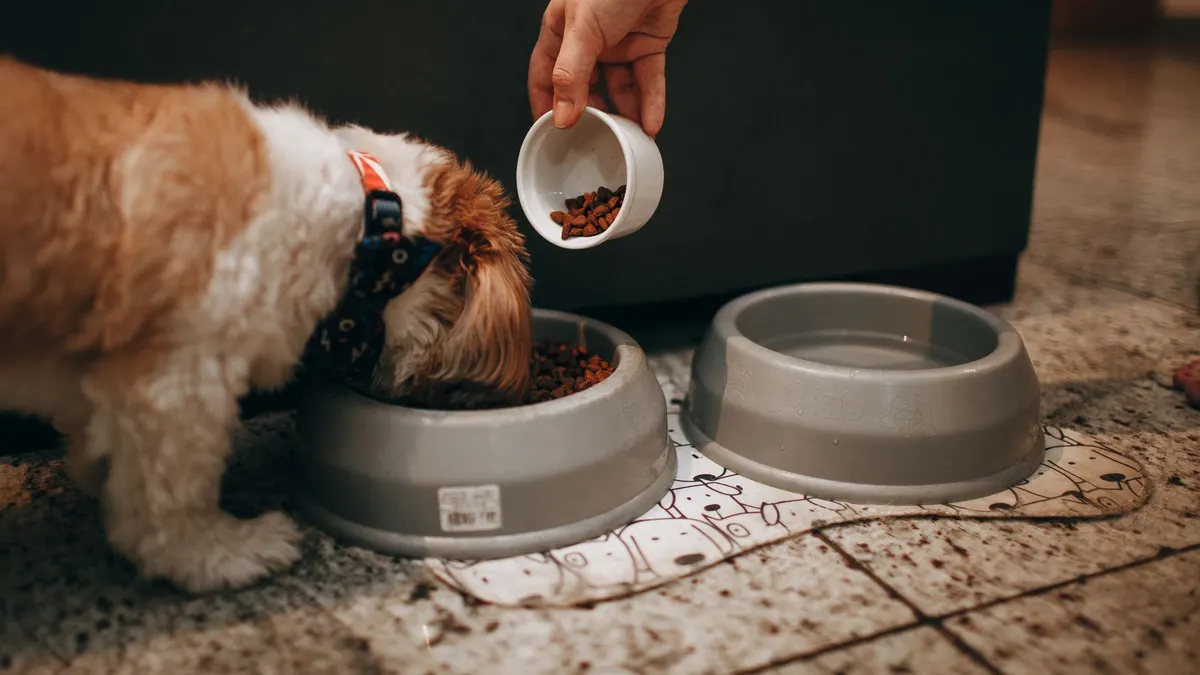
A sensitive stomach in a senior dog often shows up as loose stools, a sudden drop in appetite, or a dog that seems uncomfortable after eating. The solution is usually not a huge diet overhaul. It is a calmer, more digestible routine with foods the dog handles well.
Quick answer
The best foods for senior dogs with sensitive stomachs are typically simple, easy to digest, and introduced gradually. A steady feeding schedule and a realistic meal routine often matter just as much as the actual food formula.
Choose gentle ingredients over a long ingredient list
Older dogs with digestive sensitivity often do better with foods that keep things straightforward. A simpler recipe can be easier to monitor and less likely to upset the stomach.
Look for:
- a familiar protein source
- easy-to-digest carbohydrates
- moderate fiber for gut regularity
- a formula designed for sensitive digestion or easy digestive support
A nice “gentle” food is not necessarily complicated or premium. It is simply consistent and well tolerated by the dog.
Make transitions gradual
Changing food too quickly is one of the easiest ways to trigger stomach upset. A gradual transition over several days helps you see whether the new food actually helps instead of creating a messy trial-and-error cycle.
A basic transition plan:
- Start with mostly the current food
- Add a small portion of the new food over several days
- Keep the meals at the same time each day
- Watch appetite, stools, and movement during the switch
Meal timing matters for digestive comfort
A predictable feeding schedule helps a lot with sensitive stomachs. Smaller, regular meals can be easier on the gut than a single large meal. This matters even more for older dogs because their digestion may be a little less forgiving.
See how-many-times-a-day-should-a-senior-dog-eat and how-should-you-feed-a-senior-dog for meal structure ideas.
Treats should stay easy and intentional
Treats can become a hidden digestive issue if they are rich, frequent, or inconsistent. For a dog with a sensitive stomach, keeping treats small and simple is usually the better move.
See healthy-treats-for-senior-dogs for a more practical treat strategy.
When a vet review is worth it
Frequent vomiting, loose stools, a sharp appetite drop, or unexplained weight loss all deserve a veterinary conversation. Sometimes stomach sensitivity is diet-related, but it can also be a sign of an underlying issue that needs attention.
Bottom line
The best foods for senior dogs with sensitive stomachs are usually gentle, highly digestible, and easy to feed consistently. A calm feeding routine and a gradual transition often help more than a dramatic label-based change.
Related guides
- How Many Times a Day Should a Senior Dog Eat?
- How Should You Feed a Senior Dog?
- Senior Dog Food: What Nutrients Matter Most
- Healthy Treats for Senior Dogs
FAQ
Are limited-ingredient foods better for sensitive stomachs?
They can be helpful, especially if the dog reacts to too many ingredients or a lot of ingredient variety.
How long should a food transition take?
Several days is usually the best starting point. A slower transition is easier on the digestive tract and gives you clearer signals.
What signs mean I should stop the new food?
Persistent vomiting, watery stools, reduced appetite, or obvious discomfort after meals are reasons to rethink the choice.
Is a sensitive stomach always caused by food?
Not always. If the symptoms are repeated or severe, a vet review is a smart next step.