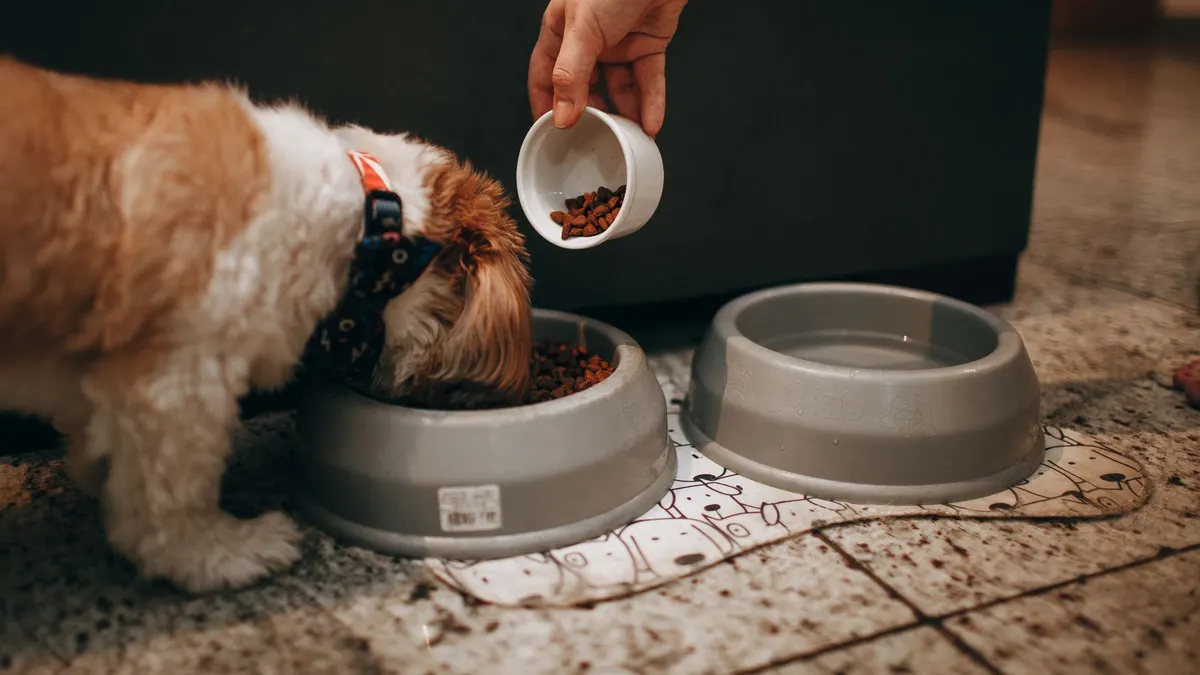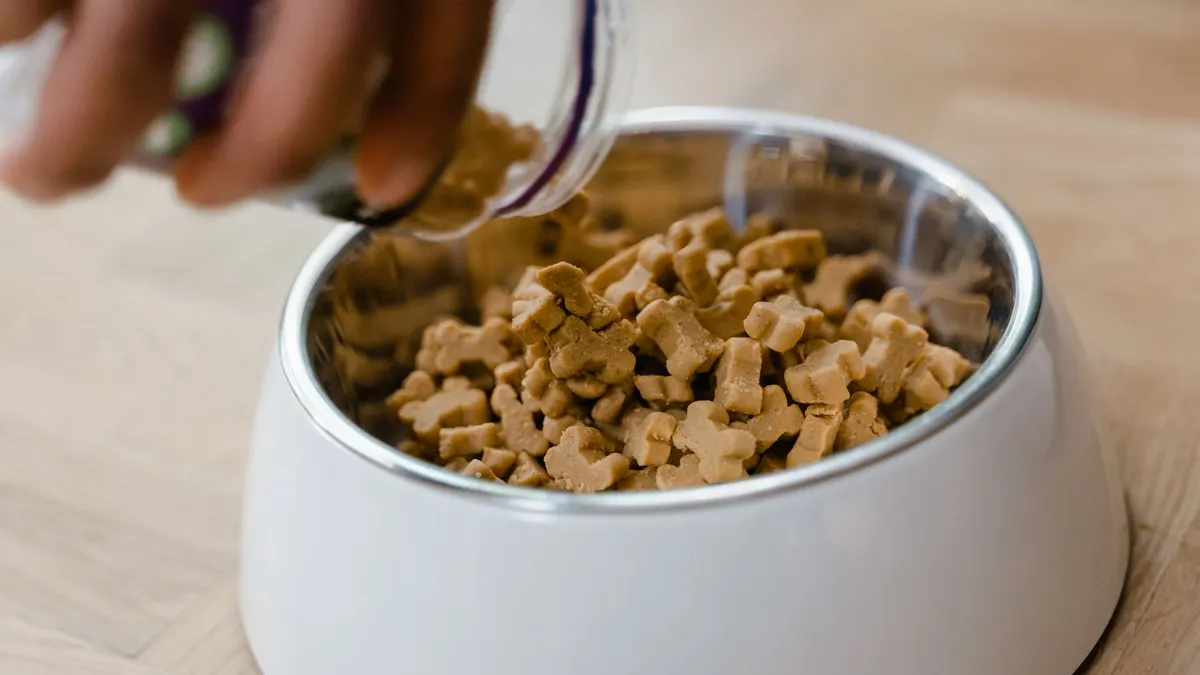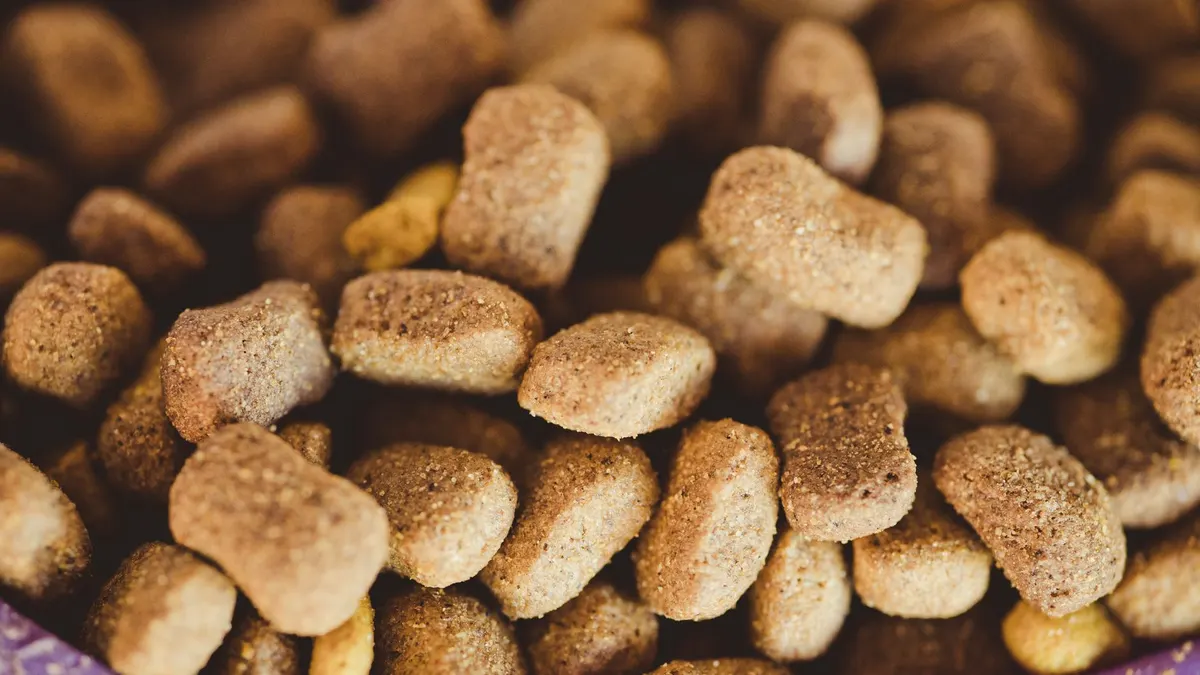
Choosing food for a senior dog is less about looking for a label and more about understanding what the dog needs in real life. A good senior diet supports muscle, digestion, energy, and overall comfort without creating a confusing or overly restrictive routine.
Quick answer
The nutrients that matter most in senior dog food are protein quality, digestible calories, healthy fats, fiber, and a solid balance of vitamins and minerals. The best food is the one that keeps the dog in a healthy body condition while supporting digestion and daily comfort.
Protein is still important
Protein supports muscle maintenance, especially in older dogs that may already be losing strength or slowing down. But quality matters more than simply assuming a high-protein food is automatically better.
A senior dog with a stable body condition and good appetite may do well with a diet that supports muscle without overloading digestion or creating a hefty calorie load.
Calories should match activity and condition
A senior dog that is less active may need fewer calories than a dog that still walks regularly and maintains muscle. A food that is too calorie-dense can lead to weight gain, while a plan that is too lean can contribute to weight loss or low energy.
This is why body condition matters so much. It helps you tell whether the dog is being maintained at a healthy weight or drifting away from it.
Healthy fats support energy and skin or coat condition
Fats can help provide steady energy and support skin and coat health. They are also useful in a senior dog diet when the dog is otherwise eating well and maintaining body condition. The key is balance; the goal is not to overdo calories or create weight gain unnecessarily.
Fiber can help with digestion and consistency
Some older dogs benefit from easier-to-digest diets, especially if they have digestive sensitivity or variable stool quality. Fiber supports a more predictable digestive pattern, but it should suit the dog’s individual needs rather than being used without thought.
Vitamins and minerals matter, but they are not a reason to overcomplicate the diet
A complete and balanced dog food already provides many of the nutrients senior dogs need. The issue is not finding a “superfood” supplement by default. It is making sure the base food fits the dog’s Stage of life and health status.
See how-much-should-a-senior-dog-eat and how-should-you-feed-a-senior-dog for more practical feeding guidance.
When to talk to a veterinarian
If the dog is losing weight, not finishing meals, having diarrhea or vomiting, or acting unusually tired, a veterinary review is worth doing. Food is only one piece of the picture, and a sudden change in appetite or body condition can be a health signal rather than a simple feeding issue.
Bottom line
Senior dog nutrition works best when the food supports the dog’s real needs: muscle maintenance, digestion, energy, and a steady body condition. It is usually more effective to focus on balance and consistency than to chase a perfect formula.
Related guides
- How Much Should a Senior Dog Eat?
- How Should You Feed a Senior Dog?
- How Many Times a Day Should a Senior Dog Eat?
- How to Help an Older Dog Maintain a Healthy Weight
FAQ
Are senior dog foods really necessary?
Not always, but they can be a sensible option when a dog’s needs change with age or health status. The key is whether the food matches the dog’s real condition.
Is more protein always better?
No. Lean body mass matters, but the right protein level should fit the dog’s condition and digestion rather than just trying to maximize it.
Should I switch foods often to find the best one?
No. Sudden changes can upset digestion. It is better to choose a sensible food and monitor the dog’s response over time.
What is the simplest way to tell if the food works?
A healthy body condition, steady appetite, normal stools, and stable energy are usually the best signs.