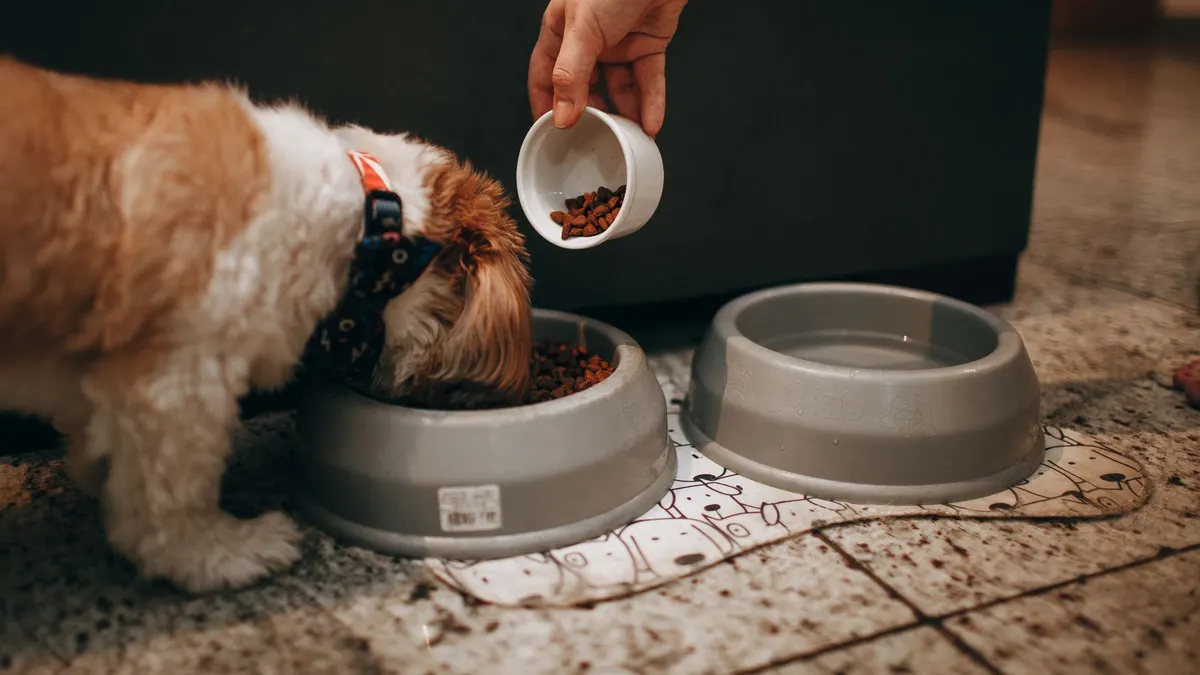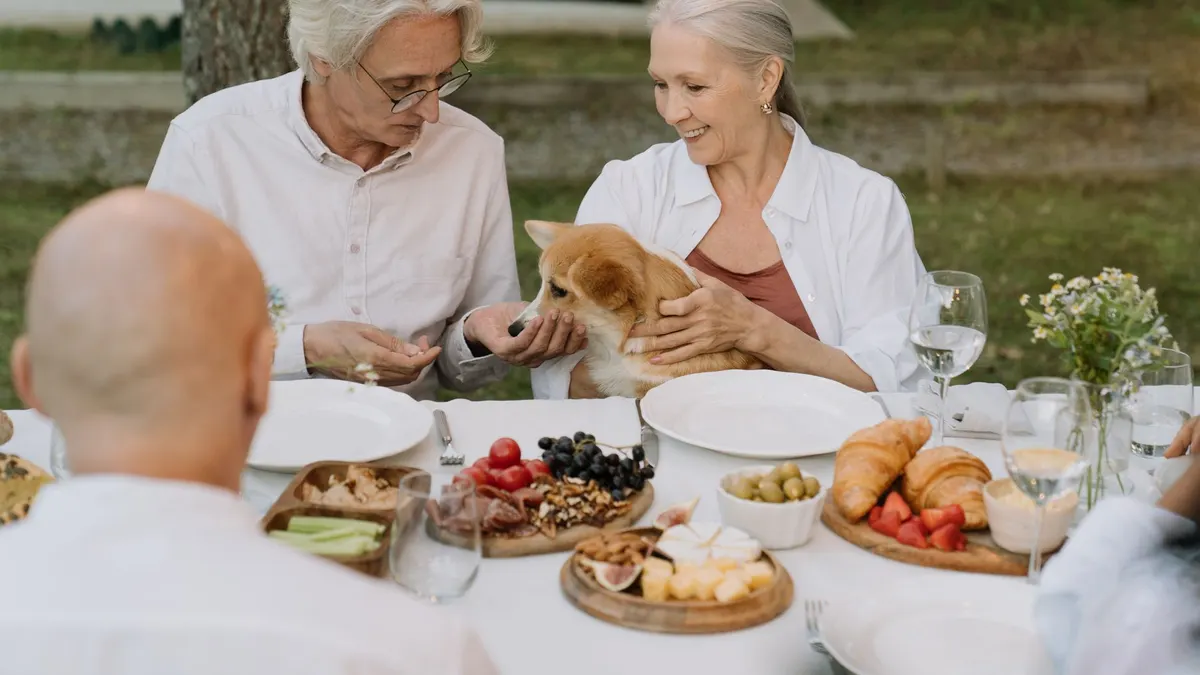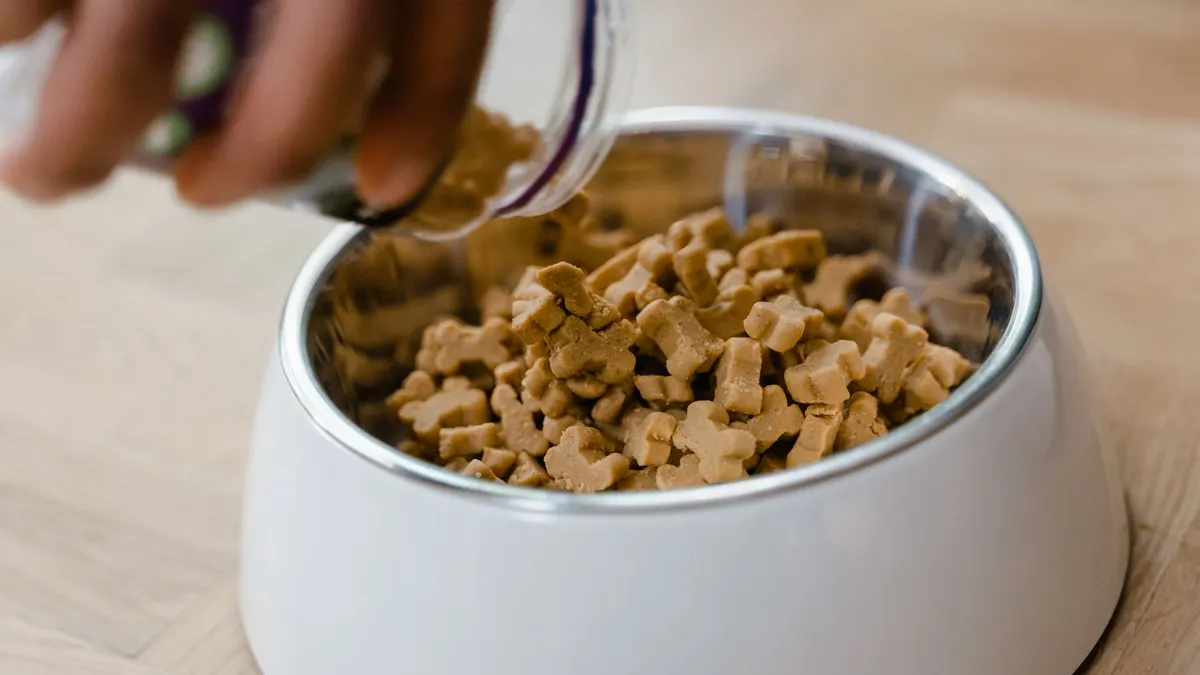
Treats can absolutely be part of a senior dog’s routine, but they work best when they support the overall feeding plan rather than quietly pulling it off track. For older dogs, the best treat is usually small, easy to chew, and aligned with the dog’s weight and appetite.
Quick answer
Healthy treats for senior dogs are best when they are modest in size, easy to digest, and used intentionally. They should support training, bonding, and daily habits without creating weight gain or replacing balanced meals.
If your dog is still maintaining a steady weight and eating normally, a few small treats are usually not a problem. The trouble starts when extras become frequent enough to disturb appetite or body condition.
Choose treats that fit the dog’s actual needs
A senior dog may benefit from a treat that is:
- small enough to avoid disrupting the meal plan
- gentle on the mouth and gums
- easy to digest
- low in extra calories if the dog is sensitive to weight changes
The treat itself matters less than whether it fits the dog’s body condition and routine.
Treats are not “free” calories
Treats are useful for rewarding calm behavior, encouraging movement, and making a routine more positive, but they can add up fast. A senior dog that is already prone to weight changes may be more affected by a few extra snacks than a younger dog with a higher activity level.
This is one of those areas where consistency matters more than generosity.
Oral comfort matters too
Some senior dogs have dental sensitivity or trouble chewing hard items. If the dog hesitates at crunch treats or seems uncomfortable after chewing, a softer or smaller option may be much more comfortable.
See senior-dog-dental-care and how-to-brush-an-older-dogs-teeth for more on mouth comfort and senior oral care.
Keep treats purposeful
The best way to use treats is to do it intentionally. Keep them small, count them, and make sure they don’t distort the dog’s appetite or body condition over time.
When to rethink the treat plan
If the dog has a sudden appetite change, digestive upset, weight shift, or an odd reaction to treats, it is worth reviewing the whole feeding plan with a veterinarian.
Bottom line
Healthy treats for senior dogs are useful when they are small, intentional, and aligned with the dog’s body condition and digestion. A simple, consistent routine is rarely a problem; a habit of larger, untracked extras is more likely to be.
Related guides
- How Much Should a Senior Dog Eat?
- How to Help an Older Dog Maintain a Healthy Weight
- Senior Dog Food: What Nutrients Matter Most
- Senior Dog Mealtime Routine
FAQ
Are treats bad for senior dogs?
No, not when they fit the dog’s feeding plan and overall health needs.
What is the best treat for older dogs?
A small, easy-to-chew treat that is low in extra calories and comfortable for the dog’s mouth and digestion is often the best fit.
How many treats should I give?
Keep them measured and modest enough that they do not crowd out meals or disturb weight quality.
Should I stop treats if the dog is gaining weight?
Not necessarily. You may just need to make them smaller, less frequent, or more purposeful.