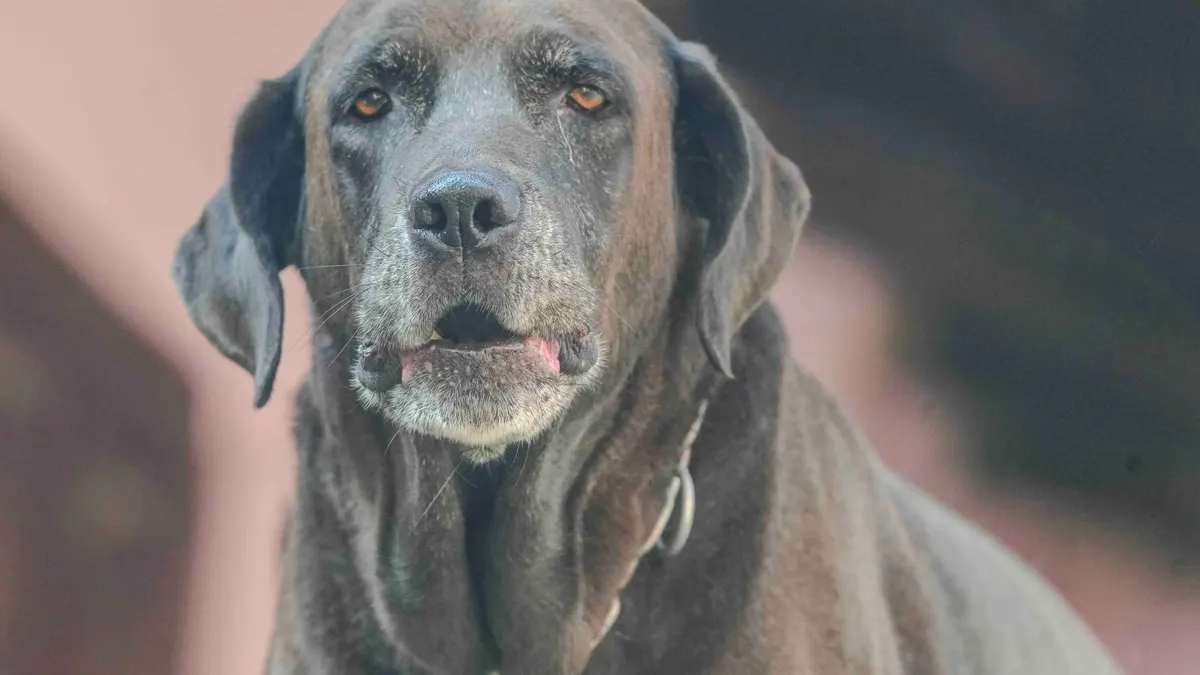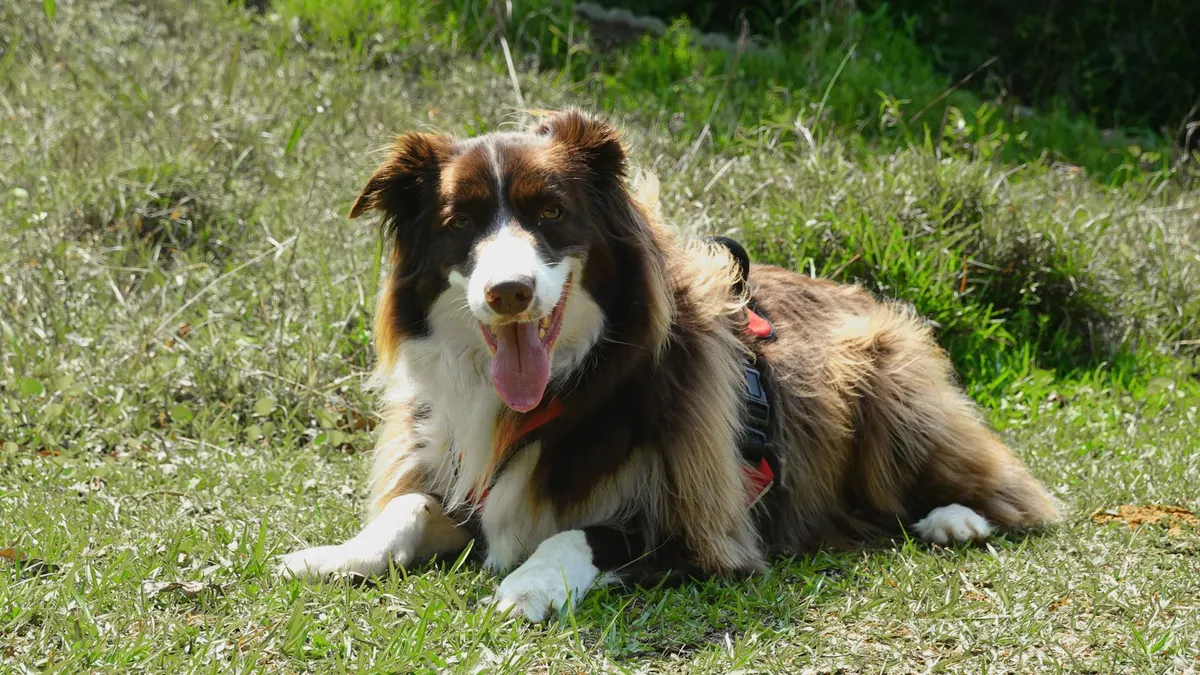
A healthy weight is one of the easiest things to overlook in senior dog care, especially when a dog does not seem obviously underweight or overweight. The goal is to keep the dog comfortable, active enough for daily life, and steady in body condition over time.
Quick answer
The best way to help an older dog maintain a healthy weight is to stay consistent with feeding, monitor body condition regularly, and match meals to the dog’s actual activity, energy, and appetite. This is usually more effective than making big diet changes suddenly.
The easiest approach is to treat weight like a trend, not a single number. A dog that stays steady for weeks, eats with interest, and has a healthy body shape is usually in a better place than a dog that swings from one food guess to another.
Check body condition rather than guessing
A good body condition check is more useful than focusing on a single weight number. Look for a dog that has:
- a visible waist when viewed from above
- a gentle tuck at the back end
- ribs that are not obviously prominent or buried under fat
- steady muscle use without sudden weakness or excessive thinness
If this feels unclear, a veterinarian or a more formal body condition chart can help you assess it more accurately.
Keep the feeding routine regular
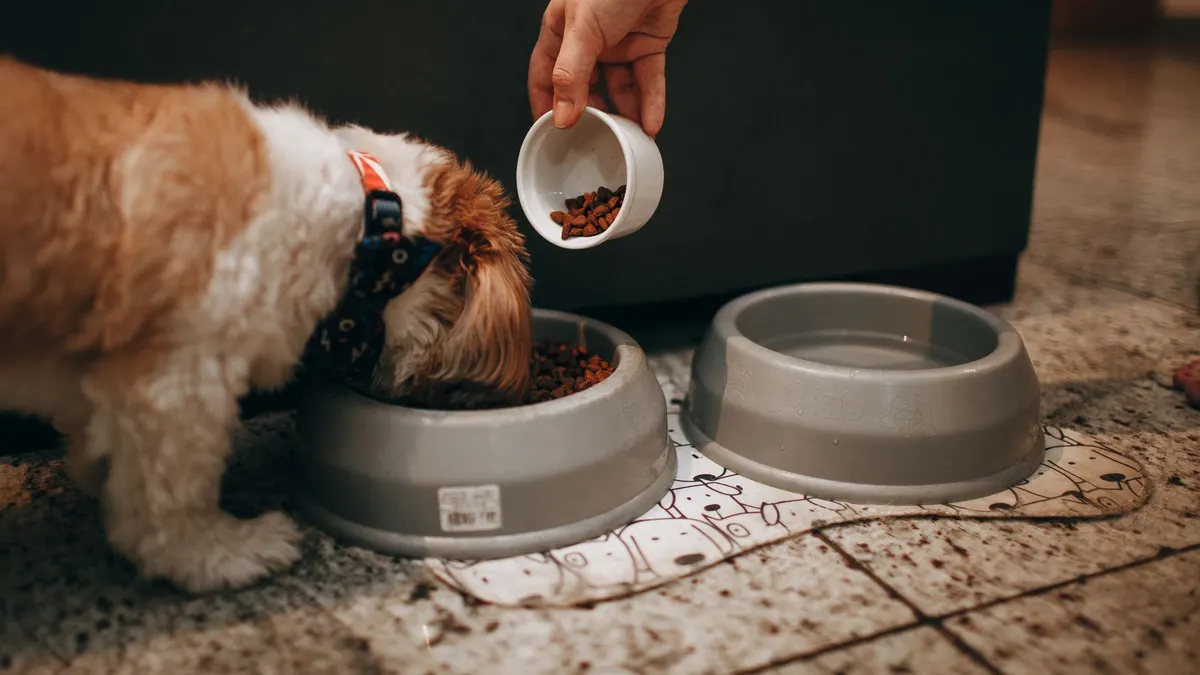
A stable feeding routine matters for senior dogs because it makes appetite and weight shifts easier to notice. Irregular feeding can also make a dog more difficult to monitor when you are trying to tell whether weight is trending up or down.
See how-much-should-a-senior-dog-eat and how-many-times-a-day-should-a-senior-dog-eat for a more complete routine-based view.
Exercise and weight are connected
A dog that moves less may need fewer calories, but it is not always as simple as “older dog = less food.” Some senior dogs still walk comfortably and need more energy than a very sedentary dog. The best approach is to consider actual activity and body condition together.
Light, low-impact movement and gentle routines are often better than forcing a dog into intense exercise if it is uncomfortable or stiff.
Treats should fit the whole plan
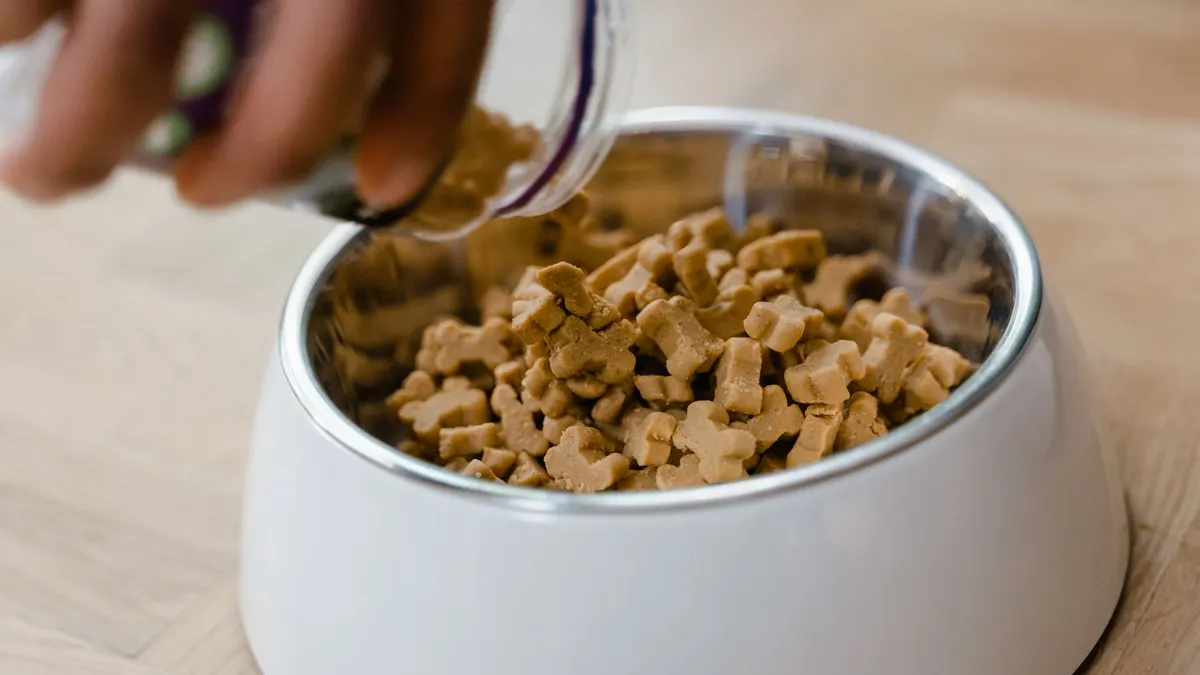
Treats are not the enemy, but they can add up. Use them strategically so they do not crowd out the dog’s regular meals or lead to weight change. A small, healthy treat is often a better plan than a large extra snack that interrupts the routine.
See healthy-treats-for-senior-dogs for a more practical view of treat choices.
Watch for changes that suggest a bigger issue
If the dog is suddenly losing weight, appearing gaunt, or has a poor appetite, it is worth a veterinary conversation. The same goes for a sudden increase in weight or a change in body condition that does not match the dog’s routine.
Bottom line
A healthy senior dog weight plan is built on consistency, real observation, and a body condition check that reflects daily life. Small adjustments usually work better than a dramatic change in diet or exercise.
Related guides
- How Much Should a Senior Dog Eat?
- How Many Times a Day Should a Senior Dog Eat?
- Healthy Treats for Senior Dogs
- Senior Dog Food: What Nutrients Matter Most
FAQ
Do senior dogs always need less food?
Not automatically. Some older dogs need less, while others remain active and maintain a healthy weight with the same general approach.
How often should I assess body condition?
Regularly. A quick weekly check is often enough to notice a trend, especially if the dog’s appetite or activity level changes.
Are treats a problem for weight?
They can be if they become too frequent or too large. Keep them small and intentional.
When should I get professional help?
If the dog’s weight drifts unexpectedly, appetite changes, or the dog seems weak or uncomfortable, a veterinary exam is the right next step.