Feeding a senior dog is not about copying a generic rule. It is about building a plan around the dog’s body condition, appetite, age-related changes, and comfort at mealtime.
Quick answer
The best way to feed a senior dog is with a consistent routine, a stable feeding setup, and a feeding amount that helps maintain a healthy body condition. Meal timing, food form, and appetite all matter.
If the dog is steady in weight, comfortable after meals, and eager at the bowl without digestive issues, the current routine is probably a good one. The goal is not perfection — it is a reliable pattern that supports daily life.
Start with body condition and appetite
The first question is not “how old is the dog?” but “what does the dog look like, feel like, and eat like in real life?” A dog can be older and still need a higher or lower calorie level depending on activity and health status.
Watch for:
- steady weight or slow weight loss
- a good appetite without forced feeding
- comfortable chewing and digesting
- healthy energy and stable body condition
If the dog is losing muscle, not finishing meals, or showing digestive issues, the feeding plan may need a review.
Keep the routine simple and repeatable
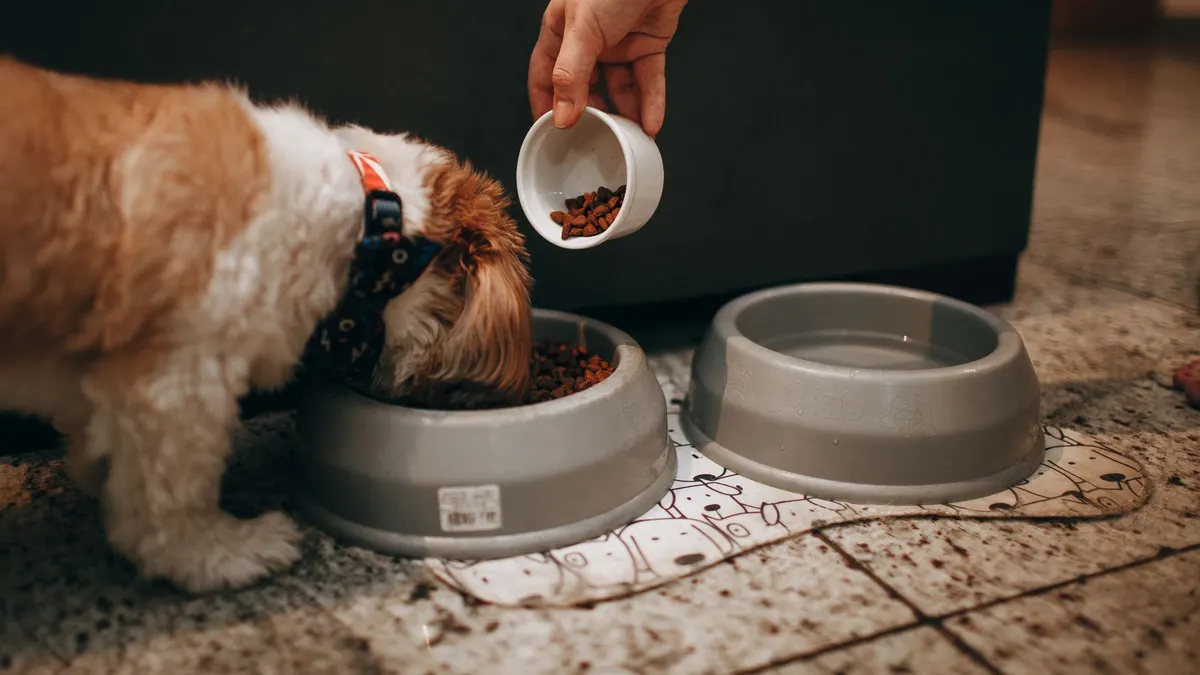
Senior dogs often do best with meals that happen at regular times and in a calm space. A predictable schedule is easier to track and makes meal changes more obvious. If a dog suddenly becomes less interested in food or starts taking a long time to finish meals, you are more likely to notice it quickly.
This makes it easier to make small adjustments before a bigger problem develops.
Consider chewing, digestion, and comfort
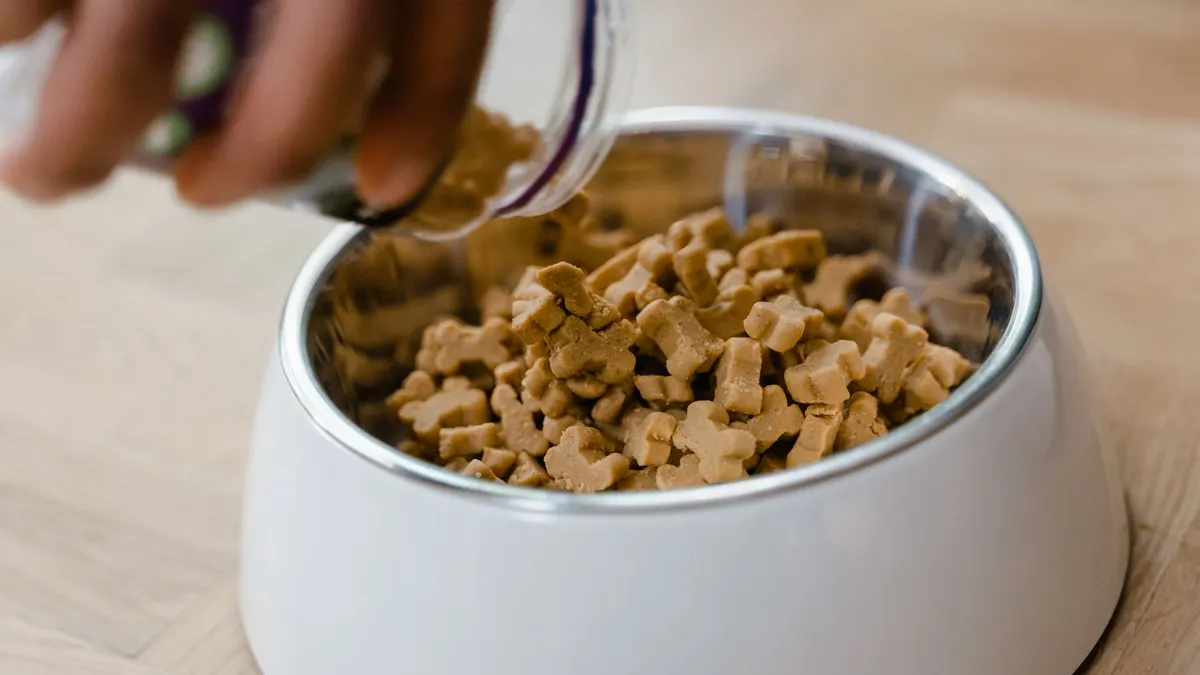
If a dog has dental issues, difficulty chewing, or a sensitive stomach, the food texture and meal structure may matter. Some older dogs do better with softer food, smaller meals, or a more gradual transition when the formula changes.
A practical feeding routine is shaped by how the dog actually eats, not by a one-size-fits-all formula.
Use food changes carefully
Switching formulas can be useful, but sudden changes can upset digestion. If you decide to change brands or textures, do it gradually over several days. That is especially helpful for senior dogs who may already be sensitive.
See how-much-should-a-senior-dog-eat, how-many-times-a-day-should-a-senior-dog-eat, and senior-dog-food-what-nutrients-matter-most for more feeding-specific guidance.
When to ask a vet for help
A veterinarian is a good next step if your senior dog:
- is losing weight without explanation
- has repeated vomiting or diarrhea
- refuses food for more than a day or two
- has trouble chewing or swallowing
- seems uncomfortable after eating
These signs may mean the feeding plan is not the only issue.
Bottom line
Feeding a senior dog well means matching the plan to the real dog: body condition, appetite, routine, comfort, and health. A calm, predictable setup usually works best and makes future changes easier to notice.
Related guides
- How Much Should a Senior Dog Eat?
- How Many Times a Day Should a Senior Dog Eat?
- Senior Dog Food: What Nutrients Matter Most
- How to Help an Older Dog Maintain a Healthy Weight
FAQ
Can I just keep feeding my dog the same way as when it was younger?
Sometimes, but not always. Older dogs often need a plan adjusted for activity, appetite, and body condition.
Is a special senior food always necessary?
No. It depends on the dog’s needs. Some older dogs do well on a standard dog food that matches their energy, digestion, and body condition. Others do better with a recipe tailored to senior needs.
How do I know if the food is a good match?
Healthy weight, steady appetite, comfortable digestion, and good energy are strong signs the food is working for the dog.
Should I make feeding changes without a vet?
Small, careful changes are reasonable, but if there are sudden or serious changes in appetite, weight, or digestion, a veterinarian is the right place to start.