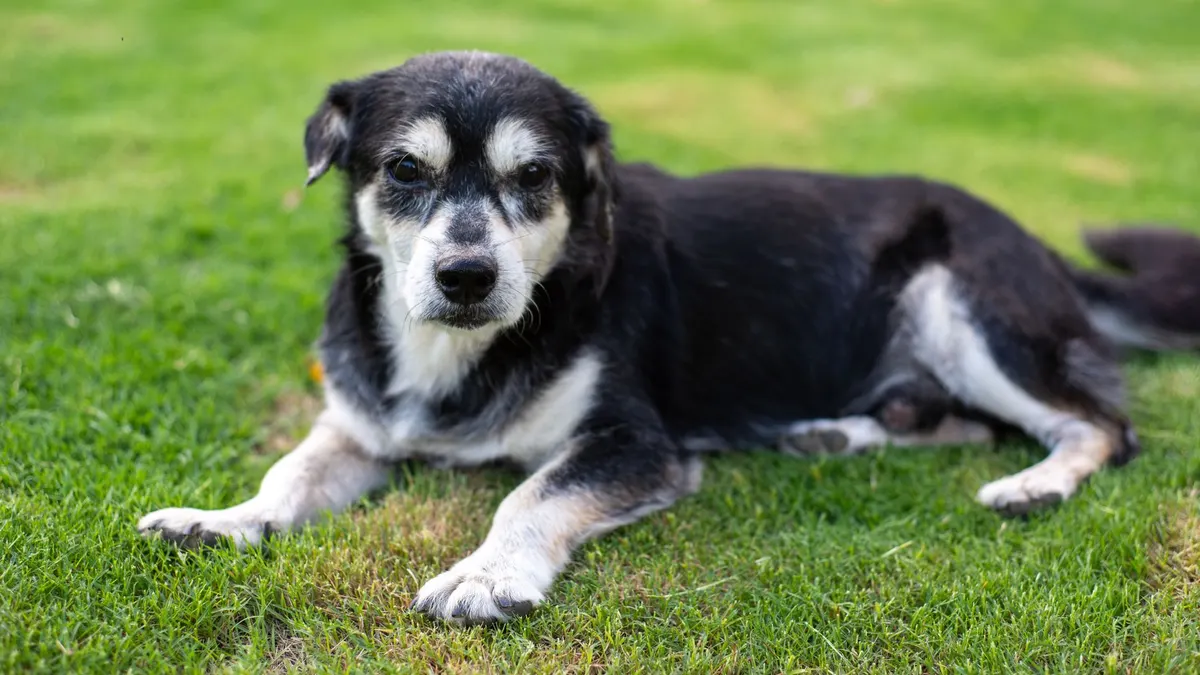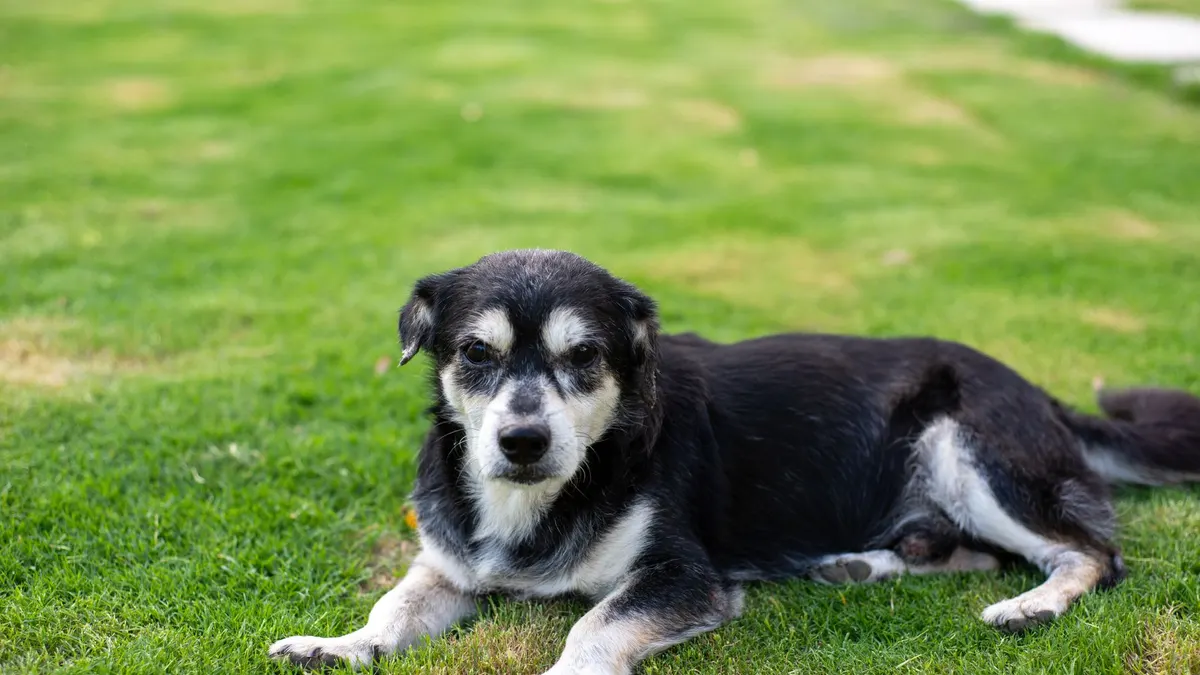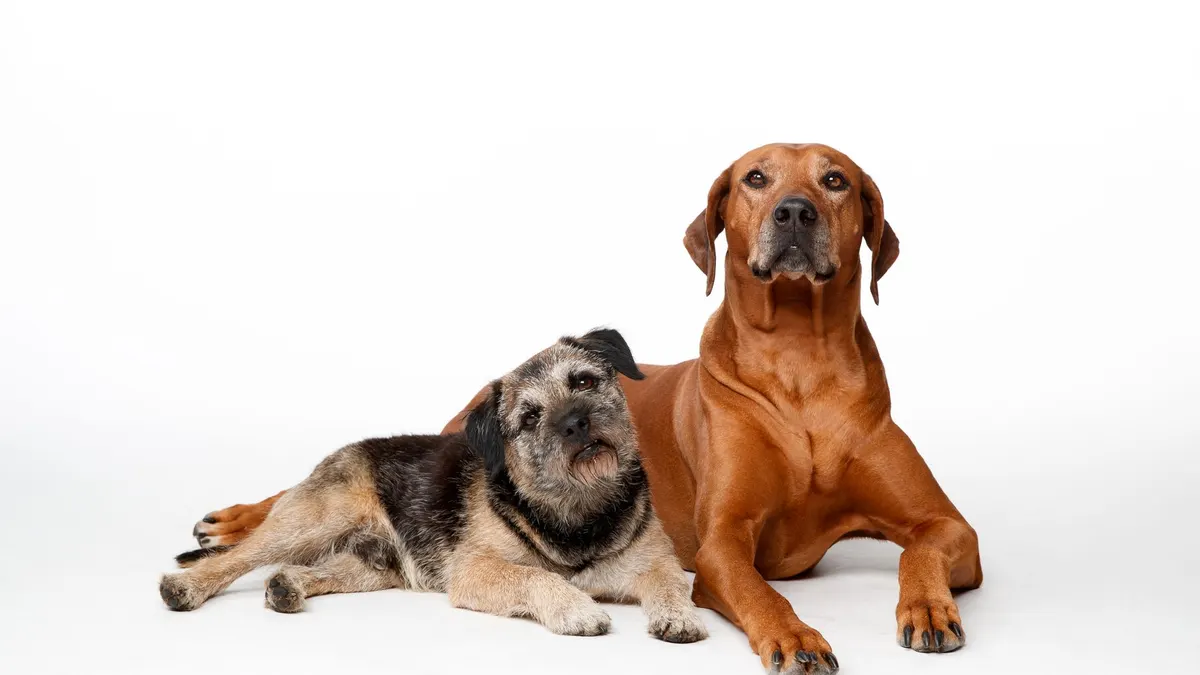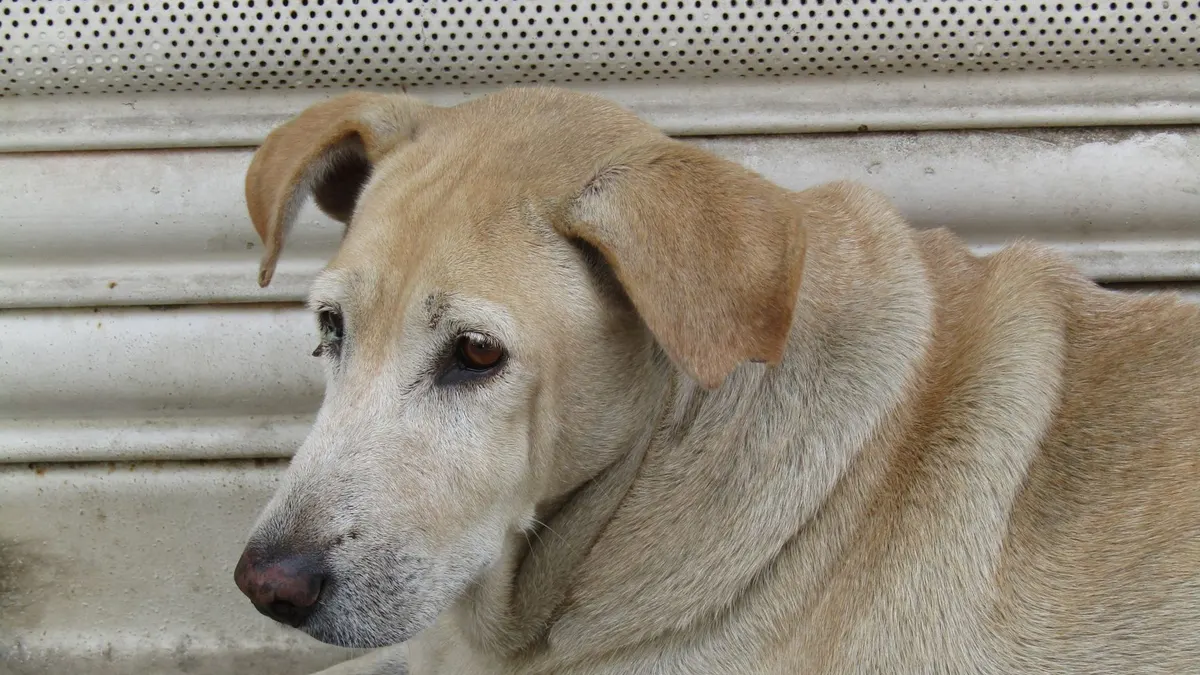
Large-breed senior care starts years earlier than most owners expect. A Labrador is senior at 7–8; a Great Dane at 6. The reason is simple physics: 40 kilos of dog concentrates enormous load on hips, elbows, and spine that were never designed to last fifteen years. The upside is that large dogs respond unusually well to the two levers owners control completely — weight and environment.
Quick answer
Treat large breeds as senior from 6–8 years onward. The playbook: keep the dog lean (the single most effective joint intervention), maintain muscle with daily low-impact movement, invest in genuinely supportive large-size bedding, add traction before slipping starts, and run twice-yearly vet checks with bloodwork.
The earlier, heavier timeline
The old seven-year rule hides what size does to aging:
- Giant breeds (Danes, Mastiffs, Saint Bernards): senior at ~5–6 years
- Large breeds (Labs, Shepherds, Goldens, Rottweilers): senior at ~7–8 years
- Medium breeds: senior at ~9–10 years
- Small breeds: senior at ~11–12 years
Everything the "10-year-old" and "12-year-old" guides describe happens earlier here, which is why the large dog guide at a younger age matters more for big dogs than for small ones.
Weight: the intervention that beats everything else
For large seniors, weight discipline is not cosmetic — it is orthopedics. Extra load multiplies through hips, elbows, knees, and the spine, and studies have repeatedly linked leanness to slower arthritis progression and better mobility in big dogs.
Practical points:
- Ask for a number. "He could lose a bit" changes nothing. Get a target weight and a feeding quantity in grams from your vet.
- Measure every meal. Free-feeding a senior large breed almost always drifts overweight.
- Count the extras. Joint chews, training treats, and table scraps are where large-dog calories hide.
- Watch the topline. Muscle loss over the hips and spine is an early senior signal in big dogs — track it visually once a month.
Joints and mobility
Large senior dogs most commonly deal with osteoarthritis (hips and elbows), cruciate ligament strain, and general hind-end weakness. What helps, in rough order of impact:
- Lean body weight — covered above, because it is first for a reason
- Daily low-impact movement — two or three shorter walks, swimming if accessible; muscle stabilizes joints
- Traction everywhere the dog walks — hardwood and tile are the enemy of a heavy, unstable dog; the non-slip mats guide covers placement
- Ramps and steps for the car and furniture — jumping down is where cruciate tears happen
- Joint supplements and pain medication as advised — worth a specific conversation rather than a generic buy
When weakness or wobbliness is already present, the dedicated guide to large dogs with mobility problems covers support harnesses, home adaptation, and the warning signs that point to spinal disease.
Home engineering for a 40-kilo dog
Size changes the logistics of every adjustment:
- Bedding: thin cushions bottom out under heavy dogs. A high-density orthopedic mattress large enough for full-body stretching is the baseline; entry should be step-free. Details in the orthopedic bed guide.
- Floors: a slipping Lab is a falling Lab. Rugs and runners on every main route, especially turns and the path to the door.
- Stairs: a heavy dog falling on stairs gets hurt seriously. Gates on steep flights and help for steep outdoor steps are cheap insurance.
- Car: a proper ramp sized for large breeds — lifting a struggling 40-kilo dog is how both of you get injured.
- Warmth and cold: large seniors feel cold concrete and winter floors more than they used to; padded, warm rest zones matter.
📋Large-Breed Senior: Quarterly Review Checklist
0/8 completed- Weight recorded monthly against the vet-set target; feeding measured in grams
- Muscle condition over hips and spine checked visually
- Traction intact on all main routes — rugs flat, backings grippy
- Bed still supportive: no visible bottoming-out, entry low and stable
- Nails short enough that gait is not altered
- Walks maintain muscle: 2–3 daily outings, some sniff time, no hard fetch sessions
- Ramp or steps available for car and furniture
- Vet visits twice a year with bloodwork; new lumps and stiffness reported early
When to ask a veterinarian
Routine: gradual slowing, mild stiffness after rest — bring the pattern to scheduled checks.
Schedule within weeks: new lameness or limping, reluctance to rise, weight gain or loss, new lumps (large breeds have higher rates of several cancers — aspiration is quick and settles it), behavior changes.
Promptly: sudden inability to bear weight, dragging paws or knuckling over (possible spinal disease — this one is time-sensitive), distended or painful abdomen (large deep-chested breeds and bloat), collapse or breathing difficulty.
Related guides
- Senior Dog Care for Large Dogs with Mobility Problems
- Senior Dog Care by Age
- Best Non-Slip Mats for Senior Dogs
- Best Orthopedic Dog Beds for Seniors
- Best Harnesses for Senior Dogs
- Best Dog Ramps for Senior Dogs
FAQ
When is a large breed dog considered senior?
Large breeds typically enter the senior stage around 6–8 years, and giant breeds even earlier. A 7-year-old Great Dane is biologically older than a 10-year-old Beagle. Size, not the seven-year rule, sets the timeline.
Why is weight so important for large senior dogs?
Every extra kilo multiplies the load on hips, elbows, and spine already stressed by sheer size. Keeping a large dog lean is the single most effective joint intervention owners control directly.
What bedding works best for a large senior dog?
A thick, high-density orthopedic mattress sized for full-body stretching, with a low entry point. Thin cushions bottom out under heavy dogs and stop protecting pressure points.
Which health issues are large senior dogs most prone to?
Osteoarthritis of hips and elbows, cruciate ligament tears, some cancers (including osteosarcoma in giant breeds), heart disease, and mobility decline. Twice-yearly vet visits with bloodwork are the standard from about age 7.
How should I adjust exercise for a large senior dog?
Keep daily low-impact movement — shorter, more frequent walks, swimming where available — and drop repetitive high-impact activity like fetch on hard ground. Muscle maintenance protects joints more than rest does.