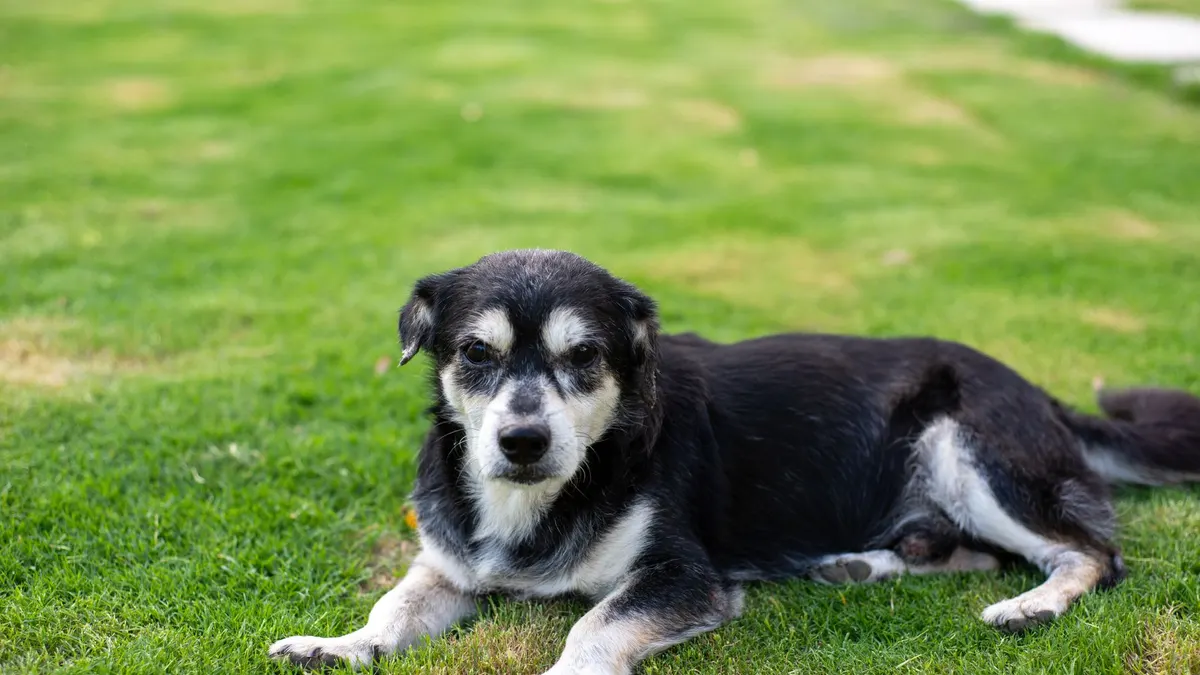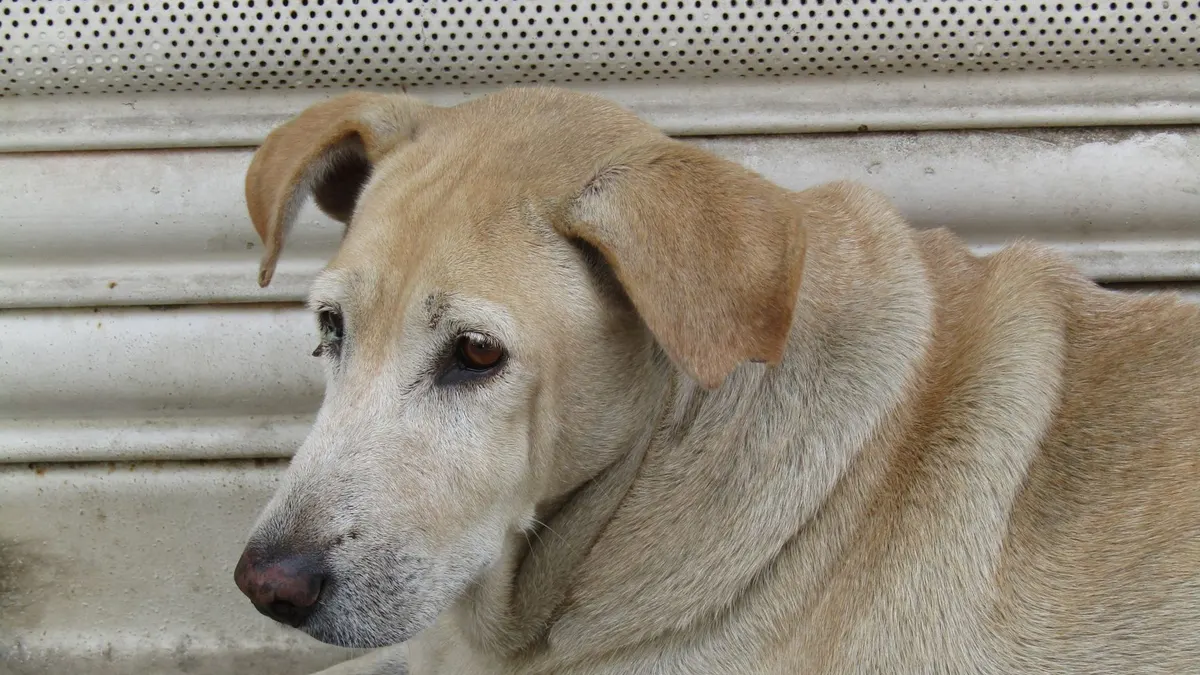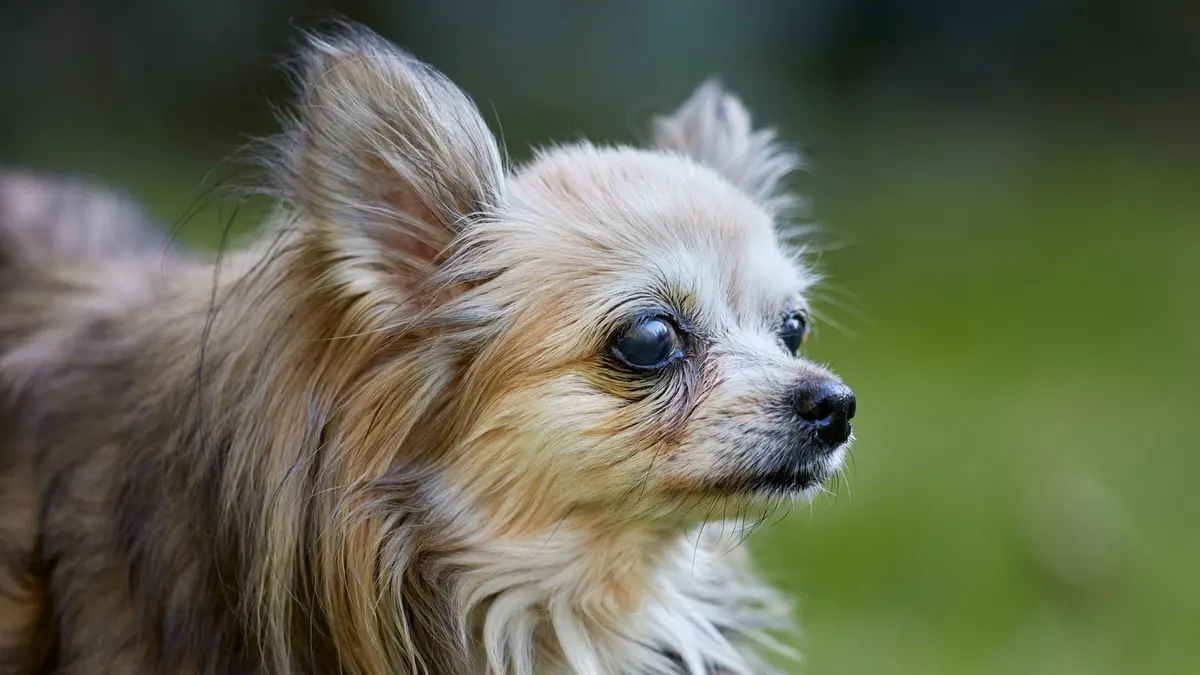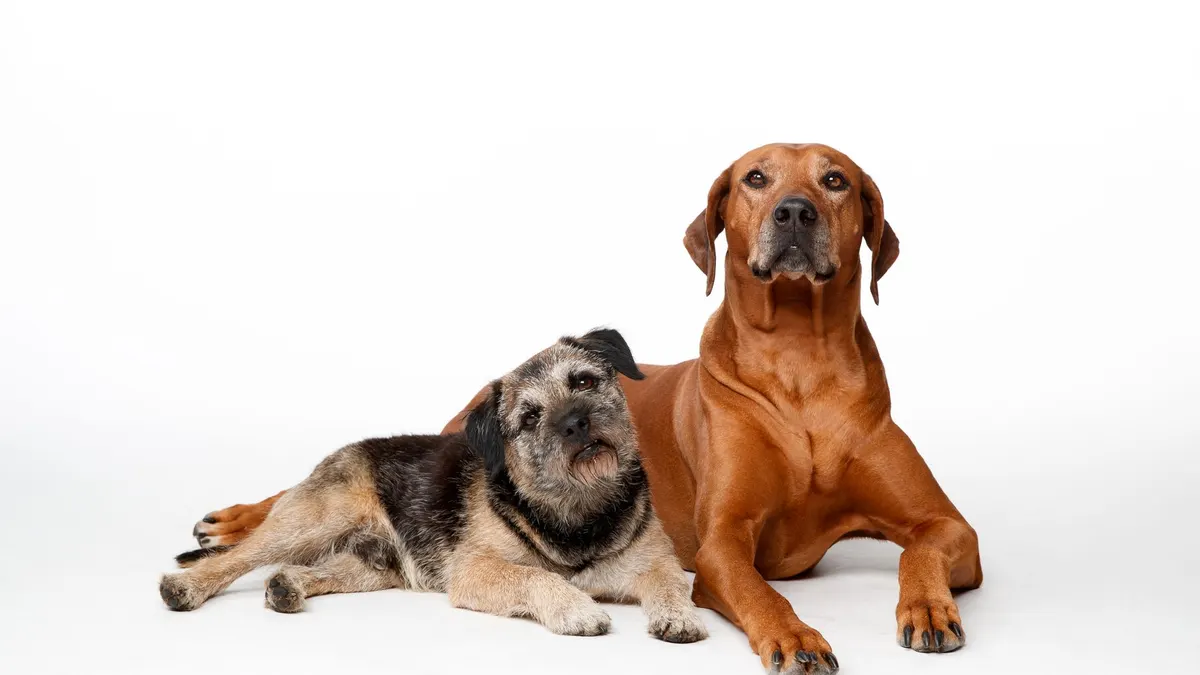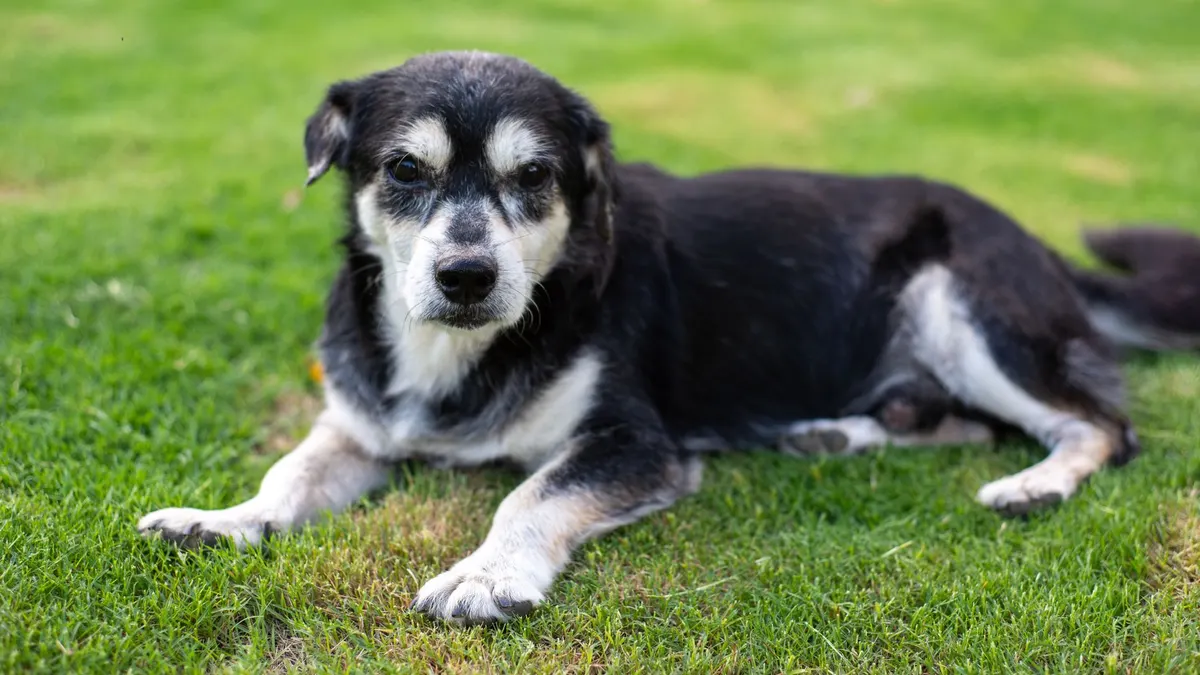
Ten is the most underappreciated year in a dog's life. Most 10-year-old dogs still act like themselves — same walks, same routines — so owners often miss that this is exactly when the highest-leverage decisions get made. Joints, teeth, weight, and vet habits set at 10 shape how comfortable 13 and 14 look.
This guide covers what 10 means for your dog's size, what to adjust now, and what to start tracking.
Quick answer
At 10, most dogs are entering the senior transition: still active, but with slower recovery and the first subtle changes in joints, teeth, and energy. The priorities are baseline bloodwork, a twice-yearly vet rhythm, weight discipline, and small home adjustments made before they become urgent.
What 10 means depends on size
"Senior at 10" is not one statement — it is three:
- Large and giant breeds: 10 is deep senior. A 10-year-old Labrador or German Shepherd is biologically closer to a small dog at 15. Joint support, comfort, and frequent vet monitoring are already due — see the guide to senior dog care for large breeds.
- Medium breeds: 10 is the true transition. Energy is mostly intact, but this is the year small drifts start showing.
- Small breeds: 10 is early. Many Chihuahuas, Dachshunds, and Toy Poodles are still middle-aged in practical terms — their senior guide lives here.
If you are unsure which applies, ask your vet to translate your dog's age into "human" terms using body size, not the old seven-year rule.
The five adjustments that matter at 10
1. Double the vet rhythm, once
Move from annual to twice-yearly wellness visits, and ask for a blood panel plus urinalysis this year if there is no recent baseline. Kidney, liver, and thyroid diseases are common at this stage and far more manageable when caught by numbers, not symptoms.
2. Get serious about weight
A 10-year-old dog carrying even a little extra weight pays for it in joints and metabolism. Weigh the dog, score body condition honestly (ribs easy to feel, visible waist), and ask your vet what the target number is. Weight is the single modifiable factor with the biggest joint payoff.
3. Rebuild the exercise around recovery, not distance
Keep the dog moving — muscle loss accelerates quickly in the senior years and inactivity makes it worse. Adjust the shape: two or three shorter walks instead of one long one, one demanding day followed by an easy day, and sniff-heavy walks that exercise the brain without pounding the joints.
4. Book a dental assessment
Ten is a common age for the first professional dental cleaning decision. Tartar, gum recession, and bad breath at this stage rarely resolve on their own — the dental chews guide covers what chews can and cannot do.
5. Make small home changes now, while they are optional
Non-slip runners on the main route, a supportive bed, and a footstool or ramp for the couch cost little and prevent the injuries that often start the decline spiral. The home safety checklist walks through it room by room.
📋10-Year-Old Dog: Start-of-Year Setup Checklist
0/7 completed- Twice-yearly vet visits scheduled; bloodwork and urinalysis done for baseline
- Weight recorded and body condition scored; target weight agreed with the vet
- Exercise reshaped: shorter, more frequent walks with recovery days
- Dental assessment booked or discussed
- Main walking routes have traction (runners or mats)
- Bed supports joints; entry and exit are low-effort
- A simple note of changes: appetite, mornings, stairs, energy after walks
What to start tracking at 10
The most useful thing you can do this year costs nothing: keep a running note of small changes.
- Mornings. Stiffness after sleeping that eases with movement is worth mentioning even if it is mild.
- Stairs and jumps. Hesitation before the couch or the car is often the first mobility signal — earlier than limping.
- Appetite and thirst. Increased thirst in particular is a classic early flag for kidney or metabolic issues.
- Recovery time. How long the dog takes to settle after a big day. Longer recovery year over year is normal; a sudden change is not.
Two weeks of notes is worth more than a month of guessing at the vet clinic. Patterns are what turn "he seems fine" into actionable information.
When to ask a veterinarian at 10
Routine monitoring: stiffness after rest, mild slowing, more naps — bring the pattern to the next scheduled visit.
Schedule within weeks: new hesitation with stairs or jumps, weight drift in either direction, new lumps or bumps (most are benign; fine-needle aspiration settles it), mild bad breath.
Promptly: increased thirst and urination, appetite loss over more than a day or two, collapse or fainting, vomiting with lethargy, or any sudden lameness.
Related guides
- Senior Dog Care by Age
- Senior Dog Care for 12-Year-Old Dogs
- Senior Dog Care for Large Breeds
- Senior Dog Care for Small Breeds
- How Often Should a Senior Dog See the Vet?
- Senior Dog Daily Routine
FAQ
Is 10 years old senior for a dog?
It depends on size. For large breeds, 10 is deep into the senior stage. For medium dogs it is a genuine transition year. For small breeds, 10 is only the beginning — many stay vigorous well past it.
What health checks should a 10-year-old dog have?
Twice-yearly wellness visits with bloodwork and a urinalysis, a dental assessment, blood pressure where available, and a weight and body-condition check. Baseline labs at this age make later changes much easier to interpret.
Should I change my 10-year-old dog's food?
Not automatically. If weight is stable, muscle is good, and the coat is healthy, there is no need to switch. Discuss a senior or joint-support formula with your vet if weight drift, stiffness, or lab changes appear.
How much exercise does a 10-year-old dog need?
Usually close to the same total activity, split differently: two to three shorter walks instead of one long one, plus low-impact movement like sniffing walks and gentle play. Recovery time after big outings is the piece owners forget.
What early signs of aging show up at 10?
Longer recovery after exercise, slightly stiffer mornings, more naps, graying around the muzzle, and sometimes subtle hearing or vision changes. Individually minor; worth tracking as a pattern.