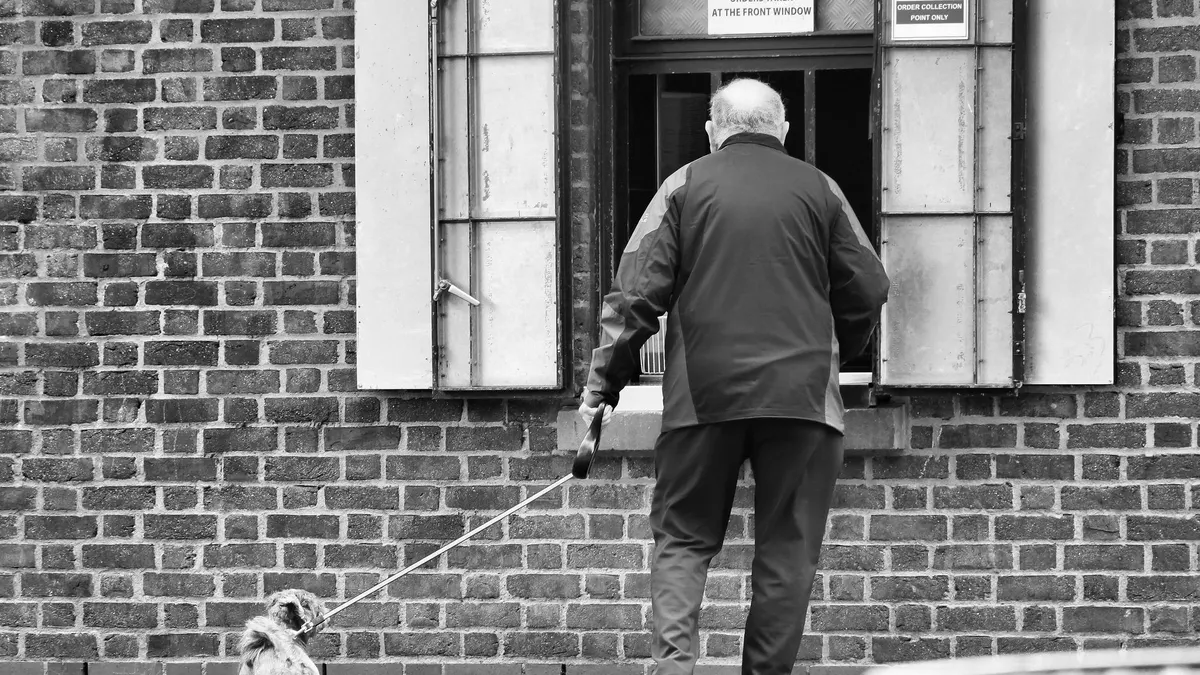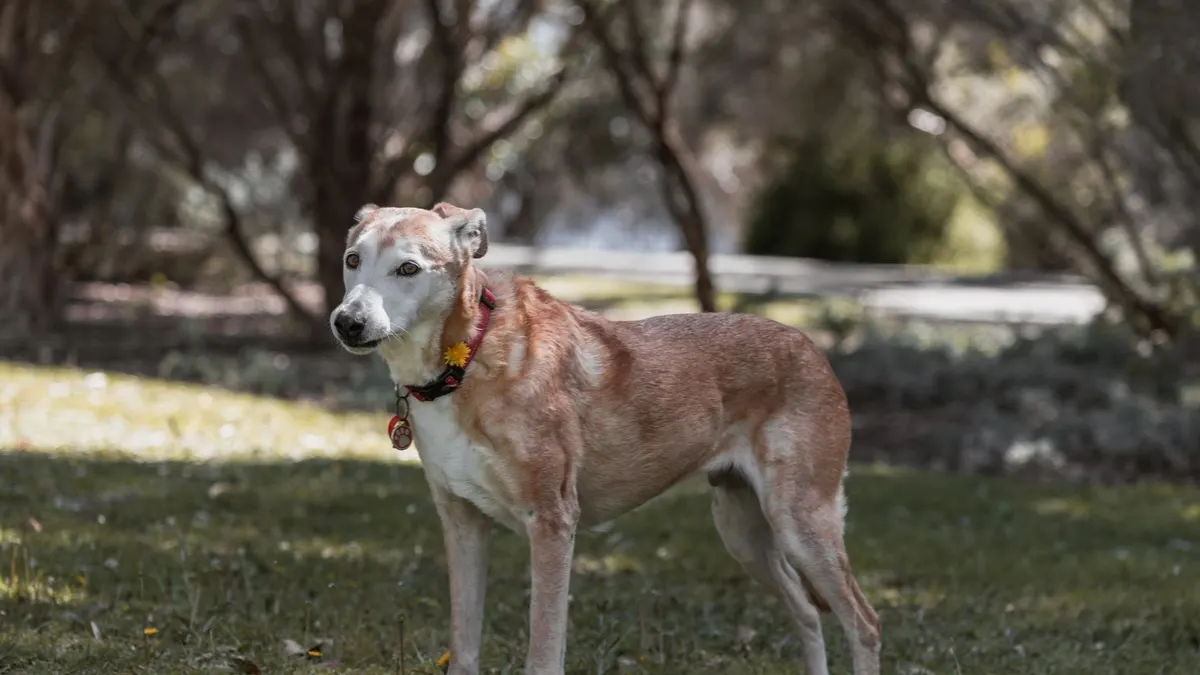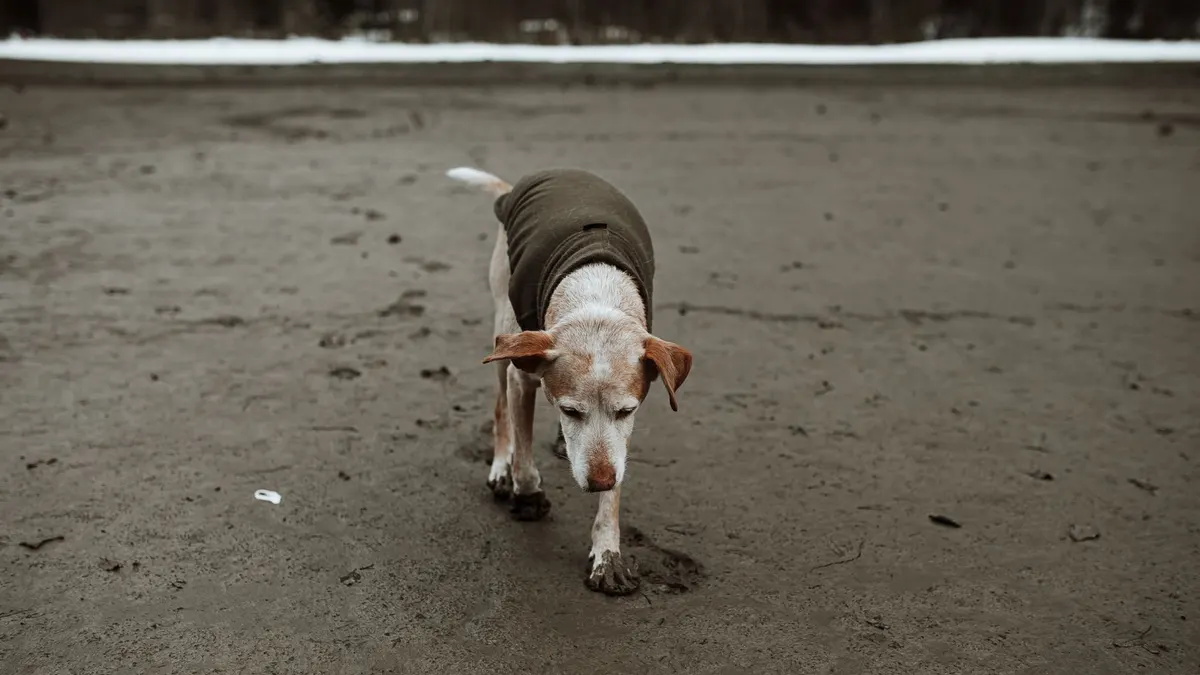
A slower walk may be a normal adjustment to age, or it may signal discomfort, weakness, reduced endurance, or a route that has become harder. The useful question is what changed from your dog’s usual pattern and whether the change appears in every situation.
Quick answer
If your senior dog is walking slowly but remains comfortable, steady, and interested in the route, start by reducing effort: choose a shorter, flatter path, allow more pauses, and avoid heat or slippery surfaces. A sudden, worsening, painful, or one-sided change should be discussed with a veterinarian rather than managed as normal aging.
Compare situations, not expectations
Does your dog move slowly everywhere, or only on hills, heat, slippery surfaces, or after resting? Compare the first few minutes with the end of the walk and note distance, pauses, posture, breathing, and recovery time. A change in appetite, sleep, mood, toileting, or willingness to use stairs adds important context.
The pattern can help distinguish a route problem from a broader change:
- Only on smooth floors: traction or confidence may be contributing.
- Only after resting: stiffness or discomfort during the first steps may matter.
- Only in heat: temperature and reduced endurance may be involved.
- Throughout the day: note whether energy, appetite, breathing, or comfort have also changed.
- Sudden or one-sided: seek veterinary guidance sooner rather than waiting to see if it passes.
Do not try to diagnose the cause from walking speed alone. Use the pattern to decide what to record and what to discuss.
Adapt while observing
Choose shorter, flatter routes and let your dog set the pace. Replace a single long outing with several easy trips if that works better. Keep water available, avoid hot pavement, and plan rest before your dog looks exhausted. At home, improve traction on the route to the door and reduce repeated stairs or jumps. The Senior Dog Mobility hub has related guidance for floors, stairs, exercise, and supportive products.
Keep a simple walking log
For one to two weeks, note the date, weather, route, approximate duration, pauses, gait changes, and recovery afterward. Also record whether your dog ate normally, slept comfortably, and moved differently later that day. A short video on a safe, level surface can show changes that are hard to describe from memory.
Do not use a walk log to delay care when the change is severe or sudden. It is a tool for a stable pattern, not a substitute for assessment.
When to call a veterinarian
Contact a veterinarian promptly for collapse, inability to stand, severe pain, repeated falls, breathing difficulty, sudden marked weakness, or a rapid change in walking. Arrange an appointment for persistent slowing, limping, reluctance to walk, repeated stopping, unusual fatigue, or a pattern that is getting worse. Ask sooner if the change affects one side, follows a fall, or occurs with appetite, drinking, bathroom, or behavior changes.
Share a pattern that persists or worsens with your veterinarian. A slower pace can be manageable with a gentler routine, but it should not be treated as harmless when it is new, painful, or accompanied by other changes.