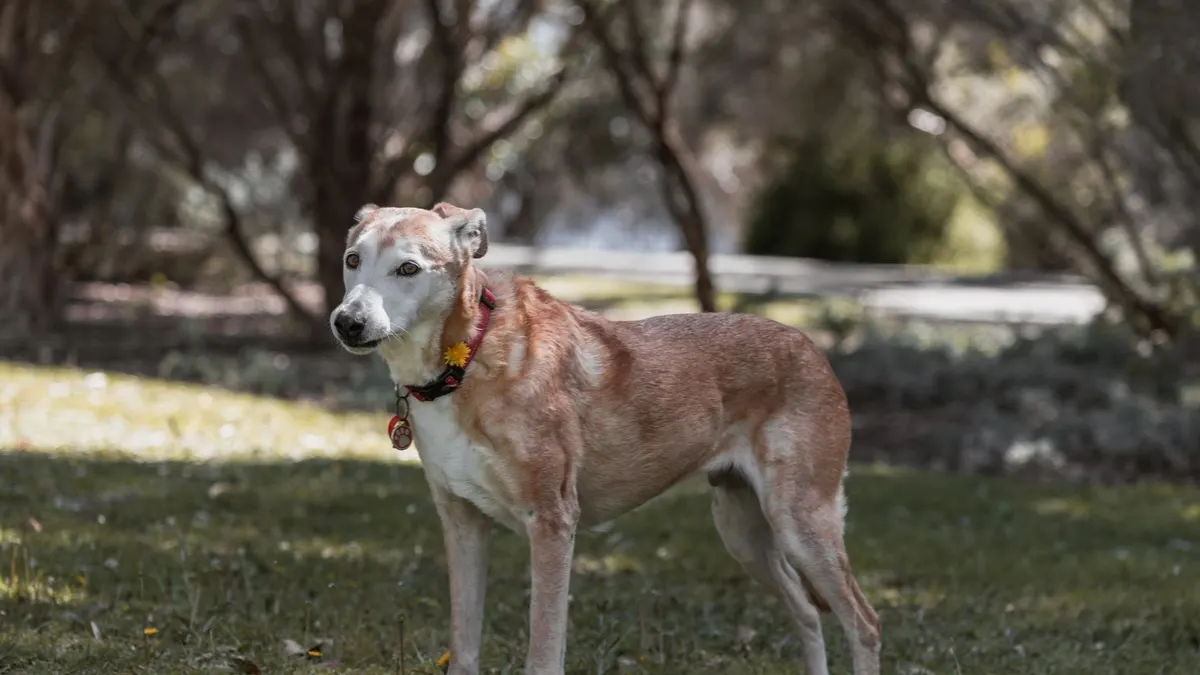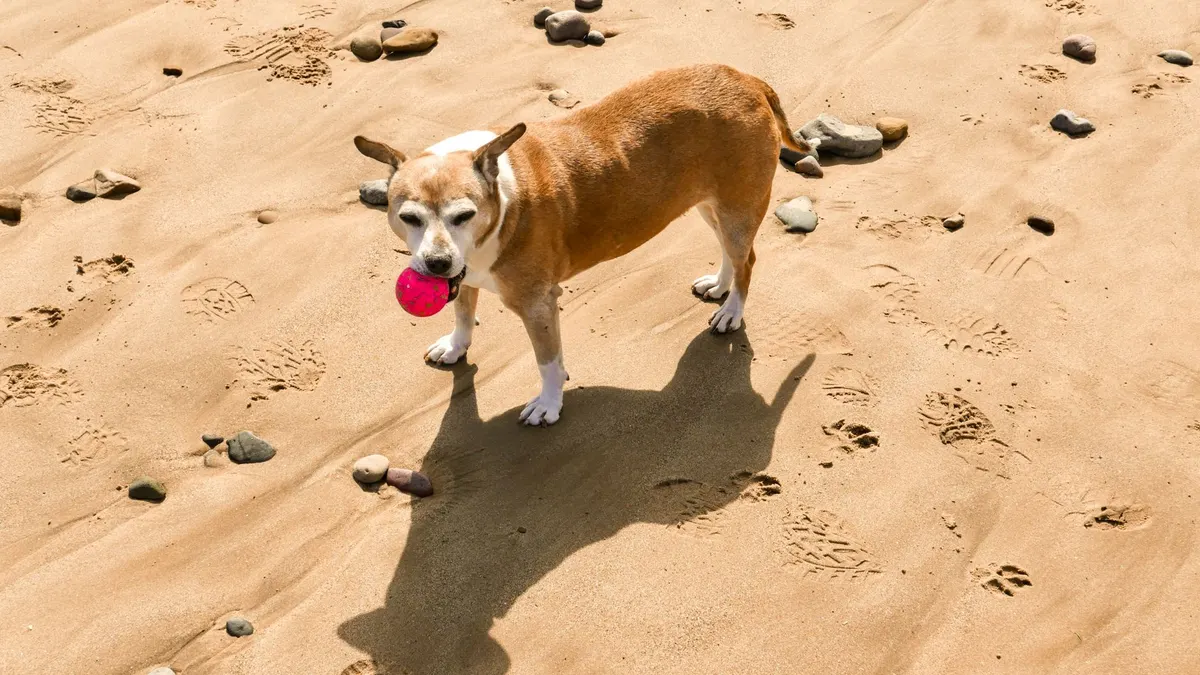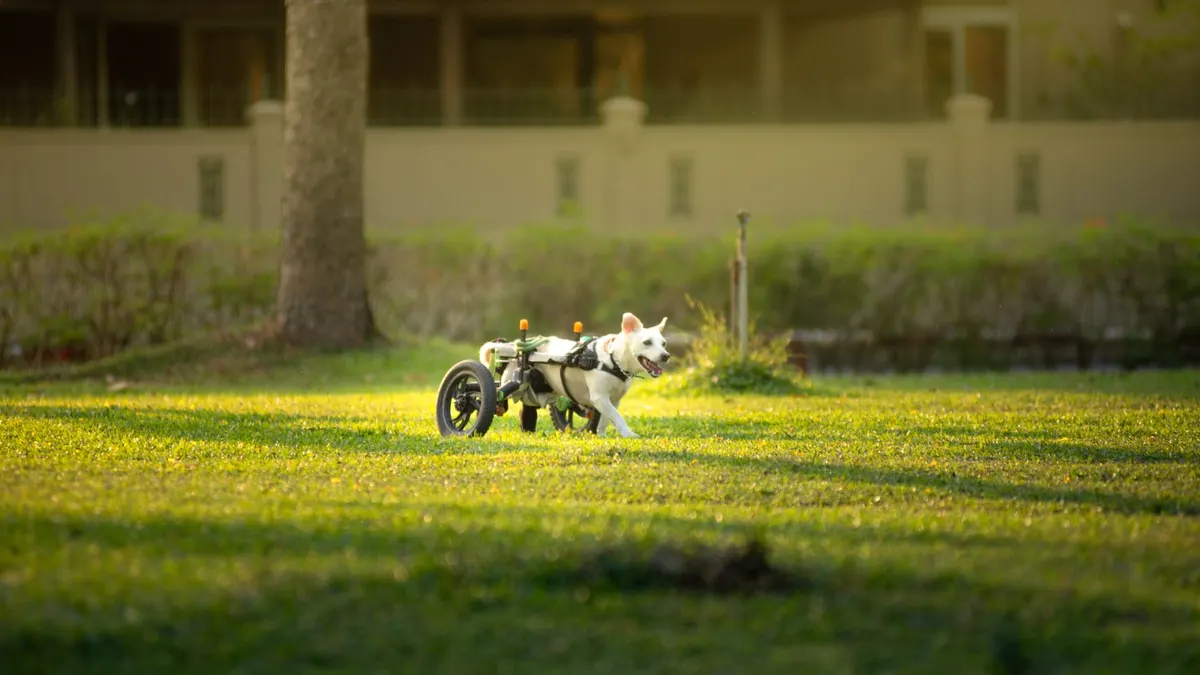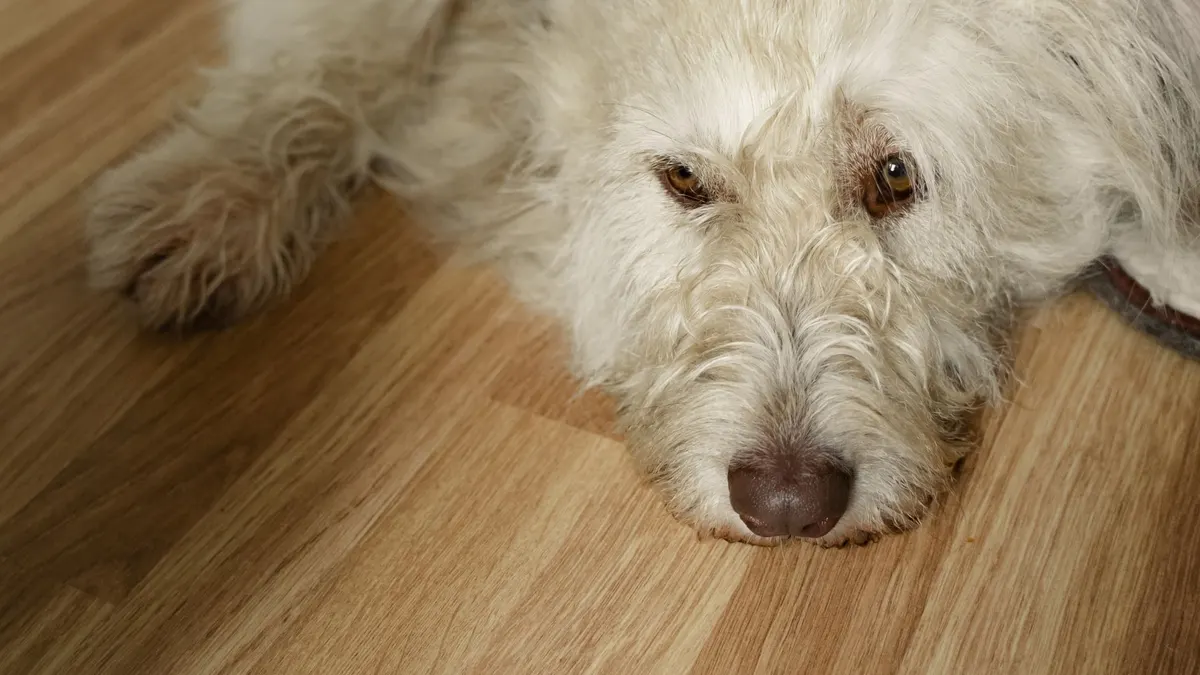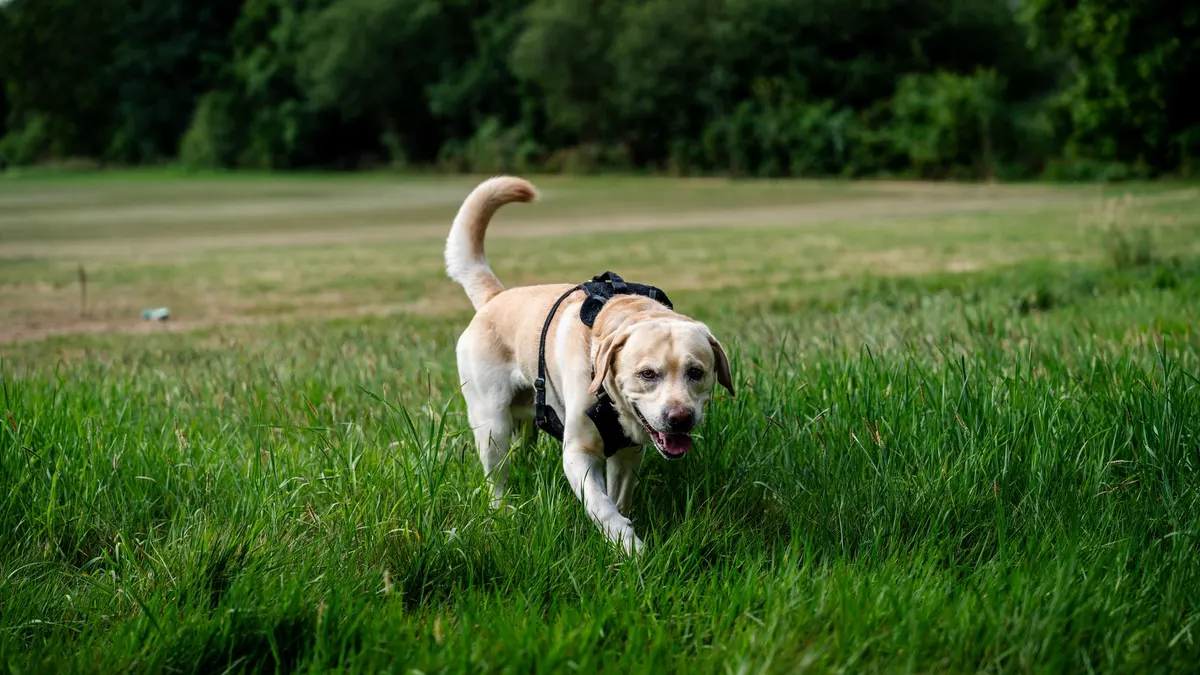
If your older dog seems to struggle when they walk, it is usually a sign that something in the day-to-day routine has become harder. A dog may not be “weak” in a dramatic sense. They may simply be slower, less steady, or more uncomfortable on certain surfaces.
Common reasons older dogs seem to walk differently
A few common causes include:
-
arthritis or joint discomfort
-
reduced muscle strength or endurance
-
stiffness after periods of rest
-
balance issues on smooth or slippery surfaces
-
a sudden change in routine or an environment that feels harder to navigate
-
arthritis or joint discomfort
-
muscle loss or reduced strength
-
stiffness after rest
-
balance issues or instability
-
slipping on smooth floors
-
extra weight stress on the joints
-
pain after standing up or turning
A dog may also keep walking but change their stride, hesitate before taking a step, or stop and rest sooner than they used to.
What to watch for
A useful question is whether the change is gradual or sudden. If it has been building over weeks or months, it may be a continuing comfort issue. If it is sudden, worse than usual, or paired with crying out, weakness, or a collapse, it deserves a prompt veterinary review.
What to do at home first
Before assuming this is simply “old age,” look for practical contributors:
- slippery floors
- stairs or awkward thresholds
- a bed that is too high or difficult to get in and out of
- long walks that are too demanding
- a route that is more challenging than it needs to be
Reducing strain often makes the dog much more comfortable even before a deeper cause is addressed.
Bottom line
Walking trouble in older dogs is often a mix of age-related changes and environmental challenges. If you can reduce friction, improve traction, and watch the pattern over time, you often get a clearer picture of what is happening.