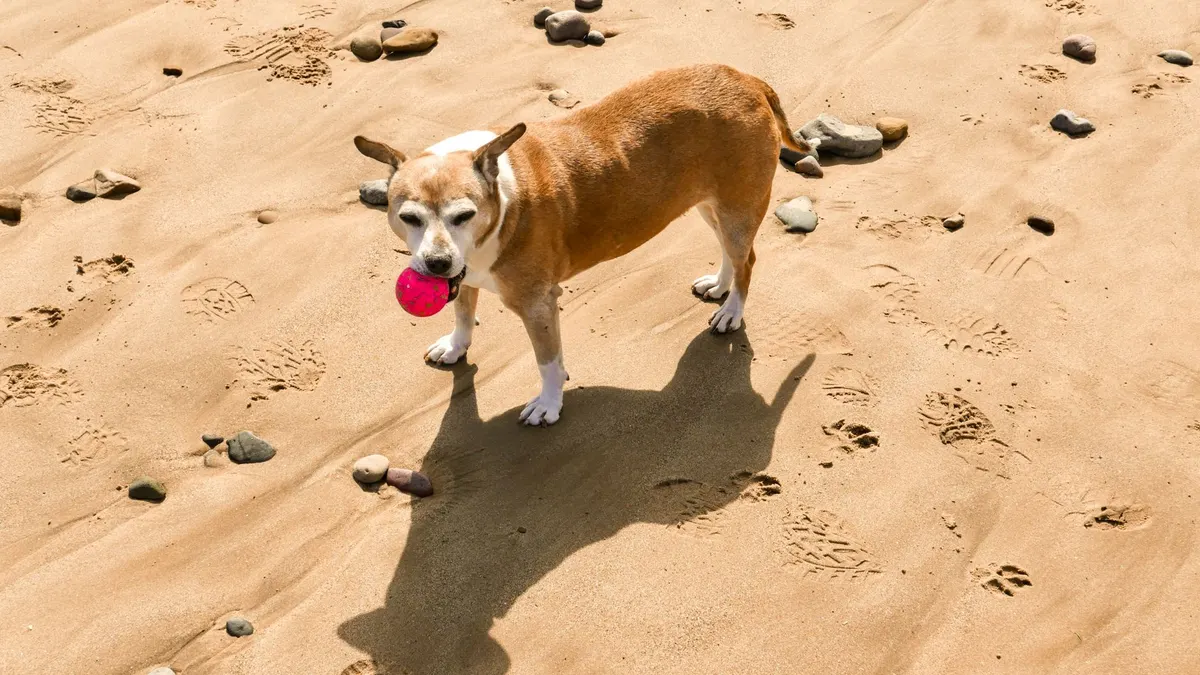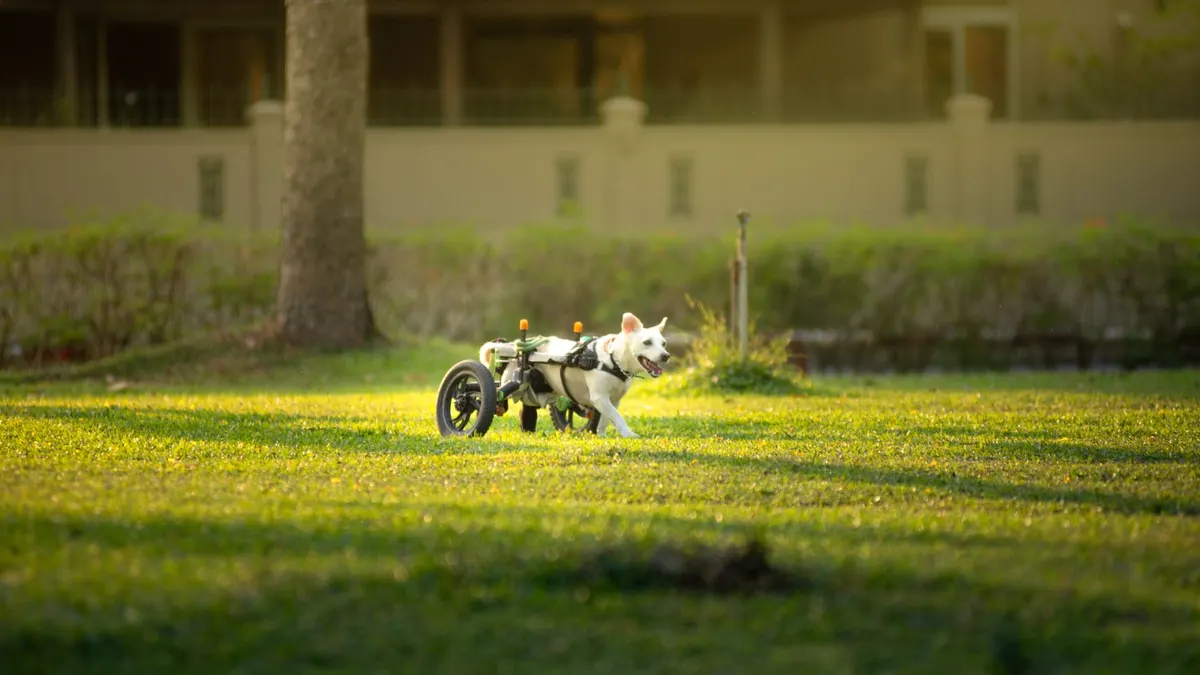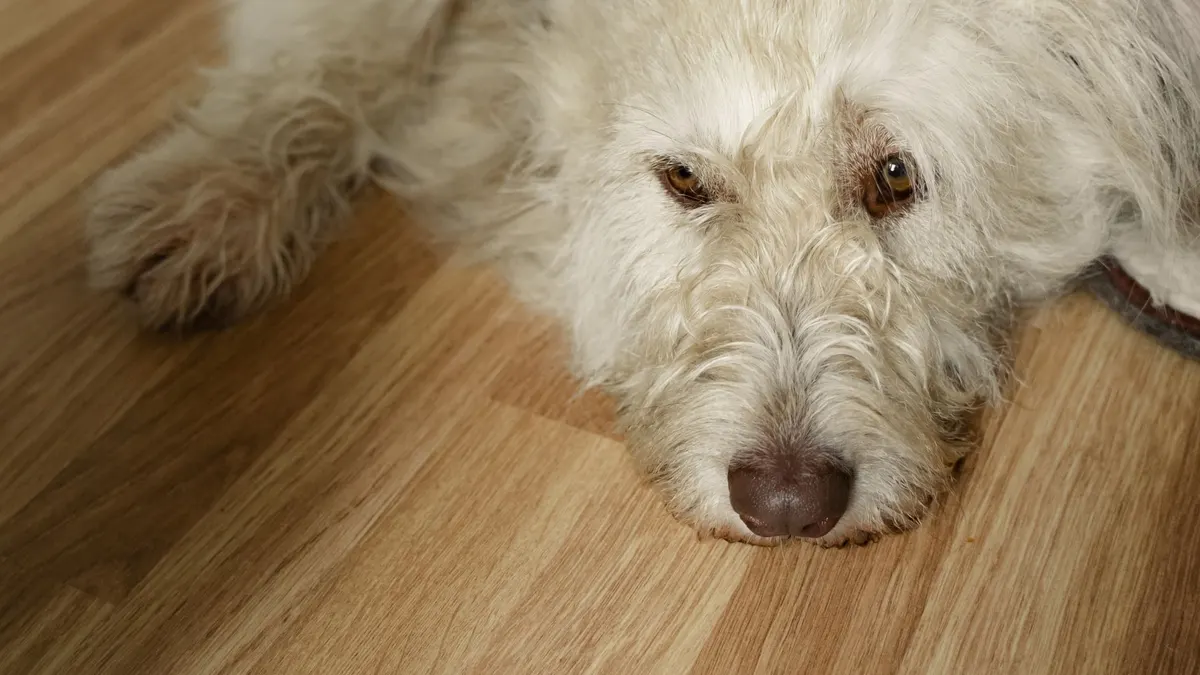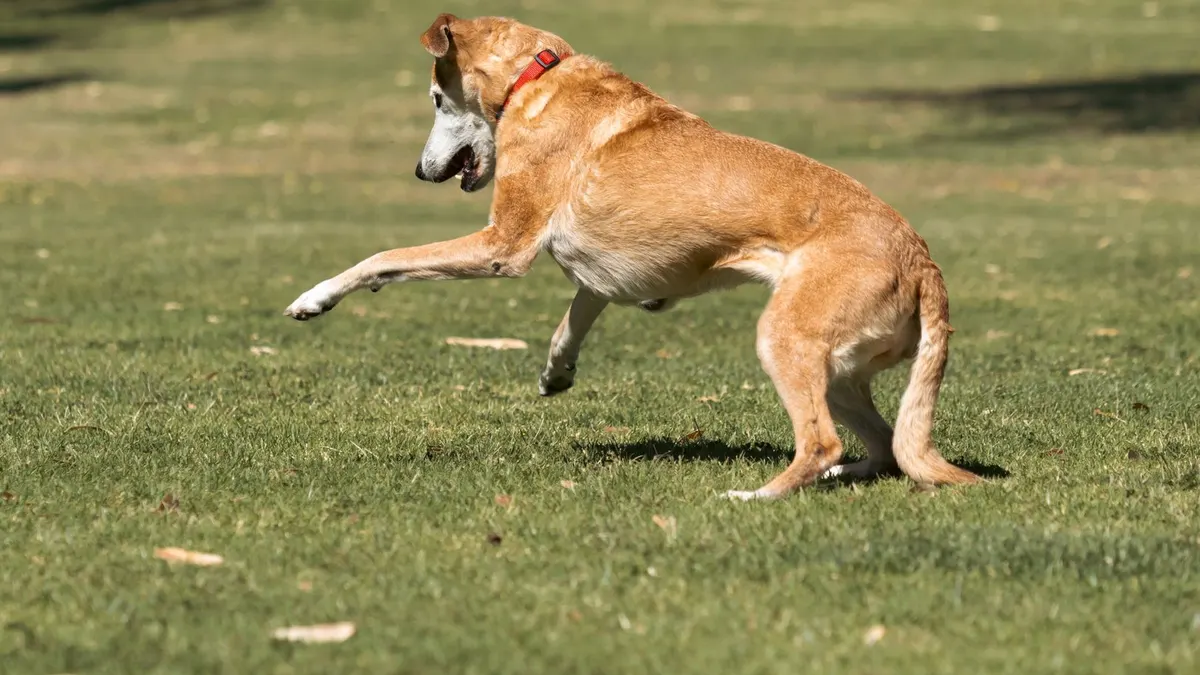
A dog who struggles to stand after resting can be dealing with stiffness, weakness, or discomfort in the joints and muscles. It is often more noticeable in older dogs because their bodies take a bit longer to wake up and adjust to movement.
Why this happens
Common reasons include:
-
joint stiffness after resting
-
reduced strength in the hind limbs or core muscles
-
arthritis or discomfort that is worse after lying down
-
smooth or slippery floors that make starting movement harder
-
a dog that is hesitating because the first movement feels unstable or painful
-
arthritis or joint discomfort
-
muscle weakness or less flexibility
-
difficulty turning in place
-
slippery flooring that makes positioning harder
-
weight stress on the hips and knees
-
pain after lying still for a while
What you may notice is a dog slowing down, testing the floor with a paw, or taking a few extra moments before getting moving.
What helps most
Small adjustments often matter:
- give the dog a low, supportive bed
- keep the floor area stable and non-slip
- shorten the effort needed to stand up
- avoid abrupt jumps or sudden high-energy activity
- support the dog with easy, predictable movement routines
When to talk to a veterinarian
If the dog seems severely painful, is struggling more often, or cannot stand normally after rest, it is worth checking in with a veterinarian. A simple video showing the dog getting up can help the vet understand the pattern.
Bottom line
Difficulty standing is often a sign that the dog is carrying more effort in daily movement than they used to. Making the environment easier and monitoring changes carefully can reduce stress on the body and improve confidence.