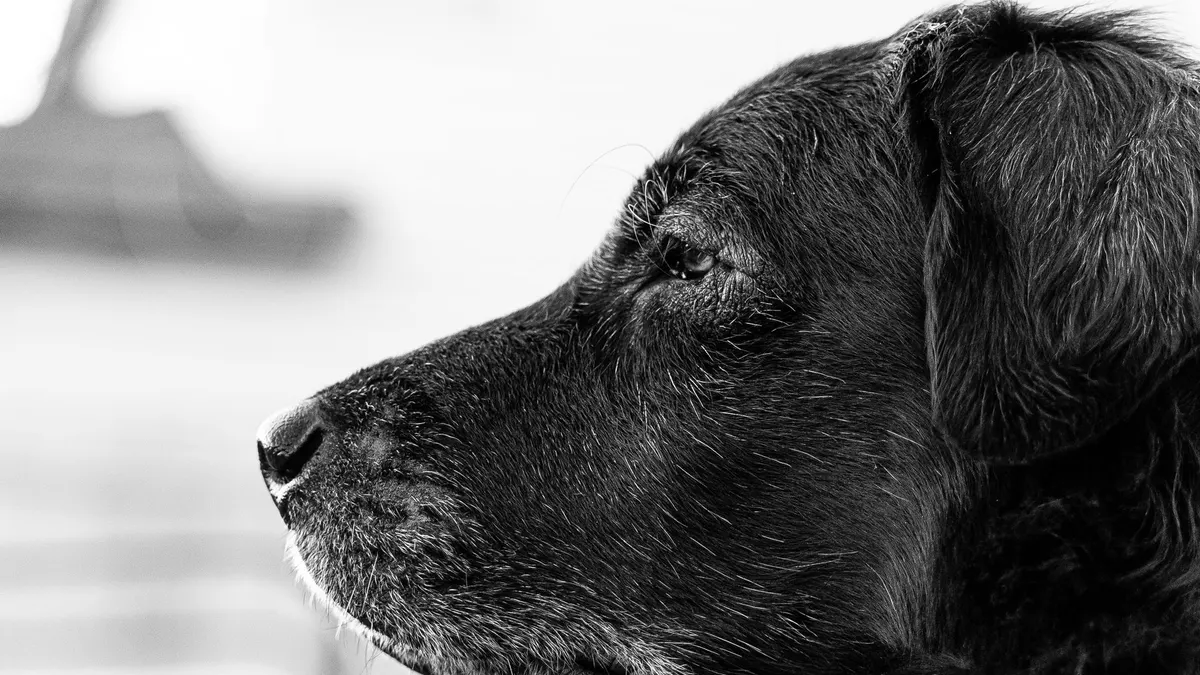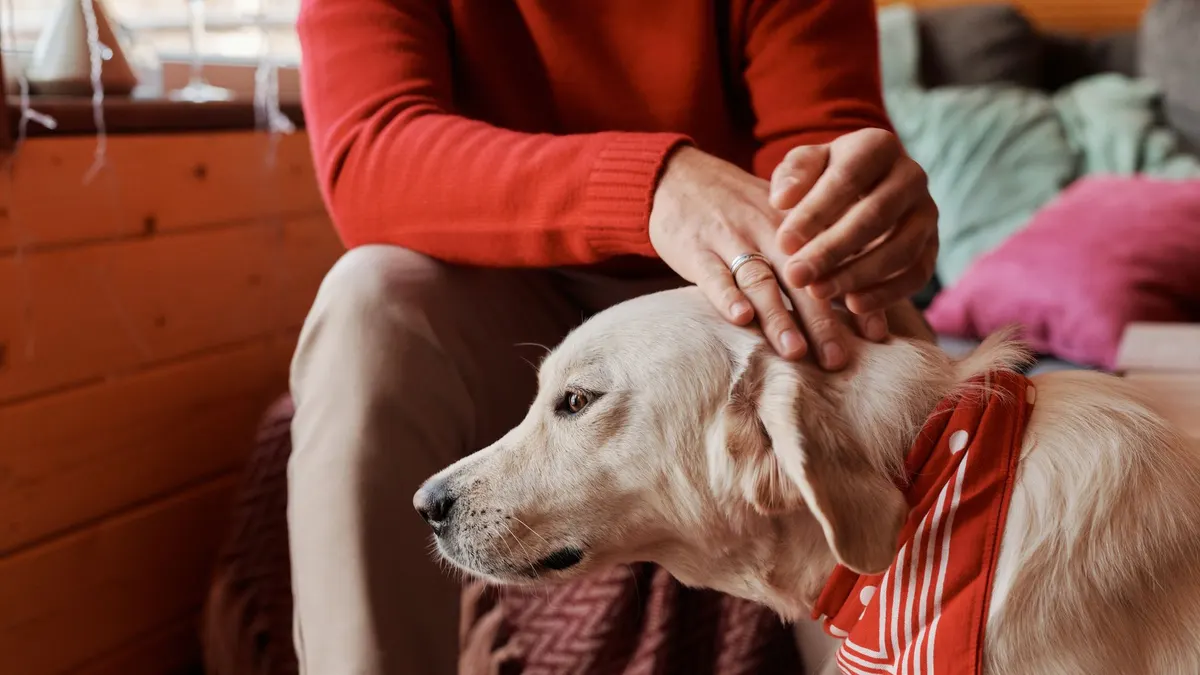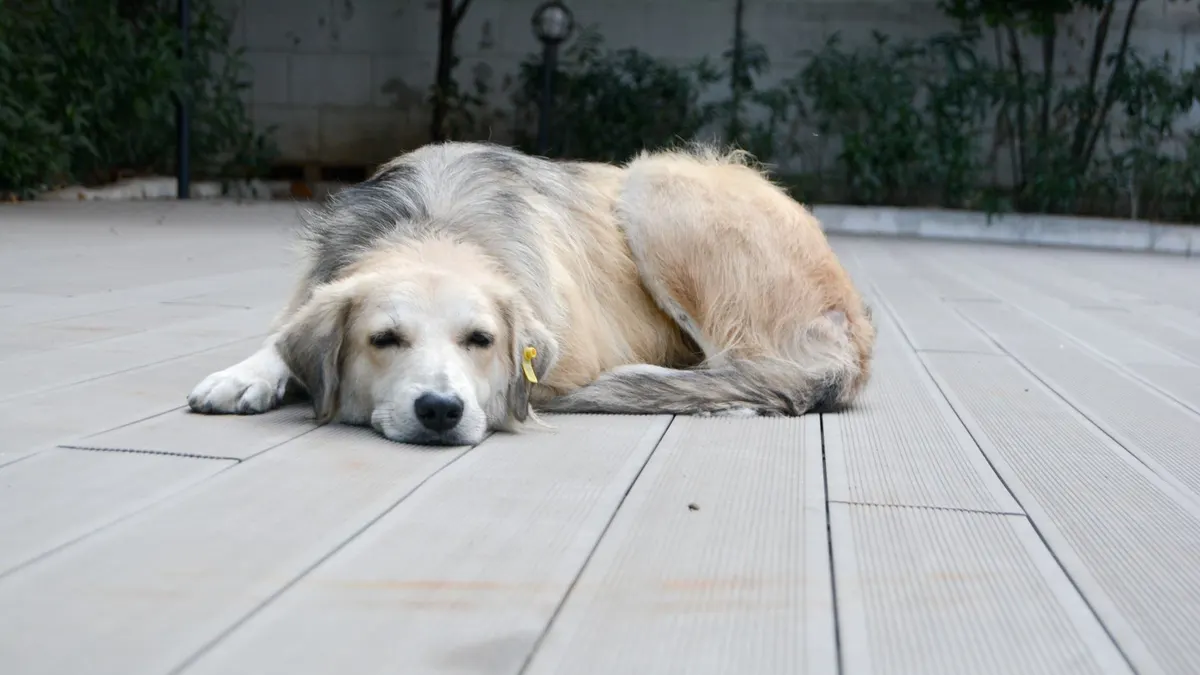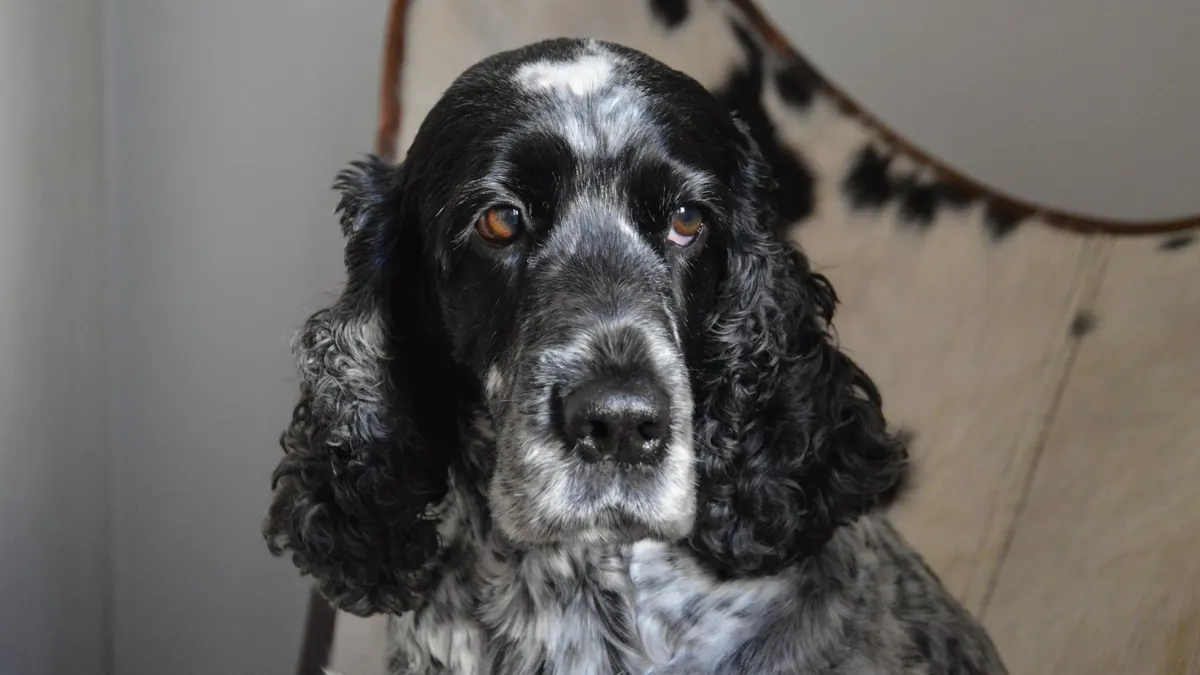
Your dog may be “senior” earlier than you expect, especially if they are a large or giant breed. Age is not the only factor. Size, genetics, activity level, and health history can all affect when an older dog starts needing senior-focused care.
What counts as a senior dog?
A common rule is:
- Small breeds: around 7 to 10 years
- Medium breeds: around 7 to 9 years
- Large breeds: around 5 to 7 years
- Giant breeds: often by 5 years or earlier
That does not mean a dog suddenly becomes fragile at that age. It means age-related changes become more likely, and habits around movement, comfort, and daily care should start to shift earlier.
What changes as a dog gets older?
Many senior dogs need more support with:
- standing up from the floor
- climbing stairs or getting in and out of the car
- walking on slippery or hard surfaces
- sleeping comfortably and waking without stiffness
- maintaining weight and muscle tone
- handling colder temperatures or fatigue
Some dogs keep a youthful attitude well into later life, while others seem to slow down more quickly. The pattern matters more than the age number alone.
How to tell whether your dog is entering senior care territory
Look for a slower pace, more hesitation before standing, more rest, less willingness to jump, or more time spent lying down. A dog may still seem cheerful, but the body may need a bit more support.
It helps to think in terms of “daily function,” not just age. Ask yourself whether your dog is moving comfortably, sleeping well, and handling the usual parts of home life without strain.
What to change once your dog is senior-aged
A good first step is to build a routine that reduces strain instead of increasing demands. That might mean:
- shorter, easier walks
- safer flooring or rugs in high-traffic areas
- a lower-access bed or rest spot
- easier access to food and water
- more predictable meal and rest times
- regular veterinary check-ins as your dog ages
When age is not the full story
Some dogs become senior earlier because of chronic pain, mobility issues, obesity, or a predisposition to joint stress. Others may stay active much longer than average. That is why age should be treated as a guideline, not a diagnosis.
Bottom line
A dog becomes a senior when age, body condition, and daily habits begin to shift. The best response is simple: pay attention to movement, comfort, and quality of life, and adjust routines before minor issues become major ones.