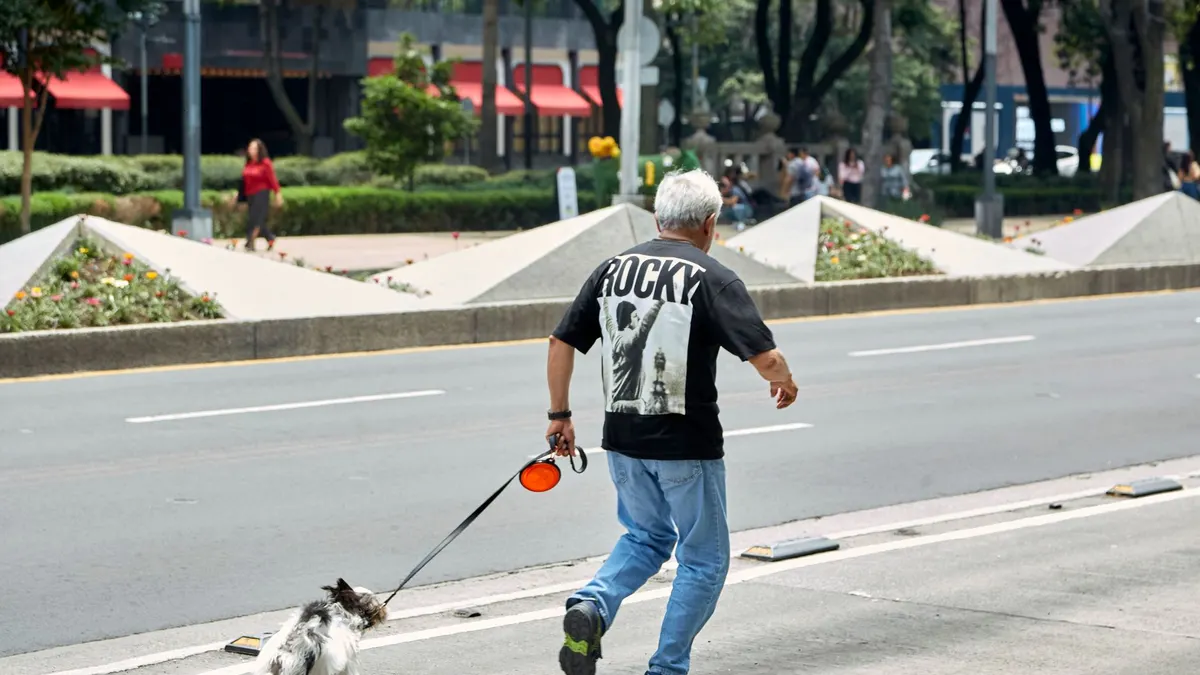
The right amount of exercise for a senior dog is usually less than what younger dogs need, but it is not zero. A healthy older dog still benefits from gentle movement, mental stimulation, and routine activity. The key is to match the exercise to the dog’s body, age, and comfort level.
The goal is not intensity
For senior dogs, movement is often about maintaining strength, circulation, and confidence instead of pushing stamina. Short walks, slow sniffing, light indoor motion, and brief training sessions can all help.
If your dog moves more slowly after a walk, seems sore the next day, or loses interest in the route, that can be a sign the current plan is too much.
What “enough” looks like
A senior dog may do well with:
- one or two short, relaxed walks
- gentle sniffing and slow exploration
- easy indoor movement on safe surfaces
- brief training or scent games
- plenty of rest between activity periods
The best exercise plan is one the dog can recover from easily. They should feel steady, not pushed.
Signs your dog may need less exercise
Watch for:
- lagging behind on the walk
- hesitation before standing or turning
- limping or slowing after a few minutes
- panting heavily at a low level of effort
- reluctance to continue after the first part of the walk
Signs exercise may still be useful
If your dog seems bright, comfortable, and stable after mild activity, gentle movement may still support joint comfort, muscle tone, and mood. The key is to observe the dog’s recovery, not just the start of the walk.
When to ask a vet
If your dog has new weakness, sudden stiffness, trouble standing, or signs of pain, a veterinary check-in is a good next step. Exercise is helpful for many senior dogs, but it should never become a source of strain or discomfort.
Bottom line
Senior dogs often need less volume and more quality in their movement. Gentle, predictable activity can help them feel stronger and more settled, especially when it matches their comfort level and daily routine.