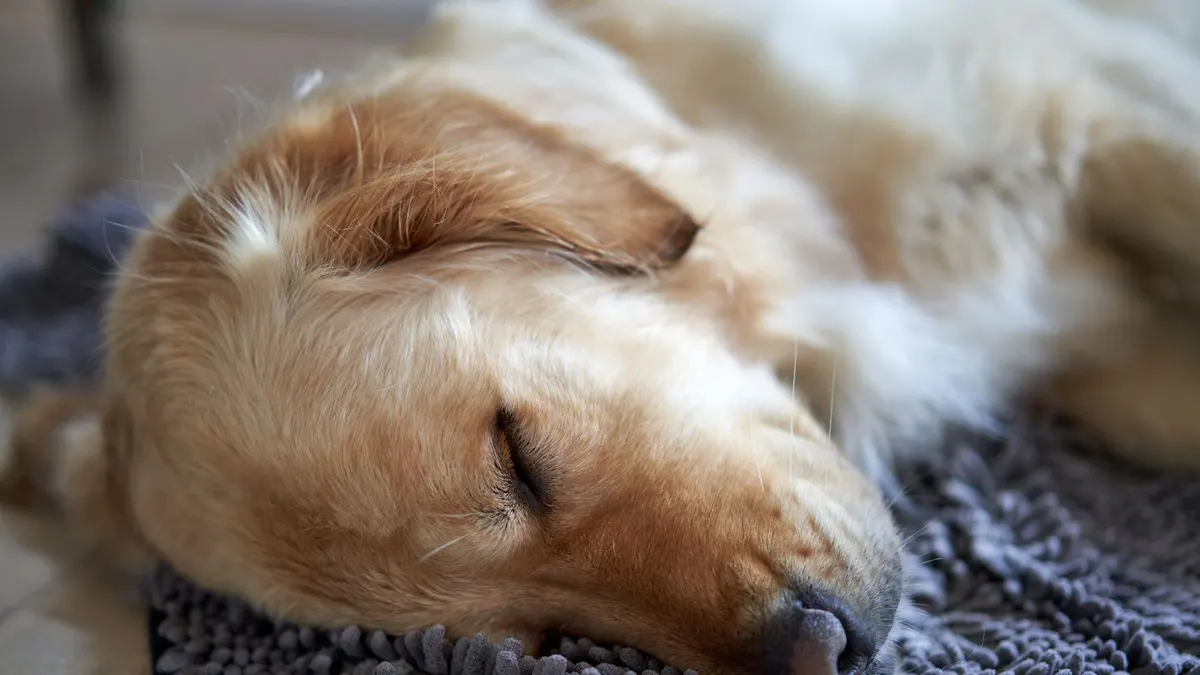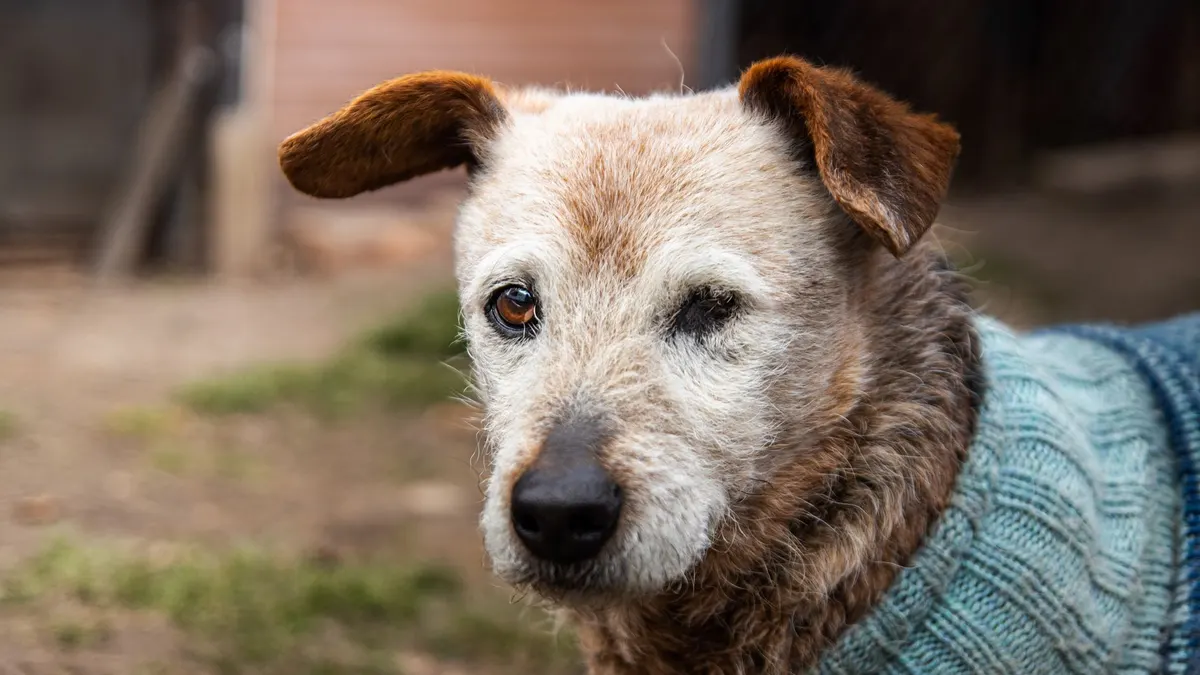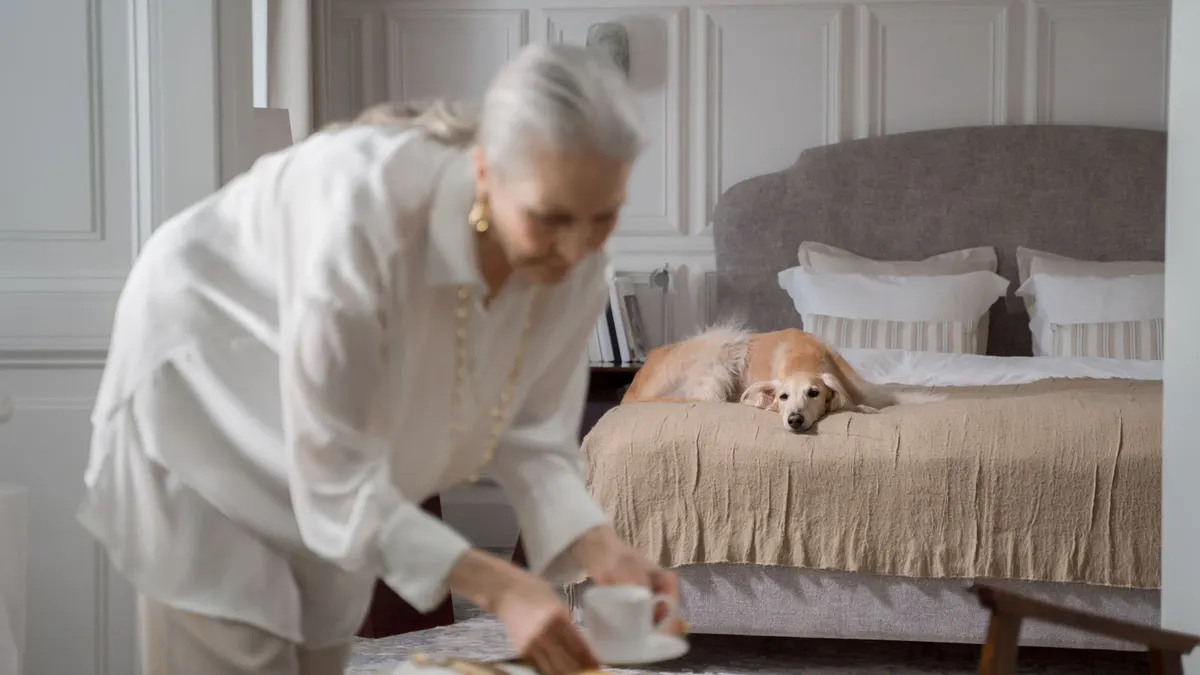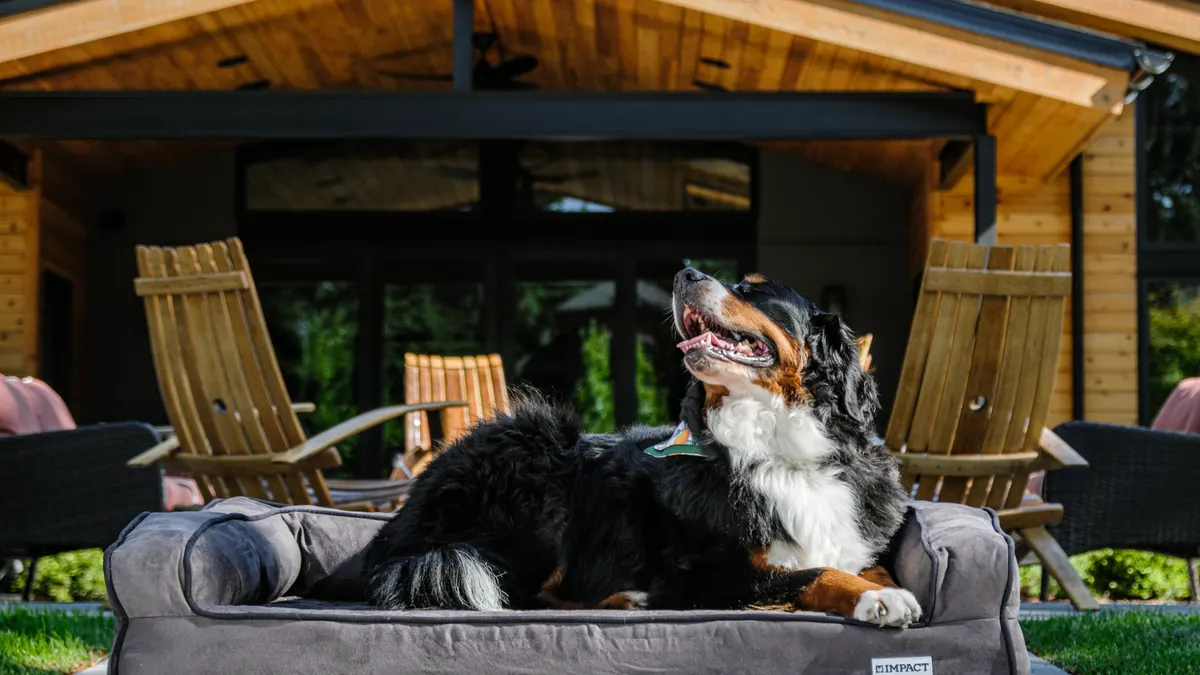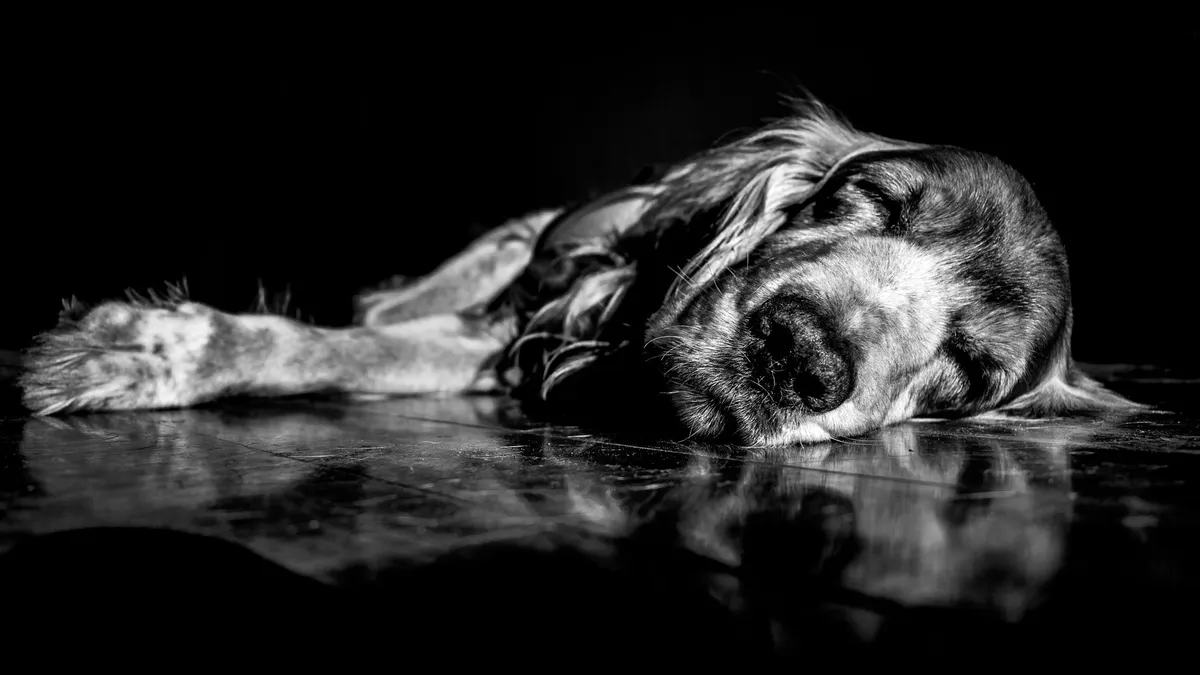
It is 3 p.m. on a Saturday and the old boy has not moved off the living room rug since breakfast. That scene is common enough that owners assume it is simply what old age looks like — and some of that sleep is normal and appropriate; older dogs genuinely need more rest. The amount, though, matters less than the pattern around it. A dog who dozes deeply but wakes bright, eats well, and engages when invited is usually fine. A dog who sleeps more because everything else has become painful, boring, or confusing is telling you something the sleep alone does not say.
The normal-sleep answer
Most senior dogs sleep 16 to 20 hours a day, up from 12 to 14 in adulthood, because activity and stamina decline, sleep becomes lighter and more fragmented, and the body channels energy into rest and recovery. Gradually increasing sleep with normal appetite, normal breathing, and the same personality when awake is usually harmless. Sleep that increases suddenly, is paired with weakness, appetite loss, coughing, restlessness at night, or disinterest in familiar things deserves a veterinary check, since pain, heart disease, anemia, thyroid problems, and cognitive decline all show up as sleep changes.
How much sleep is normal in an older dog
Adult dogs typically sleep 12 to 14 hours across a 24-hour cycle. Healthy seniors commonly drift toward 16 to 20 hours, including more daytime napping. Large breeds often sleep more than small breeds at the same age, and individual variation is wide — some 12-year-old terriers remain busier than many 8-year-old giant breeds.
The mechanics matter as much as the total. Older dogs spend less time in deep, restorative sleep stages and wake more often overnight, so they compensate with daytime naps. A senior who appears to sleep "all day" may simply be collecting the same total rest in more pieces.
Why older dogs need more rest
The demand side and supply side both shift. Physical activity costs more when joints ache, muscle mass is lower, and the heart and lungs deliver oxygen less efficiently. A short walk that once cost little now produces real fatigue. The body also spends more energy on repair and temperature regulation, leaving less for wakeful activity.
Mental work is tiring too. Sensory decline means a walk requires more concentration to interpret a blurrier, quieter world, and cognitive processing slows. Many seniors nap heavily after stimulation that would not have tired them years before — a good sign that the brain is still working hard.
When increased sleep is normal
Normal senior sleep has a characteristic shape. It increases gradually over months or years rather than appearing over a week. The dog wakes easily or when invited, stretches, greets you, eats with the same interest, and returns to normal activities. Weight is stable, breathing at rest is calm and even, and the personality you know is unchanged between naps. Daytime sleep may increase while nights stay mostly settled. The laziest senior I ever met — a thirteen-year-old basset — still expected breakfast on time and filed loud complaints when she did not get it. Engagement, not hours, was the tell.
When sleep changes signal a problem
Several conditions present as "sleeping more" and should not be missed.
- Pain. Arthritic dogs choose rest because movement has become unpleasant. These dogs often sleep with position changes, rise stiffly, and avoid walks.
- Heart or lung disease. Poor oxygen delivery produces profound, exercise-related tiredness. Watch for panting at rest, a faster sleeping respiratory rate, coughing, or a bluish tongue.
- Anemia or internal disease. Kidney disease, some cancers, and bleeding reduce the blood's oxygen capacity. Pale gums and low stamina are warning signs.
- Hypothyroidism. Low thyroid causes lethargy, weight gain, and a thinning coat and is easily tested and treated.
- Medication effects. Sedatives, some seizure medication, and pain drugs can increase drowsiness.
- Cognitive dysfunction. Dogs with cognitive decline often nap all day and pace at night as the sleep-wake cycle breaks apart.
- Depression and under-stimulation. Bored, lonely, or underexercised dogs sleep because nothing better is happening.
The pattern questions worth tracking
Before calling the vet, keep a simple three-day log: when the dog sleeps, when and how much it eats, activity and walk responses, breathing rate when fully asleep, and any night waking or accidents. A normal sleeping respiratory rate is generally under about 30 breaths per minute for most dogs at rest; counts persistently above that, especially with cough or fatigue, warrant prompt assessment. Note whether the dog is genuinely asleep or simply lying awake with eyes open, and whether it can be roused normally.
How to support a heavy-sleeping senior
You cannot and should not try to keep a tired senior awake, but you can shape the quality of the day.
- keep a predictable schedule for waking, meals, walks, and bedtime
- offer short, gentle activity and sniffing opportunities so naps are earned
- rotate simple puzzle toys and brief training moments for mental engagement
- keep the resting spot supportive, warm, and quiet
- maintain social contact; seniors who are routinely invited into family activity stay more alert
- avoid letting the entire day pass without interaction, but never force an exhausted dog to stay awake
For dogs sleeping heavily after walks, let them rest — recovery is part of appropriate exercise.
Night sleep and the sundowning pattern
If heavy daytime sleep comes with night waking, pacing, staring, or barking, the suspect is usually the sleep-wake cycle itself, not simple tiredness. That combination has its own playbook: the causes belong to why the wake-ups happen, the evening fixes to the nightly wind-down plan, and the daytime levers to fix the daytime before the night. Mention the pattern to your vet either way — medication and supplements can help cognitive cases, and pain that peaks overnight explains more restlessness than owners expect.
Call the vet if the sleep changes fast
Book an appointment for a sudden increase in sleep over days rather than months, difficulty waking or unusual disorientation, weakness or collapse, appetite or weight loss, heavy or rapid breathing while asleep, persistent cough, fainting, pale gums, or a dog who has stopped engaging with favorite people and activities. Routine wellness visits every six months also catch the slower problems — thyroid, kidney, heart — long before the owner notices sleep changing.
Questions about long naps
My senior dog twitches and whimpers in sleep. Is that a problem?
Brief twitching, paddling, and quiet vocalizing during sleep are common in dogs of all ages and usually reflect active dreaming, especially in the lighter sleep that dominates senior rest. What deserves attention is a full-body stiffening or rhythmic jerking that is hard to wake from, loss of bladder control, or confusion lasting well after waking — those patterns can represent seizures and should be filmed if safe and discussed promptly with a vet.
Should I wake a sleeping older dog?
Normal sleep can be interrupted gently for meals, medication, or toilet breaks; dogs who nap all day sometimes need structured wake-ups to keep a healthy rhythm. Wake softly with voice before touch, since older dogs with failing sight or hearing startle easily, and avoid startling a dog who is growling in a dream. Dogs who are genuinely difficult to rouse, rather than simply reluctant, need medical assessment.
Can diet affect how much my dog sleeps?
Indirectly, yes. Diets poorly matched to activity level can contribute to weight gain and sluggishness, and some dogs experience energy dips after large carbohydrate-heavy meals. More importantly, increased thirst, urination, and sleep together can point toward metabolic disease, so report the whole cluster rather than adjusting food alone.
Judge the pattern, not the hours
More sleep is part of normal senior life, but it is never a diagnosis by itself. Judge sleep against the rest of the dog: gradual increase plus the same bright, food-loving, walk-ready animal between naps is usually healthy aging; sudden change, poor recovery, or a fading personality is a reason to look deeper. Track the pattern, protect the rest, and let your veterinarian separate appropriate napping from the sleep of a dog who is unwell.