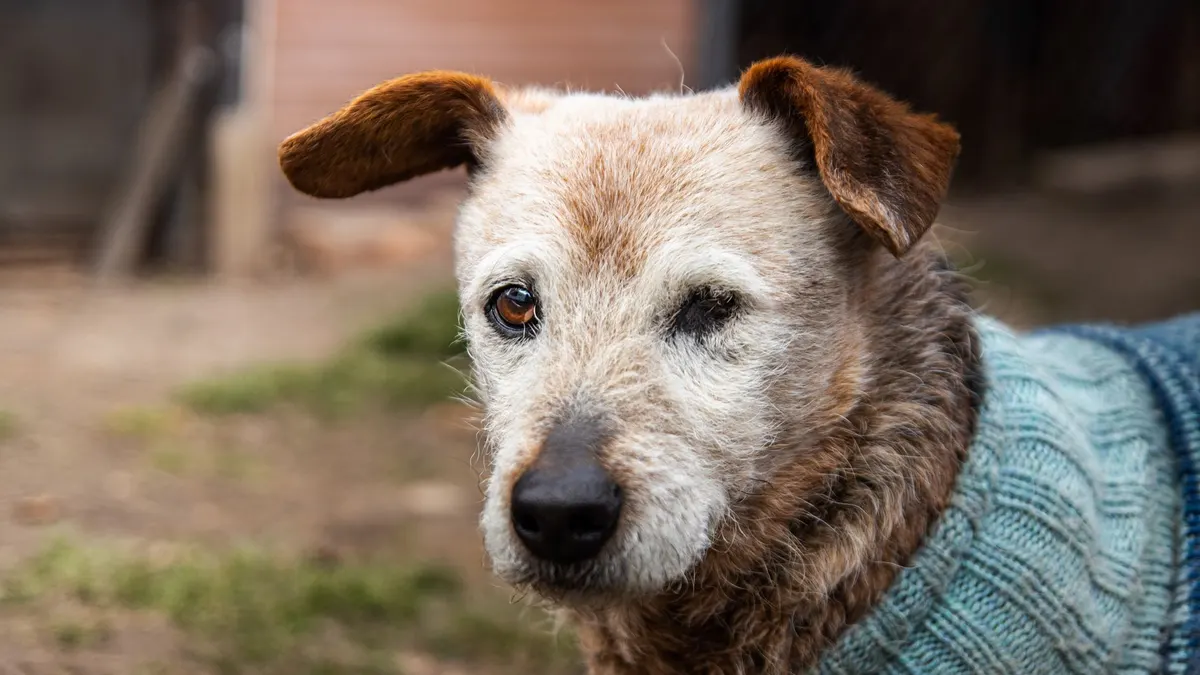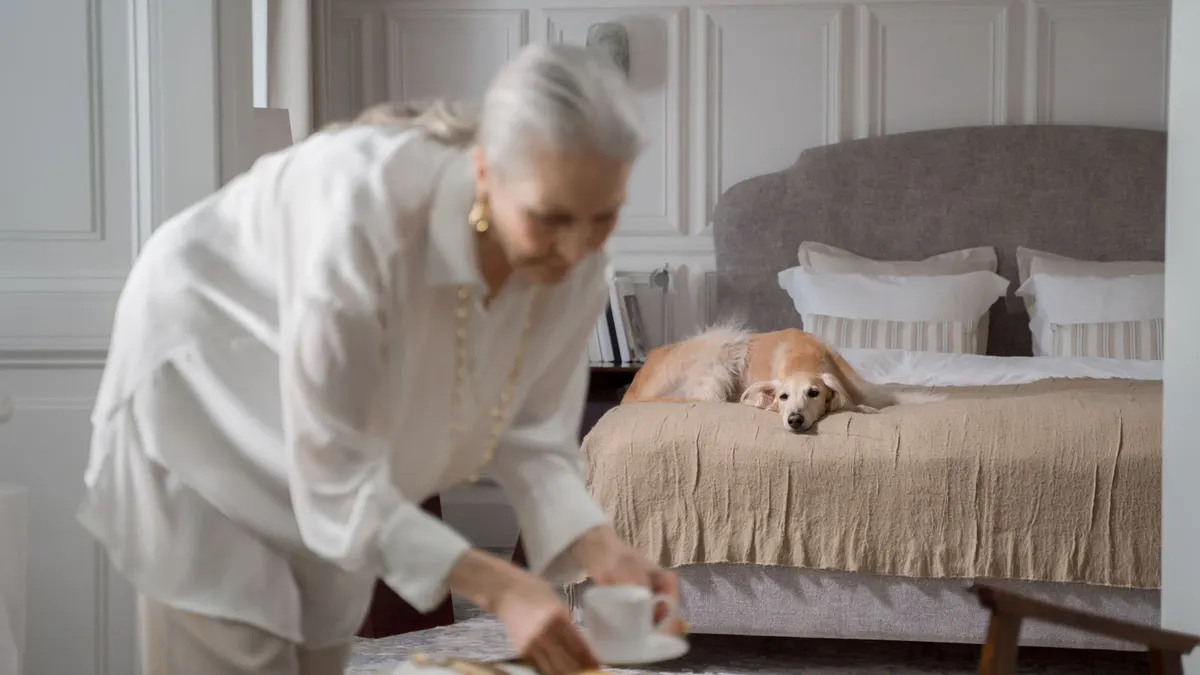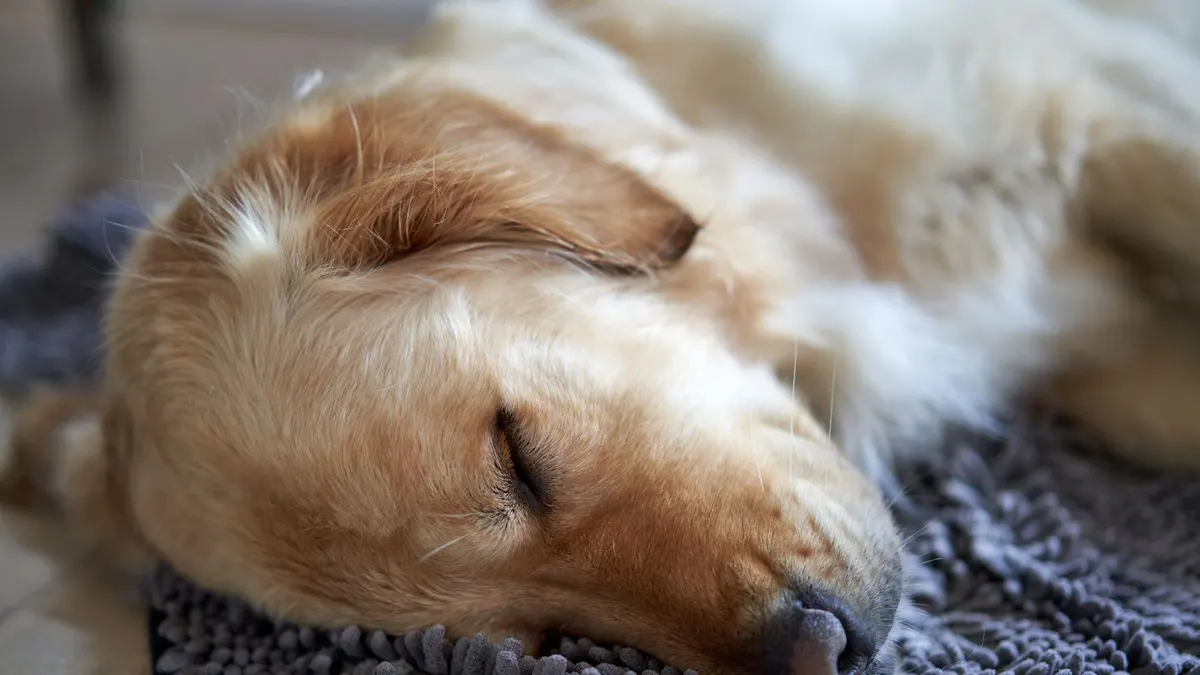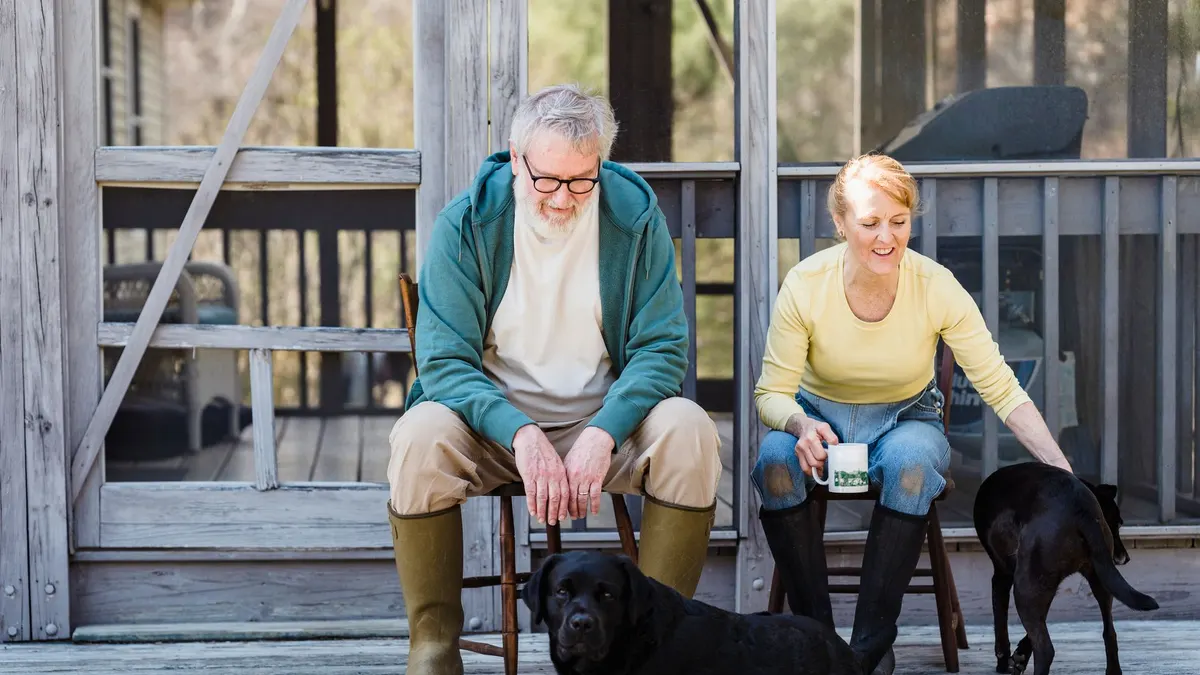
It is 9 p.m., the house has finally gone quiet, and an arthritic old dog has settled into the one position that does not ache. Rub your hands together for twenty seconds, lay them on the broad muscles beside her shoulder blades, and watch the breathing slow. That is the whole pitch for senior dog massage — not a spa treatment, but a practical daily habit. It helps with circulation, eases the muscle tension that builds around arthritic joints, and gives you a structured way to check in with your dog's body every single day. The key is keeping it light, slow, and built around what your individual dog actually enjoys.
The safe-massage formula
A safe senior dog massage uses slow, light, warmed strokes for 5 to 10 minutes over large muscle groups — neck, shoulders, back, hips — never direct pressure on the spine, fresh surgical sites, lumps, or inflamed joints. Stop the moment the dog pulls away, tenses, or turns toward your hand. It is comfort and bonding, not treatment: when something has changed, the exam comes before the hands.
Why massage can help older dogs
As dogs age, several things happen at once. Muscle mass tends to decrease, joints become stiffer from arthritis, circulation slows, and the dog spends more hours lying on the same surfaces. That combination leads to tight muscles around compensating joints, less efficient blood flow to the limbs, and a dog who feels generally "creaky" when they stand up.
Light massage addresses several of these at once. It stimulates blood flow to the skin and superficial muscles, which can help with warmth and tissue health. It gently loosens the connective tissue around muscles, which may reduce the stiffness dogs feel after rest. It also gives you a regular opportunity to notice new lumps, skin changes, sore spots, or muscle asymmetry before they become serious.
What massage will not do is reverse arthritis, cure cognitive decline, or fix a torn cruciate ligament. Treat it as supportive comfort care, not medical treatment.
Set the stage
A few simple preparations make the session safer and more effective.
- Warm your hands. Rub them together for 15 to 20 seconds. Cold hands on a senior dog with thin body condition will make them flinch and tense.
- Pick a quiet, warm spot. A familiar bed or rug with good traction works better than a slippery floor or a cold garage.
- Time it well. Avoid massaging right after a meal or immediately after exercise. Wait at least 30 minutes after eating and at least an hour after a walk.
- Check for open wounds, recent surgery, or swollen areas. Skip any region that looks red, hot, or painful.
- Let the dog choose the position. Many seniors prefer lying on a side. Do not arrange them; let them settle.
A simple step-by-step massage routine
This is the sequence I run with my own twelve-year-old lab mix on the evenings she feels it most. Adjust pressure to your dog's comfort and stop any stroke that causes them to shift away.
- Start at the neck. Using the flat of your hand, stroke slowly from just behind the ears down to the shoulders. Repeat 5 to 8 times. Use only the weight of your hand, not pushing pressure.
- Move to the shoulders. Large muscle groups here take a lot of load in senior dogs. Use slow circular motions with your fingertips, working from the top of the shoulder blade outward. Two to three minutes is enough.
- Stroke along the back. With an open palm, glide gently along each side of the spine, never pressing down on the vertebrae themselves. Move from shoulders toward the hips. Repeat 6 to 10 times.
- Address the hips and thighs. These are commonly sore in older dogs, especially large breeds. Use light circular pressure with your fingertips on the large muscle of the thigh, avoiding the hip joint itself. Keep sessions short if the dog shows any sensitivity.
- Finish with long, calming strokes. End with slow full-length strokes from head to tail, which helps signal the session is winding down and encourages relaxation.
- Offer water and a quiet rest period. Some dogs sleep deeply after a session, which is a good sign.
Total time: 5 to 10 minutes for most seniors. Anything longer can overtire them.
Areas to avoid or handle gently
Some regions need extra caution or should be skipped entirely.
- The spine itself. Stroke alongside it, never press down on the bony vertebrae.
- The abdomen. Unless your dog is very comfortable with belly contact, avoid this area, especially in dogs with organ issues or a history of bloating.
- Joints. Do not push directly on elbows, stifles, or hips. Work the muscle around them instead.
- Recent surgical sites. Wait for full healing and your veterinarian's clearance, often 4 to 6 weeks minimum.
- Lumps and masses. Do not massage over any growth unless your vet has cleared it. Some tumors should not be manipulated.
- Inflamed or hot skin. If an area looks red, smells unusual, or feels warmer than the surrounding skin, skip it and mention it to your vet.
How often, how long, how little
For most older dogs, a short session 3 to 4 times a week is plenty. Daily is fine if the dog clearly enjoys it and you keep sessions brief. Anything beyond 10 minutes tends to overtire a senior, especially one with cognitive changes who may lose patience.
Consistency matters more than duration. A 5-minute session every other day will do more good than an occasional 30-minute marathon.
Signs your dog is enjoying it
A relaxed dog will often show some of the following: soft eyes, slow blinking, a loose body, deeper breathing, a slight lean into your hand, or settling into sleep. Some dogs sigh heavily once, which is a release signal. If none of that shows up and the dog just tolerates you, massage is not the right ritual for this dog — and that is fine. There are other ways to bond.
When to skip a session
There are days when massage is the wrong move. Skip it if your dog is:
- running a fever or feels abnormally hot
- showing sudden pain that was not there yesterday
- refusing to settle or be touched
- recovering from surgery without vet clearance
- coughing, gagging, or breathing rapidly
- newly weak in the back legs
Resume once the issue is resolved or cleared by your veterinarian.
Findings that belong in the exam room
Massage is comfort care, not a diagnostic tool, but the regular hands-on time does help you notice changes. Call your vet if you find a new lump, a sore spot that was not there before, muscle wasting on one side, a hot or swollen area, or any sudden change in how your dog stands, walks, or rests. These are signs that need a professional assessment, not a longer massage session.
Massage questions
How much pressure should I use when massaging an older dog?
Start with nothing more than the weight of your own hand. If the skin barely dimples, that is about right for a first session. A dog who flinches, tenses, or tries to move away is telling you it is too much even when it feels light to you. Build pressure over weeks, not sessions, and never push into resistance.
Can massage replace my dog's pain medication?
No. Massage is supportive comfort care — it eases muscle tension around sore joints and helps you notice changes early, but it does not treat arthritis, organ disease, or injury. Never reduce or skip a prescribed medication because a session seemed to help; if you want to revisit the dose, that conversation belongs with the prescriber.
My dog growled when I touched her hip. Is that normal?
It is information, not bad manners. A growl at a specific spot usually means that spot hurts. Stop there, skip the next few sessions, and if the same reaction repeats on the same hip, get it examined before resuming. Massage that a dog avoids is not therapy; it is provocation.
Hands on, ears open
Senior dog massage is a practical, repeatable habit that supports circulation, eases stiffness, and deepens your daily awareness of how your dog's body is changing. Keep it light, keep it short, and always let the dog tell you when enough is enough. Pair it with good footing, a supportive bed, and regular vet visits, and you have a comfort routine that genuinely improves an older dog's day-to-day quality of life.