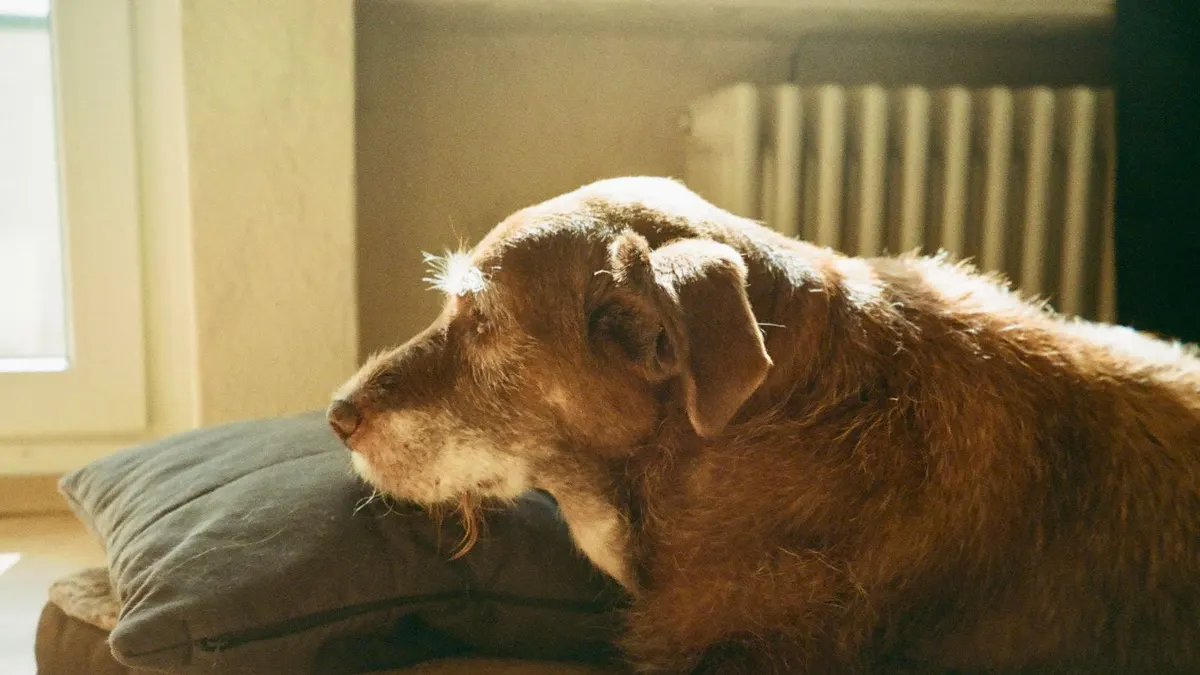
Heat is one of the few seasonal risks that can hurt an older dog within hours rather than weeks, and senior dogs sit at the wrong end of that math. An arthritic, thick-coated dog panting through an afternoon that barely troubled the younger one makes the point permanently: an older body simply cannot dump heat the way a young one can. Most summer heat problems in senior dogs are preventable with planning, and the planning mostly comes down to respecting how narrow their comfort window has become.
The summer plan, in brief
Keep a senior dog cool in summer by moving exercise to early morning or late evening, keeping them indoors with airflow and shade through the heat of the day, and offering constant fresh water in more than one station. Cooling mats and damp towels help resting hours. The hard rules: never a parked car, never hot pavement. Watch for heavy panting, weakness, drooling, disorientation, or vomiting — those end the day immediately.
Why older dogs overheat more easily
Dogs lose heat primarily by panting and, to a much smaller degree, by sweating through the paw pads and belly. When the surrounding air is warm and humid, panting becomes less efficient because the dog cannot cool the air it breathes in. Older dogs compound this in several ways.
Respiratory efficiency declines with age, and dogs with laryngeal changes, collapsing airways, or a history of airway surgery have a much lower panting ceiling. Heart disease reduces the circulation that moves warm blood to the lungs and skin. Overweight and less fit dogs generate more heat and shed it more slowly. Some common medications, including certain heart and seizure treatments, can affect hydration or temperature regulation. Finally, an arthritic dog who is already breathing harder from effort crosses into distress faster on a hot sidewalk.
Which seniors are at highest risk
Some dogs need intervention well before the weather feels extreme to you:
- short-nosed breeds such as Pugs, French Bulldogs, and English Bulldogs, whose airway anatomy limits panting
- thick double-coated breeds and dark-coated dogs who absorb more solar heat
- overweight or obese dogs
- dogs with heart, airway, kidney, or metabolic disease
- dogs on long-term medications that influence hydration
- dogs who are very young-old but enthusiastically overexert
For these dogs, treat heat as the limiting factor of the day rather than a minor inconvenience.
Restructuring the daily routine
The most effective single change is timing. Walk and toilet before the pavement has warmed or after it has cooled, and use the middle of the day for indoor rest. On forecast hot days, shift rather than simply shorten: a 20-minute early walk plus a late toilet trip beats a midday attempt that never should have happened.
Other routine adjustments:
- skip fetch and sustained running entirely above roughly 24 to 27 degrees C (75 to 80 degrees F) for most seniors, and earlier for high-risk dogs
- choose shaded, grassy routes over open pavement
- carry water and offer small amounts during the outing
- keep the pace slow enough that the dog can breathe through the nose if asked
- use wet paws and belly cooling as a practical way to shed heat after returning home
Indoor cooling strategies
Inside the home, airflow matters more than dramatic cooling. Keep curtains or blinds closed on sun-facing windows, open windows on opposite sides for cross-ventilation when outdoor air is cooler, and use fans aimed so the dog lies in the moving airstream. Air conditioning is the safest option for high-risk dogs; a single cool room is enough if cooling the whole house is impractical.
Cooling products can help when used correctly:
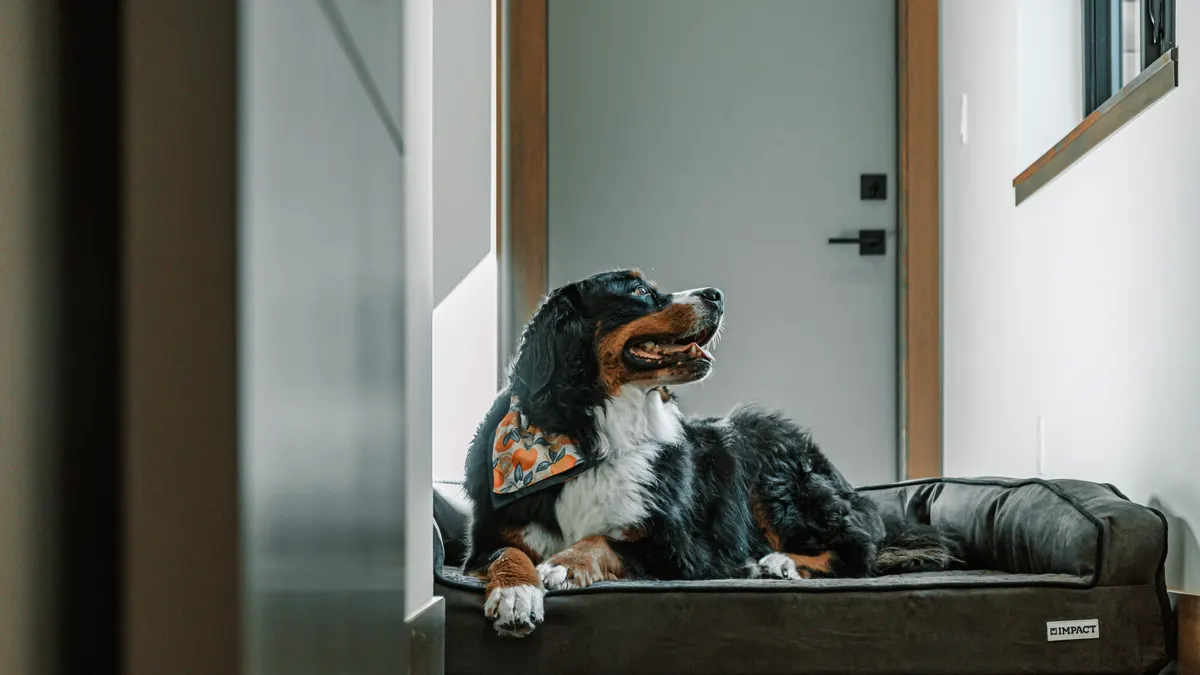
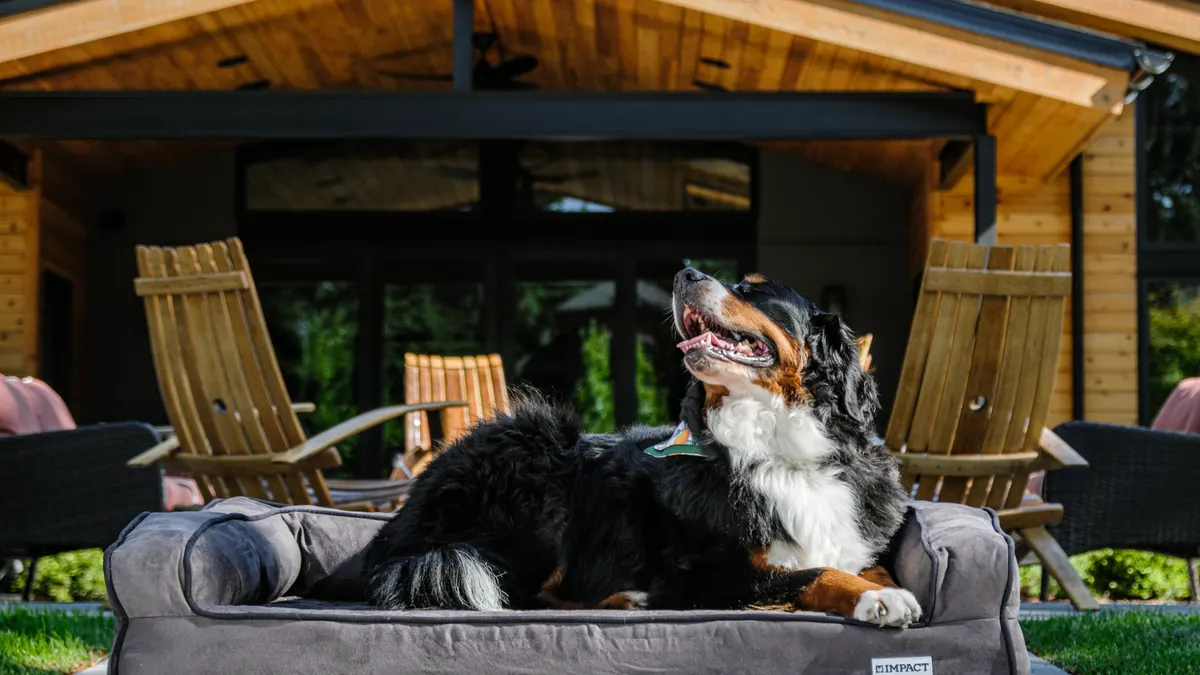
- gel or water-based cooling mats in the dog's bed or favorite resting spot, checked regularly for leaks and chewing
- damp towels laid over the belly or beneath the dog, rewetted as they warm
- cooling coats or bandanas for short outdoor trips, kept genuinely damp rather than merely cool to the touch
- a few inches of cool, not ice-cold, water for paddling in a shallow tub for dogs who tolerate it
Avoid freezing packs directly against skin, especially in older dogs with reduced sensation.
Water and hydration
Water intake rises in hot weather, and it should be easy to find. Place bowls in the rooms the dog actually uses, refresh them at least daily, and consider a water fountain for dogs who prefer moving water. Add a little water to kibble or offer wet food if intake is a concern. Ice cubes make fine treats but do not replace water.
Know the signs of dehydration: sticky or dry gums, skin that stays tented when pinched at the shoulder blades, sunken or dull eyes, and reduced urine output. Dogs with kidney disease or on diuretics need extra attention to intake; ask your veterinarian about a summer hydration plan at the next visit.
Pavement, cars, and the hard limits
Two rules deserve to be non-negotiable. First, test pavement with the back of your hand for seven seconds; if it is too hot to hold comfortably, it can burn paw pads and it is too hot for the dog to walk on. Walk on grass or wait until evening.
Second, never leave a senior dog in a parked car, even briefly, even with windows cracked, even in shade. Interior temperatures rise dangerously fast, and a dog with reduced heat tolerance can reach heatstroke within minutes. Cars in driveways with the engine off still heat up; a dog who crawls into an open vehicle is also at risk.
Recognizing heat exhaustion and heatstroke
Early heat stress shows as heavy, noisy panting, bright red gums and tongue, drooling, restlessness, and warm skin. As it worsens, dogs become weak, wobbly, or uncoordinated, may vomit or have diarrhea, and can become glassy-eyed or unresponsive. Heatstroke is an emergency.
If you suspect heat stress, move the dog immediately to a cool place, offer small amounts of cool water, and wet the belly, armpits, inner thighs, and paw pads with lukewarm to cool — not icy — water. Aggressive ice cooling can cause blood vessels to constrict and trap heat. Contact a veterinarian immediately even if the dog seems to recover; delayed organ damage can follow heatstroke. One scorched afternoon with a lab who would not slow down taught me that rule the hard way.
Summer habits that undo the plan
- midday walks on pavement
- strenuous play in heat, even if the dog initiates it
- muzzles that prevent panting during exercise
- leaving dogs tethered in sunny yards without shade and water
- assuming swimming automatically makes a dog safe — exertion in warm water still produces heat, and some seniors panic or cannot exit pools safely
- shaving double coats to the skin; the coat provides insulation against heat as well as cold
Three heat questions answered
Does a cooling bed replace air conditioning for a senior dog?
No. A gel mat extends comfort in a warm room; it cannot rescue a dog from a hot one. High-risk seniors — brachycephalic, heart or airway disease, overweight — need at least one genuinely cool room, and the mat is the layer that keeps naps longer between visits to it.
Is shaving my senior dog a good way to keep them cool?
Usually not. A double coat insulates against heat as well as cold, and shaving to the skin invites sunburn and overheating. Trim the feathering, keep the undercoat brushed out, and cool the dog with damp towels on the belly and paws instead.
How long can my older dog safely stay outside in summer?
Short, supervised toilet breaks during heat waves — often under ten minutes for high-risk dogs. Watch the panting, not the clock: wide, fast breathing that does not slow within a few minutes of rest means the outing is over, even if the dog wants to stay.
Cool hours, cool surface, hard rules
Summer safety for an older dog is mostly about timing, shade, water, and restraint: exercise in the cool hours, a cool indoor resting place with constant water, damp cooling for the body, and absolute rules about hot pavement and parked cars. Dogs kept within their heat window stay comfortable all season. The ones who get into trouble are almost always pushed past clear warning signs that an older dog cannot afford to ignore.