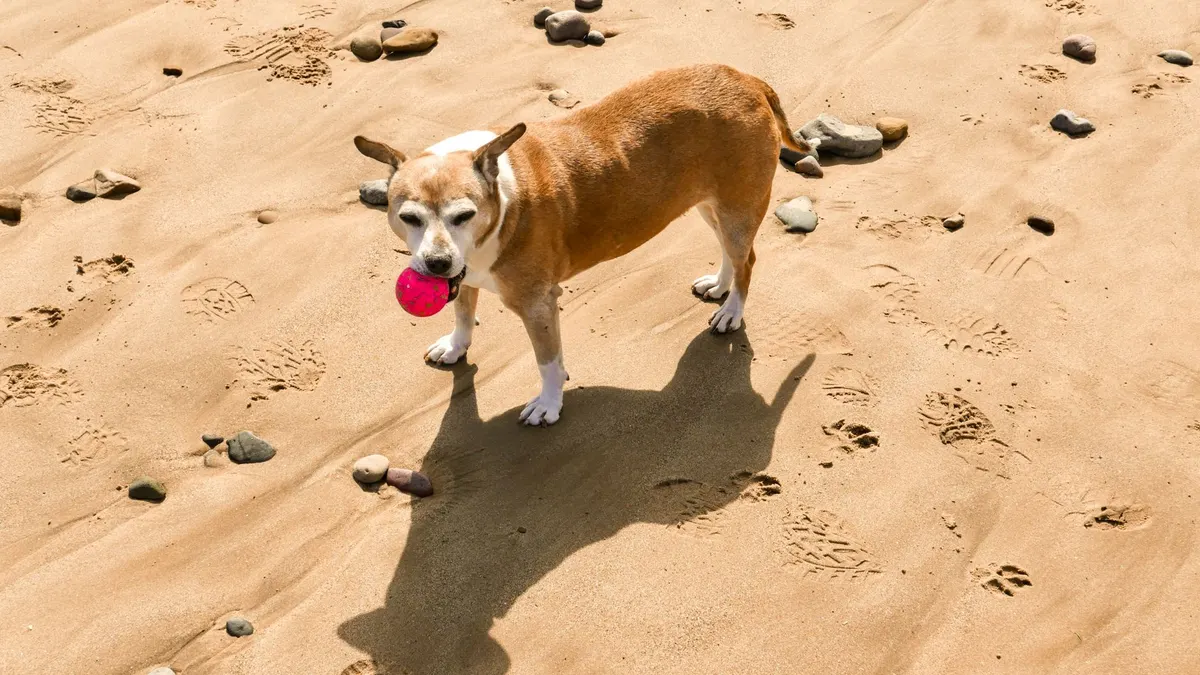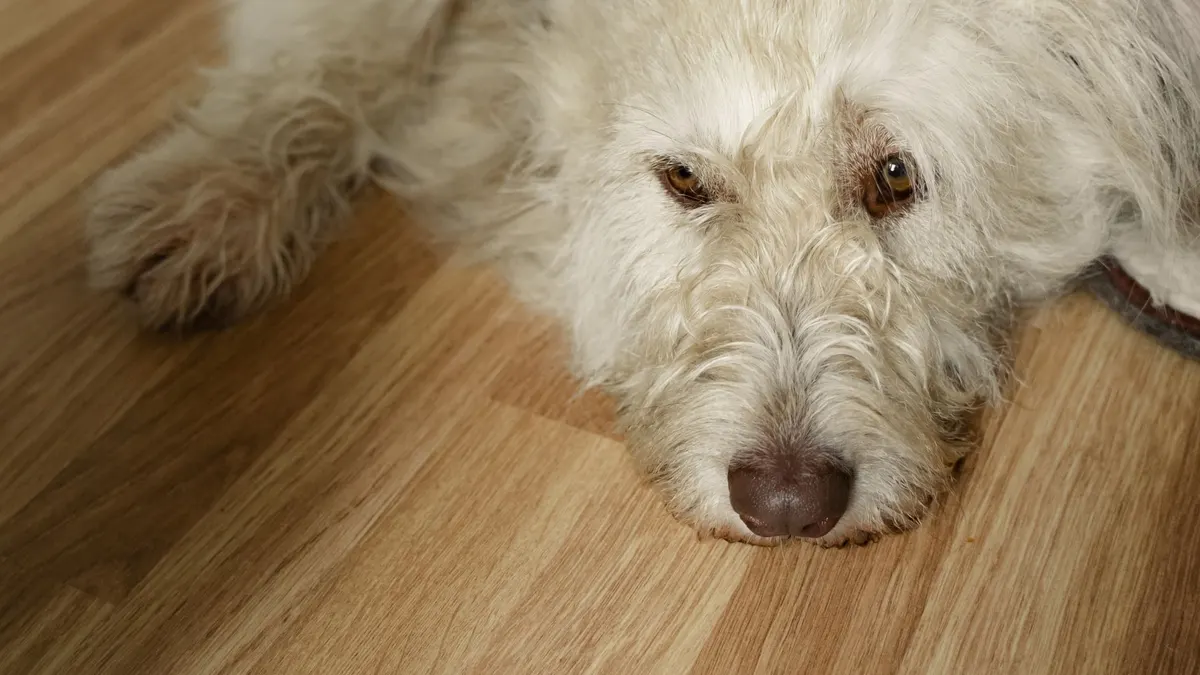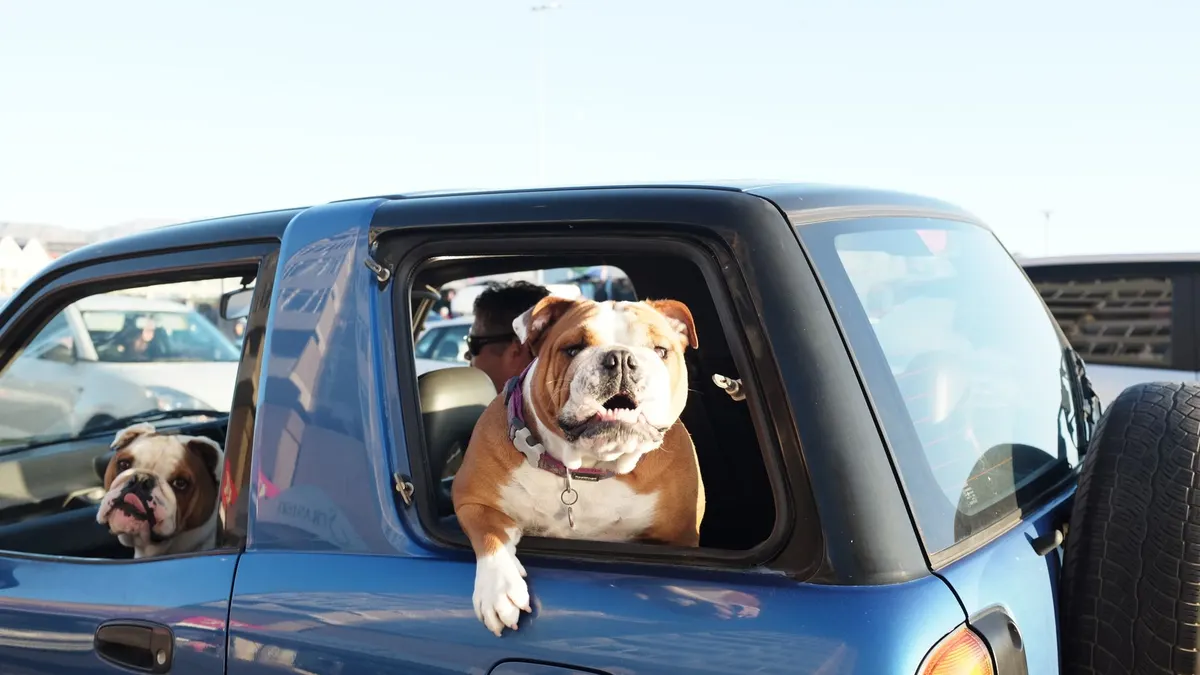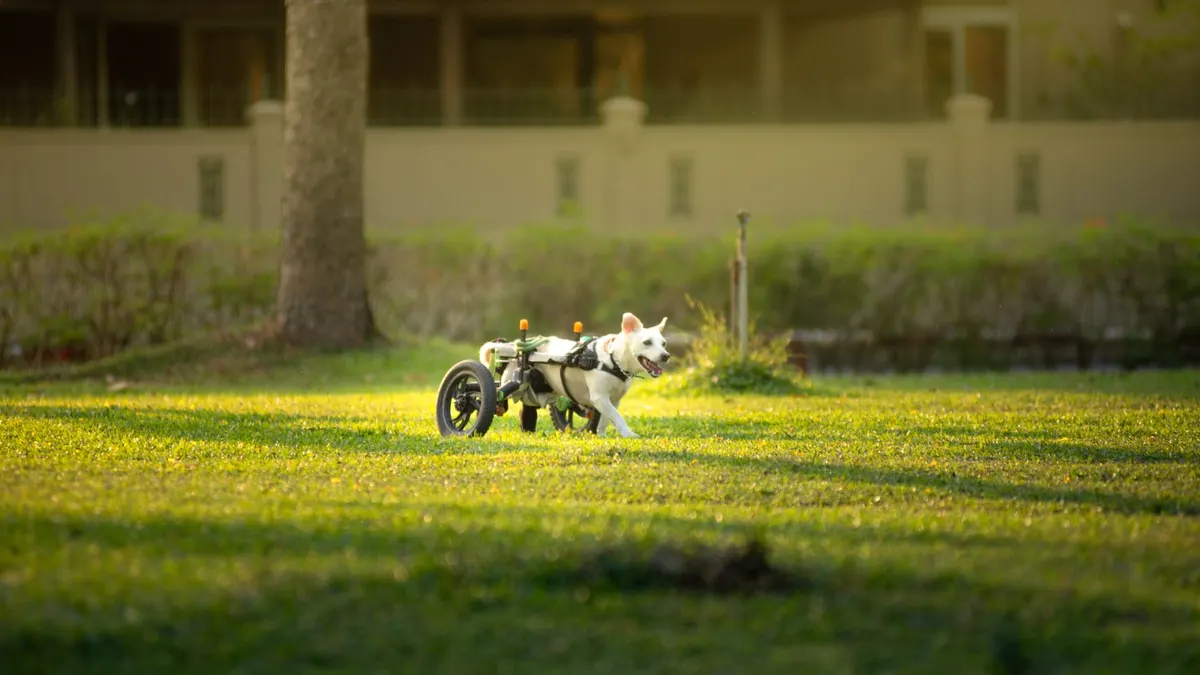
A mobility checklist is one of the most useful tools a senior dog owner can keep. Most mobility changes appear gradually, and the same home setup that worked at age seven may not fit a dog at age twelve. Running this 15-point check every few months helps you catch small shifts in traction, strength, and balance before they become falls, reluctance, or pain.
This guide splits the checklist into four sections: traction and flooring, standing and rising, walking and routine, and observation and tracking.
Quick answer
Walk through your home at the dog's pace and check traction, entry heights, standing ease, walk length, and any new hesitation. If three or more items change at once, schedule a veterinary visit. Most senior dogs move more confidently once their footing and daily setup are adjusted to fit their current body.
How to use this checklist
Run through all 15 items in one pass, ideally in the morning when the dog is fresh. Note anything that has changed since the last check. Bring the notes to your next veterinary visit — the pattern matters more than any single observation.
Section 1: Traction and flooring
1. Are the dog's main routes flat, grippy, and secure?
Check the path from bed to food, food to door, and any hallway the dog uses often. Hardwood, tile, and polished concrete can become slipping hazards for older dogs. See best non-slip mats for senior dogs for options.
2. Are rugs and runners secured against curling or sliding?
A loose or curling rug is more dangerous than a slick floor. Tape edges down if needed so they do not catch a paw.
3. Are the dog's food and water bowls on a stable surface?
Bowls should not slide when the dog eats or drinks. Add a non-slip mat under the bowls if the floor is slick.
Section 2: Standing, rising, and resting
4. Can the dog stand up from the bed without hesitation?
Hesitation before standing is often the first visible sign of stiffness or discomfort. Time how long the dog pauses before pushing up.
5. Is the bed low enough that the dog can step onto it without climbing?
A tall bed forces the dog to jump or climb, which strains shoulders and hips. See best orthopedic dog beds for senior dogs and best low-entry dog beds for low-height options.
6. Does the dog have a clear, predictable sleeping spot?
A consistent sleeping spot helps the dog build a predictable rest pattern. A new reluctance to use the usual spot can signal discomfort or a draft.
7. Are stairs and steps safer or restricted if the dog struggles?
Add non-slip treads, install a gate at top and bottom, or move essentials to one floor. See how to make stairs safer for an older dog for a full review.
Section 3: Walking and daily routine
8. Can the dog complete a normal walk without lagging or stopping?
Note the dog's normal walking pace and length. A sudden shortening or slowing can point to stamina loss, joint pain, or discomfort. See how much walking is too much for a senior dog for guidance.
9. Is the dog still getting into the car or onto furniture confidently?
Hesitation at the same height transition every day is often a sign of stiffness or pain. Consider a ramp for car and bed access. See best dog ramps for senior dogs.
10. Are nails trimmed and paw pads healthy?
Long nails reduce pad grip and change how the paw contacts the floor. See senior dog grooming: a simple routine for a low-stress approach.
11. Is the dog still using the same walking routes and surfaces?
A dog that starts avoiding a familiar route may be struggling with footing, distance, or discomfort on that surface.
Section 4: Observation and tracking
12. Has the dog's posture changed when standing or walking?
A roached back, low head, or widened stance can point to weakness, pain, or balance changes. A short phone video helps you compare over time.
13. Is there any dragging, scuffing, or knuckling of the back paws?
These signs deserve prompt veterinary attention. See why are my senior dog's back legs weak? for related guidance.
14. Has the dog's appetite, mood, or willingness to engage changed?
Mobility changes often show up first in enthusiasm. A dog that no longer greets you at the door or skips meals may be in discomfort.
15. Are you keeping a simple weekly log of the dog's mobility?
A few notes a week — walking length, hesitation, new behaviors — give you and your veterinarian a much clearer picture than a single visit can.
📋15-Point Senior Dog Mobility Checklist
0/15 completed- Main walking routes are flat, grippy, and secure
- Rugs and runners do not curl or slide
- Food and water bowls are on a non-slip surface
- Dog stands up from the bed without hesitation
- Bed is low enough to step onto without climbing
- Dog has a clear, predictable sleeping spot
- Stairs are safer or restricted if the dog struggles
- Dog completes a normal walk without lagging or stopping
- Dog gets into the car or onto furniture confidently
- Nails are trimmed and paw pads are healthy
- Dog still uses familiar walking routes without avoidance
- Standing and walking posture look normal
- No dragging, scuffing, or knuckling of back paws
- Appetite, mood, and willingness to engage are stable
- Weekly mobility log is being kept
What to do with the results
If 0-2 items changed
- recheck in 2-3 months
- address any specific environmental issue (traction, bed height, bowl placement)
If 3-5 items changed
- schedule a veterinary visit within the next 2-4 weeks
- bring your notes and any phone videos
- improve traction and reduce daily strain while you wait for the appointment
If 6 or more items changed, or any red-flag signs appear
- seek prompt veterinary care
- red flags include dragging paws, sudden weakness, collapse, severe pain, or sudden inability to stand or walk
When to call your veterinarian
Monitor at home
- 1-2 small changes with no obvious discomfort
- the dog still walks, eats, and engages normally
Schedule a veterinary visit
- 3 or more checklist items have changed
- new hesitation, slowing, or stiffness that lasts more than a few days
- the dog avoids a familiar route or transition
Seek prompt veterinary care
- sudden inability to stand or walk
- dragging or knuckling the back paws
- sudden weakness in the back legs
- obvious pain, vocalization, or collapse
Related guides
- Why Is My Senior Dog Slipping on Hardwood Floors?
- Why Are My Senior Dog's Back Legs Weak?
- How to Make Stairs Safer for an Older Dog
- Senior Dog Home Safety Checklist
- How to Help a Senior Dog Walk Better
- How Much Walking Is Too Much for a Senior Dog
- Best Dog Ramps for Senior Dogs
- Best Orthopedic Dog Beds for Senior Dogs
- Senior Dog Exercise at Home
FAQ
How often should I run the senior dog mobility checklist?
Run it every 2-3 months, plus any time the dog seems slower, stiffer, or less confident. Most changes appear gradually, so a regular recheck helps you catch them early.
What does it mean if my dog shows changes in several checklist areas at once?
Several changes at once may point to a broader mobility or pain issue rather than a single environmental problem. A veterinary visit is the right next step.
Can a checklist replace a veterinary visit?
No. The checklist helps you spot patterns and prepare useful notes for your veterinarian, but it does not diagnose pain, arthritis, or neurological issues.
Should I be concerned if my senior dog slows down on walks but is fine at home?
Often not, but it is worth noting. Slowing on walks can come from stamina loss, joint discomfort, or pain. If it persists or worsens, schedule a veterinary visit.
What is the single most useful change I can make first?
Add traction on the dog's main indoor routes. Most senior dogs move more confidently once their footing feels predictable.