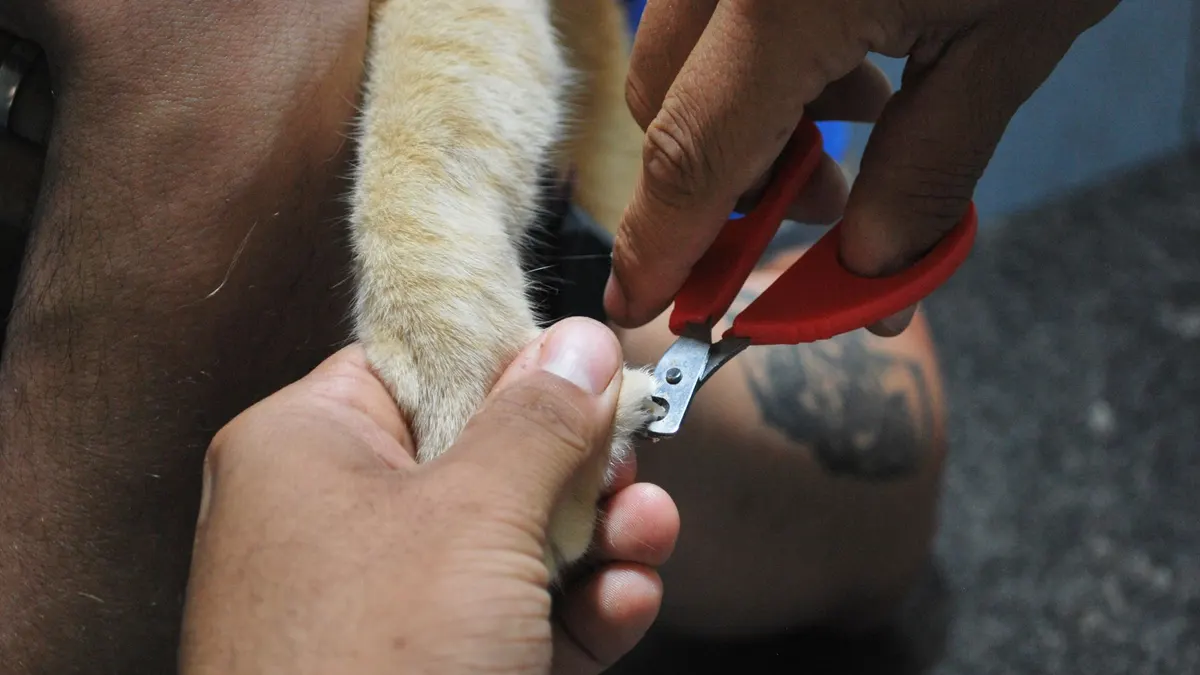
Long nails can affect a senior dog’s comfort and movement, especially on smooth floors or during daily walking. A few careful trims can make the dog more comfortable without adding stress, but nail care works best when it is slow, calm, and realistic for the dog’s age and temperament.
Quick answer
The safest way to trim a senior dog’s nails is to use the right tool, keep the sessions short, and trim only a small amount at a time. A relaxed routine is usually much safer than trying to finish everything in one rushed attempt.
Start with the right setup
Before trimming, make sure you have:
- a good pair of dog nail clippers or a grinder
- bright light so you can see the nail clearly
- a non-slip surface under the dog
- treats or a calm reward routine
- a clean towel or small mat for quick comfort and control
A senior dog that is stiff or a little nervous often does better when the environment feels predictable and stable.
Keep the session short and easy
Short, calm sessions often work better than one long attempt. If the dog is uncomfortable or anxious, it can help to trim only one or two nails at a time and stop while the dog is still relaxed.
Rewarding calm behavior can also reduce stress and make future trims easier.
Avoid cutting too short
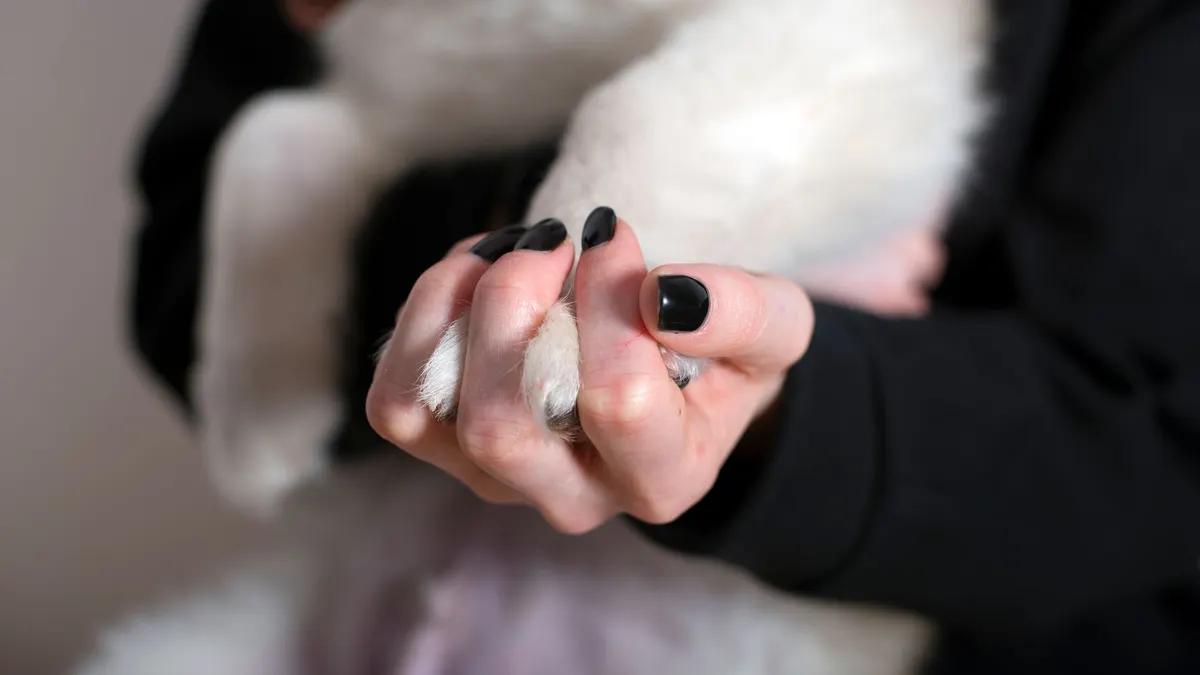
The goal is to trim the very tip of the nail without cutting into the quick, which is the blood vessel and nerve inside the nail. If you see a dark center or a hint of a quick, stop and trim less.
If you are unsure, take smaller cuts and check the shape before continuing. It is much better to make several small trims than to cut too aggressively once.
Consider a grinder if the dog is sensitive
A grinder can be useful if your dog is nervous about clippers or if the nails are brittle. It allows for very small adjustments and can reduce the chance of cutting too much too quickly.
A grinder is not always easier for every dog, but it can be a good fit when the dog needs a softer, calmer process.
When to stop and seek help
If your dog is painful, very anxious, or if the nails are severely overgrown, cracked, or curling, it may be safer to ask a grooming professional or your veterinarian for help. A professional can often handle the situation more comfortably when the dog is extra sensitive.
Bottom line
Nail care for a senior dog should be gentle, predictable, and realistic. Short sessions, a calm environment, and careful trimming usually help a lot more than a rushed or overly aggressive routine.
Related guides
- Senior Dog Grooming: A Simple Routine
- How Often Should You Bathe a Senior Dog?
- Senior Dog Daily Routine
FAQ
How often should I trim a senior dog’s nails?
Usually every few weeks, but this depends on the dog’s growth rate and the surfaces they walk on.
What if I cut too short?
Use powder to stop bleeding if needed and stop the session. A calm, slower routine is safer than forcing a full trim.
Is a grinder better than clippers?
It depends on the dog. Some dogs handle grinders better, but clippers are still fine if the dog is calm and the owner is careful.
When should I ask for help?
If the nails are overgrown, painful, or the dog is highly stressed during trimming, a groomer or vet can be a good support.